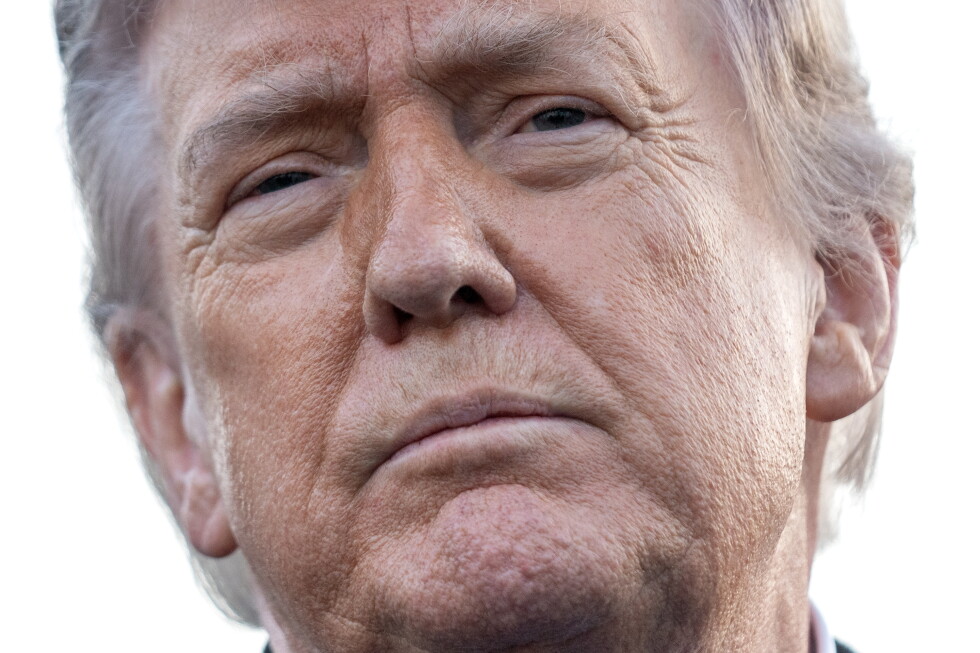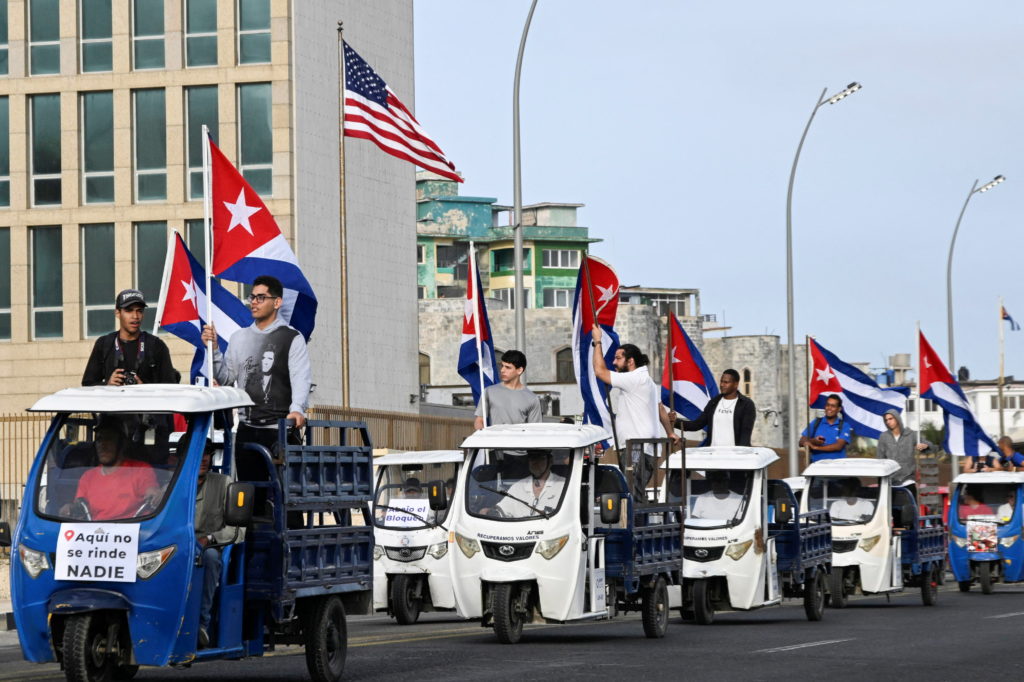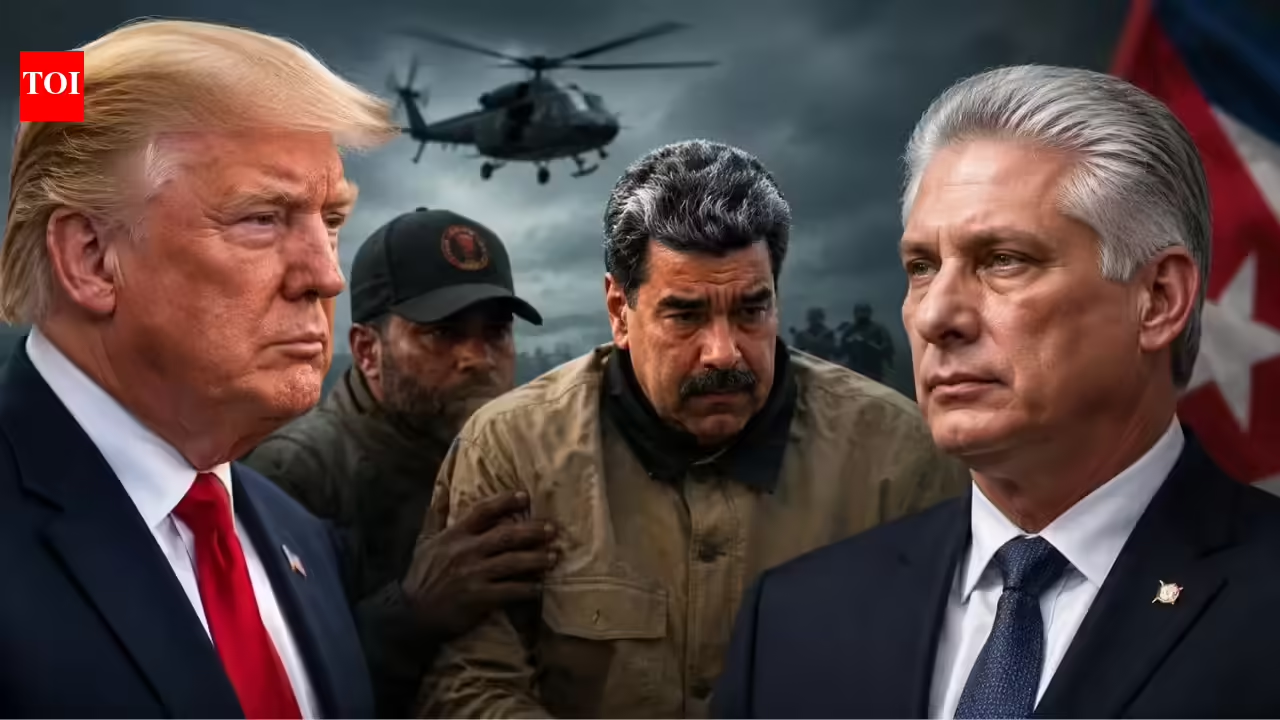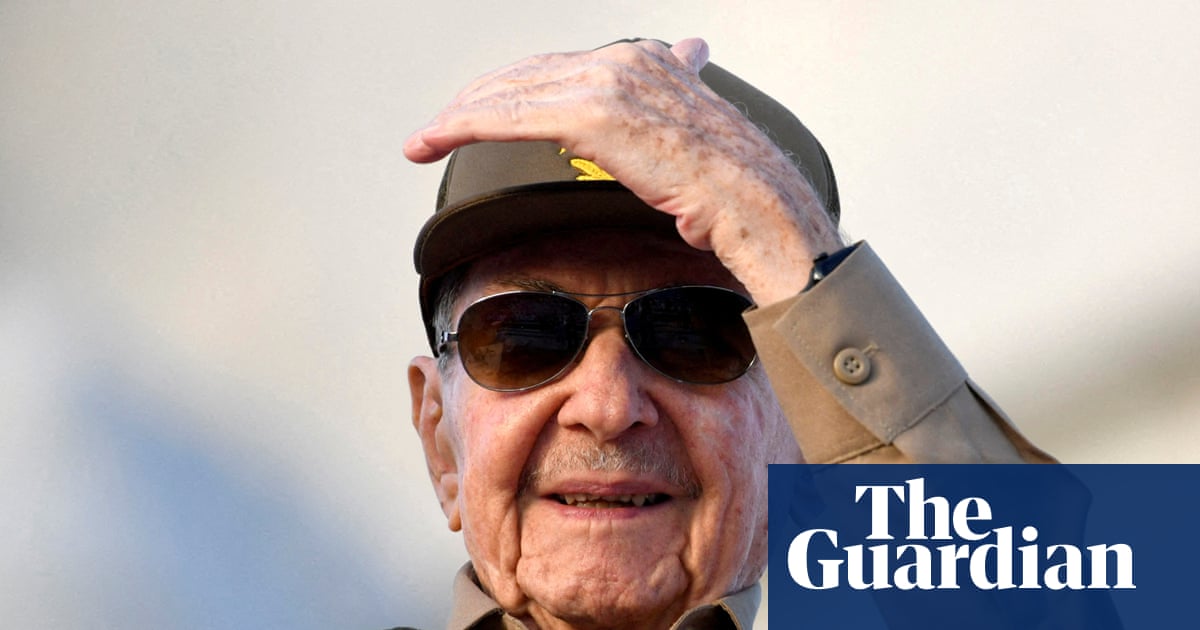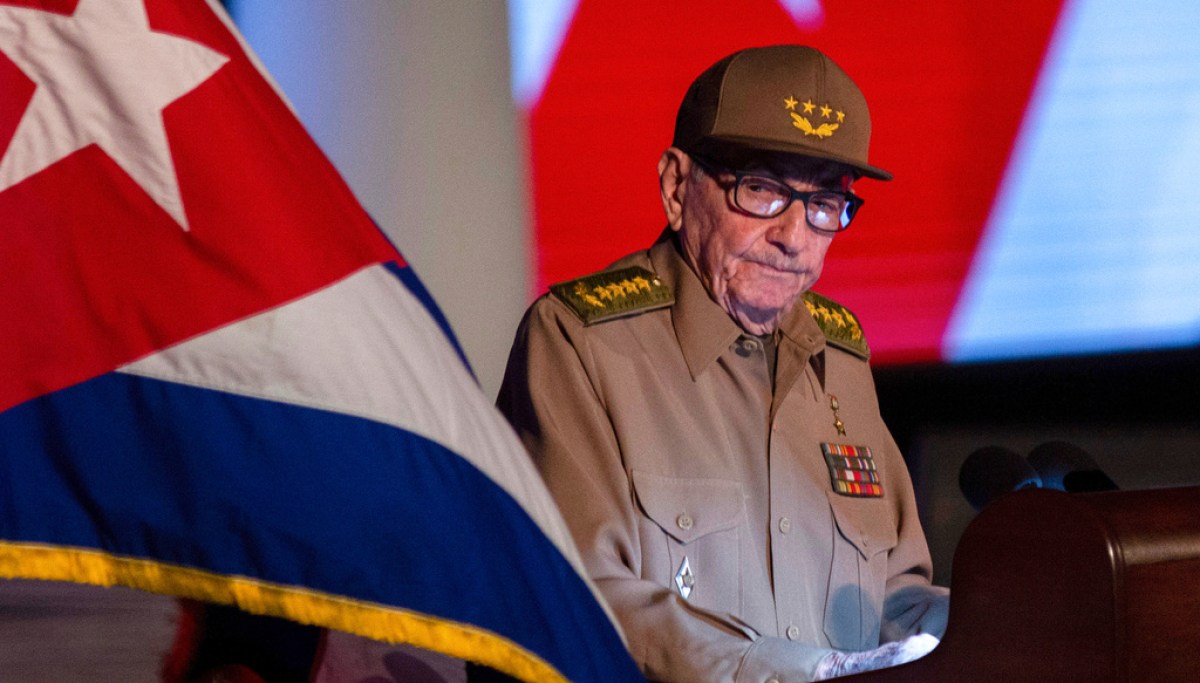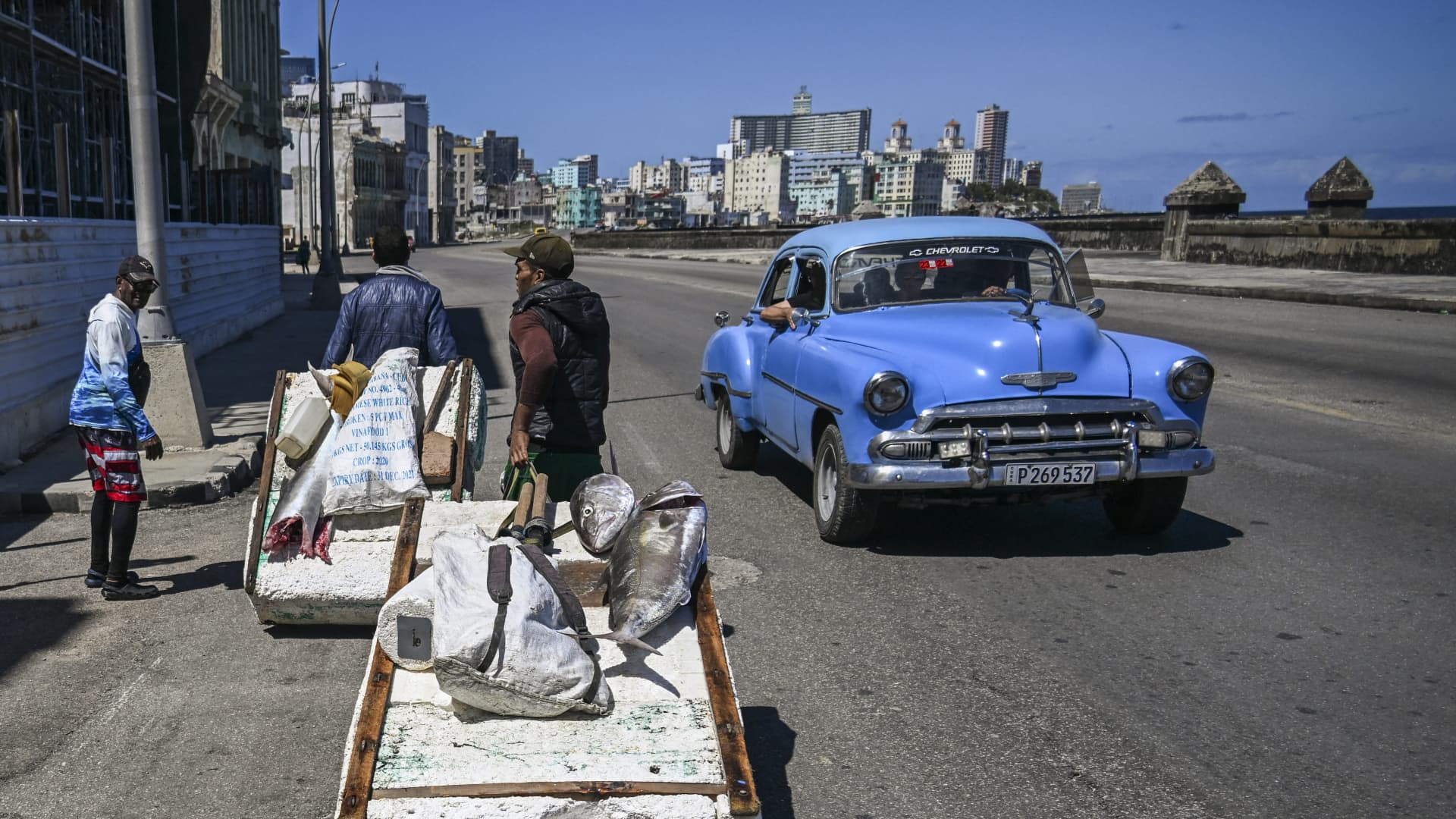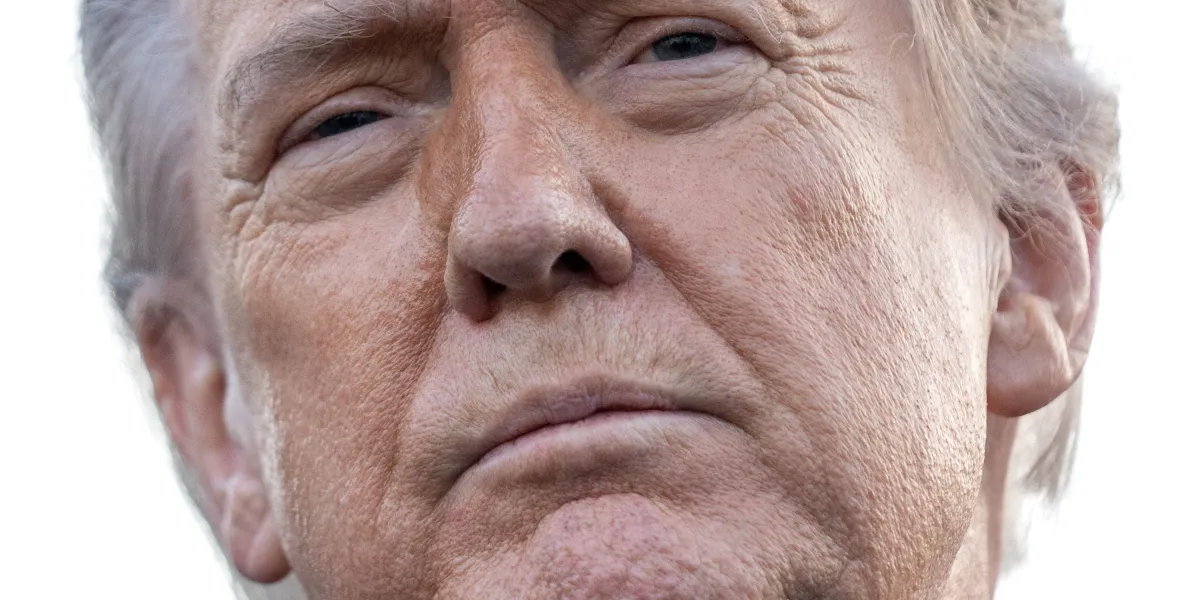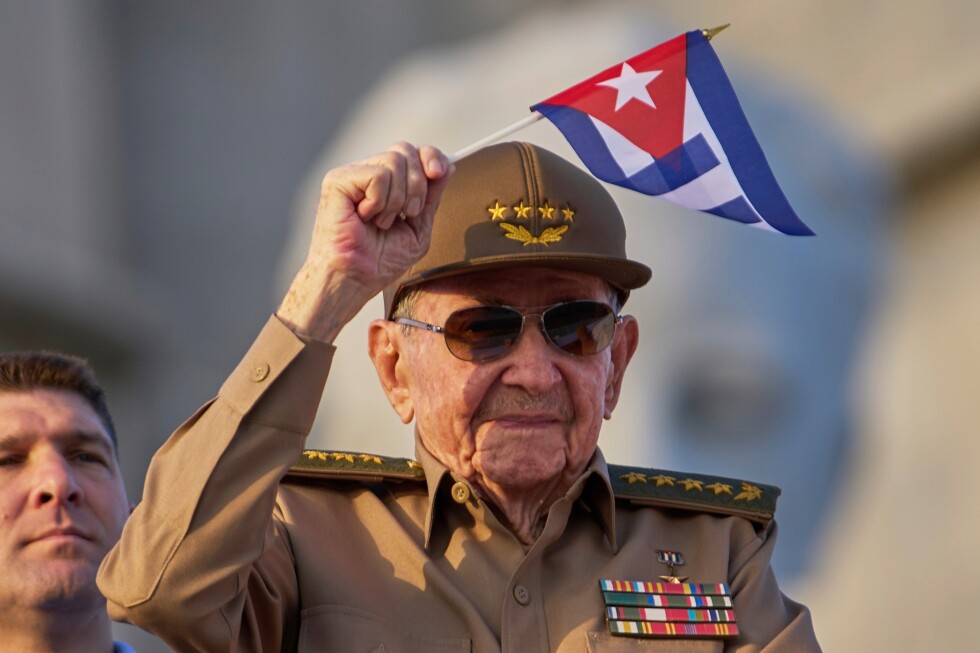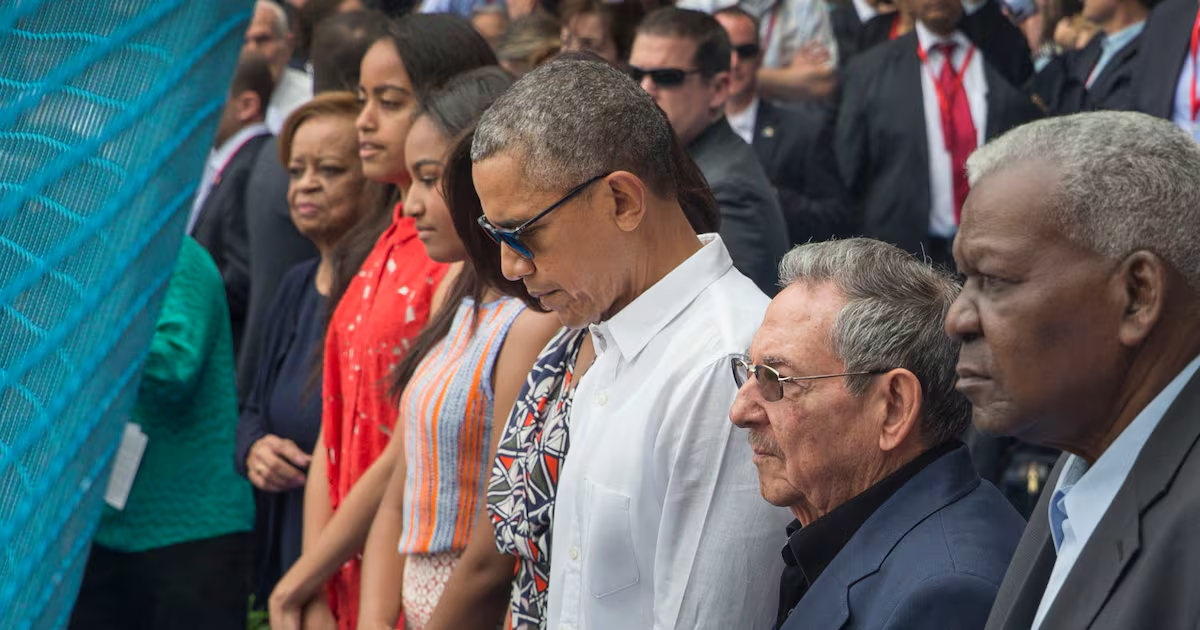
The unstated warning behind the possible indictment of the 94-year-old former president of Cuba could not have been clearer: Just look at what happened in Venezuela.This week the Trump administration dramatically ramped up pressure on Cuba. The US embargo has left the country’s oil reserves empty. The US military and spy agencies have stepped up surveillance flights around the island. Officials privately spoke of a coming build-up of armed forces in the region.CIA director John Ratcliffe visited on Thursday to deliver a stark demand: shut down Russian and Chinese listening posts and take steps to open the economy.Then came word, from people familiar with the US government’s deliberations, that federal prosecutors in Miami were working on an indictment of Raúl Castro, the brother of Fidel.It cannot be lost on anyone in the Cuban government that the Trump administration used a federal indictment against Nicolás Maduro, the authoritarian leader of Venezuela, as the pretext for a raid to swoop into Caracas in January and seize him.Whether the US military is moving toward a similar raid in Cuba is not known, though an operation is probably not imminent. A large number of US Special Operations forces are deployed in the Middle East, in case hostilities against Iran flare again.But other people briefed on the administration’s thinking say senior officials at least want the option of running the Venezuela playbook again.While the war in Iran has staggered to an unsatisfactory stalemate, the military operation in Venezuela remains, in president Donald Trump’s view, an unalloyed success.Others close to the Trump administration believe that even if such an option is never approved, the threat of the United States trying to seize Castro, one of the leaders of the Cuban Revolution, will pressure the Cuban government to give in to US demands. But experts say that may be a misreading of the Cuban government.“The indictment is one more element in the pressure campaign Trump and Rubio are using to try to force the Cuban government to surrender to US terms at the bargaining table by creating this threat of military action in the hope that it will force the Cubans to back down,” said William LeoGrande, a professor of government at American University. “But the Cubans are not good at backing down.”[ Former Cuban president Raul Castro indicted by US as Washington pushes for regime changeOpens in new window ]US president Donald Trump speaks to reporters about the indictment of Raúl Castro, the former president of Cuba. Photograph: Doug Mills/The New York Times Ratcliffe’s precise message on Thursday to Castro’s grandson, Raúl G Rodríguez Castro, known as “Raulito” or “El Cangrejo” (the Crab), is not known. But one demand was clear: shut down China’s and Russia’s intelligence stations on the island, which the two countries use to intercept US communications.Exactly what else the administration wants from the Cuban government is less clear. But the primary goal of Trump and Marco Rubio, the secretary of state and national security adviser, is unambiguous. They want to be able to assert that the United States ended communist control of Cuba, but not push the country into complete chaos.While CIA directors are often tasked with secret diplomatic missions, the very public nature of Ratcliffe’s visit – complete with photographs and accounts of his message to the Cubans – was a departure. Frank O Mora, the former ambassador to the Organization of American States and a former senior defence official, said the visit was a way to send an ultimatum to the Cuban government.“The president is frustrated that he is not getting the results he wanted, or maybe he was promised in Cuba,” said Mora, who is now a professor at Florida International University. “They are tightening the screws to try to push the Cubans to make concessions they have been unwilling to do.”CIA director John Ratcliffe. Photograph: Celal Gunes/Anadolu via Getty Images While technically out of power, Raúl Castro remains one of the most influential voices in Cuban politics. The state of his health is not completely understood, but he is frail, and has poor hearing and difficulty speaking. He has not made public remarks for some time. The optics of having an elite military Special Operations team seize a nonagenarian are likely to be poor, but that may not matter to the White House.Mora said it was unlikely the United States would try the same kind of military operation against Castro as it did with Maduro. But the indictment, he said, is a kind of “psychological operation.” Threats of a military operation or a legal indictment probably will not intimidate Castro, but they could send a message to the Cuban government, and to the Cuban American community in Miami, that has long pushed for an end to communism on the island.“The indictment’s more about trying to either instill fear to intimidate the regime and to make it seem, particularly in Miami, that the president is serious about changing Cuba,” Mora said.Former Cuban president Raul Castro. Photograph: Reuters Prosecutors are still discussing the scope of the possible indictment. Like the indictment against Maduro, it could include charges connected to drug trafficking. The indictment could also revolve around charges related to Cuba’s downing in February 1996 of planes run by the humanitarian aid group Brothers to the Rescue.In a Feb 13 letter to Trump, four Republican members of Congress requested that the Justice Department consider indicting Castro, who served as Cuba’s defence minister at the time of the attack. The letter cited news reports indicating that Castro approved the shoot-downs, which the members called “coldblooded murders.”“We believe unequivocally that Raúl Castro is responsible for this heinous crime,” the lawmakers wrote. “It is time for him to be brought to justice.”The episode hardened the US stance toward Havana in lasting ways. President Bill Clinton, who had hoped to liberalise relations with Havana, called the downings “an appalling reminder of the nature of the Cuban regime – repressive, violent, scornful of international law.”Four men were killed when a Cuban air force MiG fighter jet shot down two Cessna aircraft over the Straits of Florida in 1996. Three were US citizens and one a legal permanent US resident. The planes were operated by Brothers to the Rescue, a Miami-based Cuban exile group founded several years earlier to assist Cuban refugees and support the Castro regime’s overthrow.Fidel Castro (left) and his brother Raul in the Cuban national assembly in 1979. Photograph: Bettmann Archive/Getty The group said the planes were on a humanitarian mission in search of Cuban refugees en route to Florida by raft who might have needed assistance. Cuba insisted the planes had violated its airspace, a claim disputed by international aviation authorities. But after the group dropped anti-regime pamphlets over the island during earlier missions, Cuba had threatened to use force against the flights.The downing enraged Cuban exiles in Miami, and loudly resonated in Washington. Within days, Congress passed long-stalled legislation known as the Helms-Burton Act, perhaps its toughest action against Cuba. Among other things, the act conditioned the removal of US sanctions on the fall of the Castro regime and gave new rights to Americans and Cuban Americans with claims to Cuban property seized after the 1959 victory in the country’s revolution.[ US aircraft carrier enters Caribbean as Trump pressures CubaOpens in new window ]People walk past a fire set by demonstrators during a protest against the lack of energy and blackouts in the Lawton neighborhood in Havana on May 14, 2026. Photograph: Yamil Lage/AFP via Getty Images Clinton’s opposition to the act vanished overnight, and he signed it into law on March 12, 1996. That remains a date of infamy in Havana: This year, on the 30th anniversary of the law’s signing, President Miguel Díaz-Canel denounced it on social media as a monstrosity.This article originally appeared in The New York Times.
US pressure campaign on Cuba echoes Venezuela playbook
Trump’s White House is blending legal threats with hints of force in a high-risk bid to break Cuba’s leadership
1,300 words~6 min read