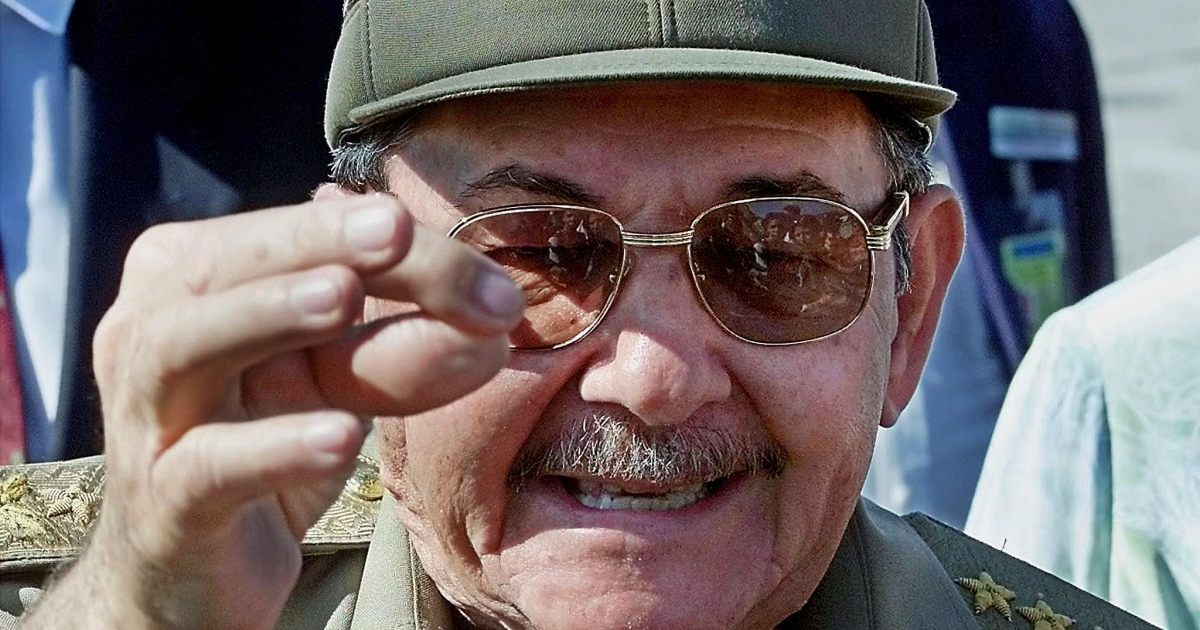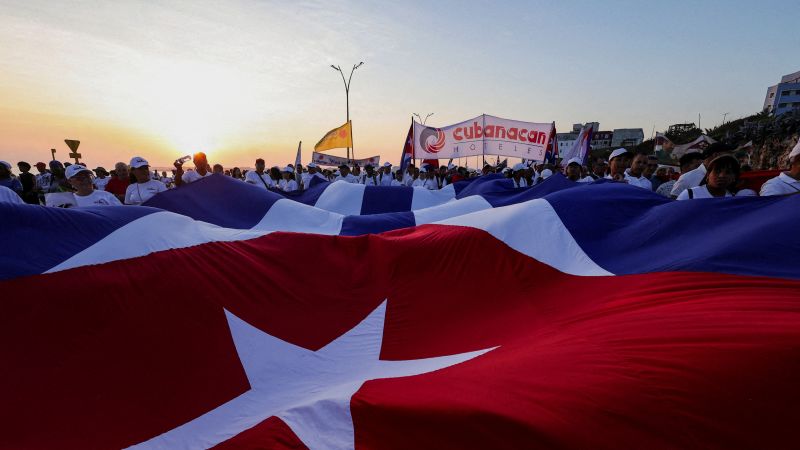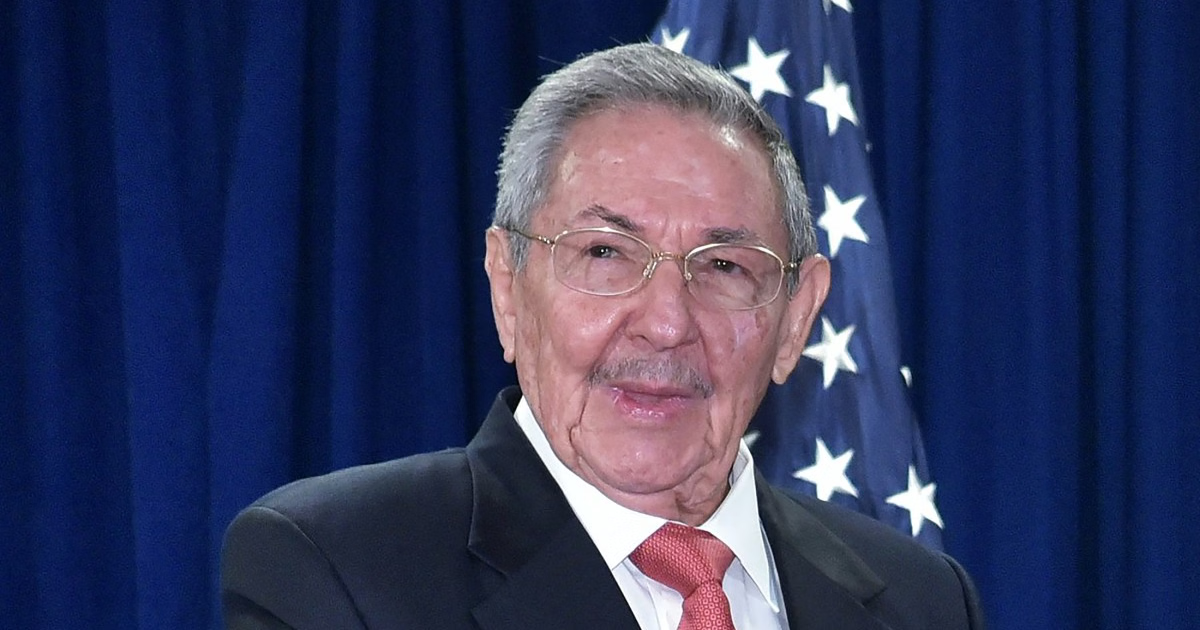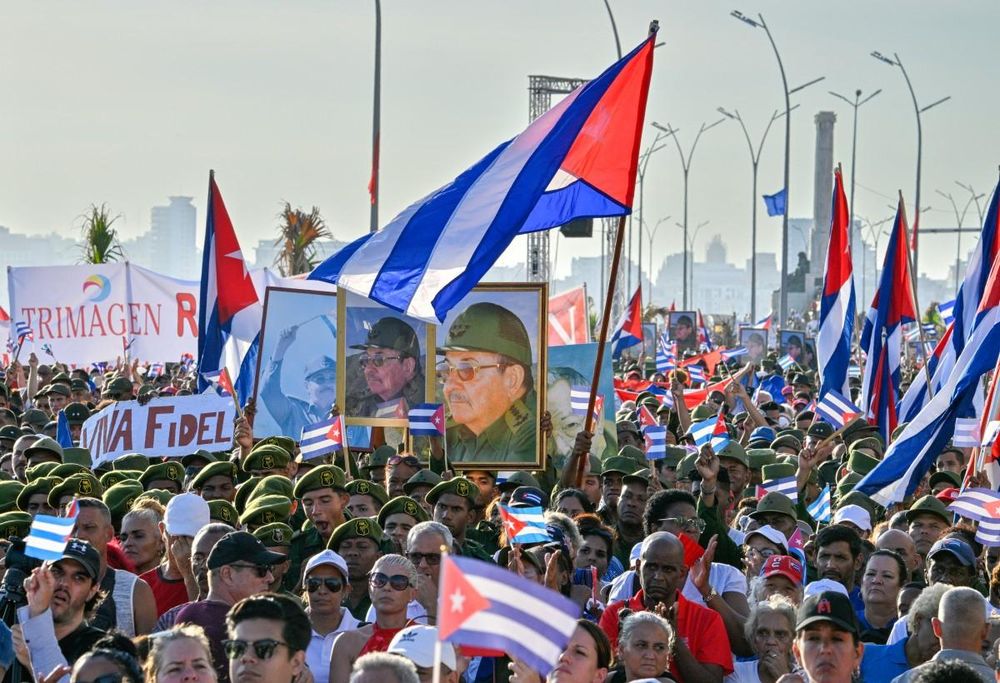
Cubans attend a rally in support of their former president Raul Castro, 94, who has been indicted by a US court, outside the US Embassy in Havana on May 22, 2026.
Dmitry Kornev
The Caribbean is beginning to smell like war.
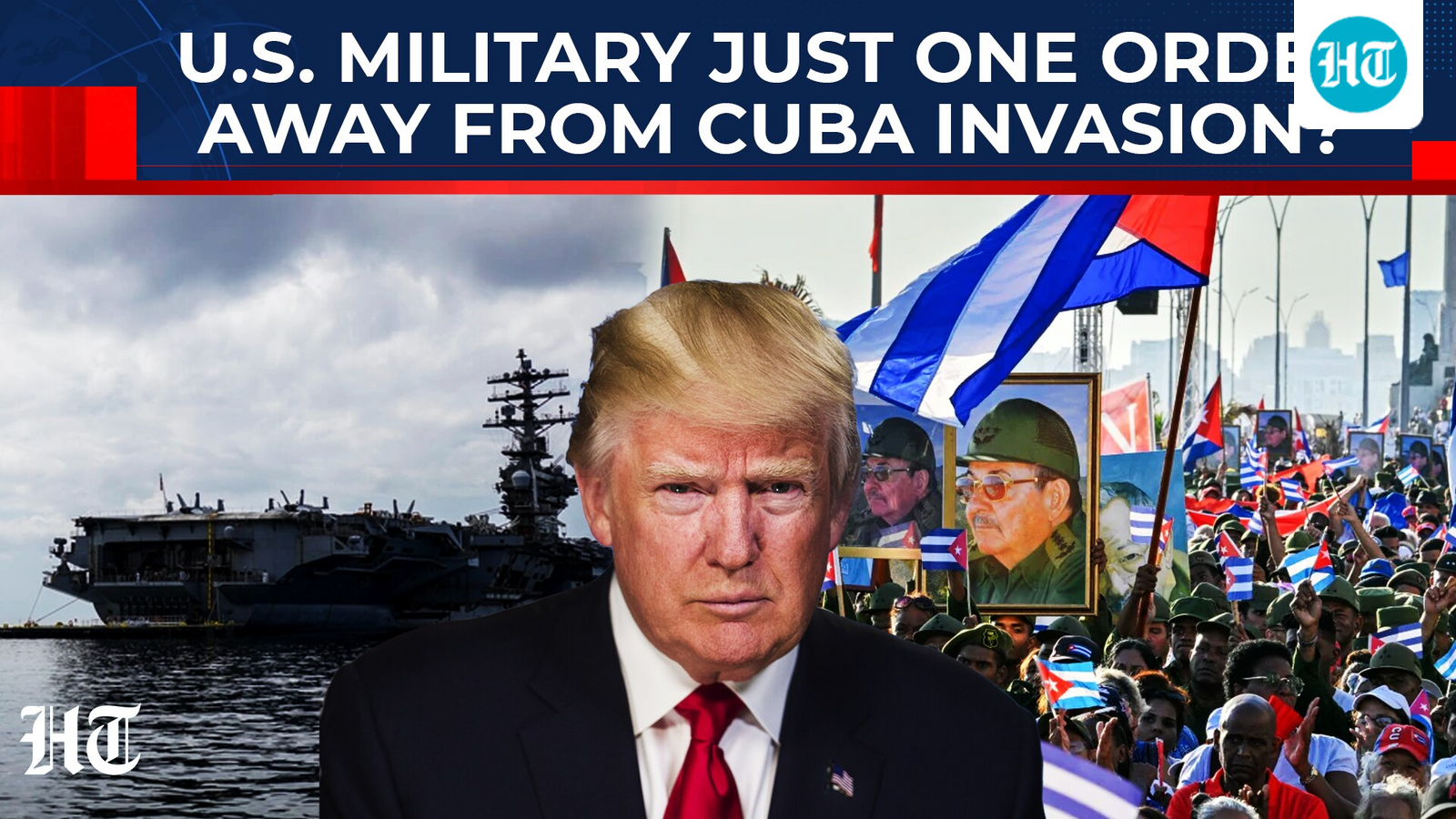
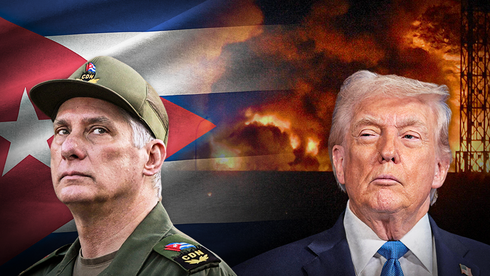
As Washington tightens its sanctions noose around Cuba, deploys additional military assets to the region, and increasingly resorts to the language of ultimatums, media outlets and policy circles have started seriously discussing the possibility of direct US intervention on the island.
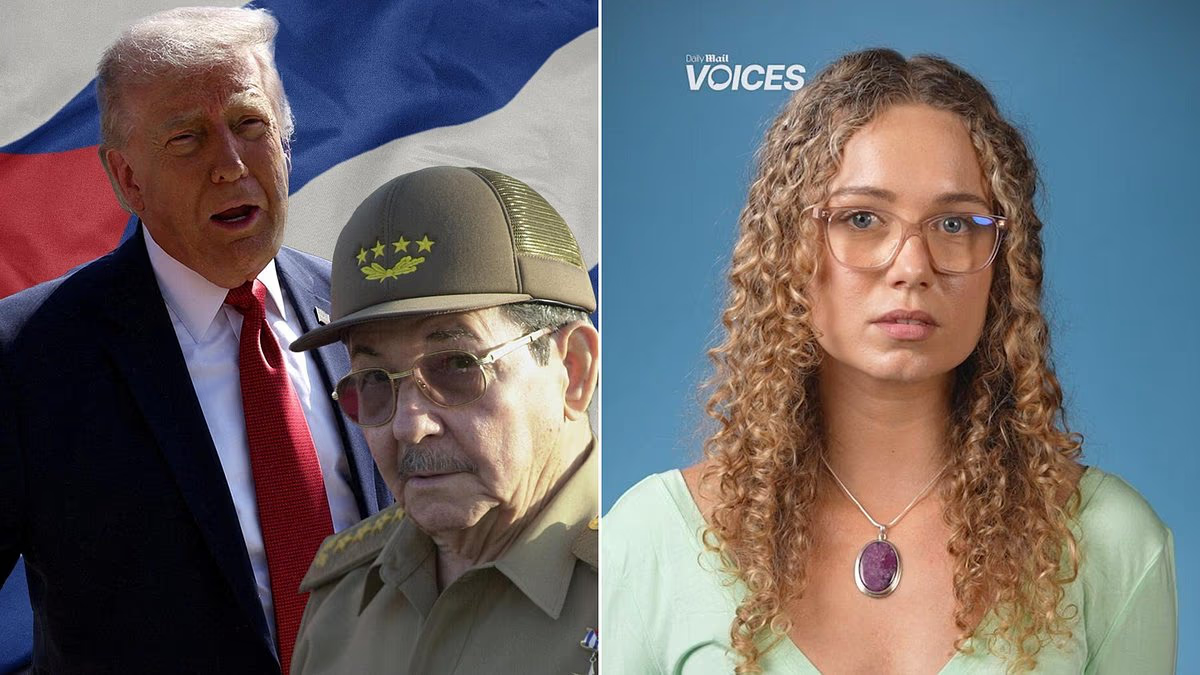
The trigger has not only been a fresh wave of accusations against Raúl Castro and the highly publicised appearance of the USS Nimitz carrier strike group off Cuba’s coast, but also the broader logic of escalation itself: an energy blockade, rhetoric about a so-called ‘drone threat’, and a growing perception that the Trump administration sees Cuba as the next target of its hard-power foreign policy.