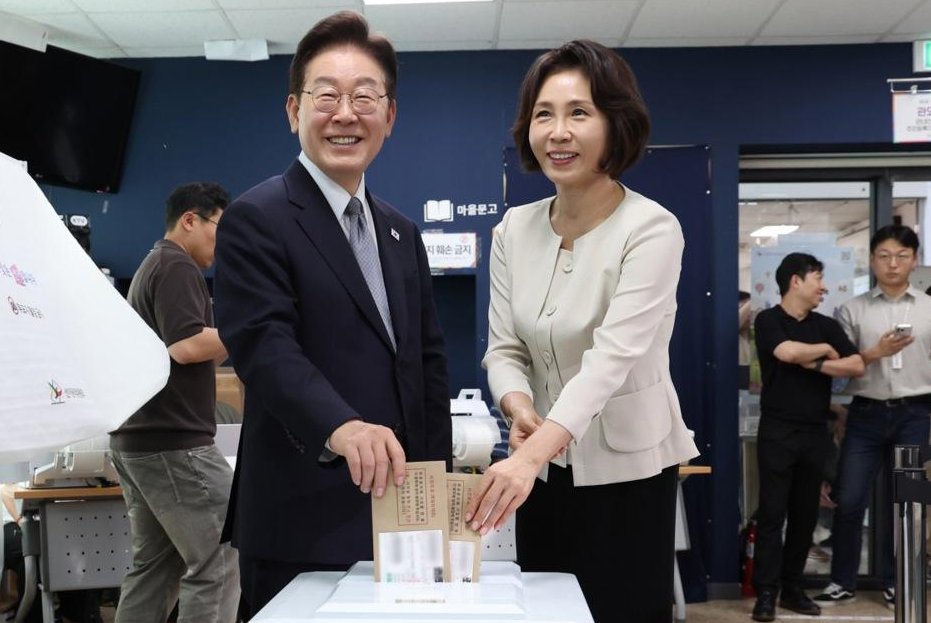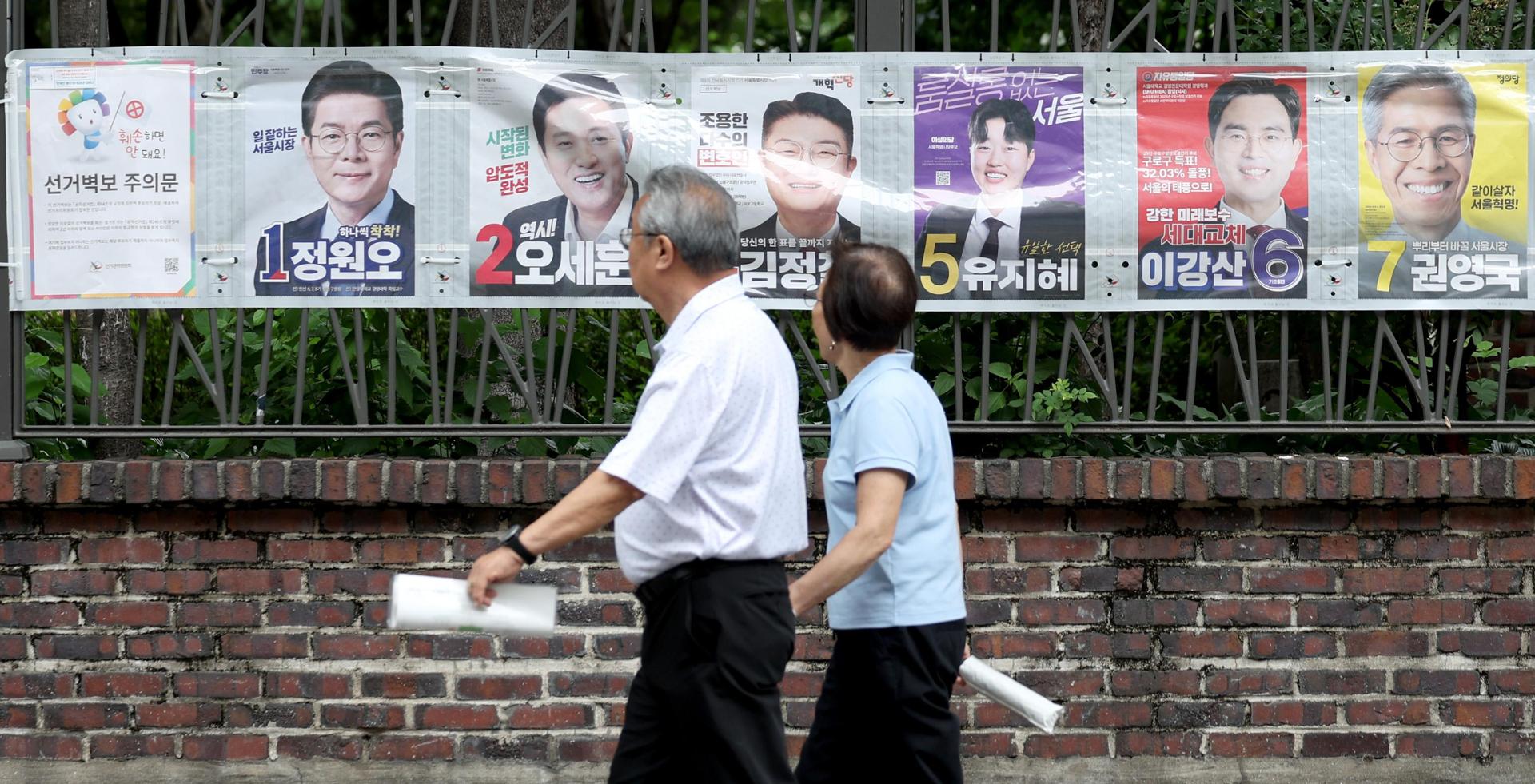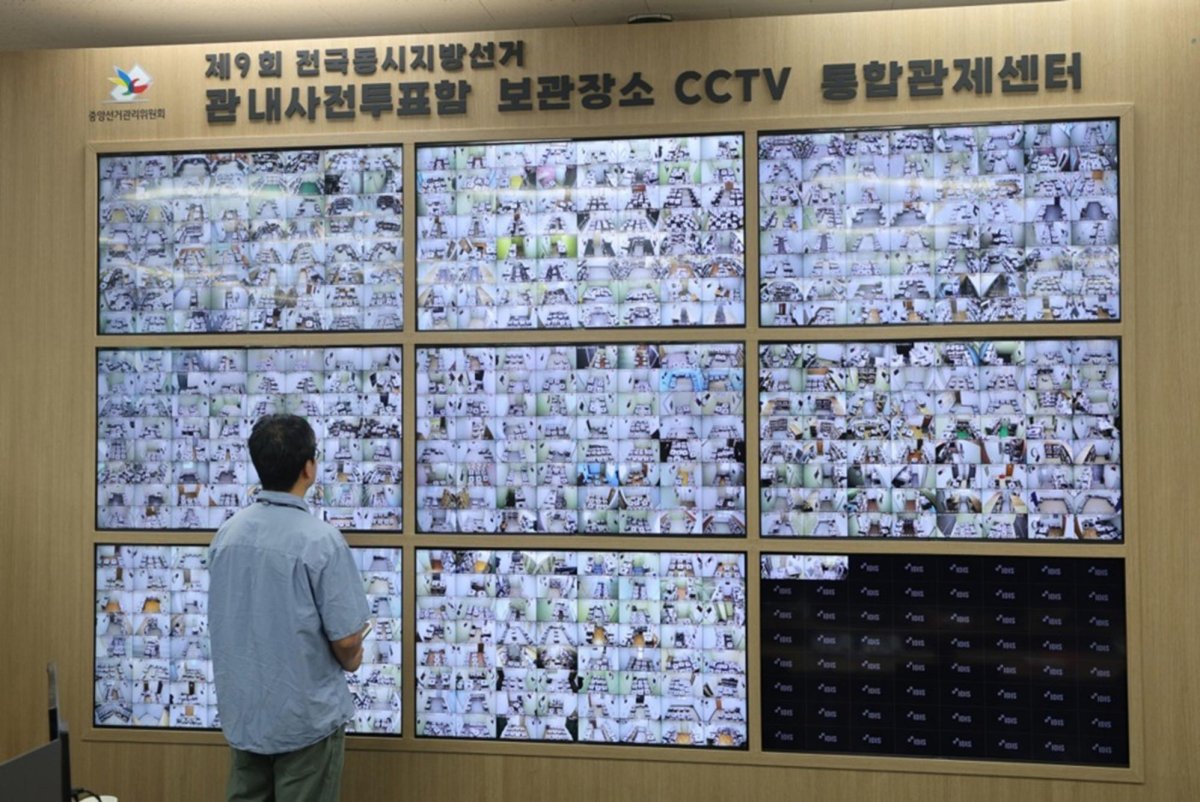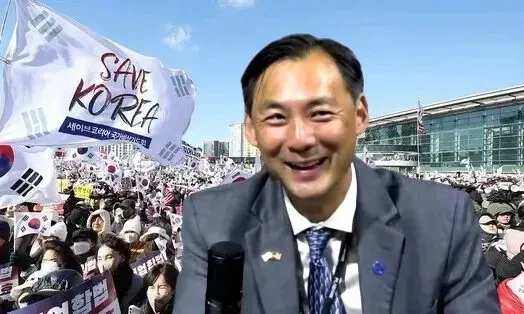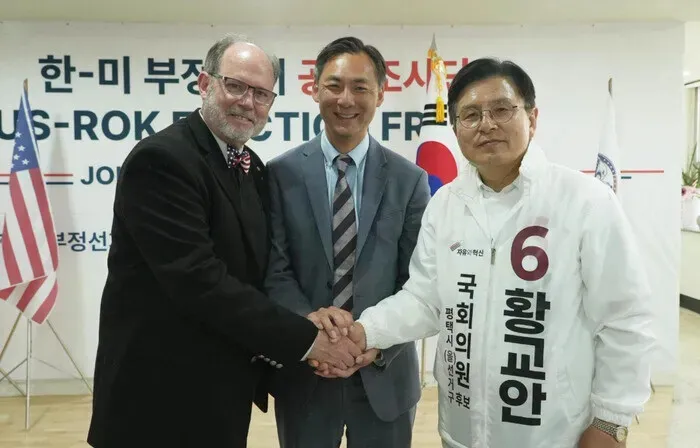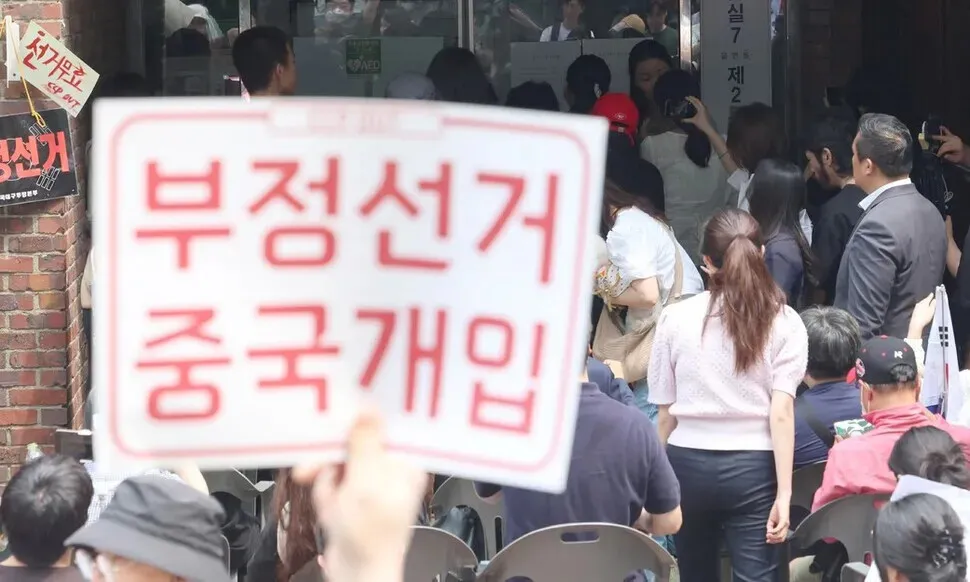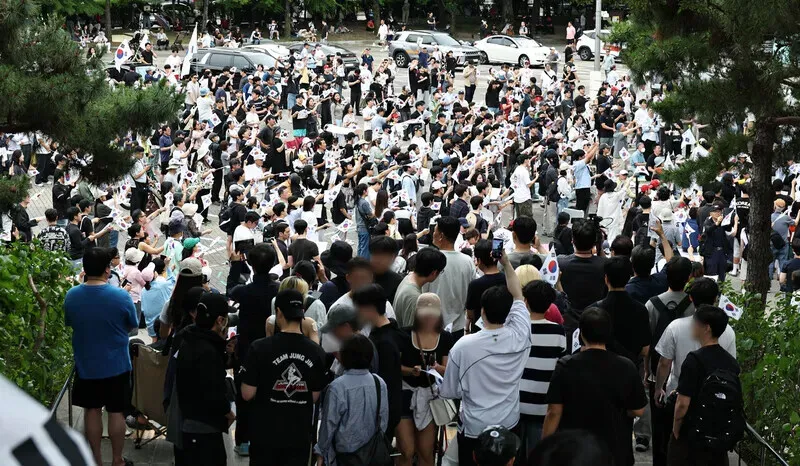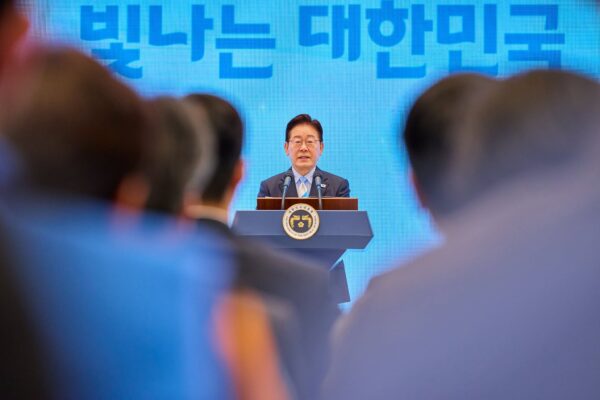
Conspiracy theories about Korea’s election being stolen are spreading like wildfire following the arrival of Morse Tan in Korea. Tan, a former US ambassador at large for global criminal justice, defended former President Yoon Suk-yeol’s abrupt declaration of martial law by propagating claims that he was only looking into supposedly rampant election fraud. Despite being wanted on suspicions of defamation by spreading false information on President Lee Jae Myung, Tan is refusing to comply with police summonses and is instead acting as if nothing is out of the ordinary by meeting with some of the biggest stars on Korea’s far right — Jun Kwang-hoon, pastor of the Sarang Jeil Church, Hwang Kyo-ahn, the leader of the Freedom and Innovation party — and visiting early voting sites in Pyeongtaek, Gyeonggi Province. Upon arriving in South Korea on Thursday, the day before early voting for this week’s local election began, Tan claimed that he was here as part of a self-styled “international election monitoring team” investigating election fraud.His fervent followers, who believe that Korea’s elections have been rigged, are encouraging others via social media to join election fraud monitoring groups. How preposterous is that? Many election monitoring missions were initially concentrated in countries with fragile democratic institutions, including those transitioning from authoritarian rule or civil war, and were often supported by US-based and international organizations.South Korea has long been recognized as a model democracy, so the notion that it requires an international monitoring team is absolutely ridiculous. Furthermore, South Korea’s voting system has been shared as a model case within the international community. The National Election Commission has hosted the Seoul International Forum on Elections annually since 2015, and the International Institute for Democracy and Electoral Assistance (International IDEA) highlights this forum as a platform to “advance election systems and democracy around the world.” This proves that South Korea is a democratic state that has shared its election management expertise with the international community. Tan is also completely ignoring South Korea’s judicial sovereignty. According to the Public Official Election Act, only observers who have been reported by a political party (or candidate) are eligible to monitor for vote-rigging, meaning non-citizens are unable to become observers. What gives Tan, a foreigner with an American passport, the right to monitor Korea’s election? The only explanation is that he wants to rally far-right supporters of the Yoon Again movement. Tan is refusing to accept police summonses, resorting to filing challenges against the judge and other measures. Under the Criminal Procedure Act, if the criminal suspect refuses to acquiesce to the investigative authorities’ summons without good cause, it is possible for the suspect to be arrested with a warrant. The police must take firm legal action against Tan, who is blatantly disregarding South Korean law. The judiciary’s ruling on election fraud conspiracy theories is already clear. The Supreme Court has consistently rejected all election-related lawsuits filed to date, basing its decisions on concrete evidence and legal principles. The court has ruled that claims of stolen elections are clearly false. Repeatedly espousing election fraud theories that have already been rejected by the Supreme Court every election season constitutes a criminal act that interferes with the electoral process. The government must put its foot down on the election fraud misinformation that has proliferated following Tan’s arrival in South Korea.
[Editorial] Election fraud conspiracy theorists are the real threats to Korea’s democracy
Those claiming to monitor Korea for vote rigging are the ones interfering in elections and undermining trust in the electoral process
551 words~3 min read