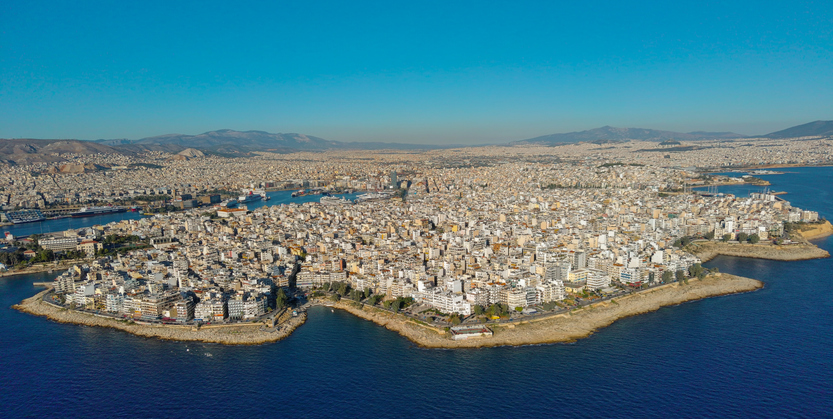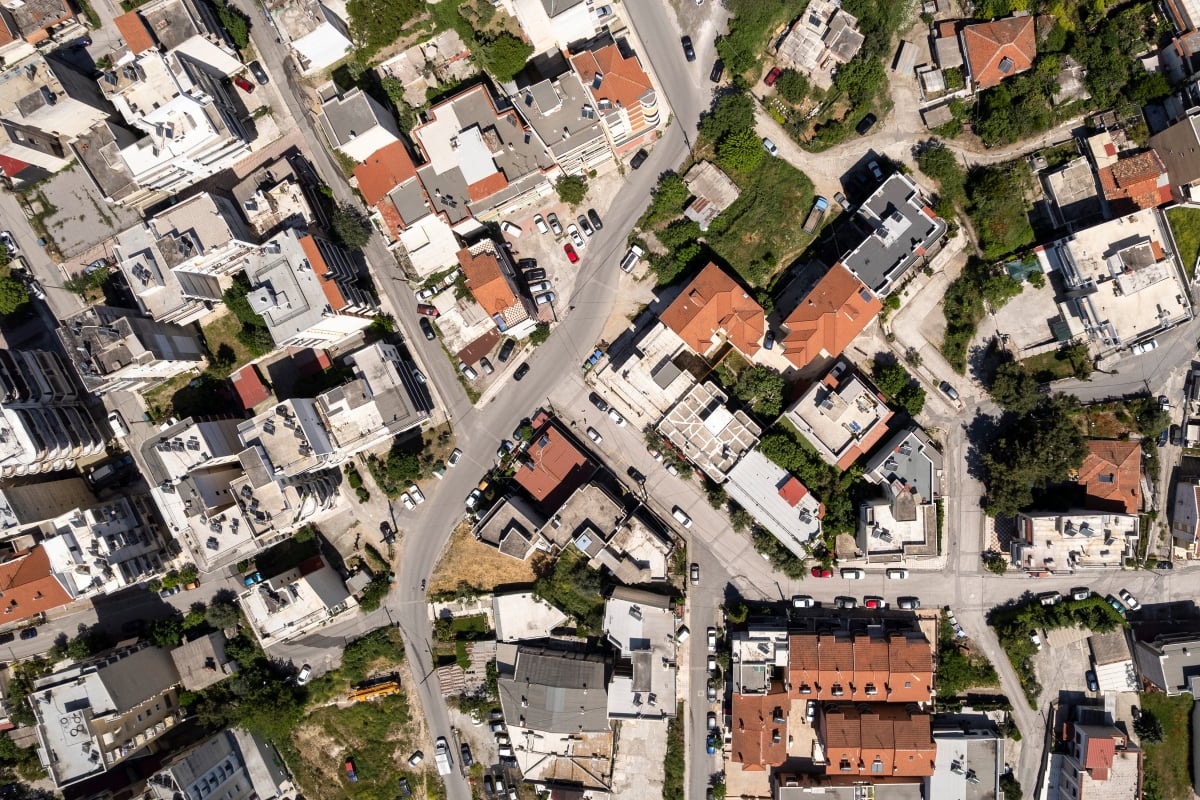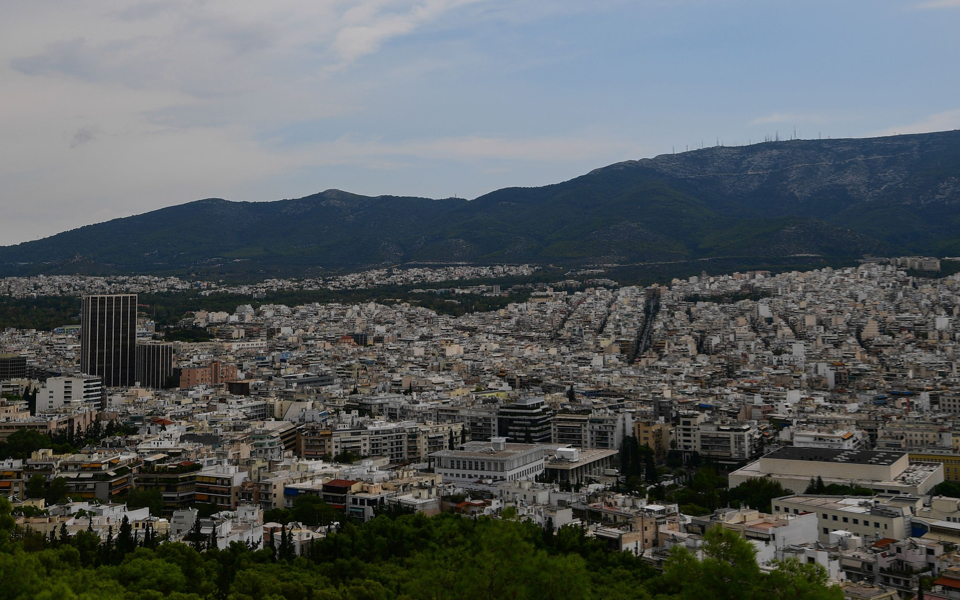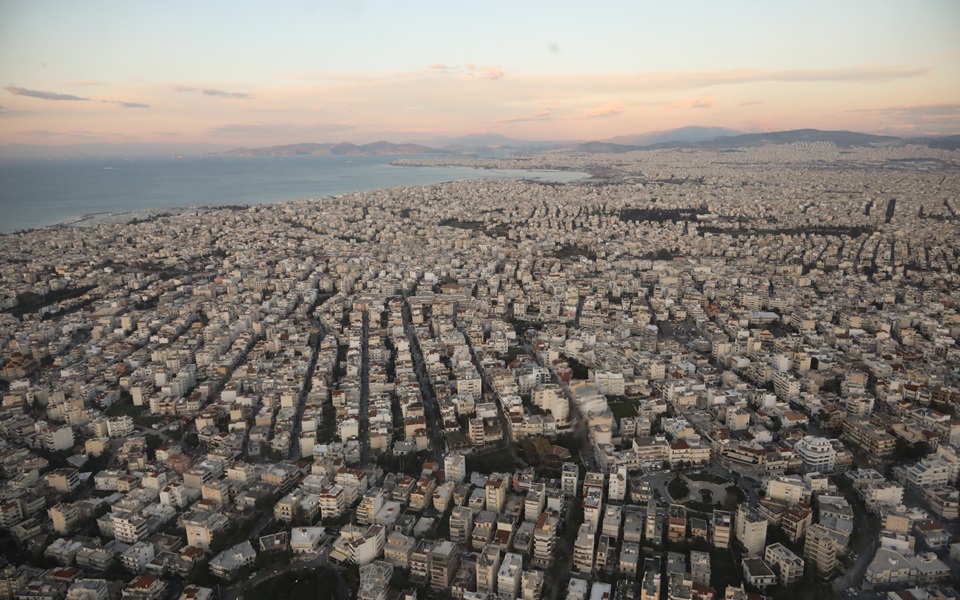
The housing market is suffocating from disproportionately high purchase and rental costs compared to wages, despite the abundant housing stock, notes the International Monetary Fund. In a report on the housing market it focuses on this Greek paradox, identifying four reasons behind the housing crisis.
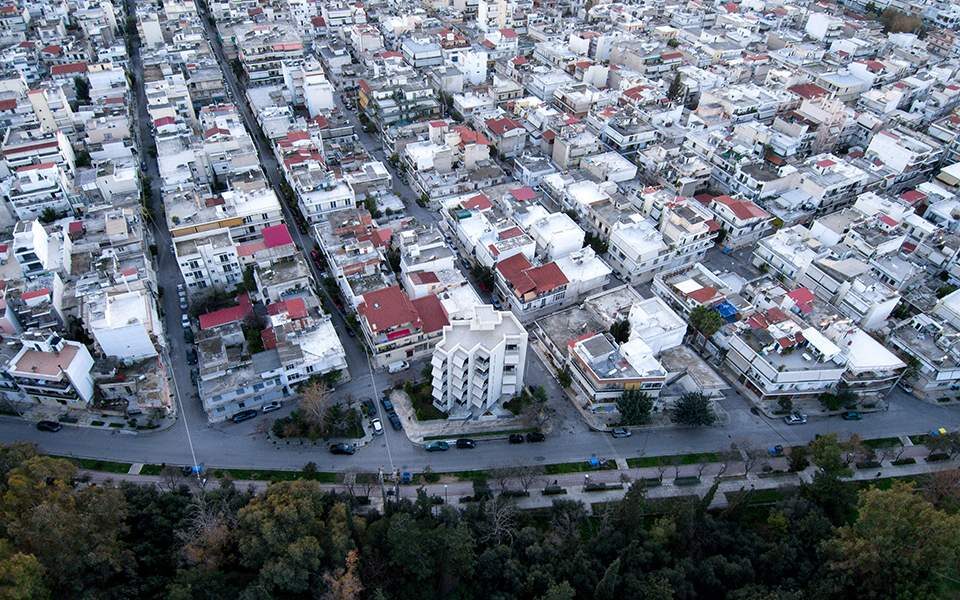
First, demand is concentrated in cities, mainly Athens, but also in smaller houses. Since 2017, demand for housing has increased rapidly, driven by foreign investors and the Greek diaspora, while domestic demand – mainly from high-income households – has remained mild.
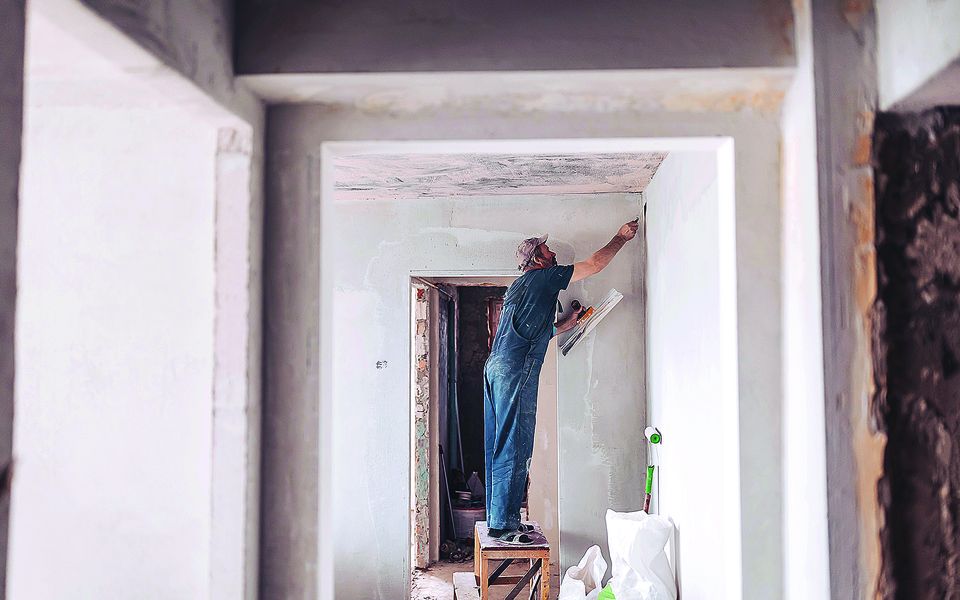
Second, there is a low utilization and inefficient distribution of available housing. A large share of houses are old, of low energy class and probably unsuitable for immediate use, while others remain closed due to the high cost of settling urban planning and legal issues.
A third reason for the market imbalances is competition from short-term rentals. The IMF confirms these accommodations, which have increased rapidly in recent years, contribute to local real estate supply pressures. Higher purchase and rental prices are observed in areas with a strong presence of short-term rental accommodations, especially where the rate of owner-occupancy is low.