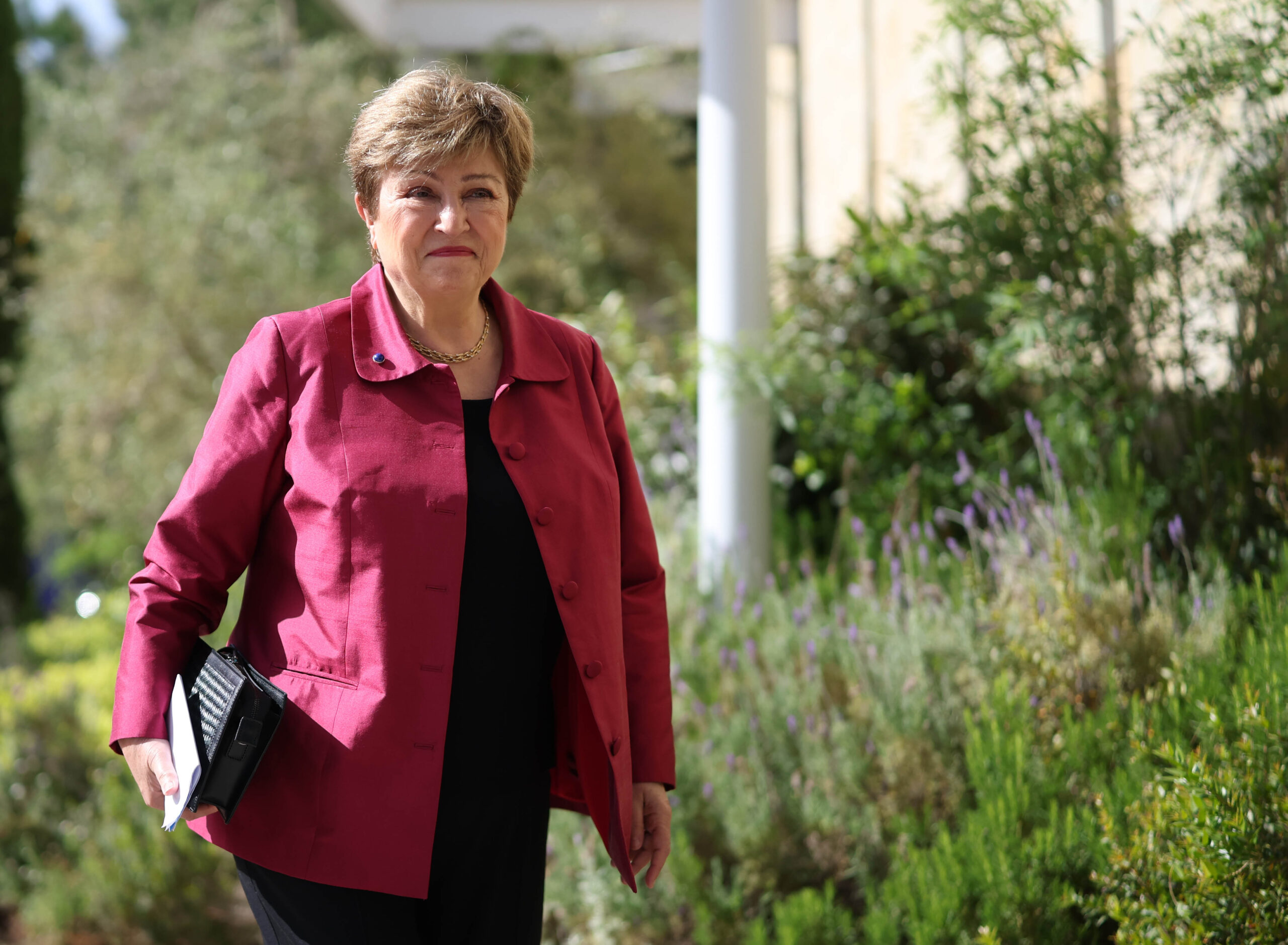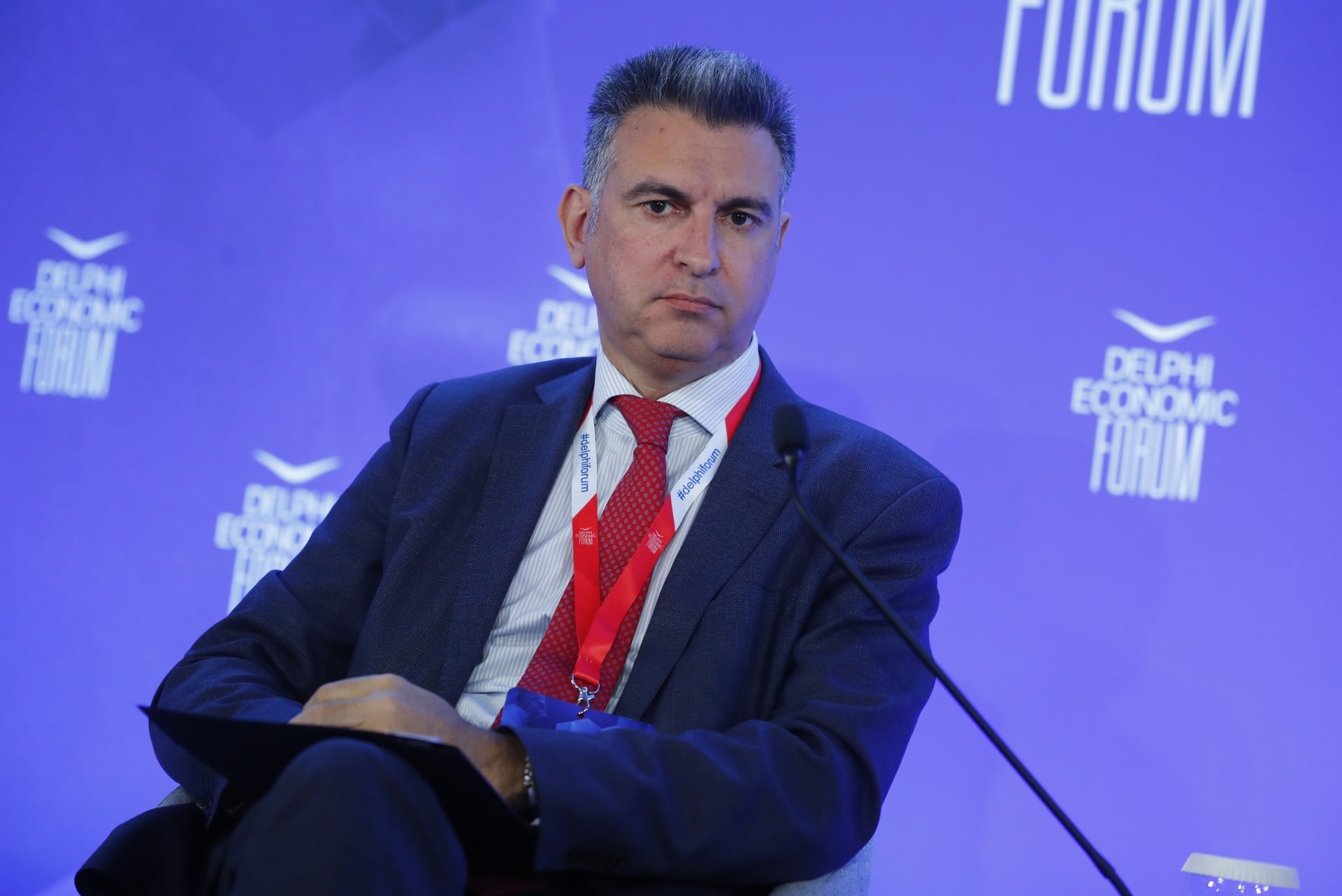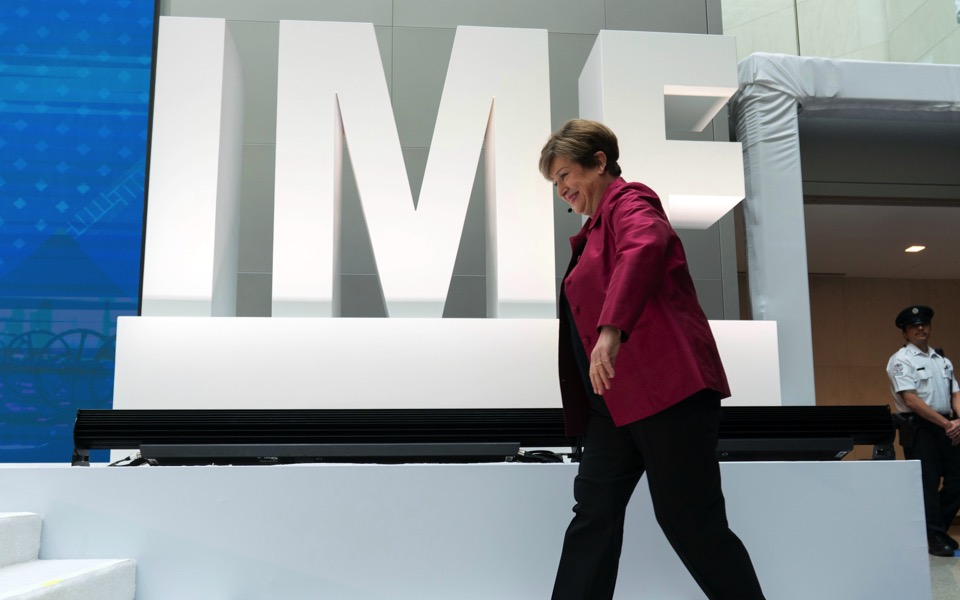
Greece is “in a much better position to weather shocks without relying on external financial assistance,” the managing director of the International Monetary Fund, Kristalina Georgieva, said during a recent visit to the country for the Europe-Gulf Forum.
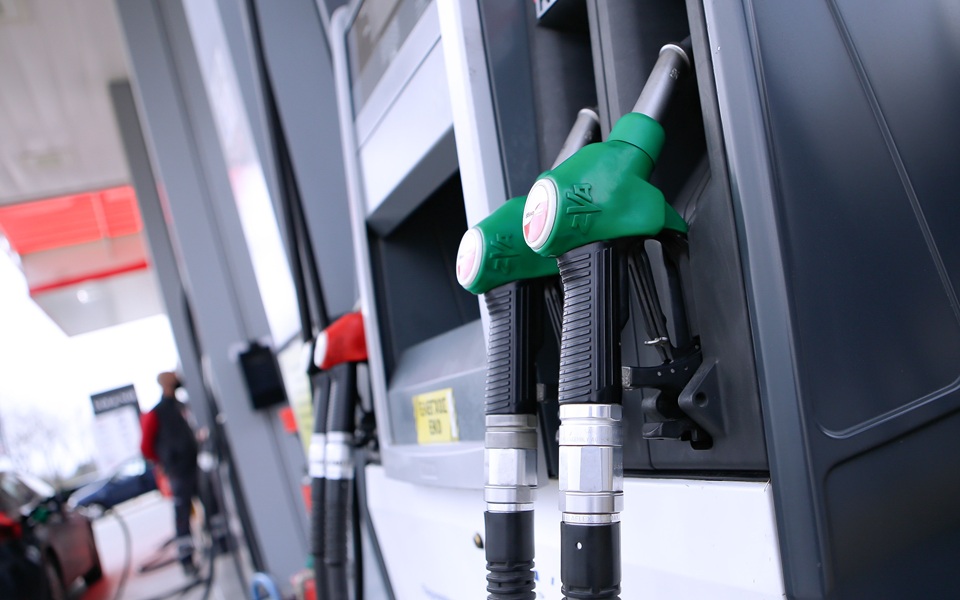
Speaking to Kathimerini, the IMF chief warns of the risks of a prolonged energy crisis, calling for targeted rather than across-the-board interventions. At the same time, she describes Greece as one of the best-performing economies in Europe.
You have warned that if the Iran war continues into 2027, the global economy could face a prolonged slowdown. With global debt already exceeding 93% of gross domestic product, do you foresee a new crisis? Are there sufficient safeguards in place to contain the impact of the shock?
The global economy has shown remarkable resilience in recent years. It is tested yet again by the war in the Middle East, this time in a context of high debt and exhausted fiscal buffers in many countries. Indeed, the legacy of multiple recent shocks, including the Covid pandemic, the war in Ukraine and last year’s trade tensions, is pushing public debt up toward 100%, and interest payments are rising. This means countries have much less room than they had previously to absorb the impacts of the current negative energy supply shock.