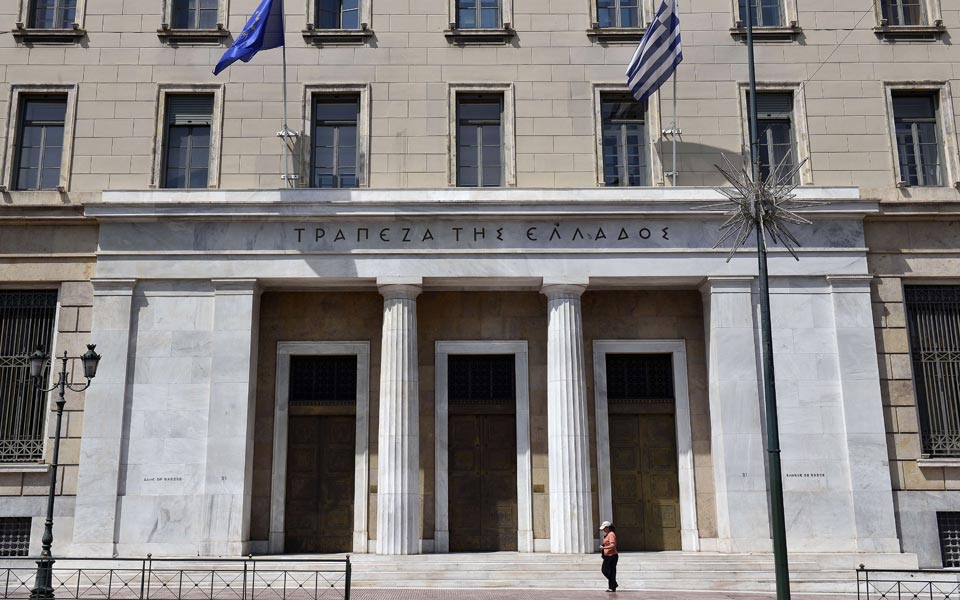
Though in some ways unique, Greece’s experience offers a profoundly valuable and widely-applicable lesson, according to an International Monetary Fund report entitled “How Tax Administration Supported Greece’s Economic Recovery.”
“Sustained effort-grounded in good governance, careful sequencing, and investment in people-can turn crisis response into lasting institutional strength,” the report underlined.
It added: “Today, it is one of only five European Union countries running a primary budget surplus. This is a striking reversal that underscores how far its public finances have come. The shift reflects, in no small part, a transformed tax administration that has steadily closed compliance gaps and rebuilt fiscal credibility-one of the quiet engines behind Greece’s broader economic recovery. This is a striking reversal that underscores how far its public finances have come. The shift reflects, in no small part, a transformed tax administration that has steadily closed compliance gaps and rebuilt fiscal credibility-one of the quiet engines behind Greece’s broader economic recovery.”
“The IMF’s latest annual health check of the Greek economy (the Article IV consultation) finds that the country is well positioned to cope with external shocks, including those stemming from the war in the Middle East. This reflects strengthened fiscal sustainability and financial stability. The primary surplus rose to nearly 5% of GDP in 2024-25, while the public debt-to-GDP ratio has fallen by about 65 percentage points from its 2020 peak. Financing conditions improved in parallel, with sovereign spreads returning to levels last seen before the 2008 global financial crisis.”