Soaring rents and mortages are undermining the social fabric of member states. A coming Brussels plan for affordable housing must be bold
A
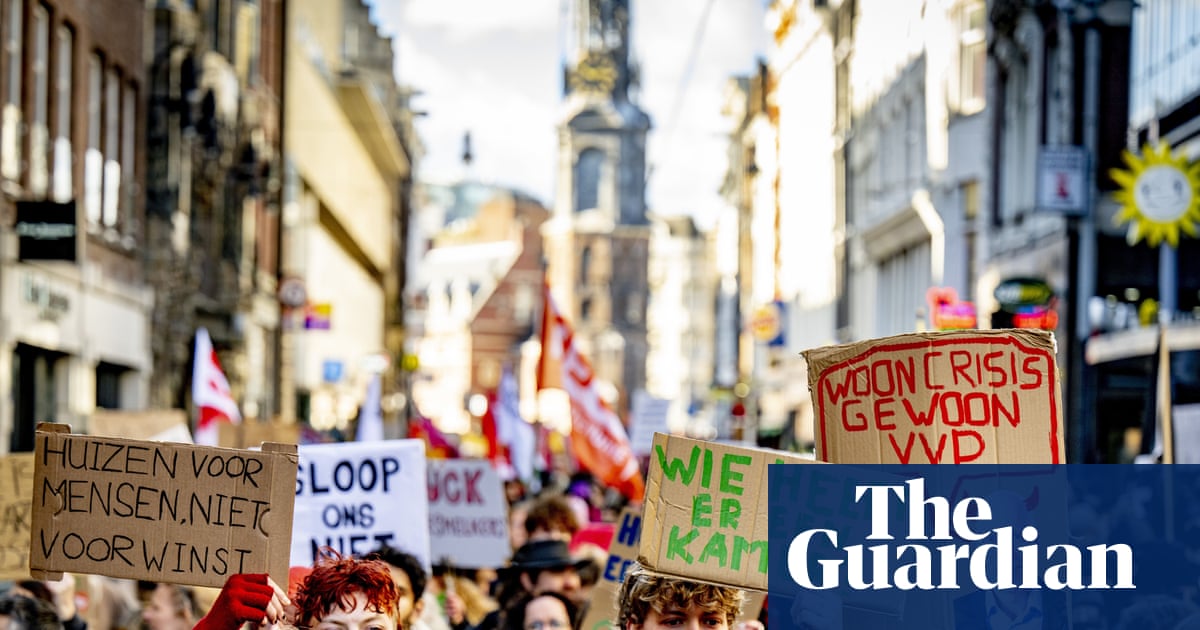
n entrenched housing crisis was one of the dominant themes in last week’s Dutch election, and it is not hard to understand why. House prices in the Netherlands have doubled in the past decade, and a new-build home costs 16 times the average salary. Across the EU, affordability is not just a life-limiting problem in notoriously expensive property markets such as Lisbon, Madrid or Dublin. Speculative investment and a chronic supply shortage have also led to soaring prices in emerging areas where bigger, faster returns are attainable.
Belatedly, this pan-European pattern is to be addressed by a Europe-wide response. Socialist MEPs made action on housing a condition of their continued support for the two-term European Commission president, Ursula von der Leyen. Next month, Brussels will publish its first affordable housing plan, which will target the destructive growth of the Airbnb-style rental market and aim to make it easier for governments to subsidise the building of new homes.
That plan needs to be bold. As the first-ever EU housing commissioner, Dan Jørgensen, noted in an interview with this newspaper last month, spiralling house prices and rents constitute a modern social crisis. The inability of societies to provide a decent home for first-time buyers making their way in life, and the pricing out of key workers from areas where they contribute every day to the common good, breaches the social contract in the most basic way. Politically, the issue has become a recruiting sergeant for the anti-immigrant far right, as asylum seekers and migrants are scapegoated over a shortage which is in reality a market failure.