T
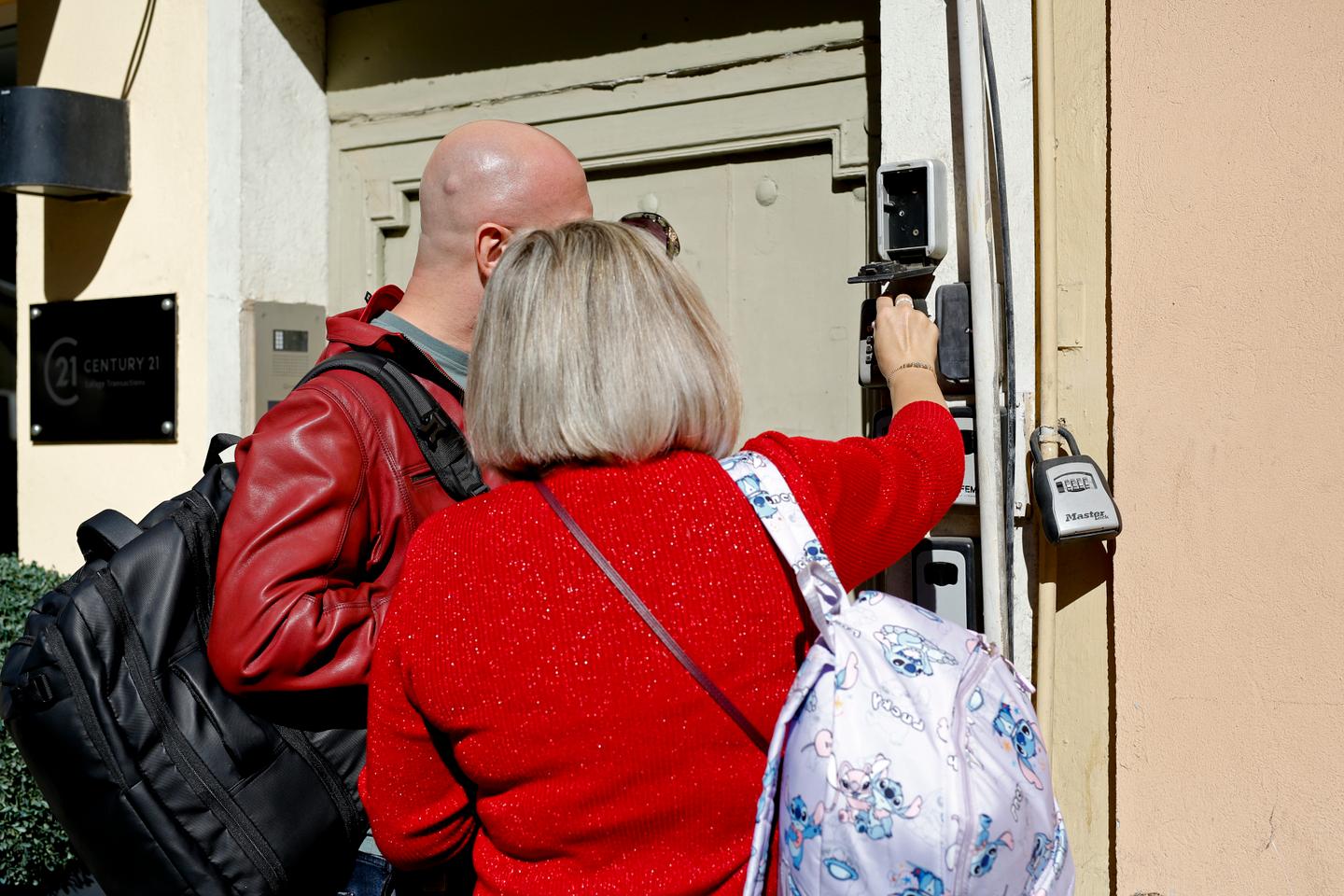
he difficulty of finding affordable housing, a major concern for the French, stems from multiple factors: a shortage of land and social housing, a gap between income and rent increases, prohibitive prices, cumbersome administrative procedures, vacant properties, and more. But this deep crisis, with its obvious political ramifications, has also been fueled by the massive removal of housing stock by online short-term rental platforms in recent years.
In this sector, the American multinational Airbnb, with $11 billion (€9.5 billion) in revenue and $2.6 billion in net profit in 2024, has managed to secure the lion's share in France, its second-largest market after the United States. The impact on the real estate sector has been considerable.
In the greater Paris area, 30% of properties listed on its platform are used exclusively for short-term accommodation, depriving would-be tenants of rental opportunities. In central Nice, 70% of furnished apartments are owned by investors. The impact has also been significant in terms of tourist saturation, the decline of affordable shops in certain city centers, and the social fabric of buildings frayed by the comings and goings of transient occupants.