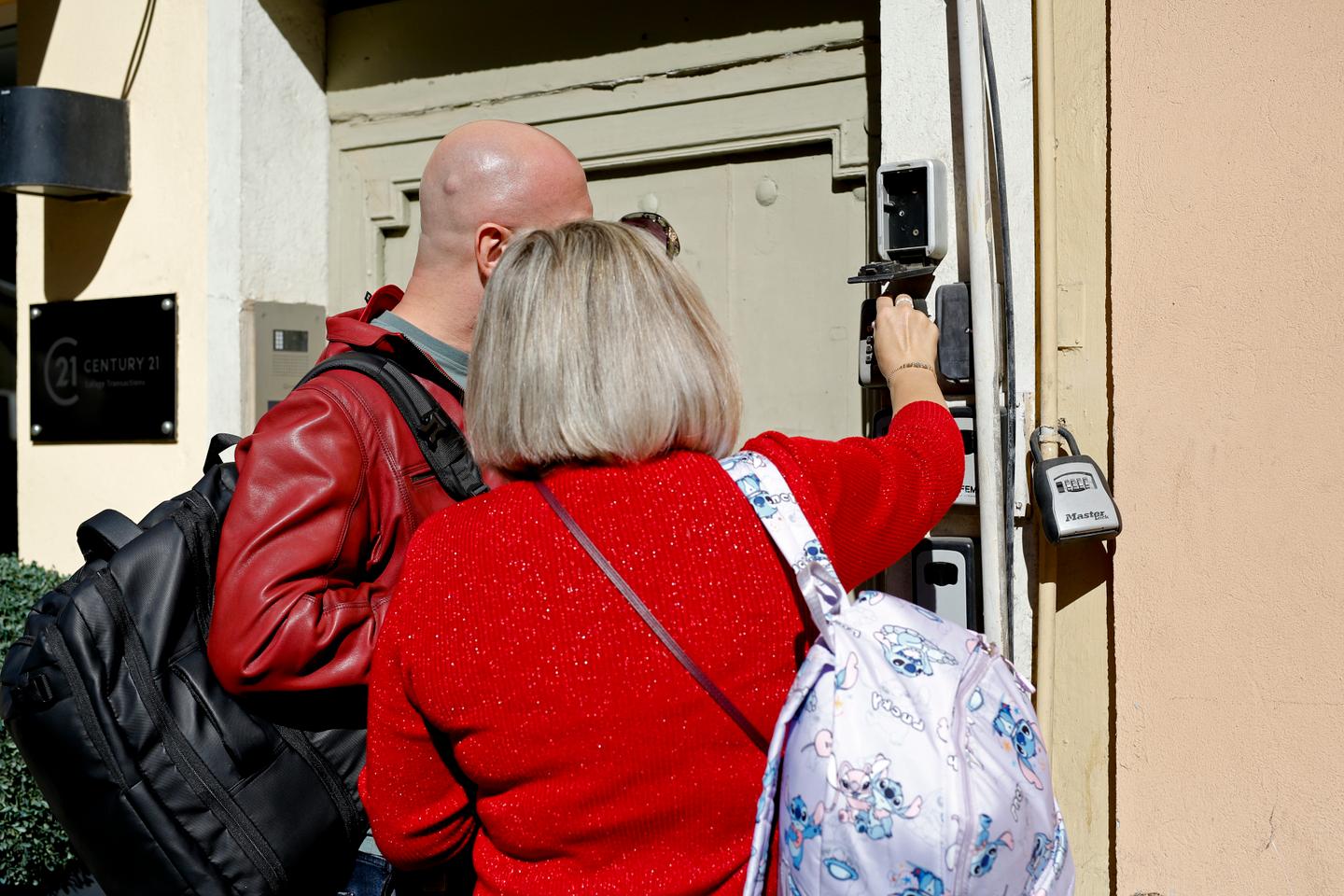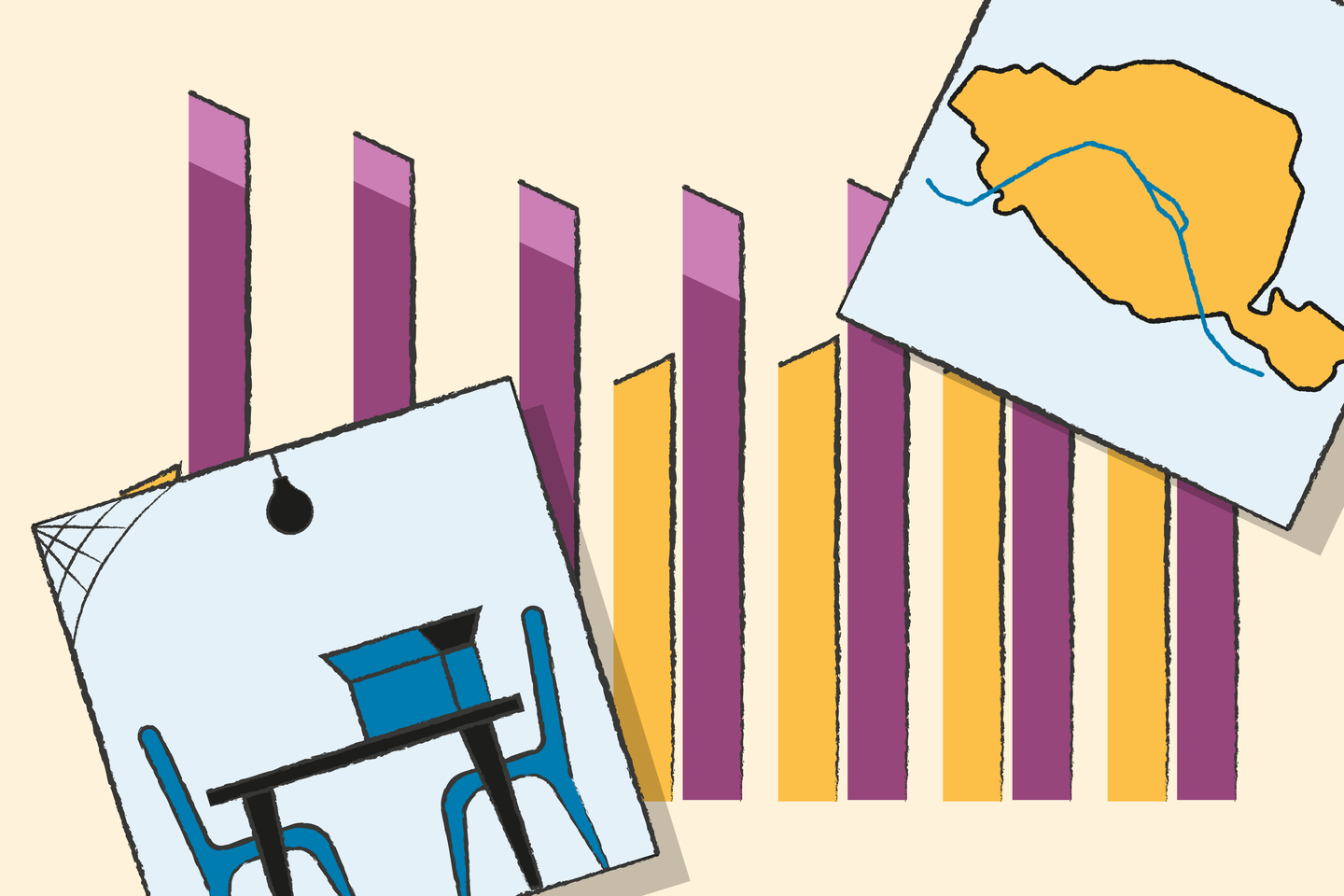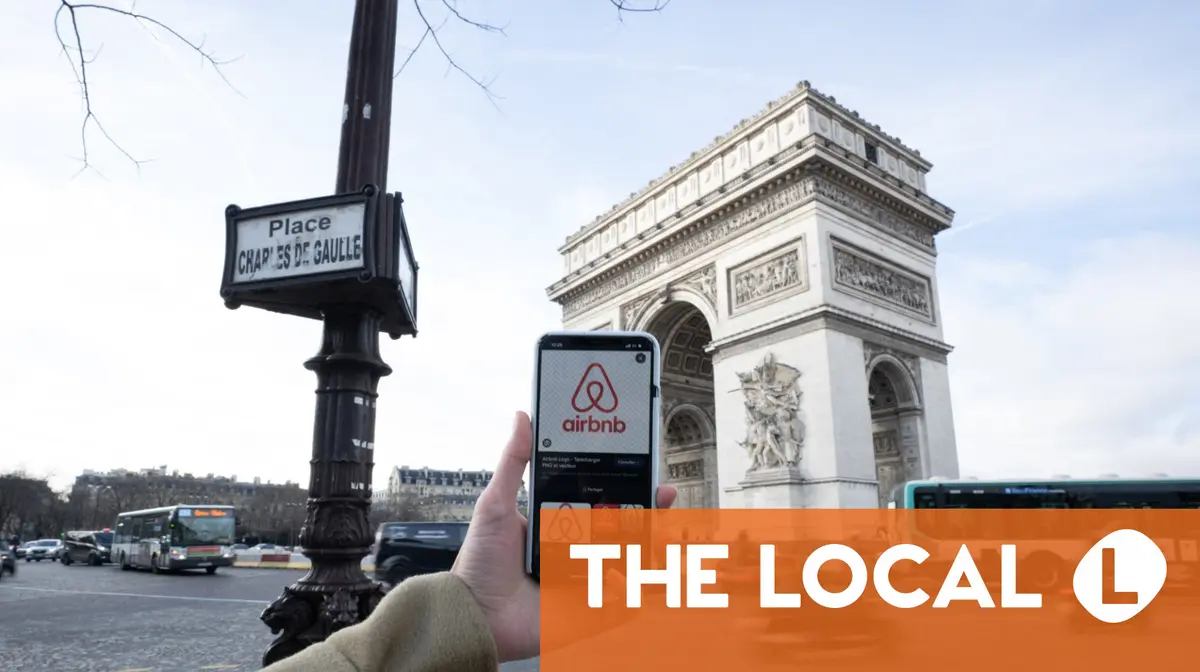
Between 2018 and 2025, the number of properties available for short-term rental soared by 40% in Paris: There are about 60,000 "active" listings in the capital, according to data from consulting firm AirDNA. According to Jeanne Richon, a doctoral student at the University of Paris-Est Créteil, who recently completed a thesis on short-term furnished rentals in Greater Paris, this system is directly linked to the housing crisis in this area.
The Airbnb phenomenon has had significant economic and cultural consequences in France. Can you explain this?
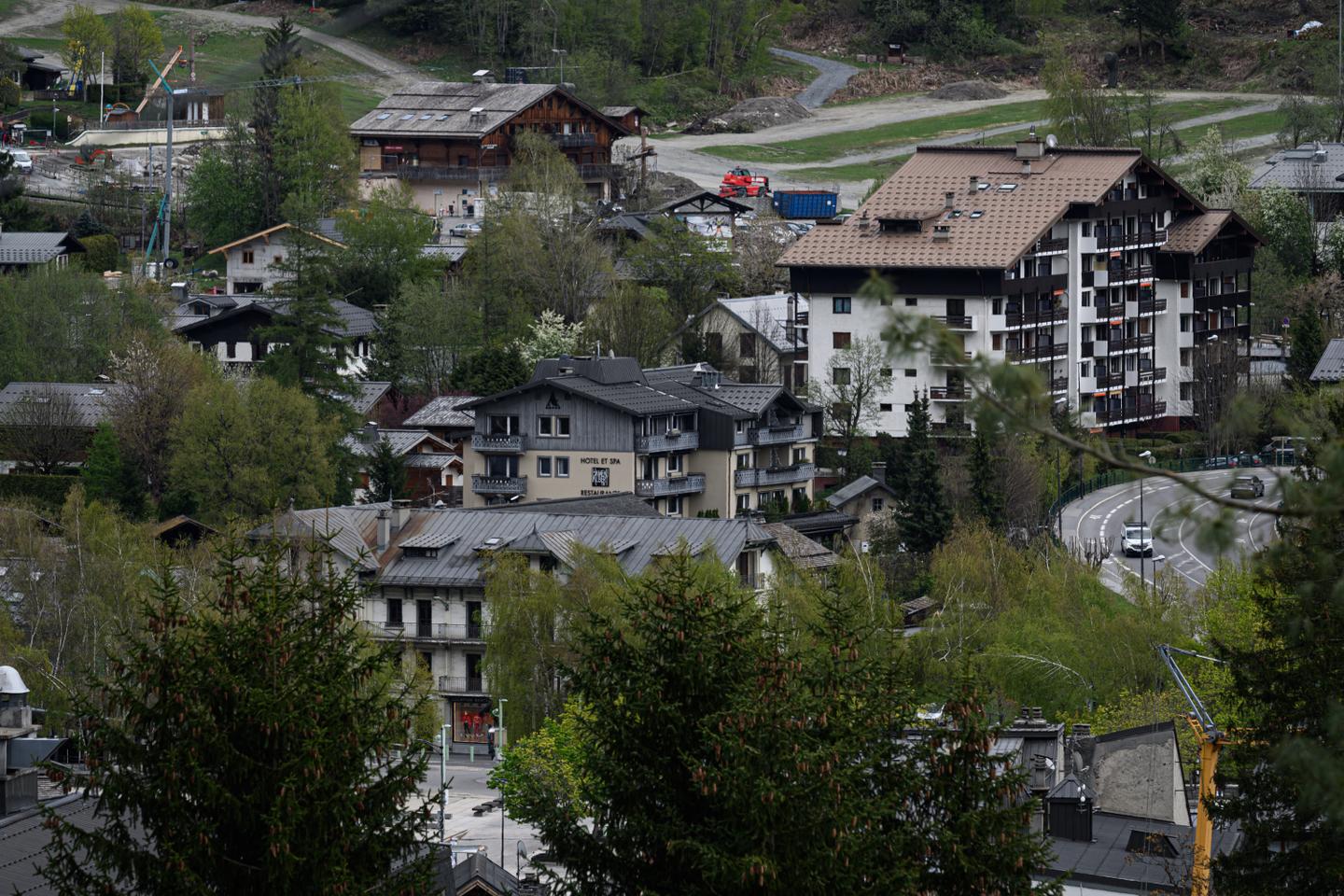
The platform enabled the entire short-term rental sector to develop rapidly and substantially. Thousands of property owners have discovered its benefits: It is a highly profitable, flexible system, with strong demand in numerous locations. Its mass adoption has changed our relationship with real estate. Airbnb encouraged many people to invest in this sector. Many households also realized they could maintain or consider getting a second home because they could rent it out easily. In short, the "Airbnb culture" made dual residence viable for a segment of the population, a phenomenon amplified by remote work and easy access to credit. The spread of Airbnb has also shaped the idea that everything can be monetized: People feel they lose money if they do not rent out their home while on vacation elsewhere. It's a logic of constant optimization.