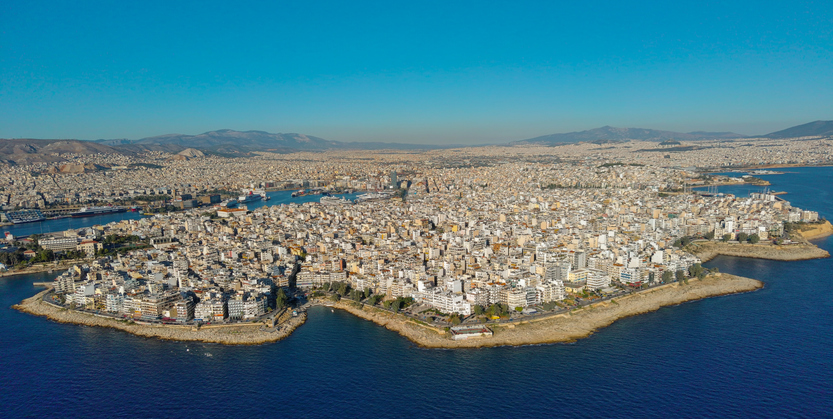
Ageing apartment blocks and fragmented ownership are complicating efforts to tackle energy poverty in Greek municipality Piraeus
A €5.3 billion housing and energy plan announced by the Greek government, intended to help vulnerable households cut energy costs and accelerate the country’s green transition, may not be enough to unlock renovations at scale, argue researchers.
Funded through the EU Social Climate Fund and expected to begin implementation within the year, the package includes support for home renovations, heat pumps, solar water heaters and social housing, targeting around 1.5 million households.
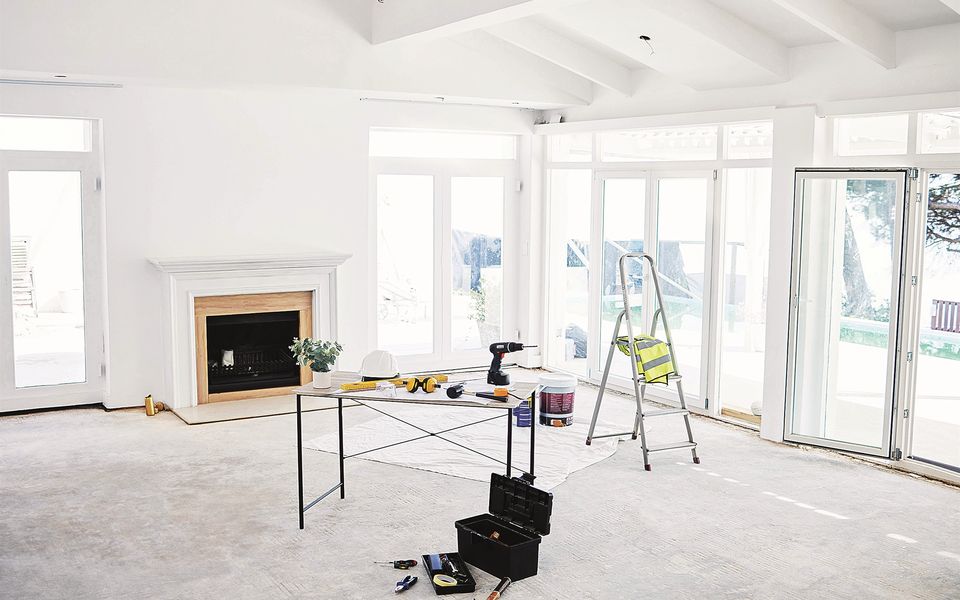
A central pillar of the Greek plan is the expansion of “Exoikonomo” renovation schemes, which will subsidise insulation works, window replacements and other efficiency upgrades.
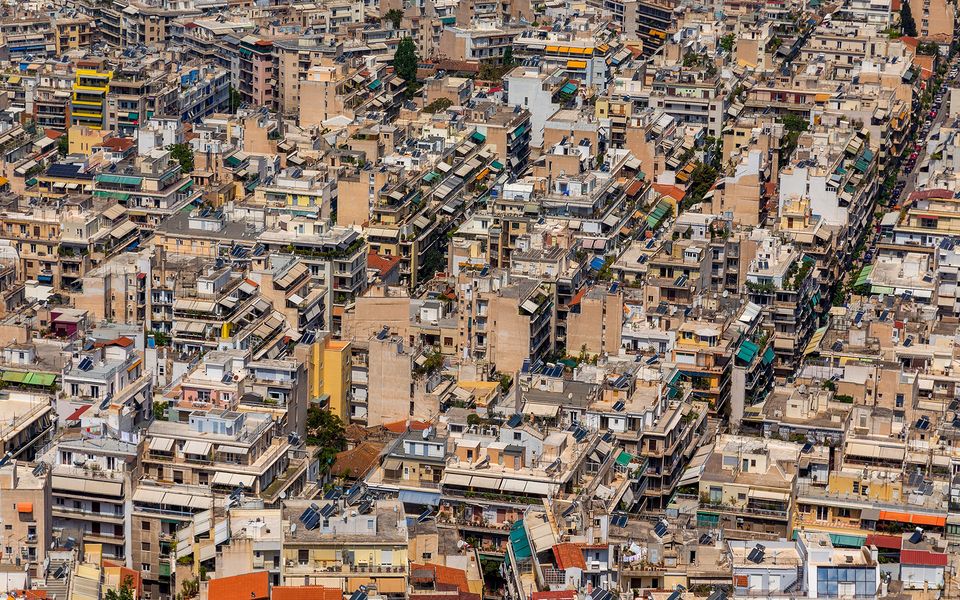
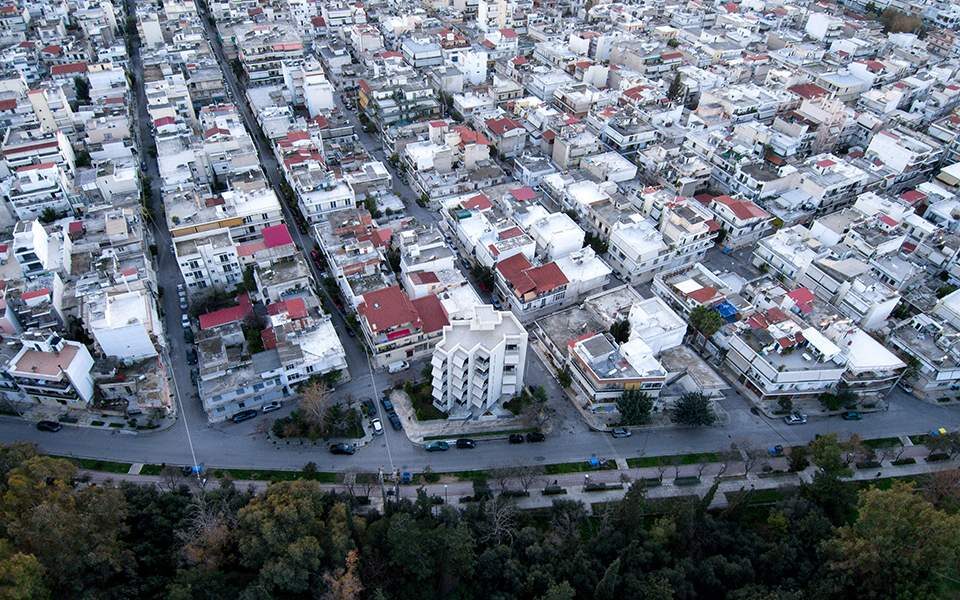
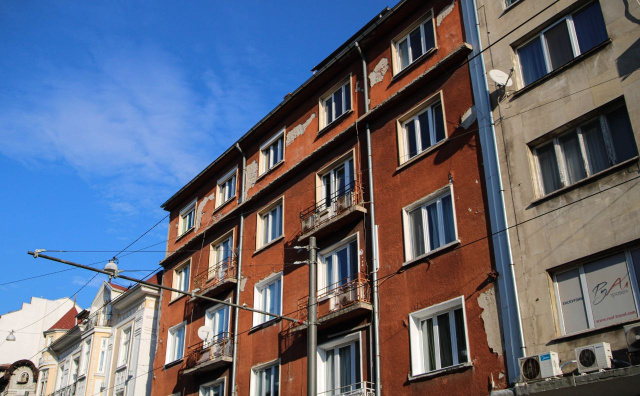
Yet findings from the EU-funded LOCATEE project suggest that tackling energy poverty in apartment-heavy cities such as Piraeus requires more than funding alone. Ageing buildings, fragmented ownership and weak building-level governance continue to slow renovation efforts, even where financial support exists.