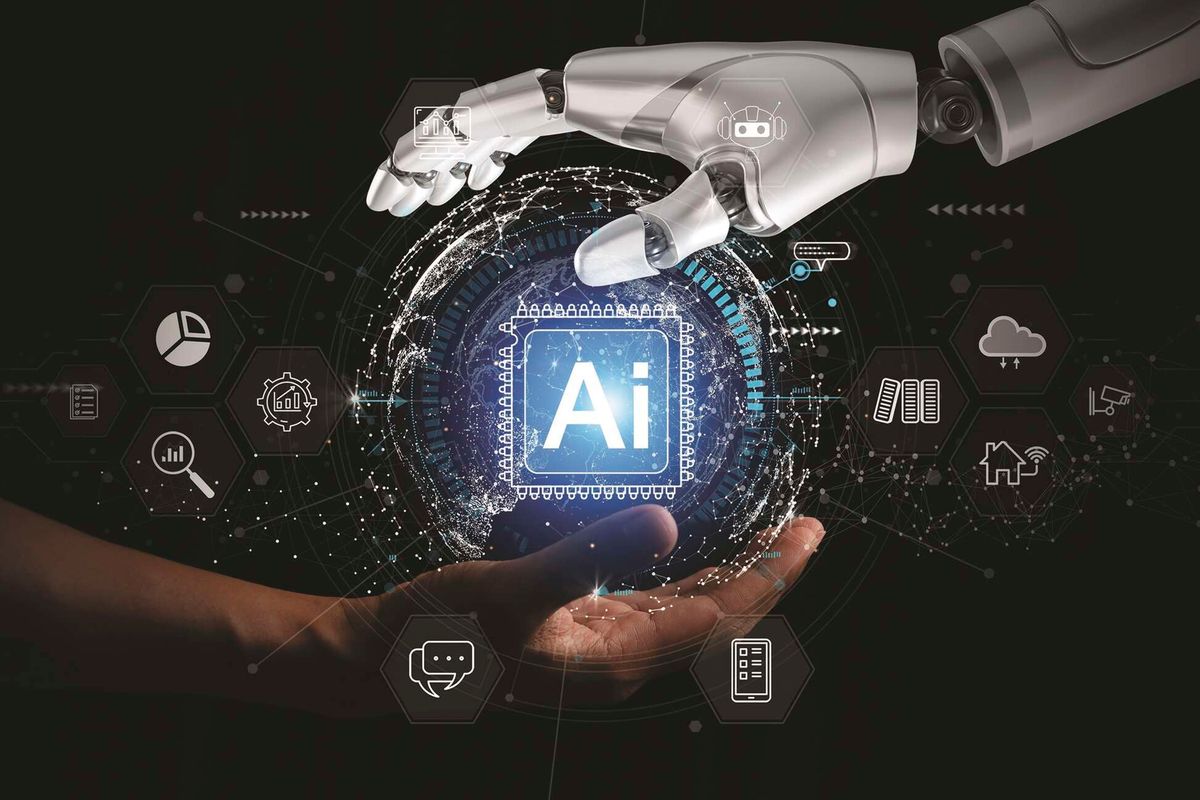
For some, artificial intelligence and its related components represent a boon for the human community. A tool of unimaginable power that will finally enable us to control almost every aspect of our lives — even death and the afterlife. For others, it evokes a sense of impending doom.“Don’t worry about it,” say the enthusiasts. People said that about the lightbulb, and the telephone, and computers, too. Don’t be a Luddite. And anyway, look around. Humanity survived.Well yes, say those who look on with some trepidation. Human nature always reasserts itself.
But we seem to have deconstructed that, too. We have come to a place where we are not even sure human nature is a real thing. What happens when we decide to leave the real world behind?
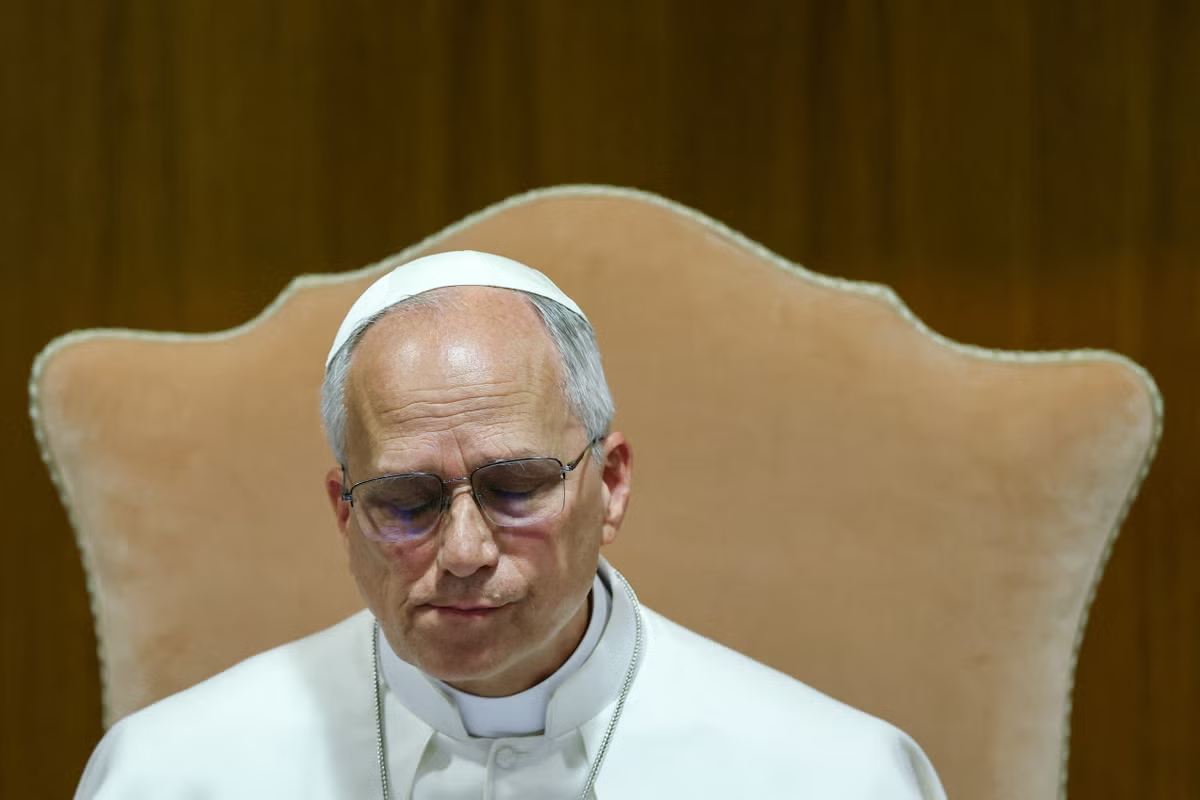
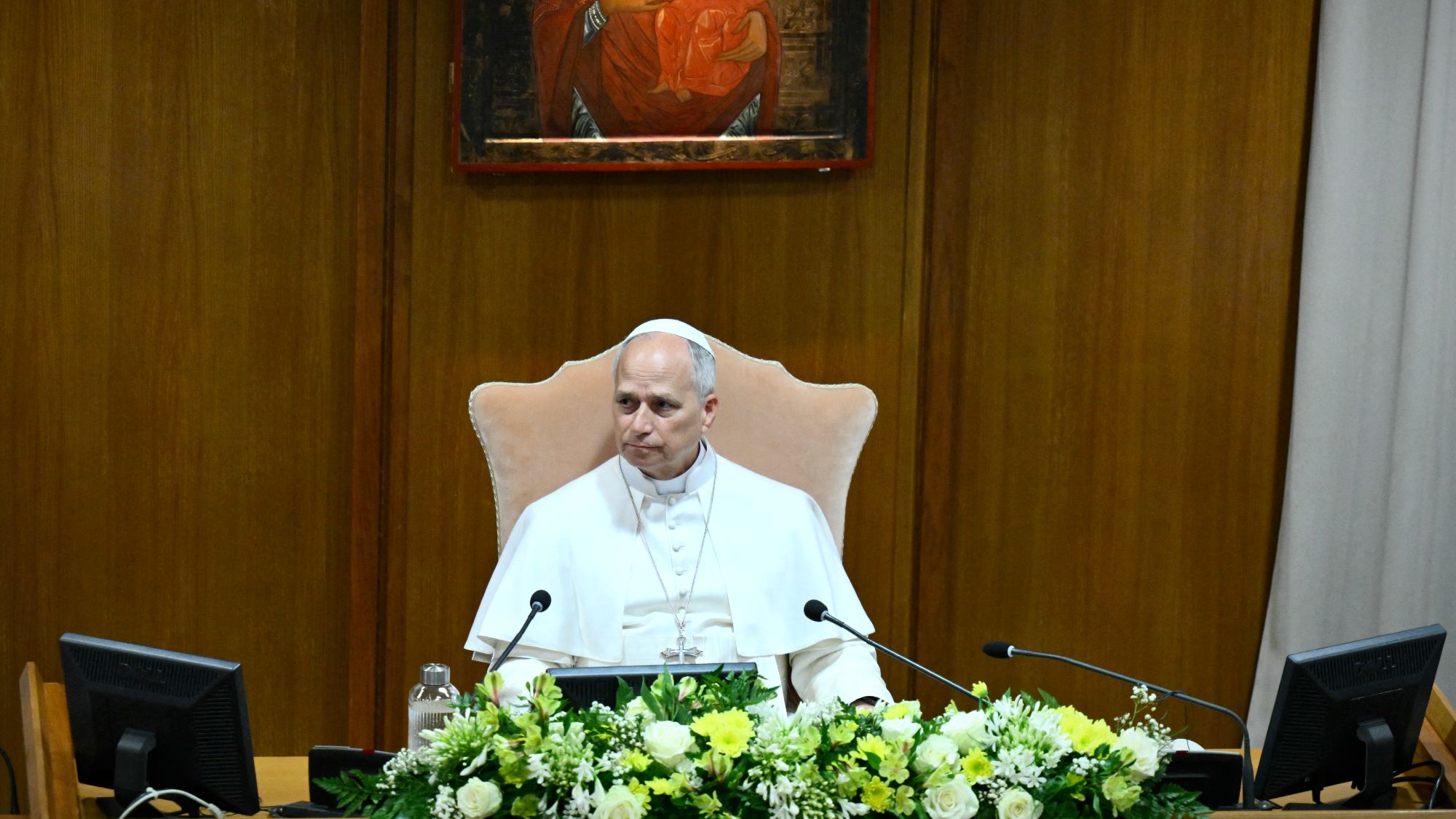
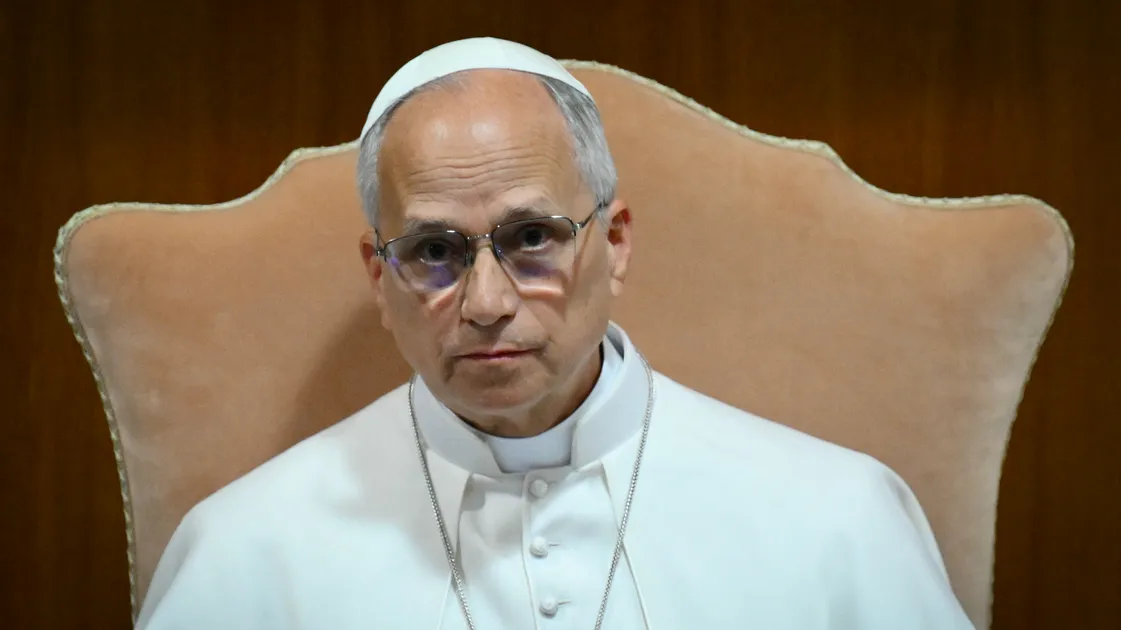
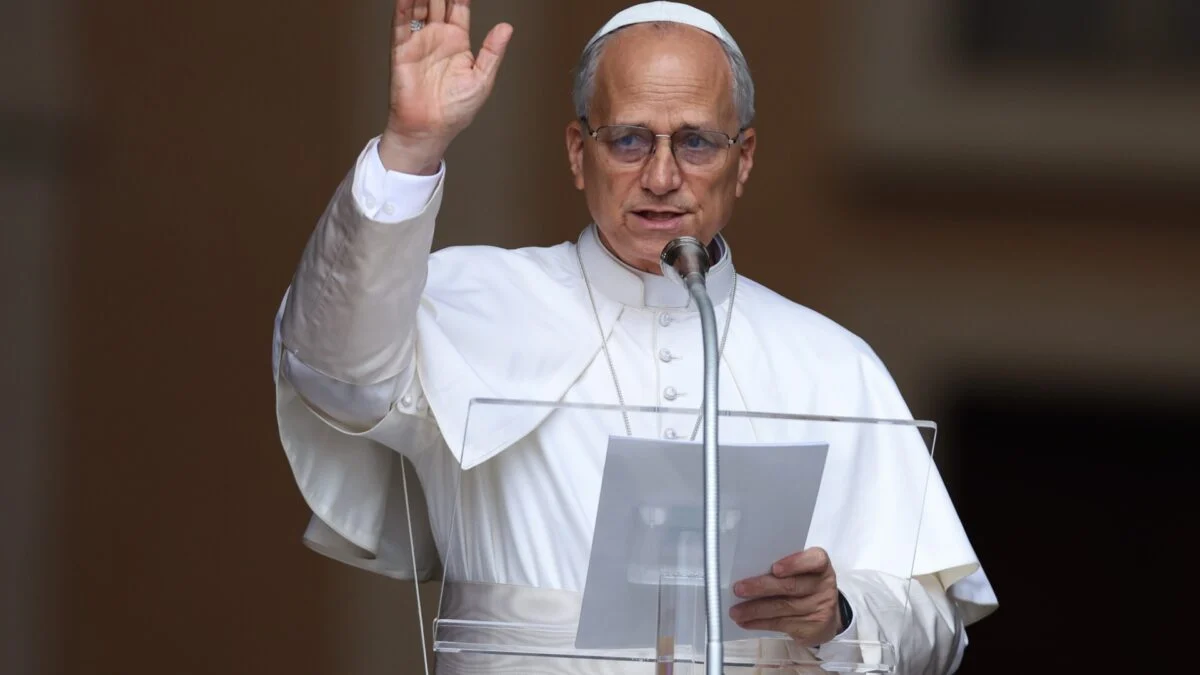
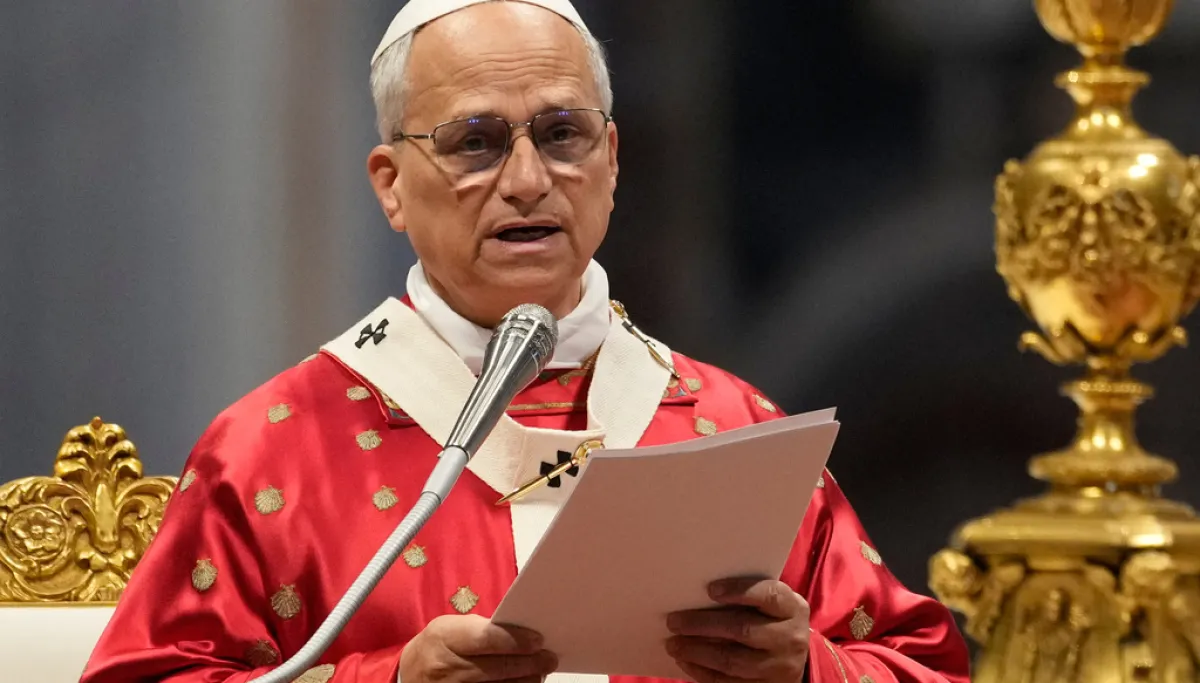
Perhaps these conflicting views account for why there was real anticipation when word got out that Pope Leo XIV planned to publish an encyclical on the matter, not only among those in the Catholic community. The first American pope was going to weigh in on an issue of significance to just about everyone.
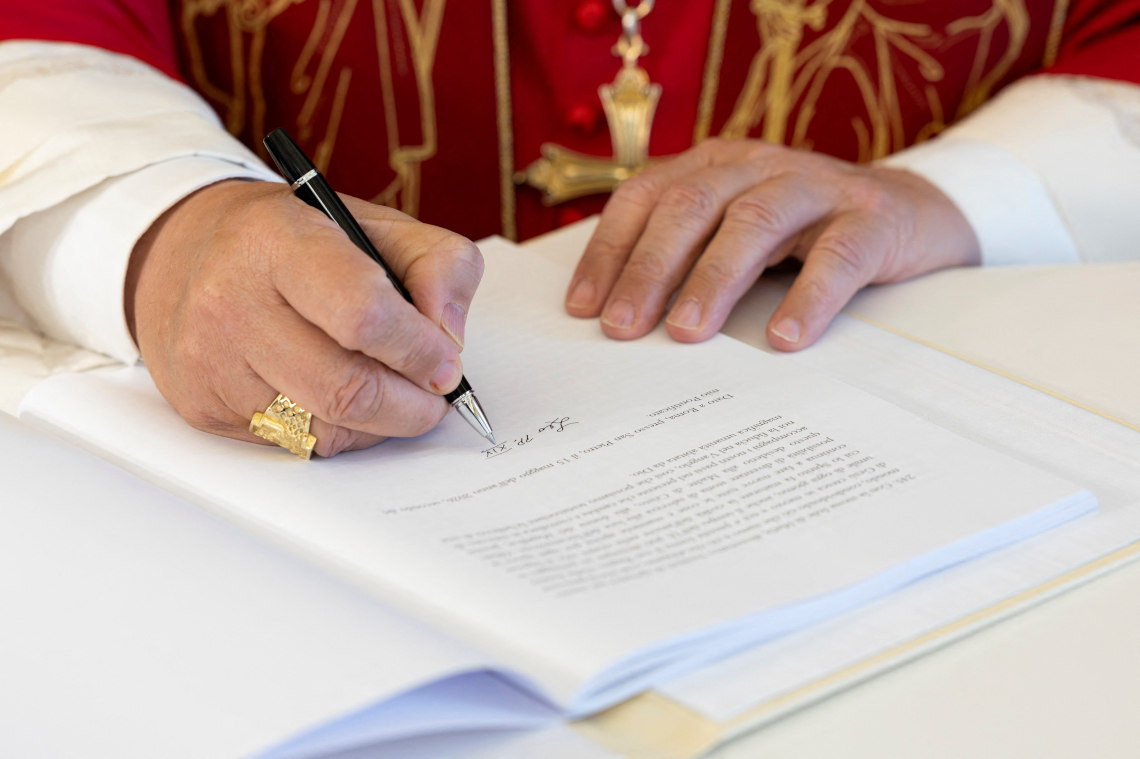
With the promulgation of Magnifica Humanitas on the 135th anniversary of Pope Leo XIII’s landmark encyclical in 1891, Rerum Novarum, Pope Leo XIV follows the trajectory established by his namesake and the practice of every pope since. But what distinguishes his particular contribution to the papal social tradition? Like Pope Leo XIII’s encyclical, which was a response to the excesses and perils of the industrial Revolution and a profound defense of the dignity of labor, Magnifica Humanitas is a response to the Digital Revolution and the advent of AI — a pending crisis with the potential to impact society at a similar scale.