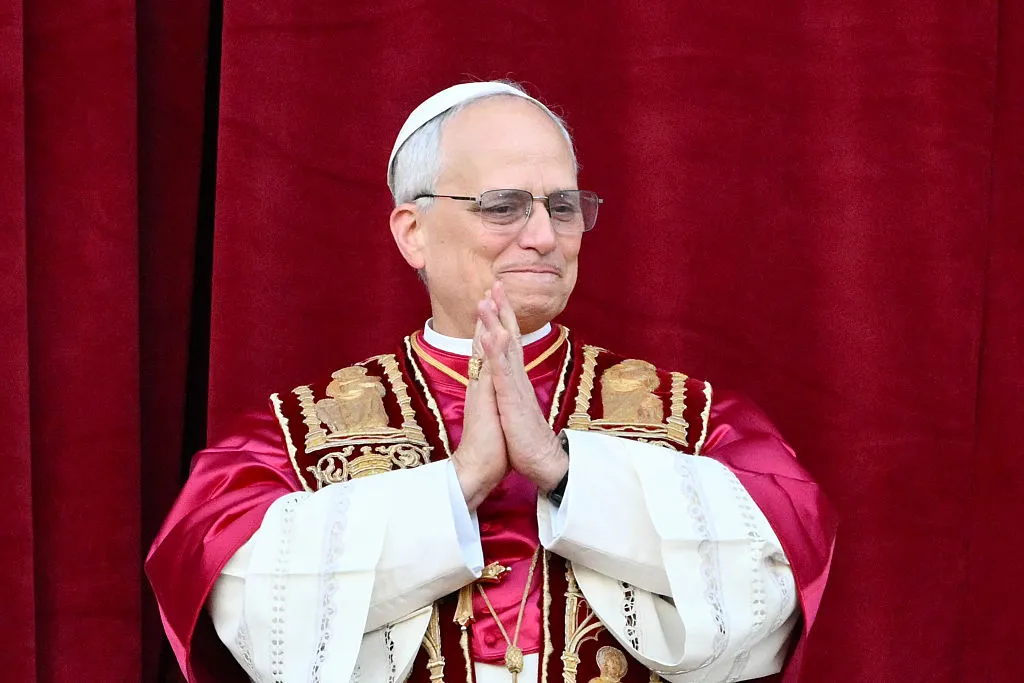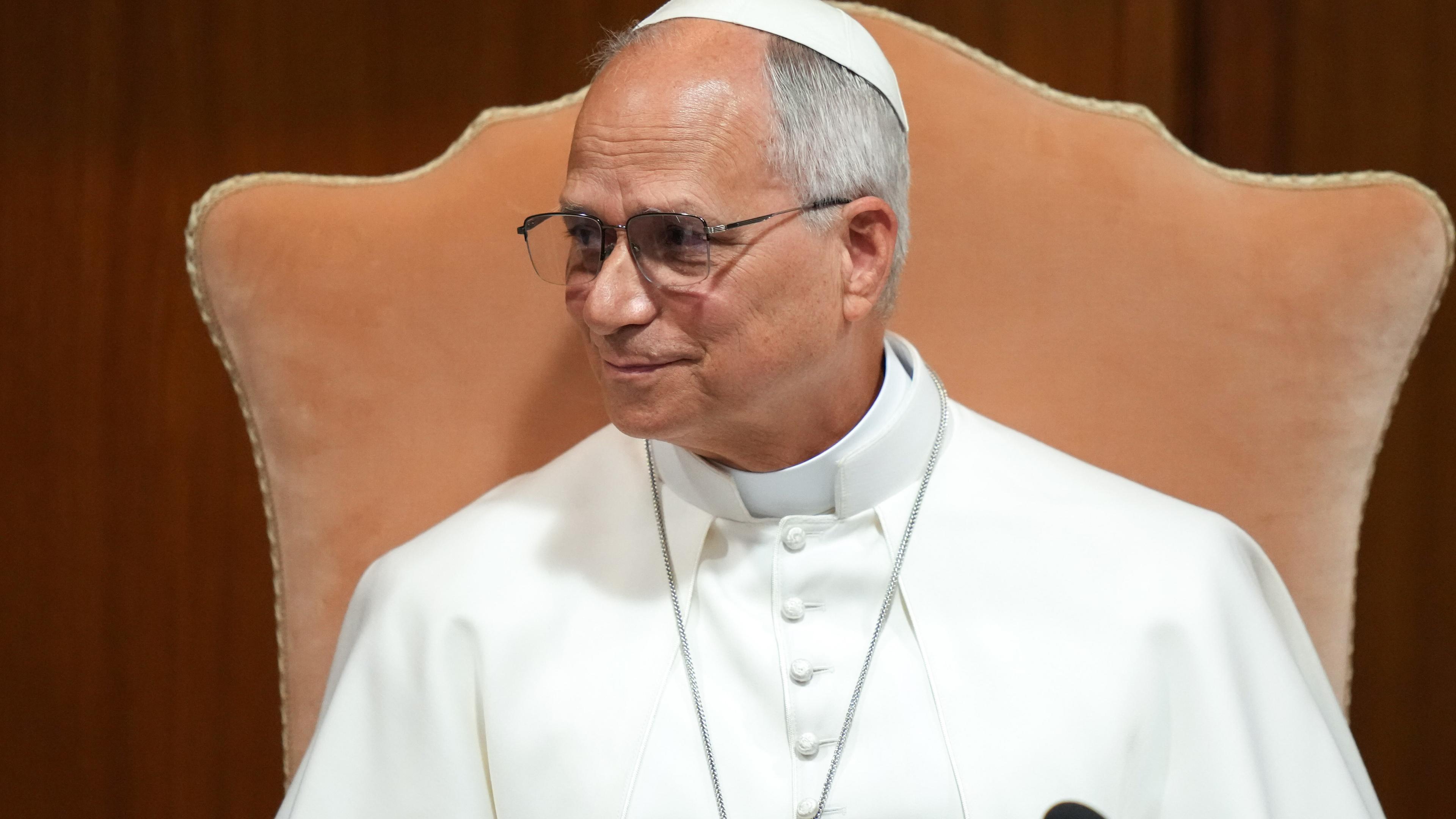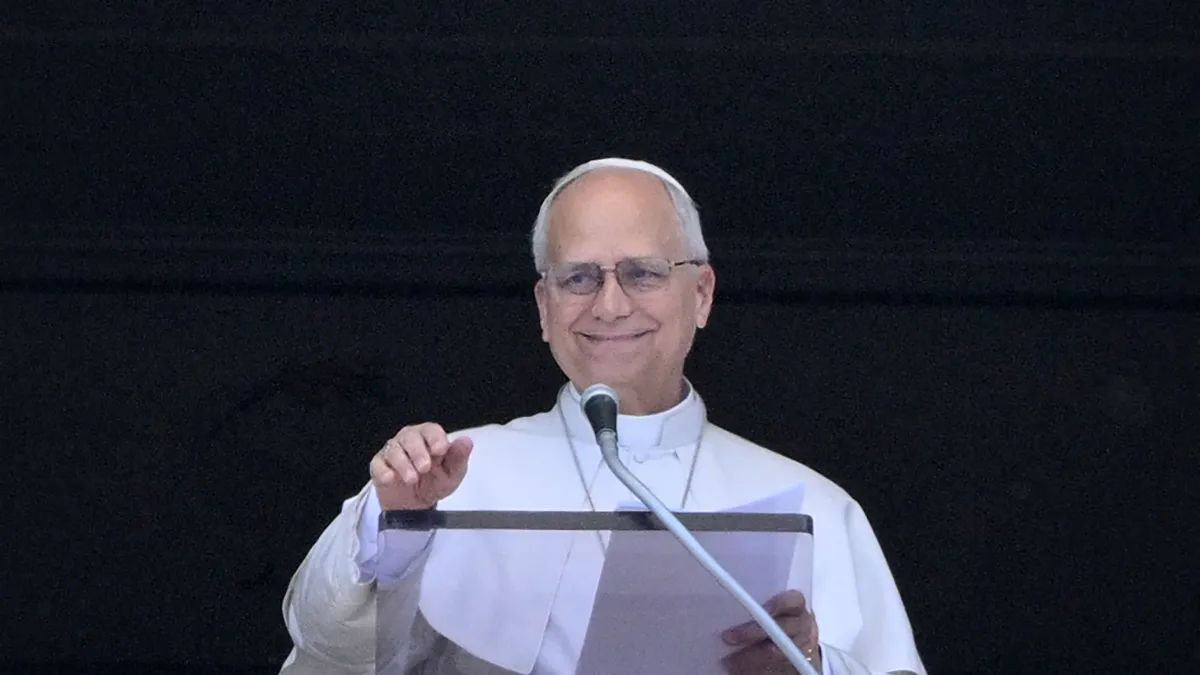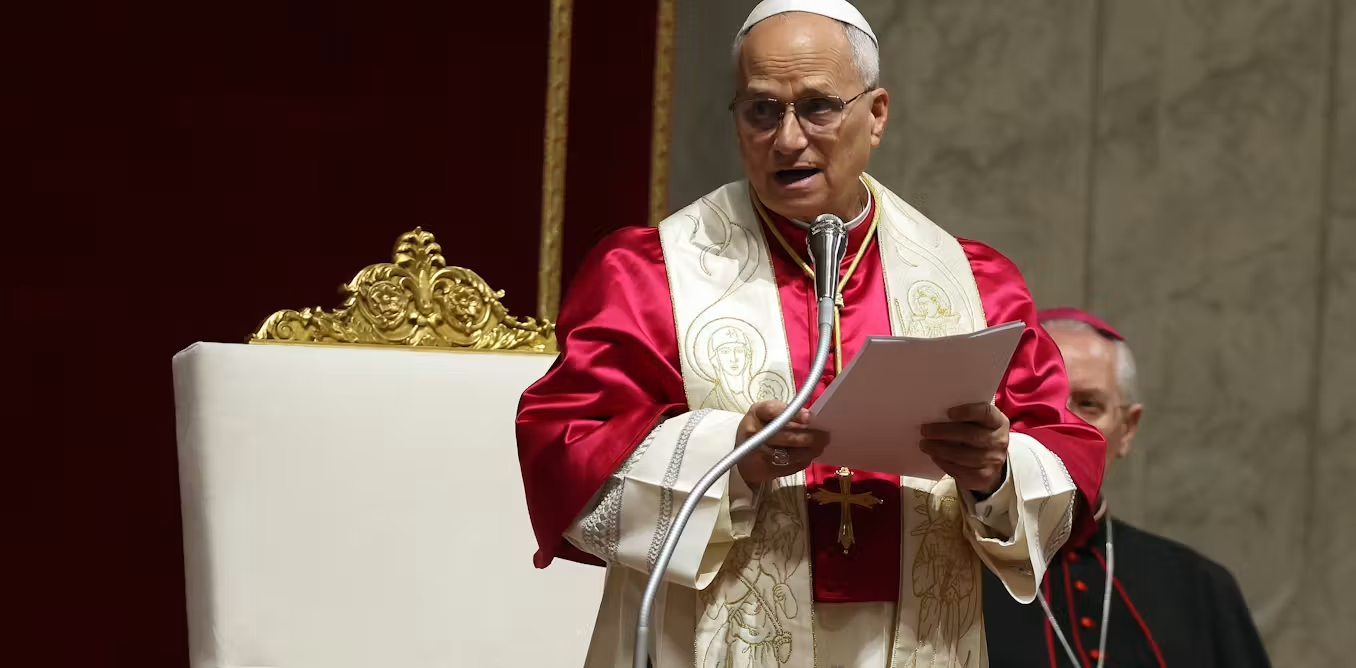
In May 2026, in his first encyclical Magnifica Humanitas – signed on the 135th anniversary of Pope Leo XIII’s Rerum Novarum – Pope Leo XIV warned the world about the dangers of the promise of Artificial Intelligence (AI), categorically calling machine learning “a form of statistical adaptation based on data and feedback, which can be very effective, but does not imply inner growth”. Critical of an AI that replaces religious pluralism with a technological monolith, Pope Leo XIV addresses one of the most interesting dynamics of our contemporary societies: what role can religion play in a world in which technology seems to have a spiritual project of its own?
This “spiritual” AI is, in many ways, the Tower of Babel that the Pope fears. It comes with one concrete future and a defined goal, and has taken different names and ideologies, ranging from Peter Thiel’s doomsday scenario with the coming of the Antichrist, to transhumanist and techno-optimistic visions in which society is materially satisfied and markets run free.
These ideologies share one thing in common, which connects AI to some forms of organised religion in remarkable ways: messianism.
To be very clear, many other social projects have borrowed certain aspects of the same religious dimension to foster legitimacy and large-scale adoption, often with good intentions.