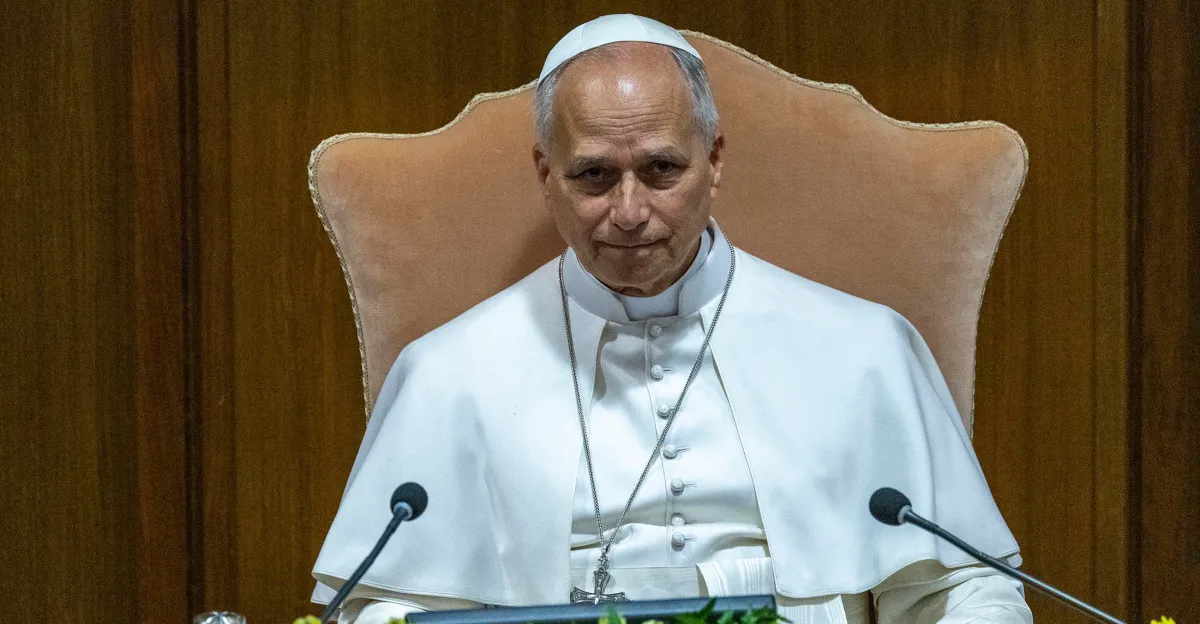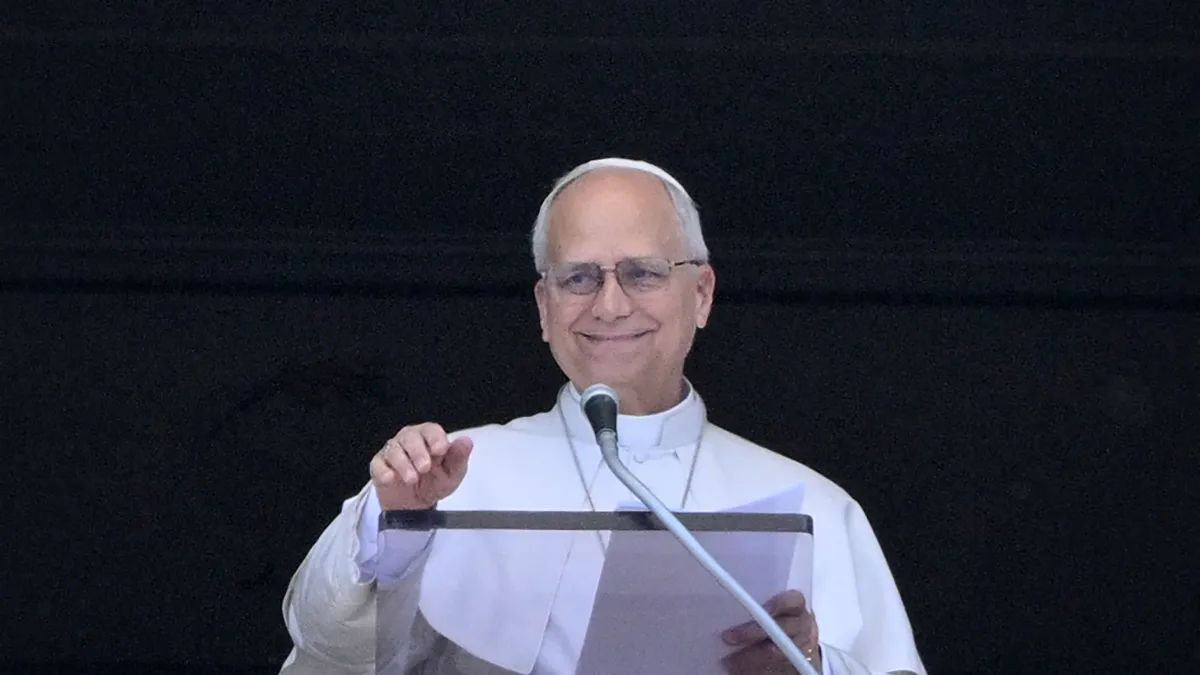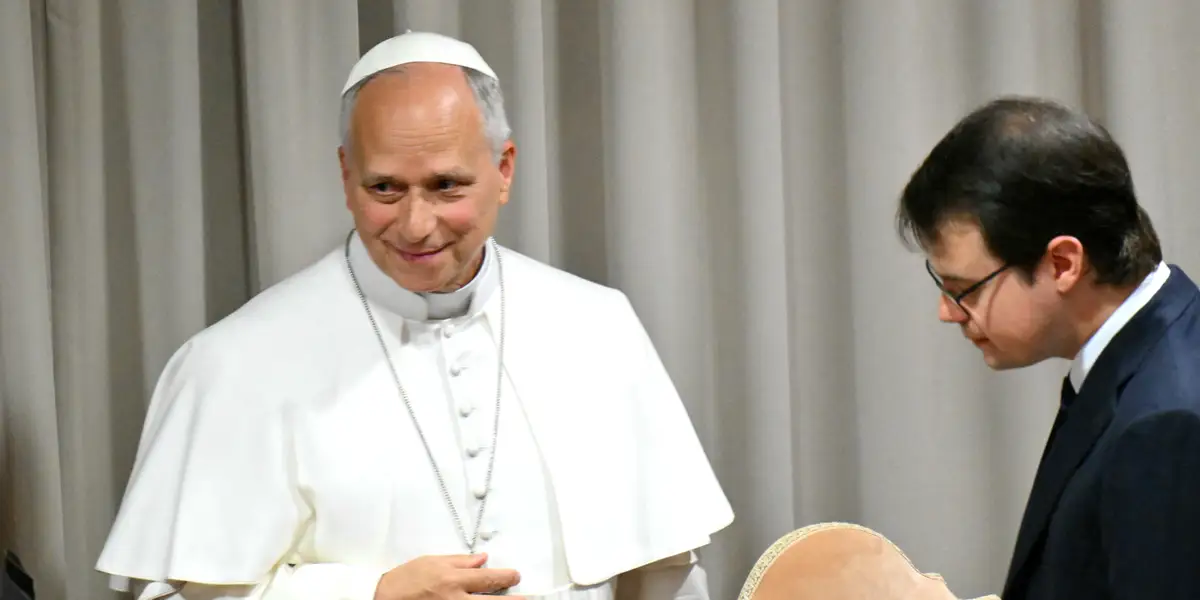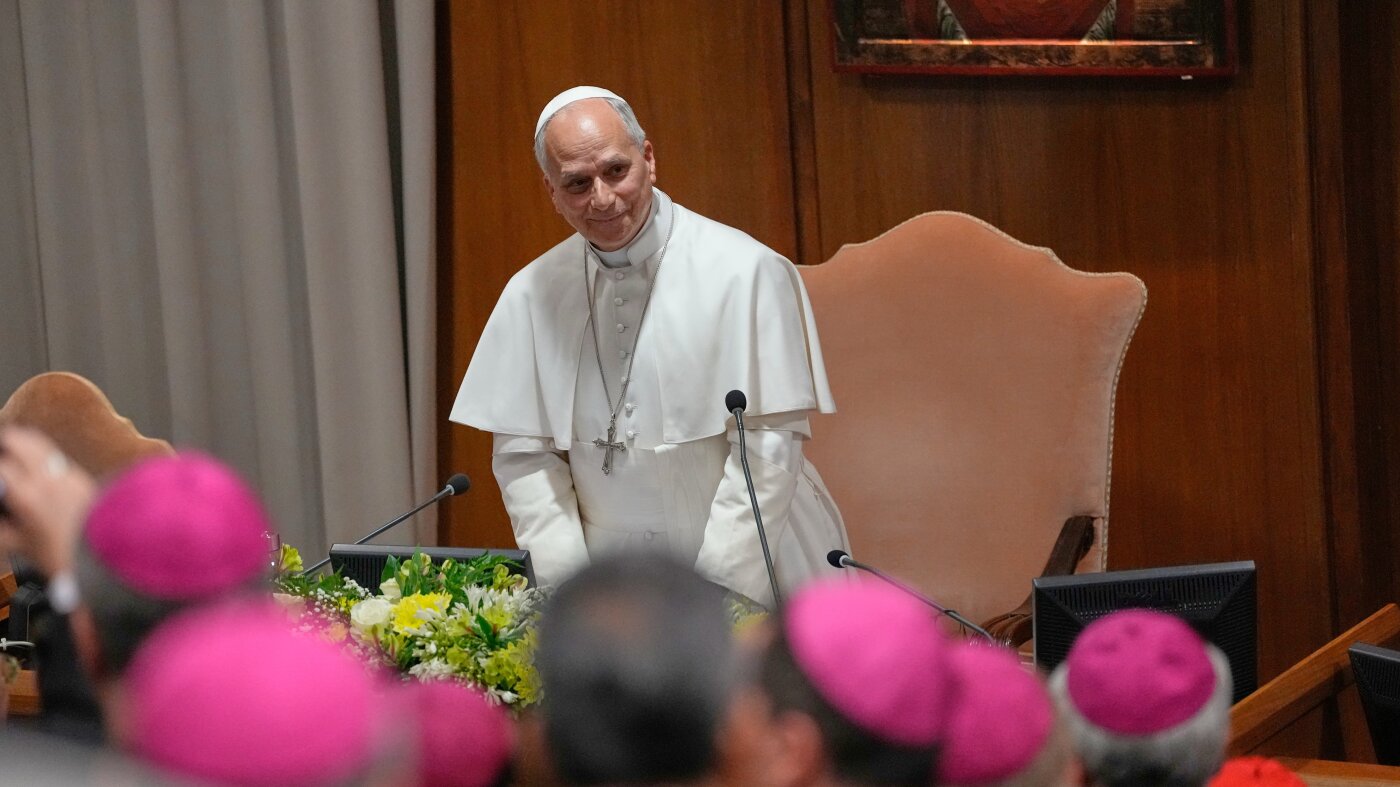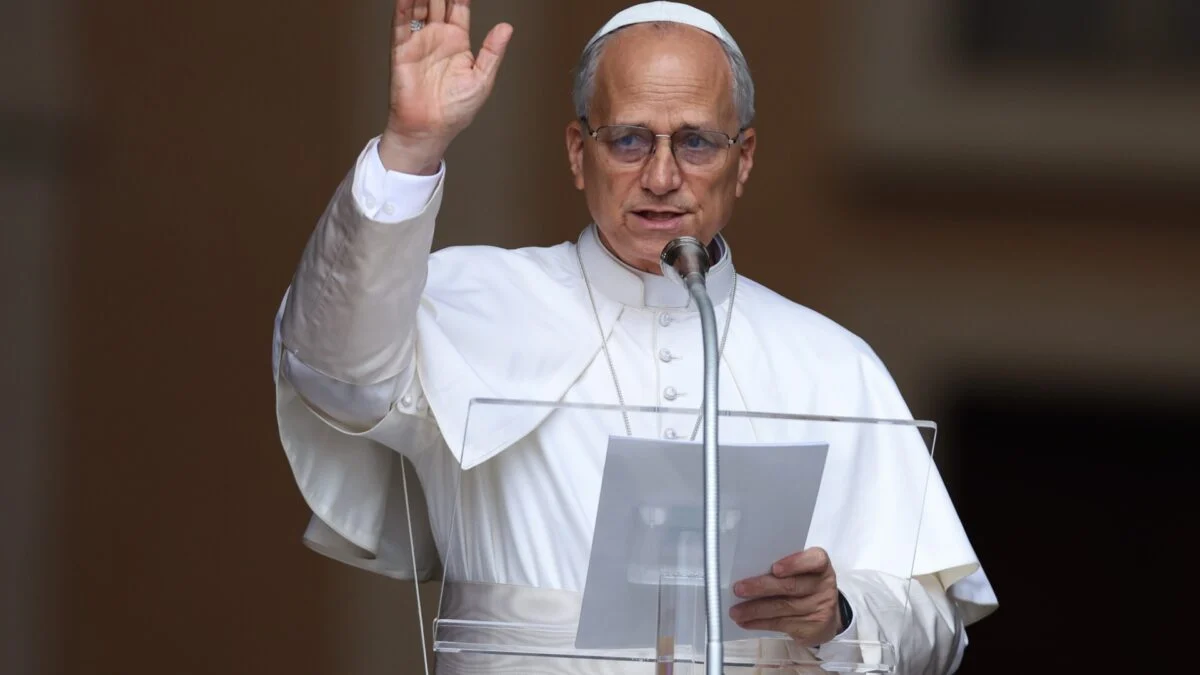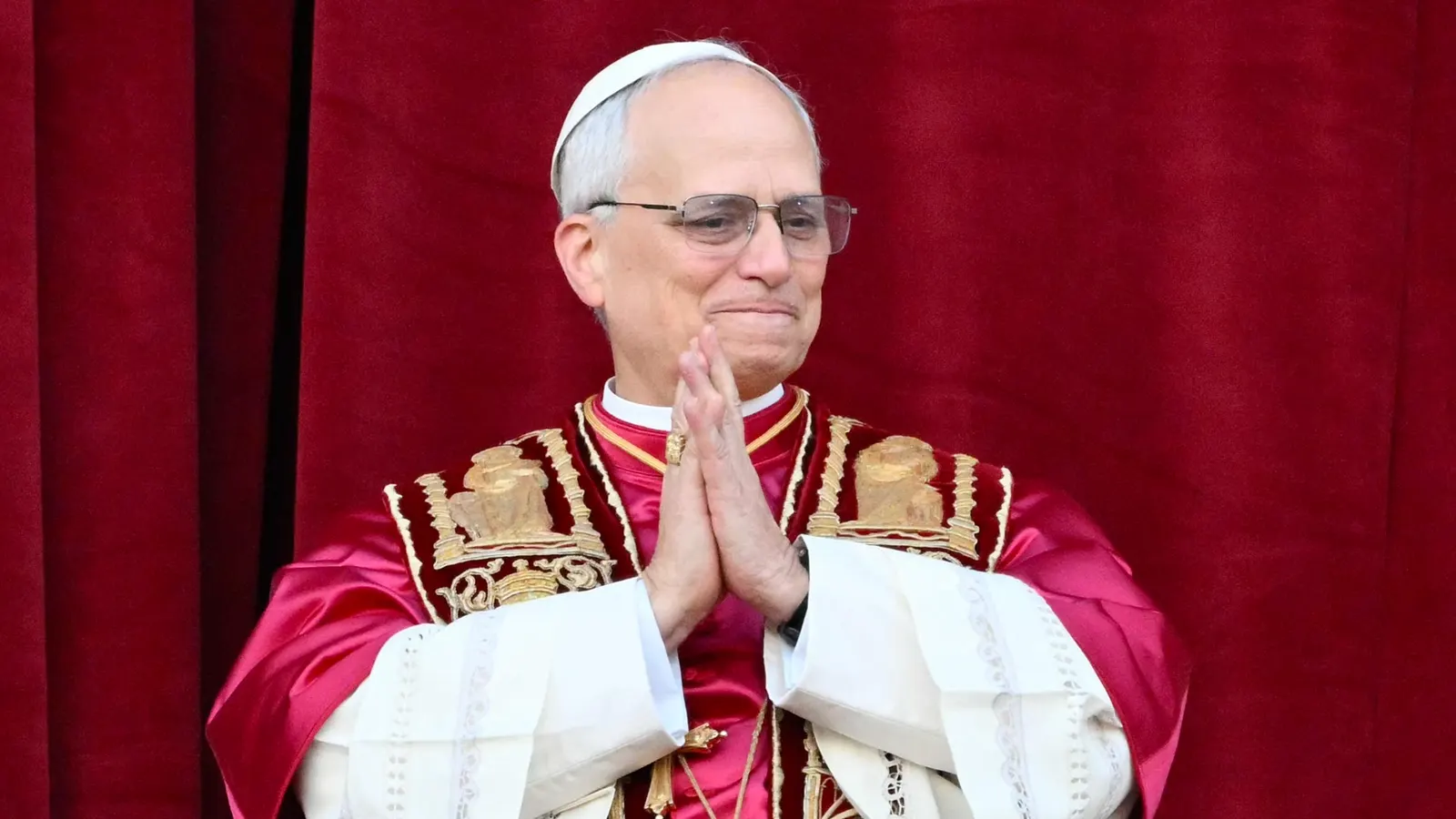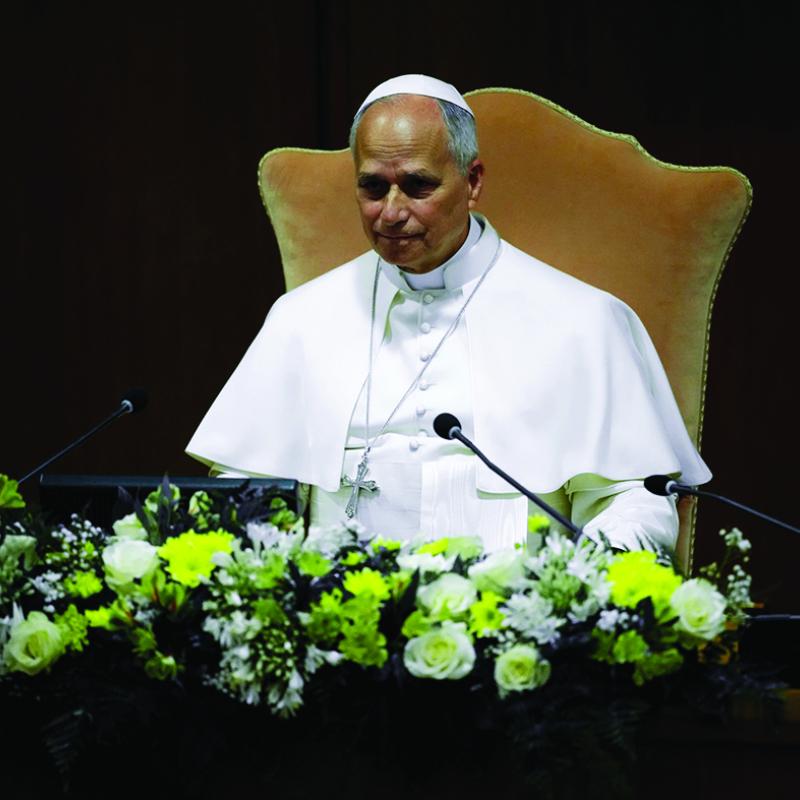
Pope Leo XIV has made artificial intelligence the subject of the first major teaching issued since his appointment in May 2025, and included warnings that AI could lead to Big Tech companies and the moguls that accumulating power that they will abuse for the sake of profit.The Pope’s teaching is an encyclical titled Magnifica Humanitas – On Safeguarding the Human Person in the Time of Artificial Intelligence.The Pope strongly argues that AI must not be considered human.
“These systems merely imitate certain functions of human intelligence,” he wrote. “In doing so, they often surpass human intelligence in speed and computational capacity, offering tangible benefits across many fields. Yet this power remains entirely tied to data processing.”
“So-called artificial intelligences do not undergo experiences, do not possess a body, do not feel joy or pain, do not mature through relationships and do not know from within what love, work, friendship or responsibility mean. Nor do they have a moral conscience, since they do not judge good and evil, grasp the ultimate meaning of situations, or bear responsibility for consequences.”Concentrated power needs regulationsBut Pope Leo wants the providers of AI to consider the ethics of their actions.“In many cases within the digital context, control over platforms, infrastructure, data and computing power does not rest with States, but with major economic and technological actors,” he wrote. “These entities effectively set the conditions for access, determine the rules of visibility and shape the very possibilities for participation. When such power is concentrated in the hands of a few, it tends to become opaque and evade public oversight, increasing the risk of distorted forms of development that give rise to new dependencies, exclusions, manipulations and inequalities.” A more moral AI is not enough if that morality is determined by a few The Pope therefore wants strong regulation for AI.“For AI to respect human dignity and truly serve the common good, responsibility must be clearly defined at every stage: from those who design and develop these systems to those who use them and rely on them for concrete decisions,” he wrote.