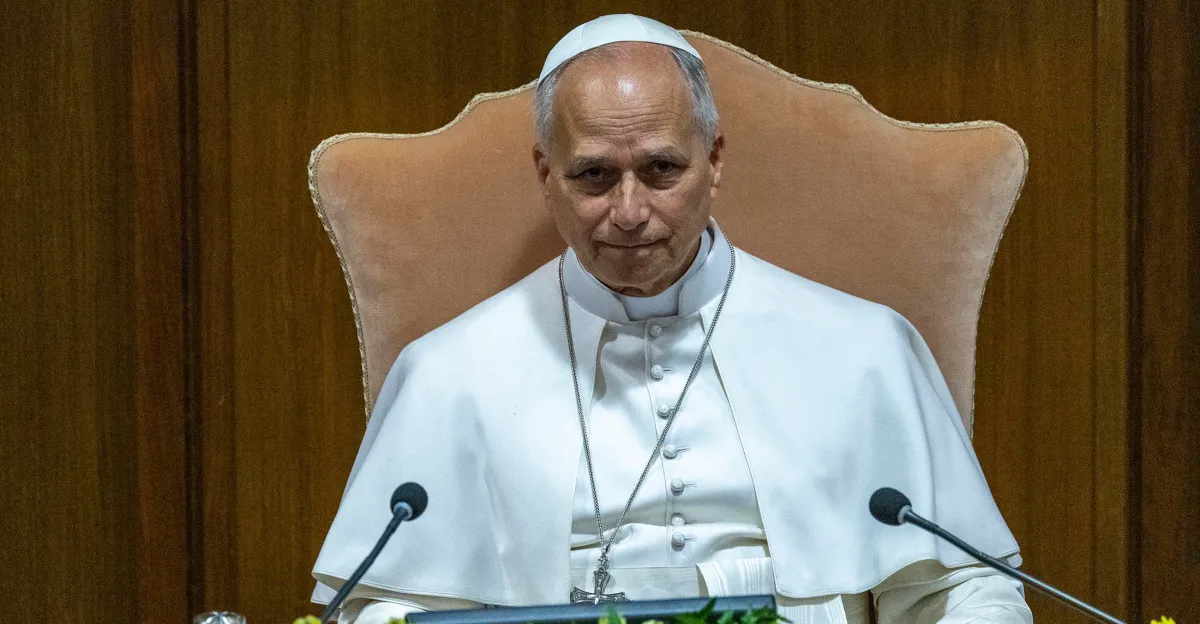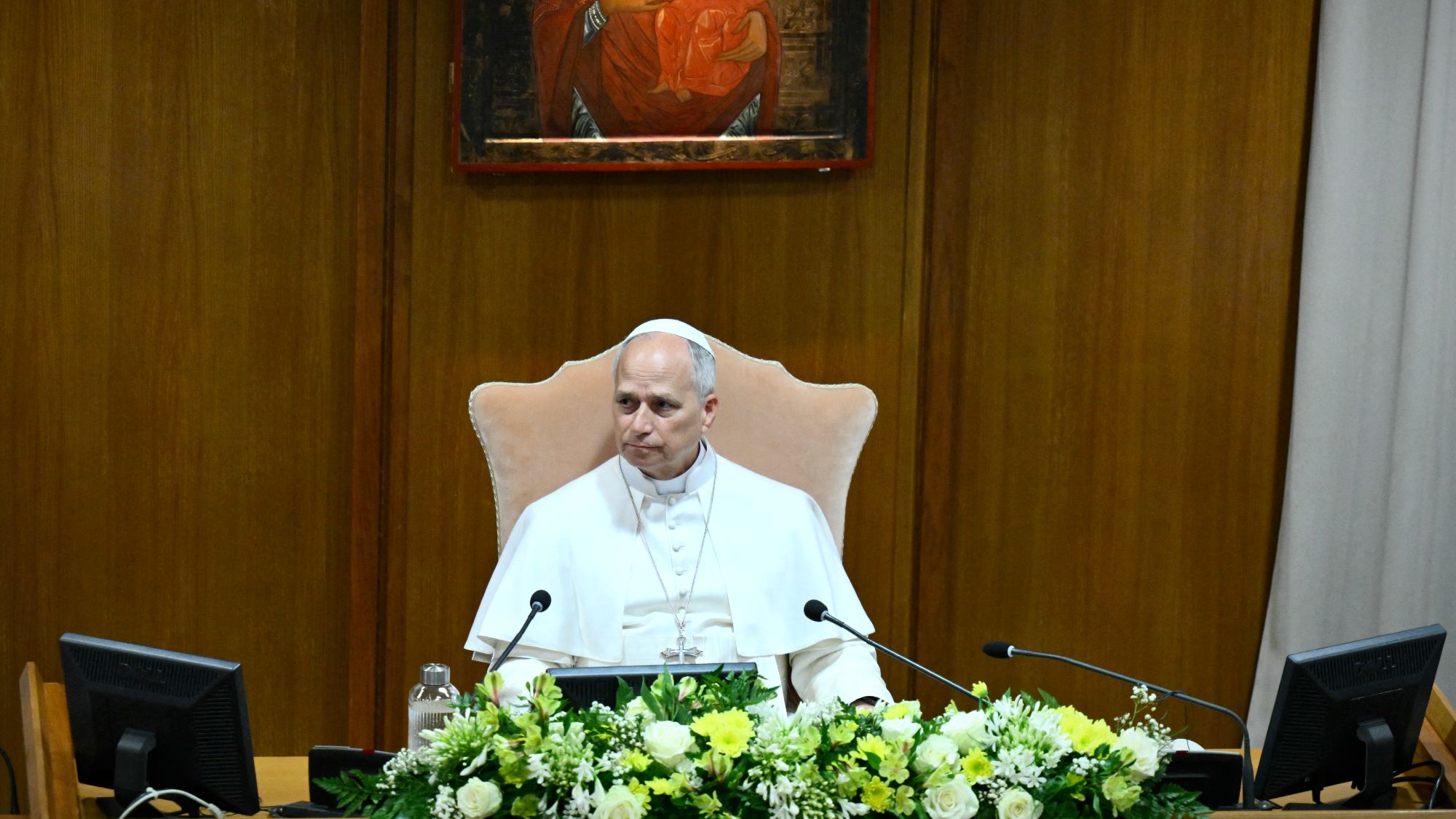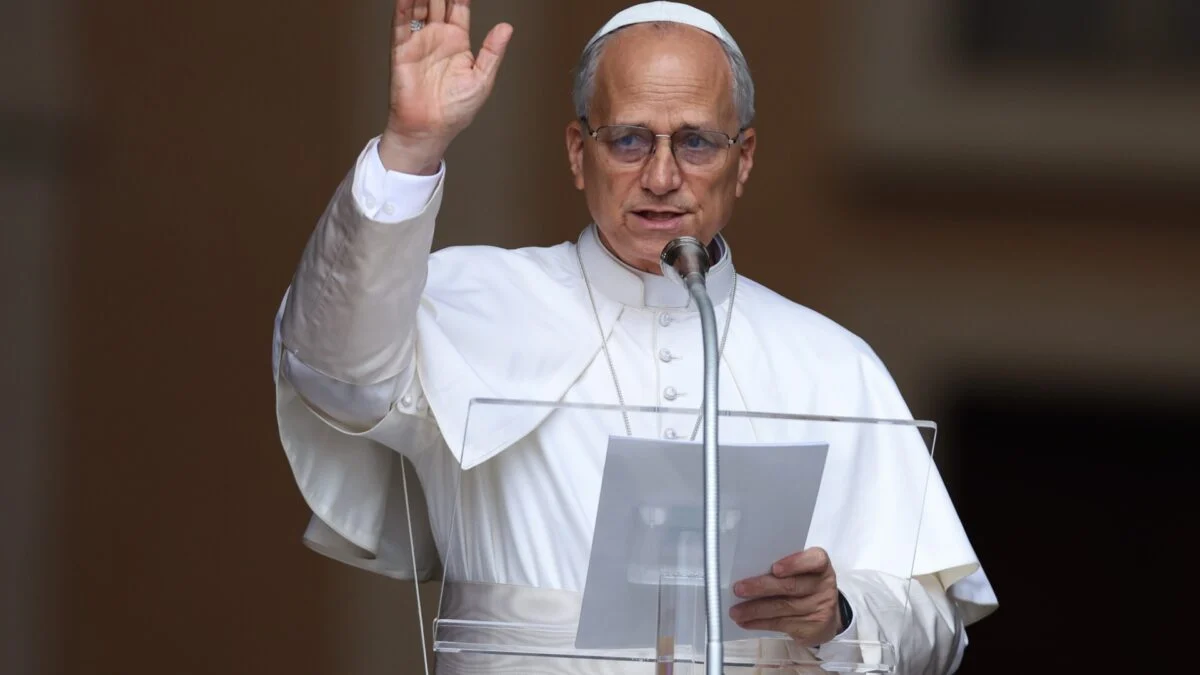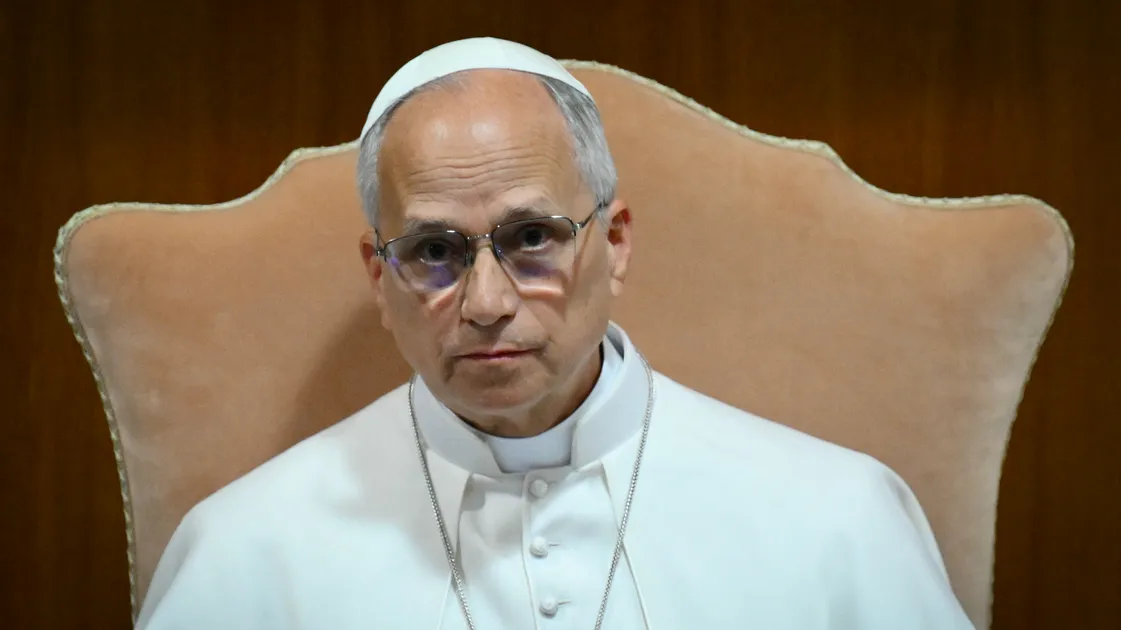
The Pope has launched a major intervention on artificial intelligence – warning that it could undermine what it means to be human.The 40,000 word document – titled ‘Magnifica Humanitas’ (or Magnificent Humanity) – warns that new technology poses a risk to democracy, our wellbeing and the future of human life.The document, known as an encyclical, is part of a long history of interventions by the leaders of the Catholic Church. Over 145 years, a number of Popes have written documents that come to be known by their straightforward titles.‘Rerum Novarum’ from Leo XIII in 1891 called for better conditions for workers in the Industrial Revolution. ‘Pacem in Terris’ from John XXIII in 1963 appealed for nuclear disarmament amid the Cold War. ‘Laudato Si’ from Francis in 2015 pleaded for swift action to address climate change.Now the relatively new Pope Leo XIV has released his own manifesto, which includes a range of warnings about the potentially destructive nature of artificial intelligence. It comes after a range of more informal warnings from the Pope, who trained as a mathematician.Here is everything you need to know about the warnings in the document.DemocracyLeo says that disinformation “found a powerful amplifier” with AI through the ability to “manipulate content, images and videos,” which exposes people to “biased or misleading perspectives.” The pontiff said democracy is weakened when pragmatism, that is “what appears useful effective,” substitutes for truth. “Indifference to the truth leads, slowly but surely, to a descent to totalitarianism,” Leo wrote.Social mediaLeo said that those who control digital platforms, including social media, have a power that “should be constantly guided by the pursuit of truth or respect for human dignity.” The internet should be seen as “a setting in which inner freedom and critical thought can mature,” and not “an instrument of excessive distraction, homogenization or dominance.” The backdrop is that communication not only transmits information but creates culture.LabourLeo said the workplace must be governed by “the protection of employment opportunities and the irreplaceable role of the individual.” He warned that “the pursuit of greater profits cannot justify choices that systematically sacrifice jobs, because the human person is an end, not a means, and the economic order must remain subordinate to human dignity and the common good.” Leo also said governments must foster conditions that favor employment “since it is a primary good for families and for societies.”WarLeo said that AI “can only bring conflict about more quickly and render it more impersonal.” He called for concrete criteria when making a decision to strike. That includes an identifiable chain of responsibility applying also to “those who design, train, authorize and employ technology,” and measures, so that target selection takes into account the difference between combatants and noncombatants, and the impact on defenseless populations. Non-negotiable requirements include guarantees of accountability and that deployment of lethal force cannot be automated. Leo also called for a shared international framework “to curb the technological arms race and ensure robust protection for civilians.”EconomyLeo noted that the world's wealth “is increasingly concentrated in fewer hands, widening inequalities.” In the age of AI and robotics, it is no longer possible to rely solely on the “invisible hand' of the market,” Leo wrote, urging politicians to orient policies toward “the common good” and to promote “dignified work, social inclusion and an equitable distribution of the benefits of innovation.”Human TraffickingLeo underlined the role of digital networks — including online platforms, messaging systems, anonymous payment methods — in human trafficking, which he said “must be recognized as a contemporary form of slavery.” He warned that failing to respond to or tolerating these practices risks complicity in “today's sins, which are akin to those of the past when slavery was being concealed and justified.”EnvironmentLeo also addressed the environmental costs of the data centers that are generating AI models, consuming “enormous amounts of energy and water, significantly influencing carbon dioxide emissions.” As demands increase, especially for large language models, Leo called for the development of more sustainable technological solutions.Youth impactLeo called for an alliance among policymakers, educational institutions and families to help navigate the “culture of immediacy and hyperstimulation” created by digital media. He also highlighted how AI amplifies the danger of predation on young people, and warned against having personal mobile devices at too young an age. “Online phenomena such as grooming, blackmail and the sexual exploitation of minors are not uncommon, and are made more insidious by the use of fake profiles, algorithms that facilitate dangerous contact, and AI tools capable of manipulating images and videos,” the pope wrote.
Everything to know about the Pope’s huge intervention on AI
Artificial intelligence could undermine what it means to be human, intervention warns
755 words~3 min read