(Image credit: Shutterstock)
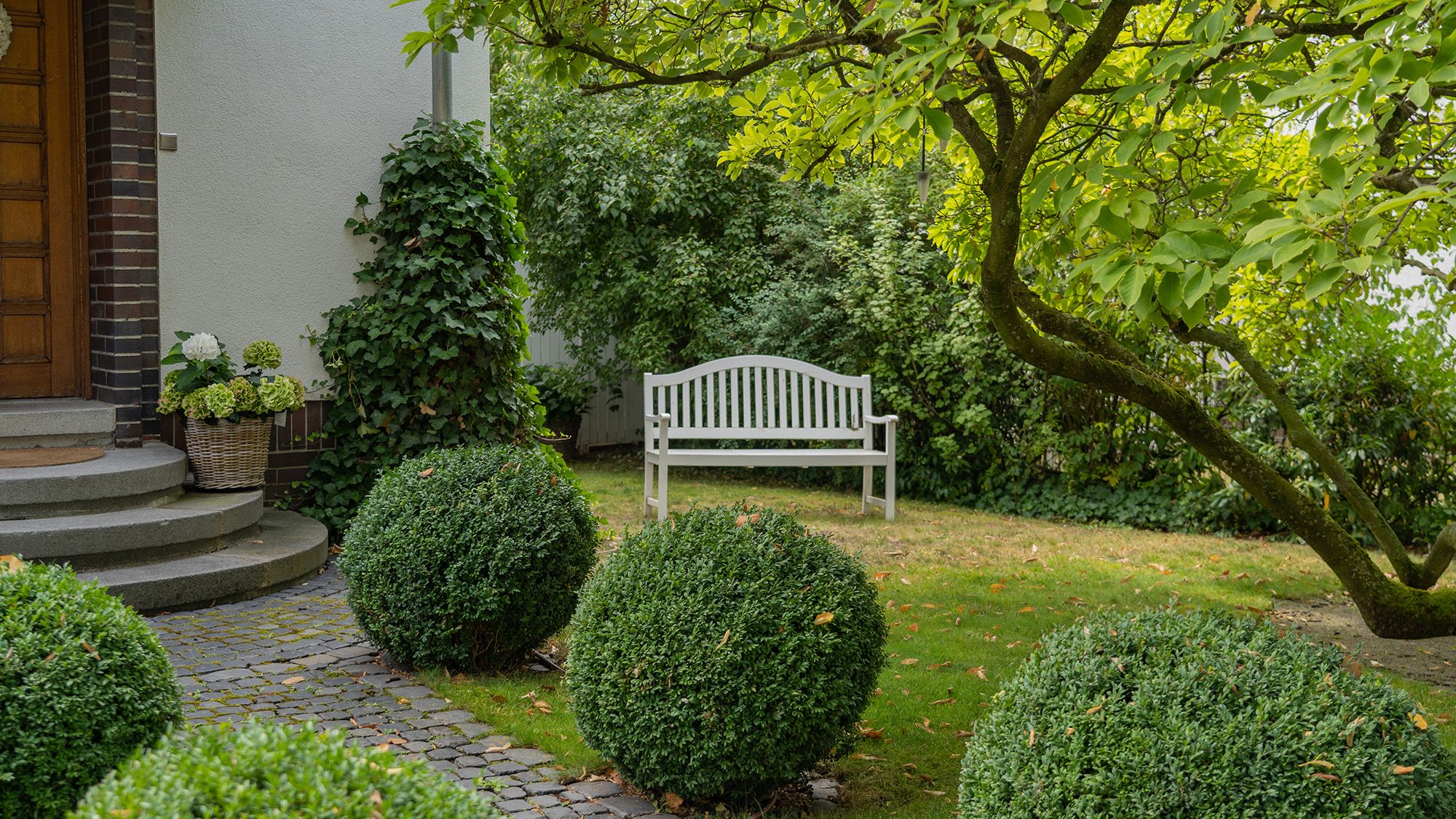
Boxwood has its place in formal gardens; it’s the perfect shrub for a neat, compact hedge or for growing and shaping into intricate ornamental structures. I’m not artistic enough to try topiary, but I do appreciate how boxwood’s dense form lends itself to this ancient horticultural practice.I’ve never grown a boxwood in my garden, but I have a few neighbors who have planted boxwood hedges in their front yards. While some remain, they’ve all succumbed to box blight or box tree caterpillar — the biggest pest problems that affect this shrub.Once infected, suddenly, that elegant, lush green hedge turns a shade of brown, leaving the shrub with large bare patches where the leaves and branches have withered.But there is an attractive alternative shrub that still provides a neat look without the risk of disease, and it’s easier to grow. Inkberry holly, or Ilex glabra, is the answer.Inkberry holly
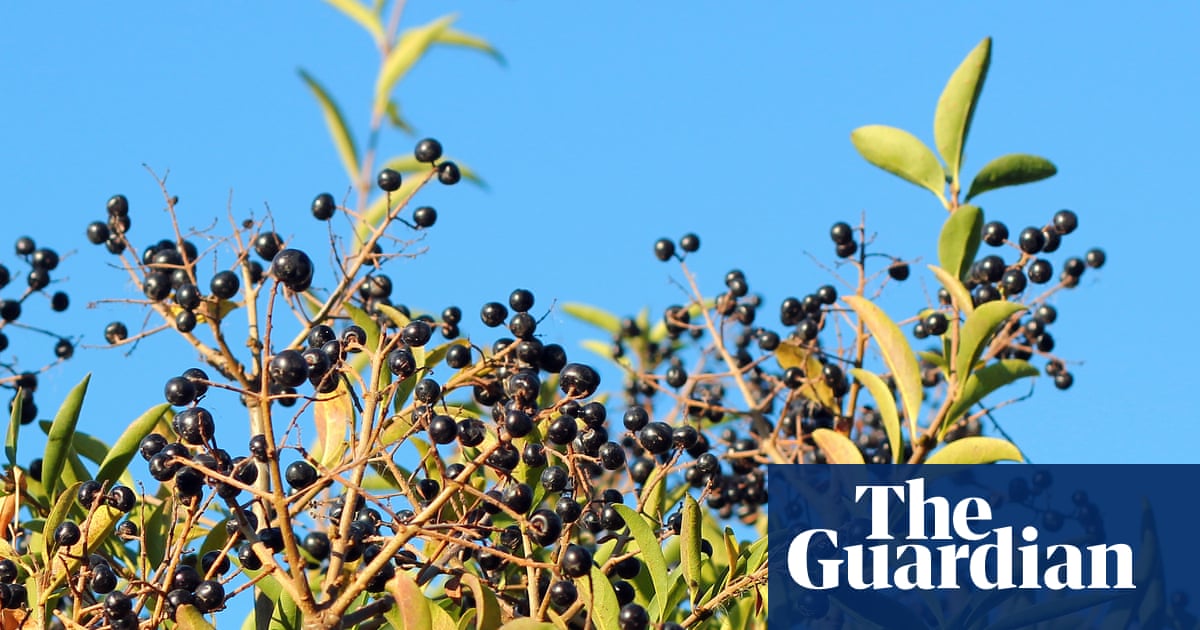
(Image credit: Shutterstock)If you’re looking to replace your diseased boxwood or planning a new hedge, Inkberry holly is an excellent alternative. It’s a member of the holly family, but rather than donning spiky leaves, it takes a softer form, with oval-shaped, glossy dark green leaves. It’s another example of a plant that can be swapped for an alternative, just like viburnums can replace hydrangeas.What’s more, rather than boxwood, which stays the same throughout the seasons, inkberry holly changes. In spring, small white clusters of flowers appear on male and female plants, followed by small black berries on female plants in the fall. However, for the berries to appear, the female plant needs to be pollinated by a male one.