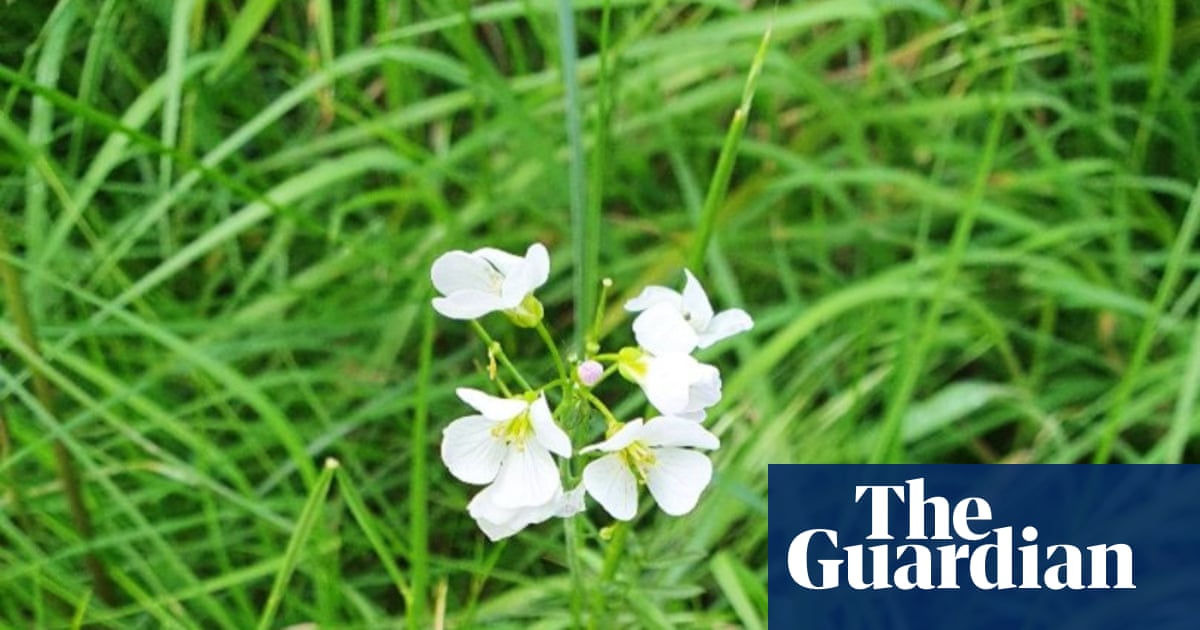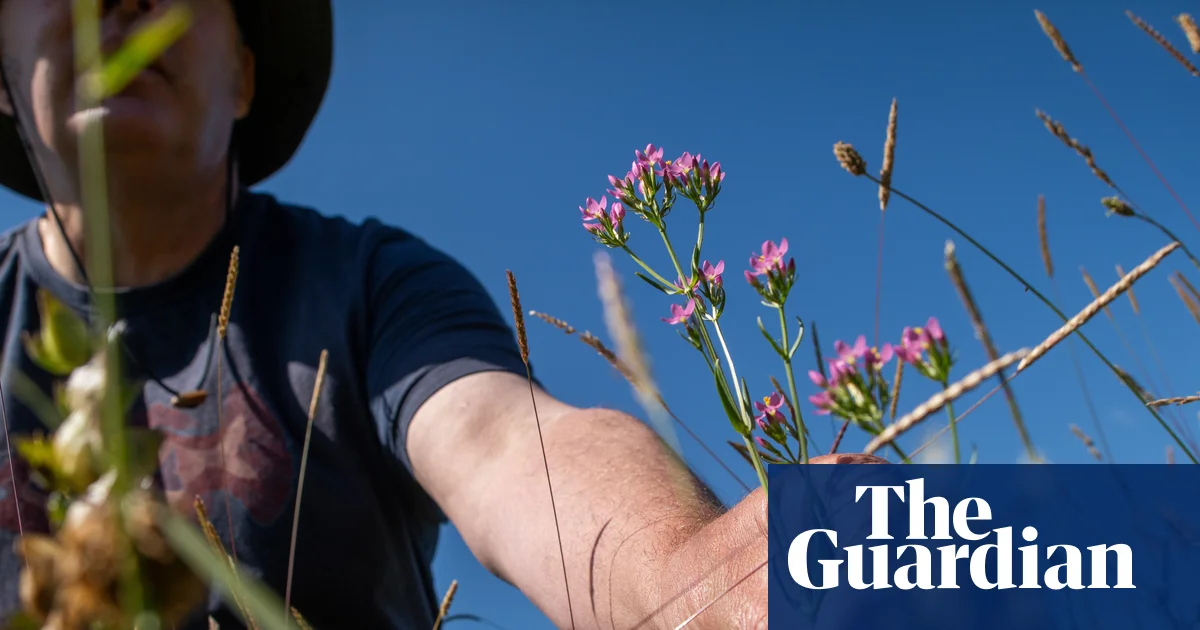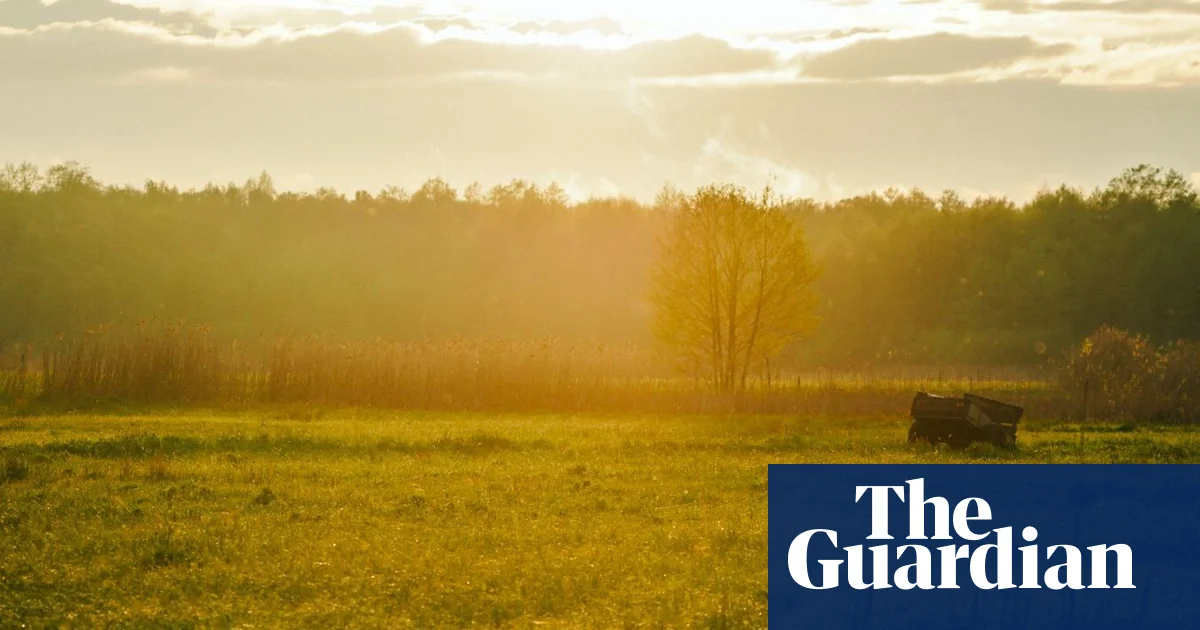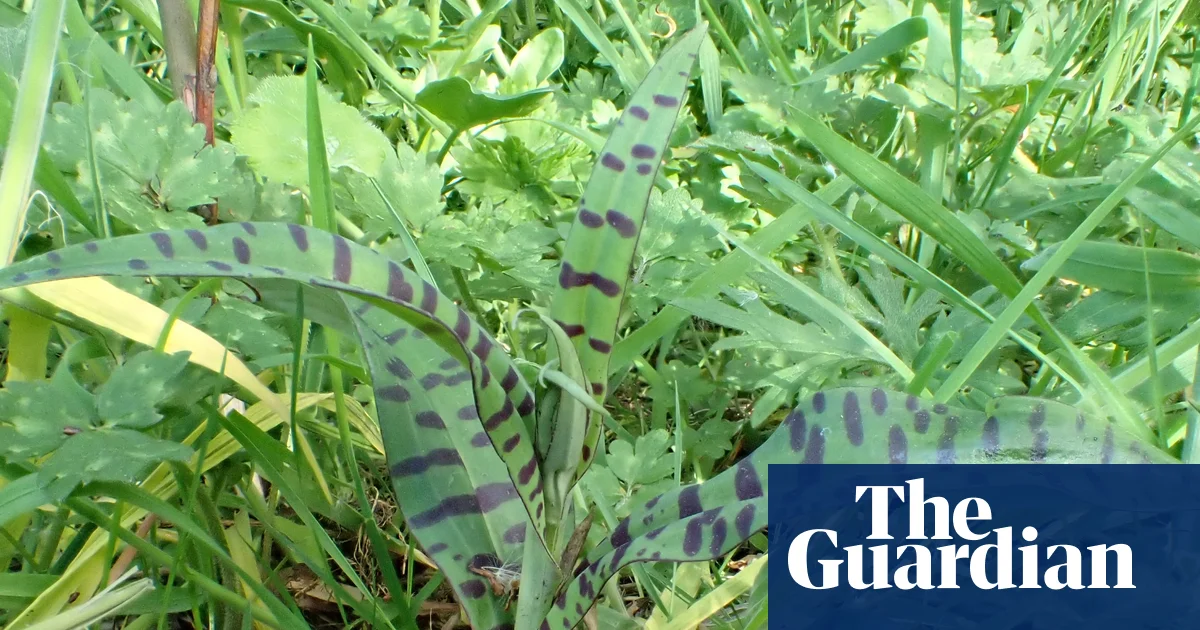
When we moved to this house, we didn’t need the encouragement of No Mow May – the ecological campaign advocating restraint in the garden. Our old lawnmower was designed to tackle your average handkerchief and leaving nine-tenths of the new place uncut was a matter of necessity as much as self-control.The highlight of last year’s non-labouring efforts addressed directly the whole meaning of no-mow gardening. Who knows what lies hidden in a uniform shorn expanse, unless it is allowed to express itself? A slender pink flower among the green swathe turned out to be a spotted orchid, the commonest, most widespread of our 54 UK species. With this as a search image, I eventually climbed to 16 spikes last year. That alone felt like a triumph.This year it was a case of getting ahead of the game. Head down, back and forth, I scoured for spotted needles in the green haystack. With a system of sticks to mark their locations, I’m now at 27 plants. While we often fetishise this whole flower group, there is something extraordinary about orchids. To come across the lance-like black-blotched leaves of this particular species feels like a revelation, as if you’ve just found something animate, even feline in the lawn. No wonder one of its relatives is called the leopard marsh orchid.In truth, these flowers need friends below ground as much as above. Most species have mutualistic relationships with mycorrhizal fungi. Orchid seeds are microscopically small and have none of the food reserves necessary for plant production in the following year. They require a fungus to “infect” and penetrate the outer skin, and then build up inside the plant embryo, which receives nutrients from its lodger.Slowly, the whole structure expands into a globular root from which the family derives its name (órchis is Greek for “testicle”). This underground store may take several years to acquire sufficient energy for a shoot finally to erupt above ground. That prolonged secret life in the underworld and the corresponding unpredictability of their sudden appearance are all bound into the orchids’ wider reputation for mystery.
Country diary: Why are orchids so mysterious and coveted? It all starts underground | Mark Cocker
Hogshaw, Derbyshire: We’re up to 27 spotted orchids in our garden, and every one is a miracle
346 words~2 min read