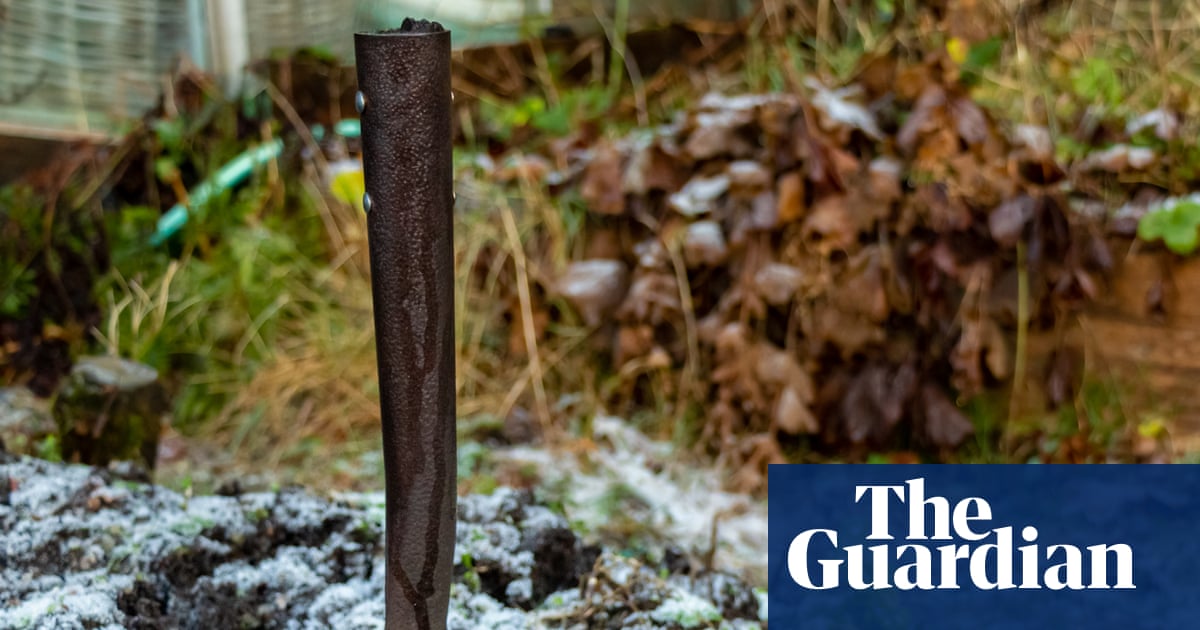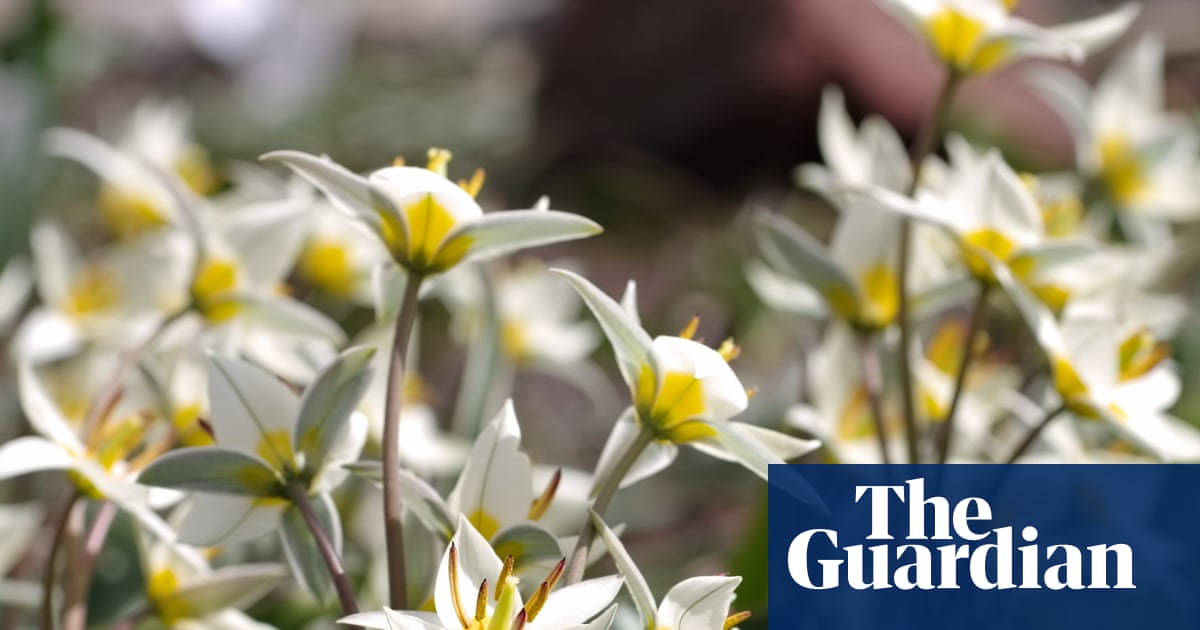
In a less flowery garden, you can spot the gaps more easily – and fill them with bare-root plants at this time of year
T
his time last year we were about to put our old flat on the market – the first proper garden I had as a gardening adult. The one that taught me so much, where I made compost for the first time and cut peonies from the bare roots I’d ordered as soon as we exchanged contracts on the place. Where I painted the back wall pink and strung up lights and held parties and watered the ground with cheap prosecco; where I planted a tree for my newborn son, and lay beneath it with him in languid, too-long summer afternoons, trying to make sense of motherhood.
Anyway, every time I’d show estate agents around our two-bed flat, they’d conjure unconvincing compliments about our airing cupboard, before sticking their head cursorily out the back door and saying: “Oh, it’s winter, no gardens look good in winter, no buyers will be expecting it to look nice,” and I’d seethe.
I’d argue that there’s an essential beauty to a winter garden, but it’s true that some look more considered than others, and those tend to have some structure. Trees, hedges, evergreens. Now’s a good time to both assess how your space may benefit from those – because you can see the gaps that might look better with, say, a handsome yew hedge picking up the frost – and also plant them, as long as the ground isn’t rock-solid or completely boggy.