Big, blousy show-stoppers are all very well, but species tulips offer longer-term benefits and come in array of hot colours
N
early three months after moving in and we’re still surrounded by boxes. Somewhere, possibly in the cellar or maybe the shed, there is a brown paper bag of bulbs I lifted from the old garden. Traditionally, I plant them in December – partly because life is always too busy, but also because as well as being cool, London autumns are increasingly wet, so that this helps stave off rot.
There’s something enticing about a second-year tulip. Anyone after big, blousy show-stoppers will replace their bulbs every year, and come April I will dutifully like their Instagram posts. But with my garden currently a wasteland, it feels almost perverse to insert the opulence of brand-new botanical tulips – like putting a wedding hat on when you’re in your PJs. Should I find my bag of older bulbs, anything they offer up will be a little more muted, but, crucially, free.
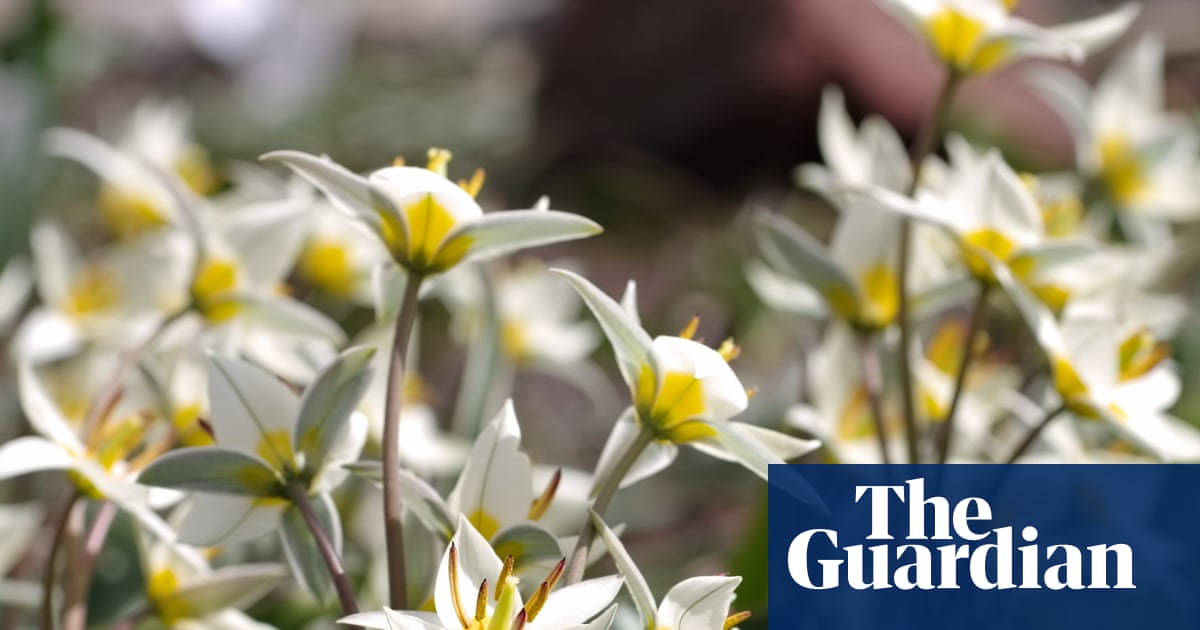
I’m increasingly leaning towards wild, or species, tulips. Smaller, with petals that end in pinches rather than a fulsome bloom, these bulbs pack less obvious punch but offer long-term benefits, naturalising and self-seeding far better than their one-hit-wonder cousins and jostling politely with other spring growth for a more meadowy look.