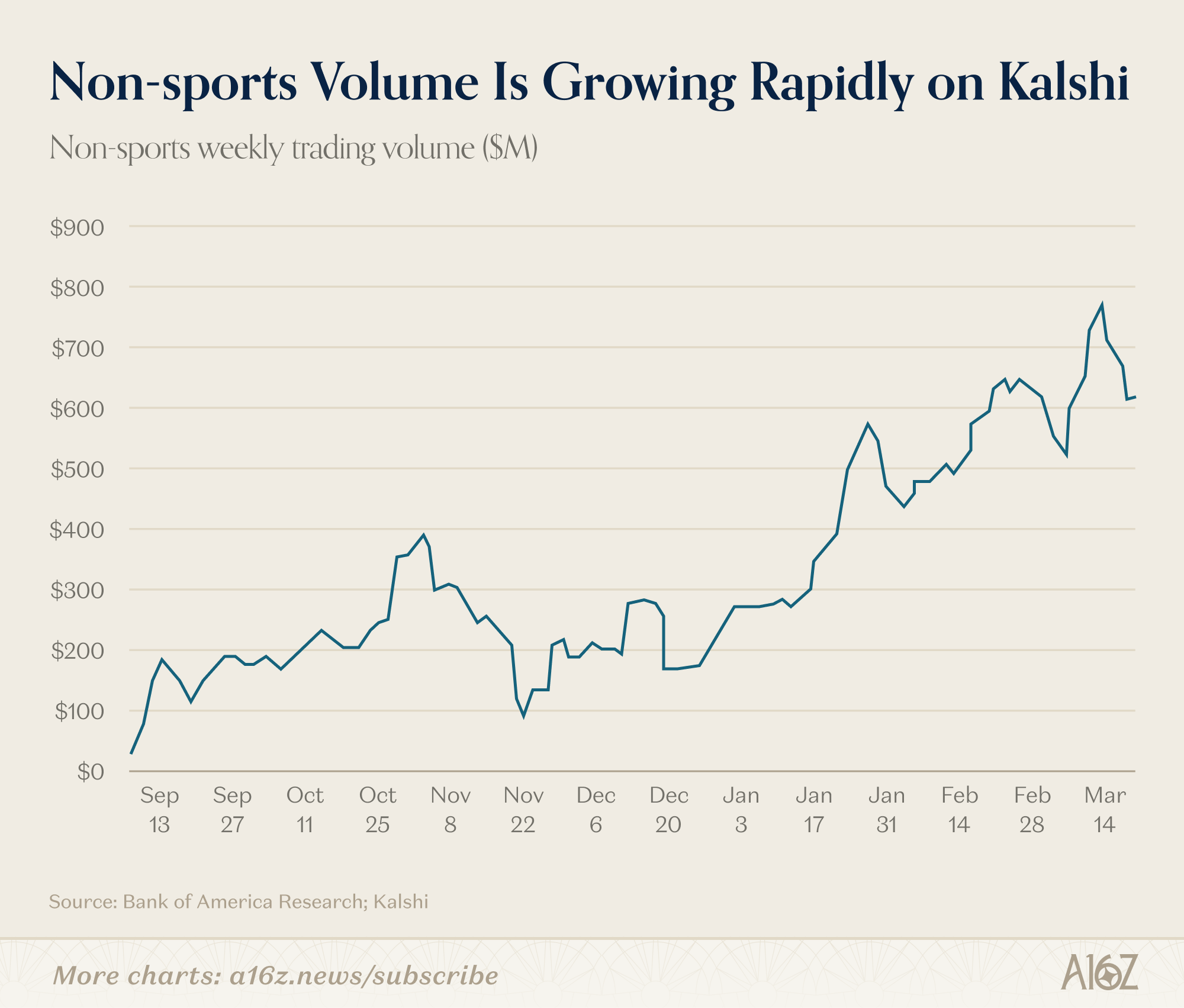
Prediction markets, which allow people to trade on event outcomes, entered the U.S. at scale last year and are now being used to track everything from geopolitics to entertainment award winners. But what are they?
As an economist who has long studied marketplaces and incentive mechanisms, my answer is simple: Prediction markets are simply markets. Markets are a fundamental tool for allocating resources — ensuring that goods and services get to those who value them. Along the way, markets also aggregate information: The market-clearing process takes everything participants know and distills that information into signals like price.
Prediction market platforms and products directly harness that information‑aggregation power to try and forecast specific future events: They introduce an event-specific asset that pays off if a given outcome occurs, and then people trade that asset based on their beliefs about whether it will happen. Companies have long embraced prediction markets to, for instance, elicit tacit information from their employees for forecasting whether an important product will launch on time. We’ve also seen scientists use prediction markets to assess which experiments are likely to replicate. And we are now seeing multiple media outlets partner with prediction markets for “wisdom-of-the-crowds” information to complement reporting from their sources and traditional journalists.