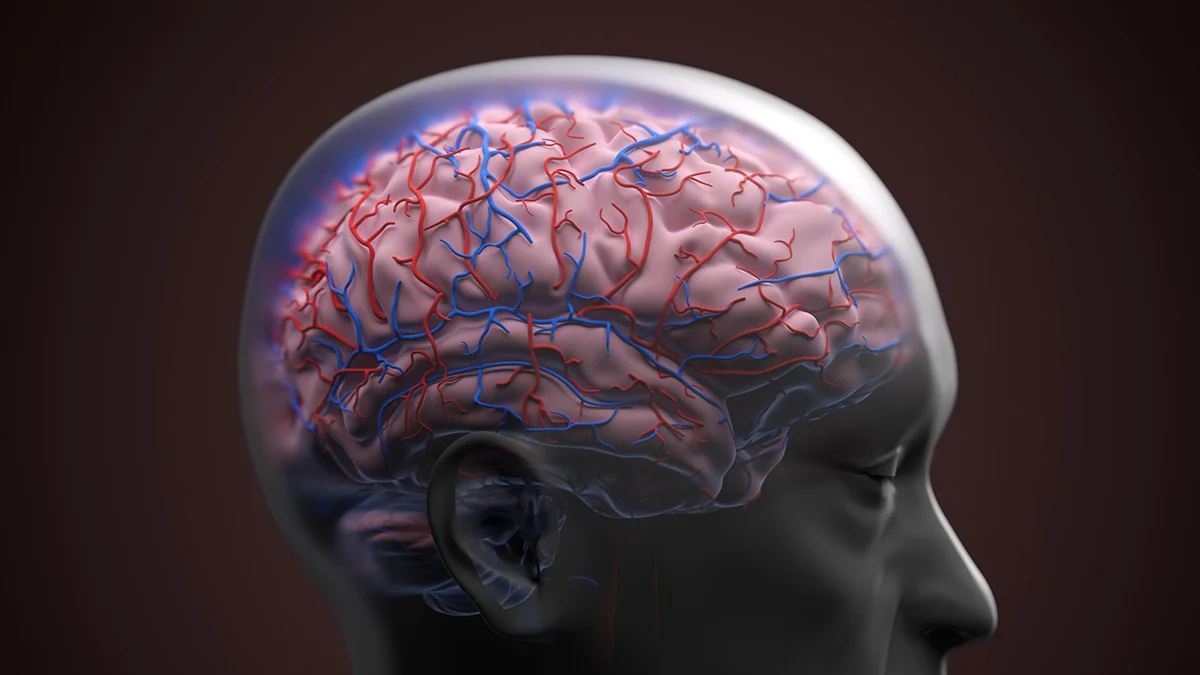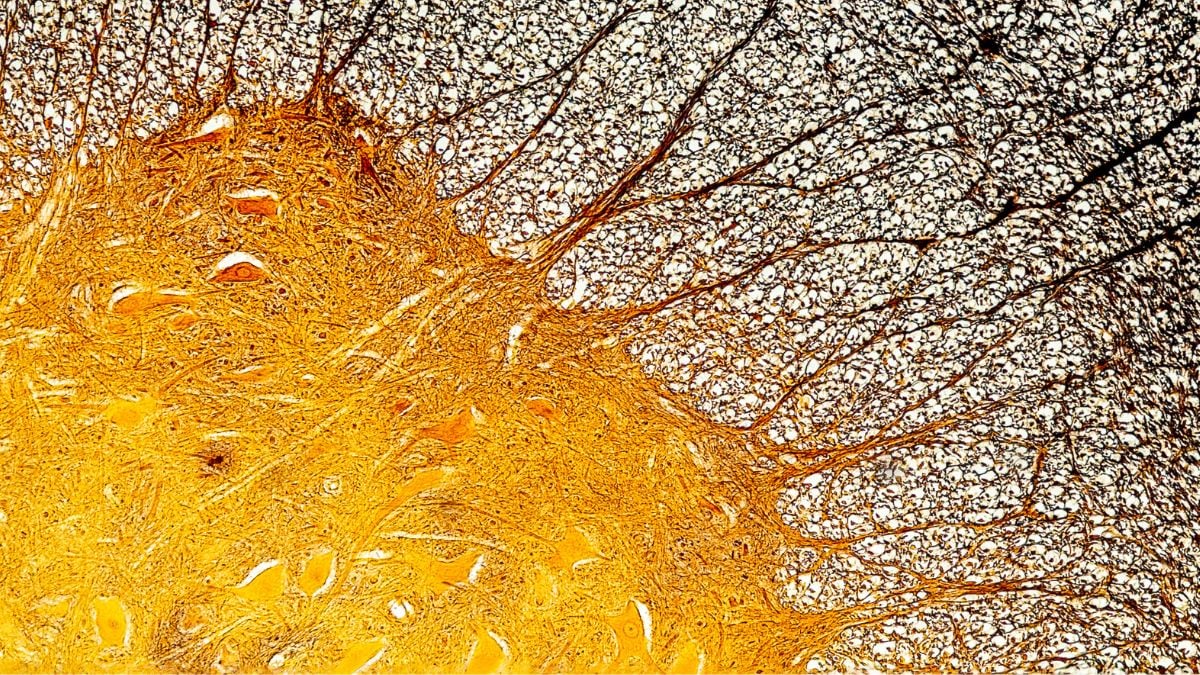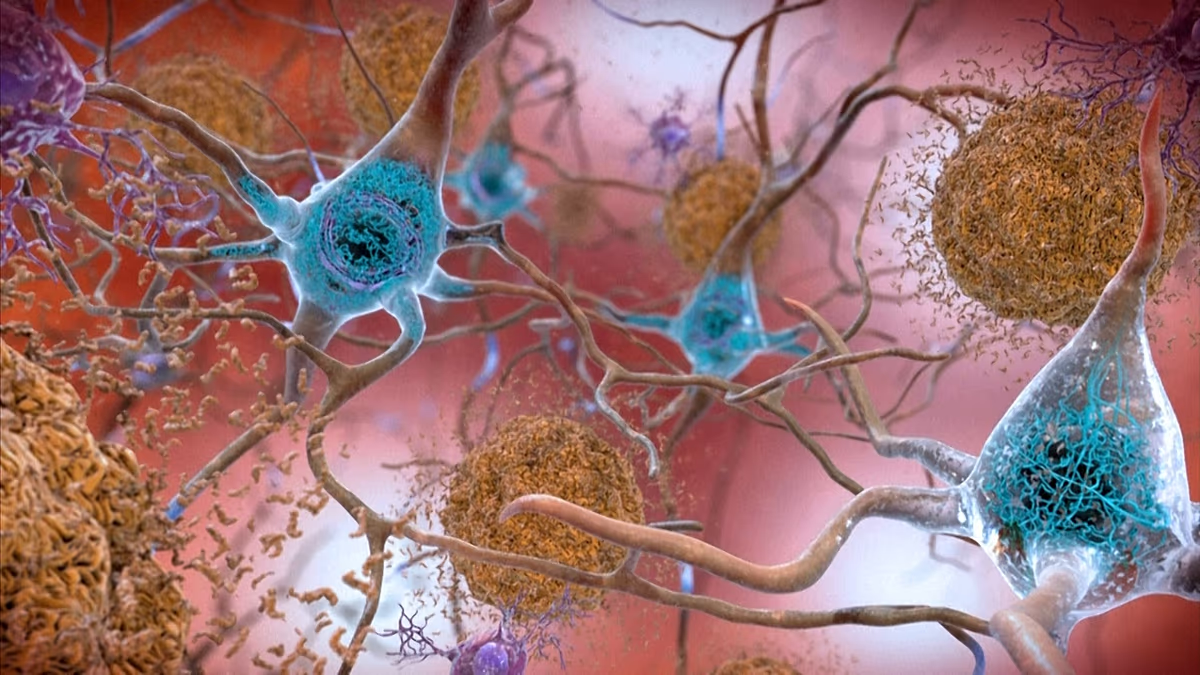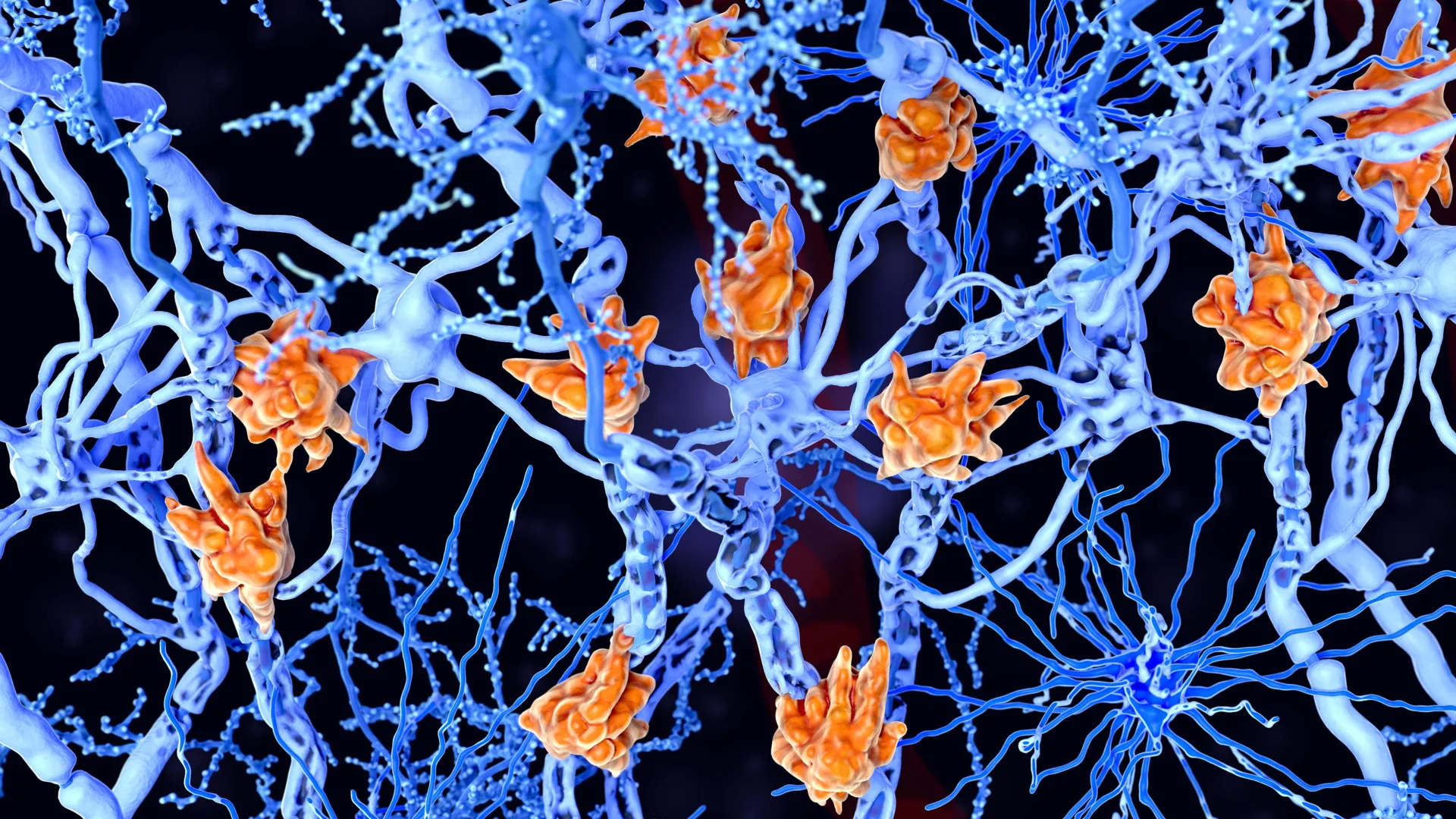
Network connectivity, pathway, and cell-type enrichment of multiple sclerosis (MS)-associated proteins. Credit: Annals of Neurology (2026). DOI: 10.1002/ana.78256
A new study has revealed a group of blood proteins that are altered in people who go on to develop multiple sclerosis (MS), in some cases more than a decade before diagnosis. The findings offer hope that a simple blood test could one day identify people at high risk of MS in time to act before damage occurs.
The best cure for neurological diseases like MS is prevention. Brain damage already done is difficult or impossible to repair, but if MS is caught early, the worst of its debilitating effects can often be prevented. Unfortunately, in many cases, diagnosis comes only after the disease is well underway and the window for early intervention has passed.
A team of scientists led by Dr. Adil Harroud, a neurologist and researcher at The Neuro (Montreal Neurological Institute-Hospital) of McGill University, sought ways to detect signs of future MS in patients' blood years before they were diagnosed. They focused on proteins, the molecules that carry out most of the body's functions. The study was published in the journal Annals of Neurology on May 22, 2026.