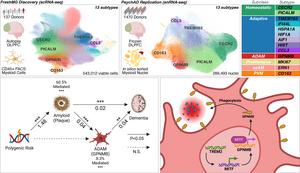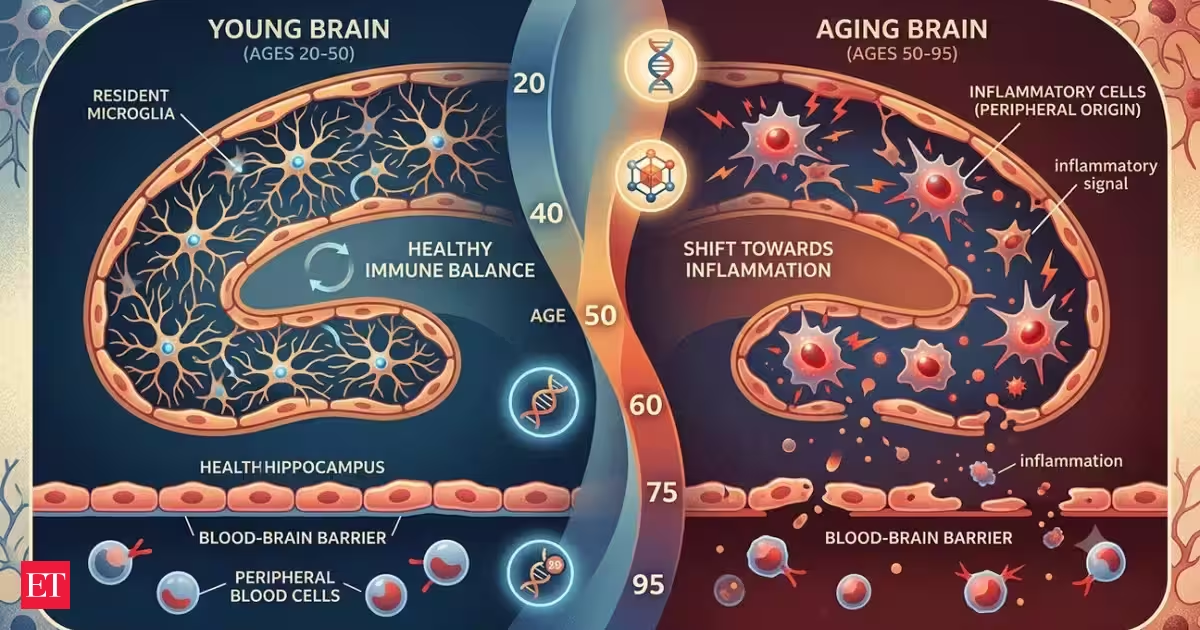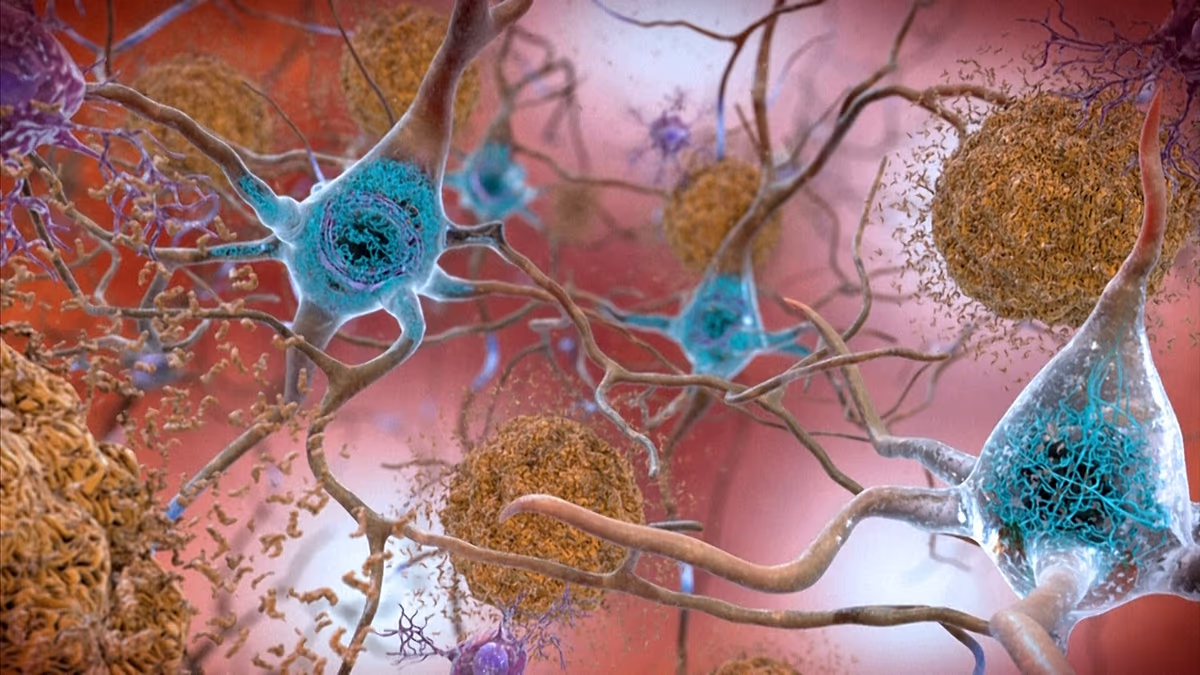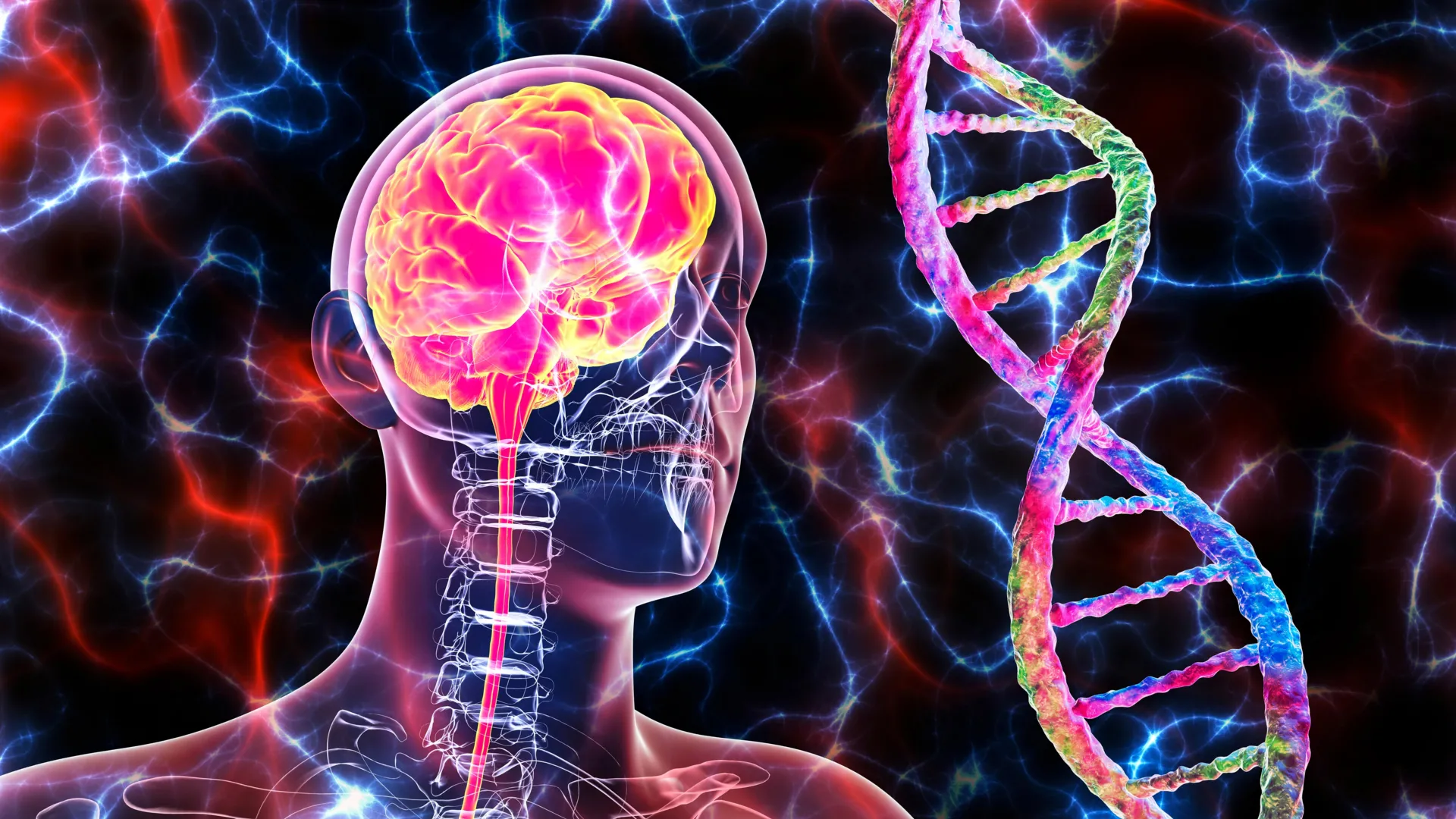
As people grow older, their cells steadily pick up new genetic mutations. A study from Boston Children's Hospital, published in Cell, has uncovered an unexpected twist in that process. Researchers found that microglia, the immune cells that reside in the brain, accumulate mutations in specific cancer-driving genes. Rather than causing cancer, however, these mutations may contribute to the development of Alzheimer's disease.
The research was led by Christopher Walsh, MD, PhD, Chief of the Division of Genetics and Genomics at Boston Children's Hospital and an Investigator of the Howard Hughes Medical Institute. Collaborators included Alice Eunjung Lee, PhD, and August Yue Huang, PhD, also of the Division of Genetics and Genomics. All three are Professors at Harvard Medical School and Associate Members of the Broad Institute of MIT and Harvard.
The team says the findings could point to new ways to diagnose and treat Alzheimer's disease.
"We find that to some extent, Alzheimer's disease is a little like cancer -- driven by the same mutations that drive blood cancers like lymphoma and leukemia," said Walsh. "This is helpful because we have a lot of drugs to fight cancer and some of them might be useful therapeutically for Alzheimer's disease."