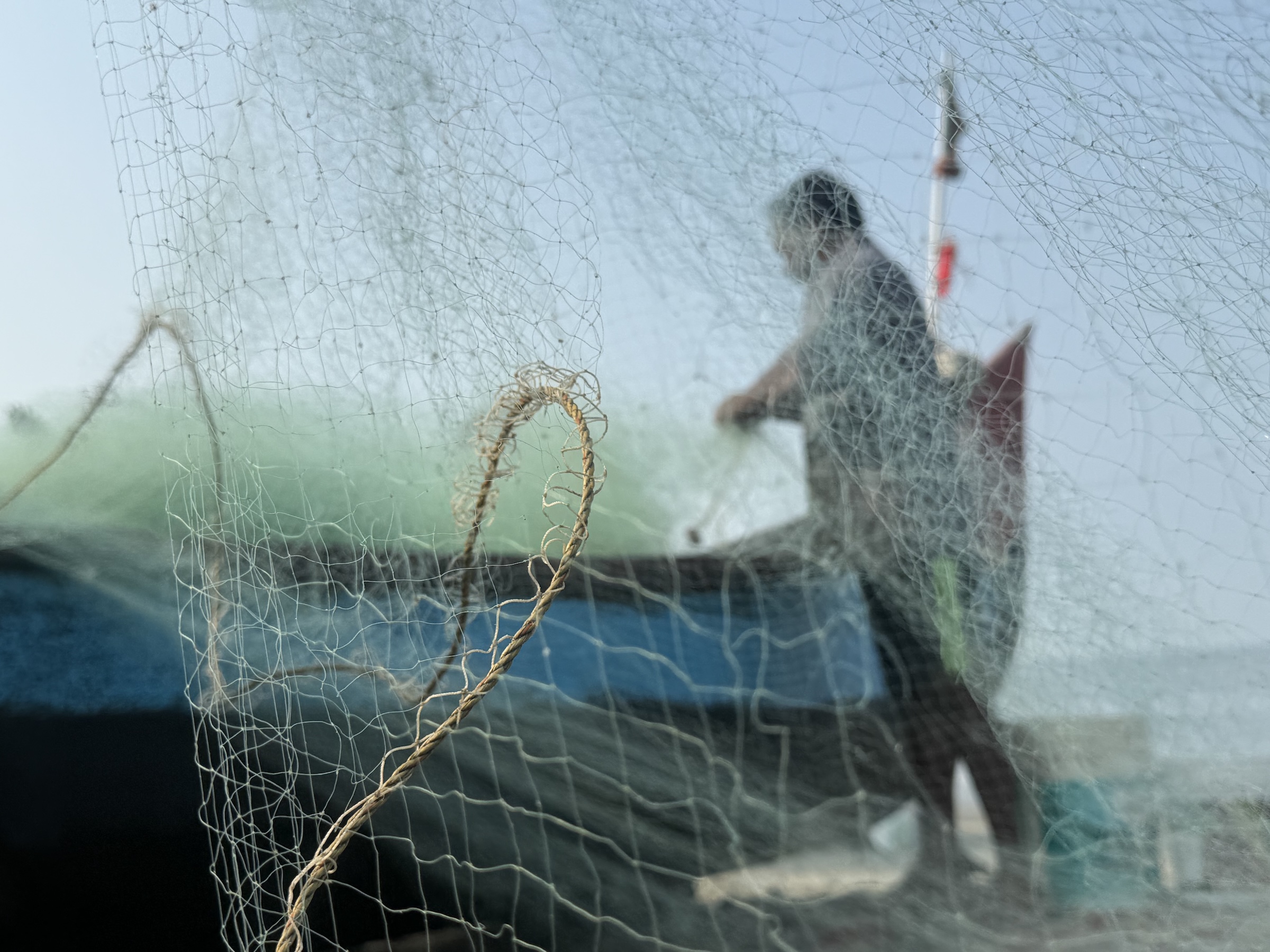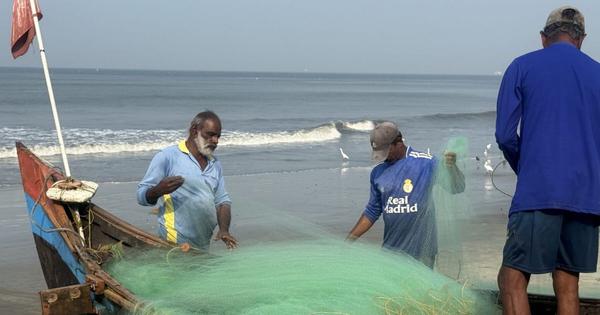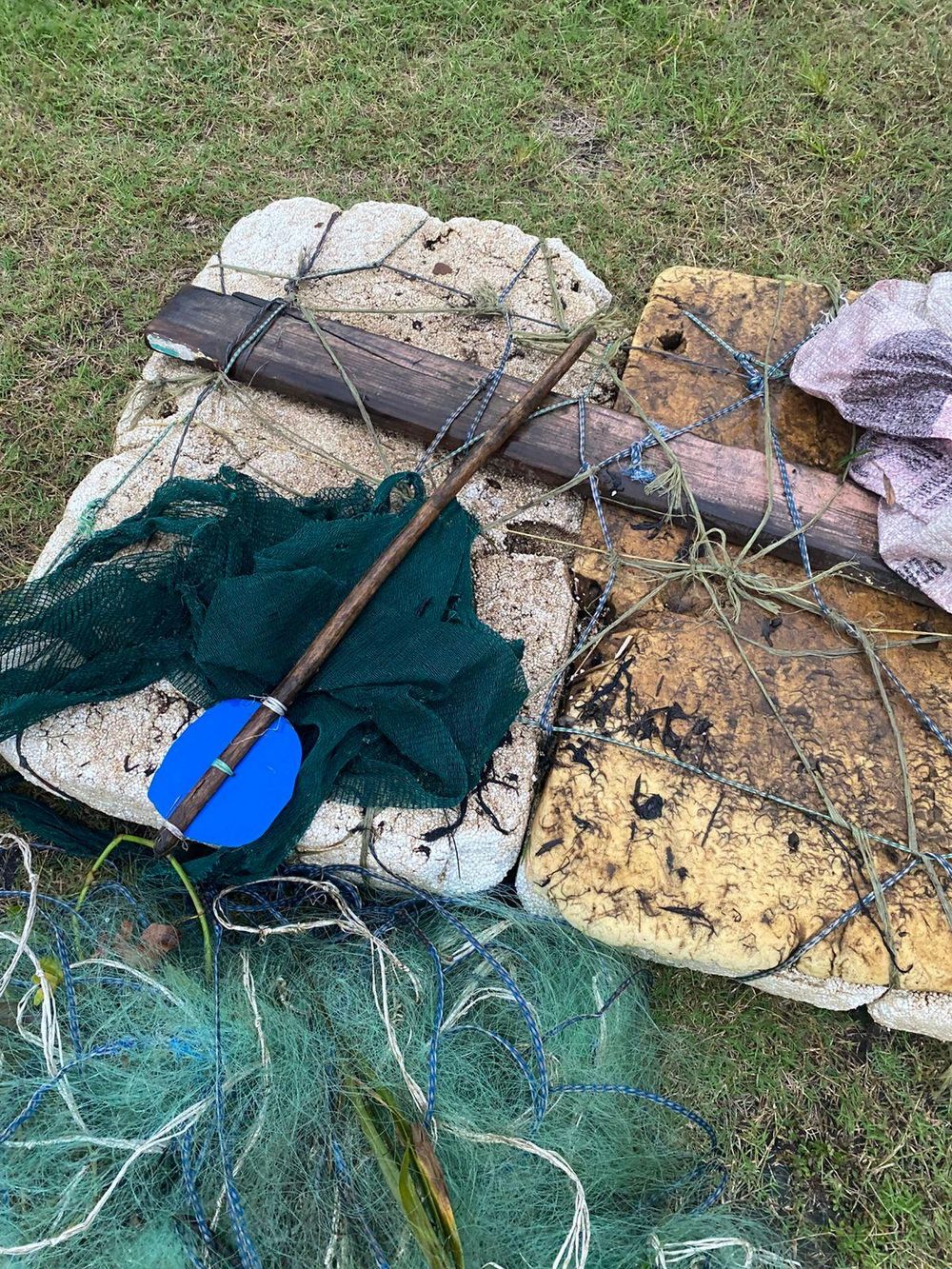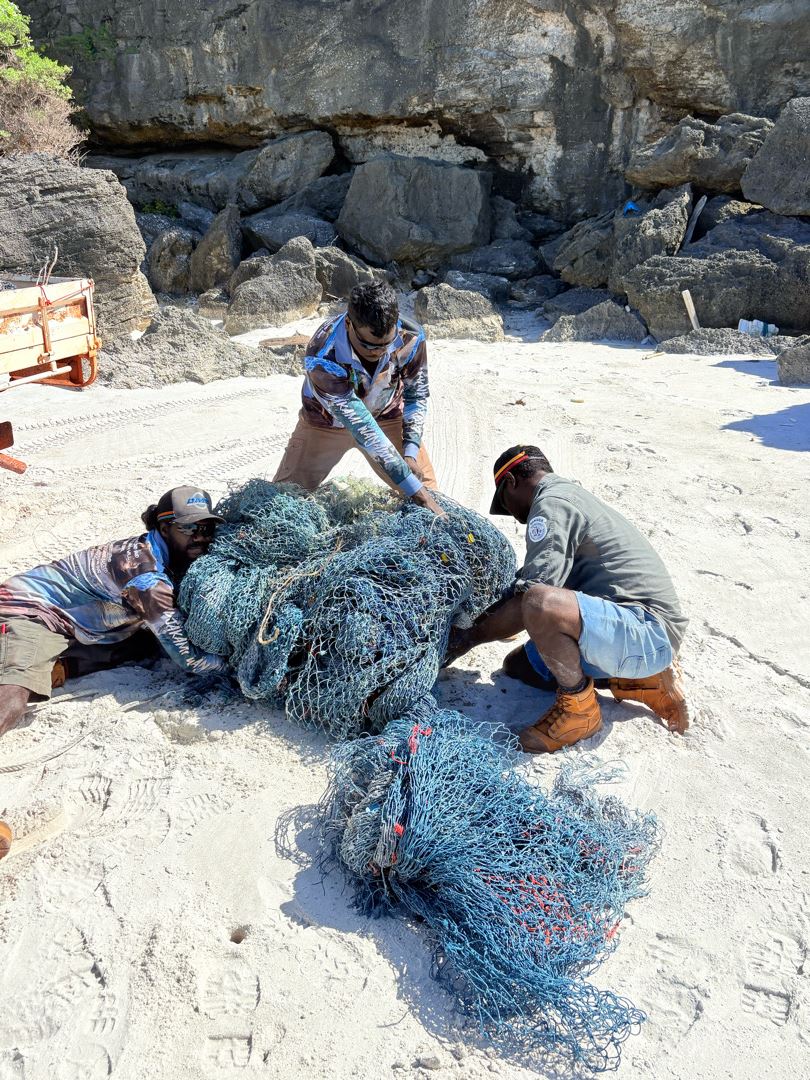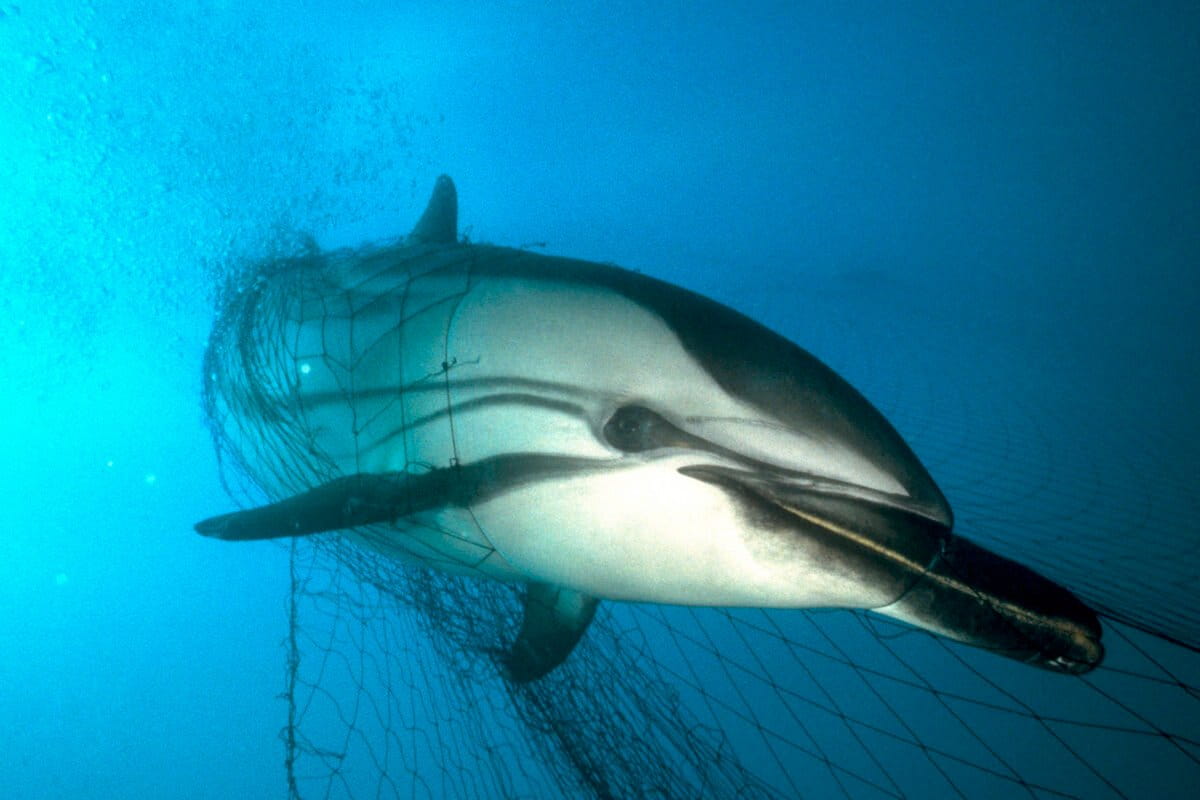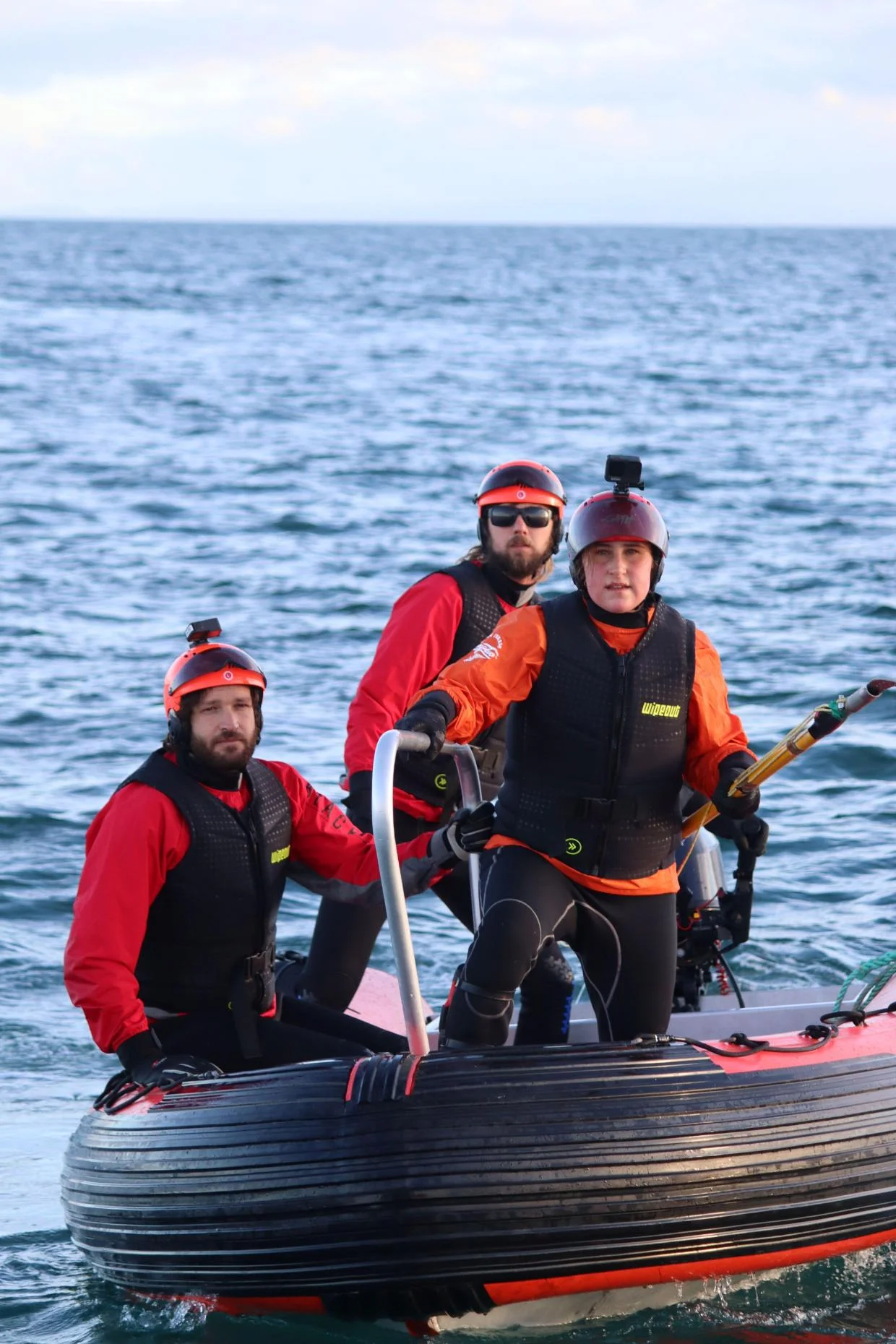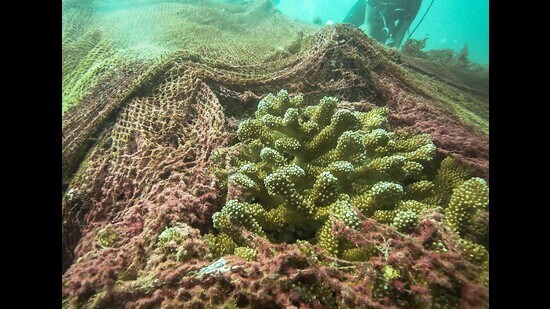
They’re the devils of the deep sea.Ghost gear traps and kills an estimated 136,000 seals, sea lions and large whales worldwide each year, according to World Animal Protection. (The Pearl Protectors)In something straight out of an epic, fisherfolk are now heading out to haul them to shore.Ghost gear — abandoned fishing nets, traps, pots and other gear, made largely of plastic — has been a chronic problem for decades.The first joint report on this threat, by the United Nations Environment Programme (UNEP) and Food and Agriculture Organization (FAO), released in 2009, estimated that abandoned, lost and discarded fishing gear (ALDFG) constituted roughly 10% of all marine litter, with about 640,000 tonnes generated annually.A multi-nation study published in Plos One in 2014 found that ghost gear makes up an estimated 70%, by weight, of the floating macroplastic in the world’s five major floating garbage patches.That’s the bad news. The good news is that efforts to get it out of the water are intensifying, and, even better, becoming more coordinated.Leading the charge is the Global Ghost Gear Initiative (GGGI), launched by the UK-based NGO World Animal Protection (formerly World Society for the Protection of Animals or WSPA). GGGI has expanded its network to more than 150 organisations across 20 countries, over the past decade.“Ten years ago, ghost gear was a niche issue with work being done by different groups with no cohesive push or drive to connect the issue with the global agenda, but this alliance has catalysed efforts to change that,” says senior director Ingrid Giskes.In India, similar initiatives have been taking shape over the past five years. Among the biggest of these is the programme run by the NGO TREE (Trust for Environment Education), which uses corporate social responsibility or CSR funding to pay fisherfolk ₹10 per kg of nets recovered.Since 2021, this initiative has roped in over 1,000 fishermen across Tamil Nadu, Andhra Pradesh, Odisha and Goa, who have so far retrieved over 217 tonnes of lost or abandoned ghost nets, according to TREE founder Supraja Dharini.Doing this feels like “cleaning the ocean” and gives him the satisfaction of knowing he has saved lives, says one of these fishermen, C Sedhupathy of Cuddalore in Tamil Nadu.Such nets do trap and kill an estimated 136,000 seals, sea lions and large whales worldwide each year, according to World Animal Protection. It was seeing the damage they can do first-hand that caused Dharini, a marine conservationist, to expand her efforts from sea-turtle conservation to ghost-gear removal too.“When a sea turtle loses one flipper, it can be released into the sea,” she says, referring to the ways in which abandoned nets can maim and entangle. “But when it loses two flippers, it can’t go back.”MERMAIDS AT WORKIt isn’t always as simple as encouraging fishermen to drag discarded nets onto a boat, however. Retrieving items such as crab traps and aquaculture frames can involve extensive underwater reconnaissance, divers, remotely operated vehicles and even sonar surveys.In Canada’s British Columbia, the decade-old Emerald Sea Protection Society works with dive teams and local fishermen to conduct such operations. In North America, groups of commercial fisherwomen who call themselves Sirenas de Mexico or Mermaids of Mexico are signing up with the NGO Conservation International Mexico so they can train and be certified to dive. They then draw on flippers and head in and drag gear out of the water.“When diving, you can get to know the ocean in its most splendid form… from the smallest fish and crustaceans to the largest and most dominant. Doing this radically changed my perspective and my vision of the ocean,” Sirenas diver Gloria Acevedo told Smithsonian Magazine last year.In Sri Lanka, since 2021, a youth-led volunteer organisation called The Pearl Protectors is combining recreational diving with ghost-gear removal, with a special focus on coral reefs and other sensitive marine ecosystems. Over five years, as part of their Cleaner Seabeds programme, 354 volunteers have retrieved over 2.3 tonnes of discarded nets.“Many shallow-water reefs have become entangled in ghost nets, with corals being destroyed, marine life trapped and large parts of undersea reef areas being damaged,” says Muditha Katuwawala, a conservationist, economist, commercial diver and executive director of The Pearl Protectors. “This affects shallow-water fish catch, as well as water quality, because the loss of filter feeders such as barnacles and corals can increase sedimentation around reefs. It can be bad for tourism too, impacting activities such as snorkelling and diving.”
Strangled at sea: Inside the race to get ghost gear out of the oceans
Abandoned fishing nets, traps and other gear, made largely of plastic, have been a problem for decades. In some good news, efforts to help are gaining ground.
737 words~3 min read