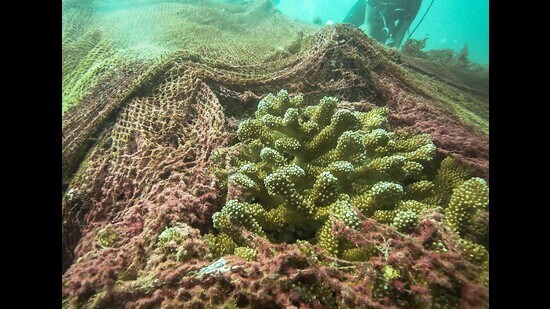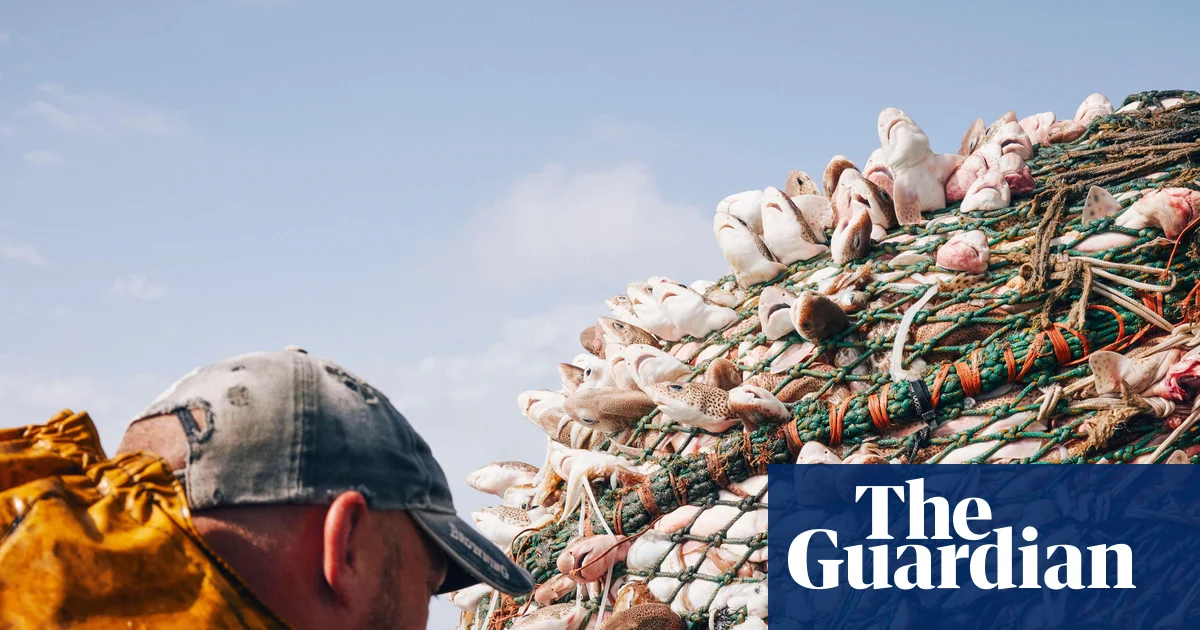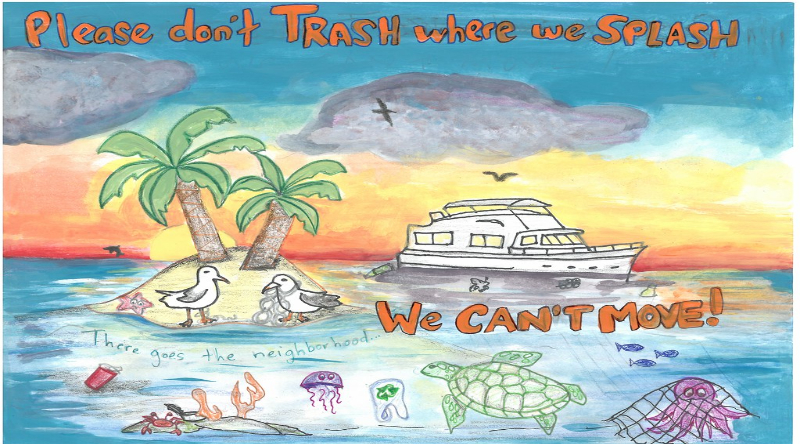
"James S." by NOAA Marine Debris Program is licensed under CC BY 2.0.
Support CleanTechnica's work through a Substack subscription or on Stripe.
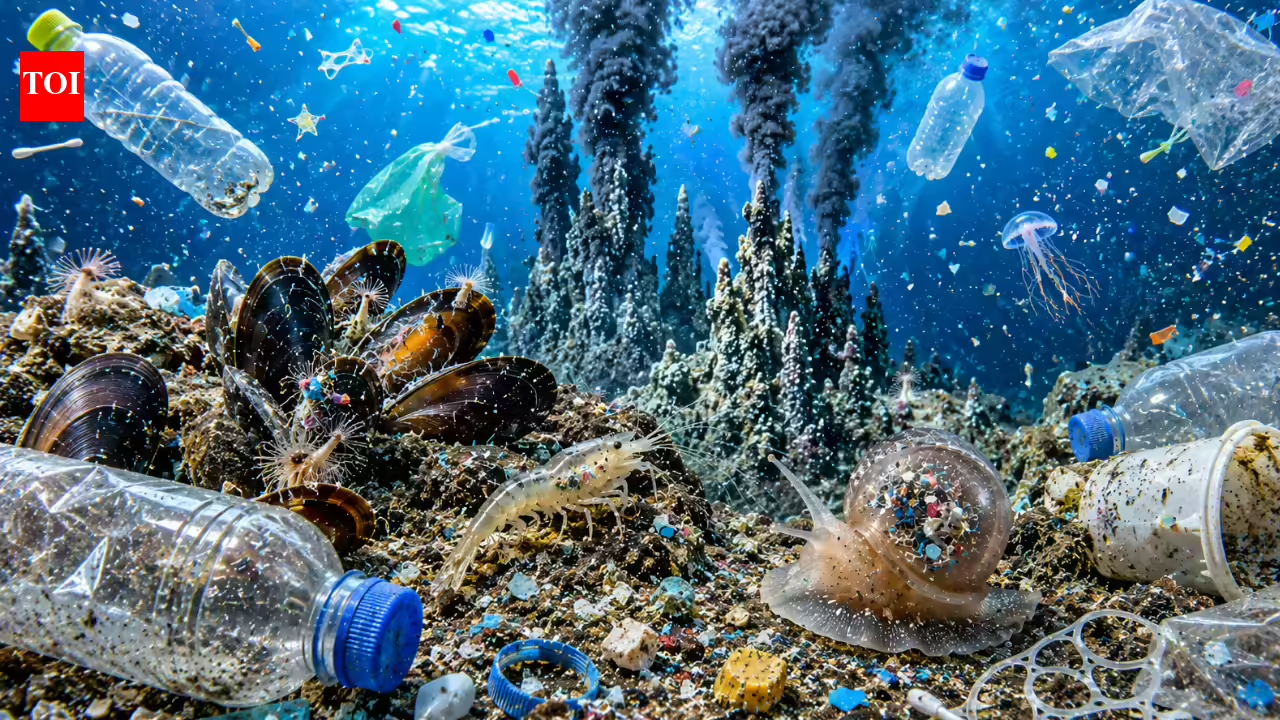
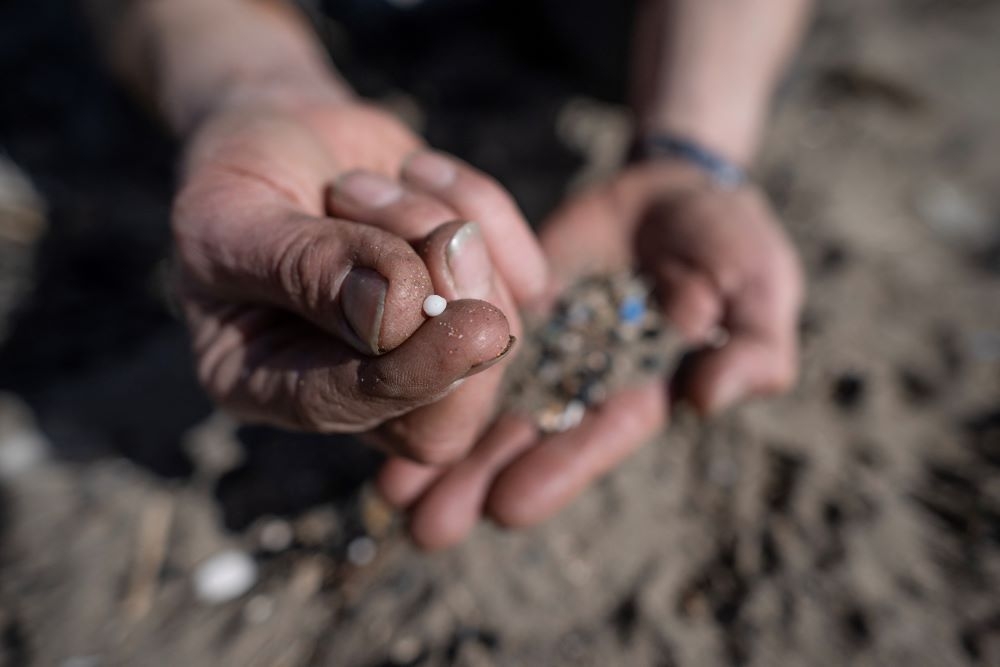
Pelagic fish are both coastal and oceanic fish, below and above the continental shelf. Ranging from forage fish — think anchovies and sardines — all the way to predatory fish like swordfish, tuna, mackerel, and sharks, pelagic fish are in trouble from microplastics (MPs). The pelagic uptake of MPs is increasingly evident in predator-prey interactions, which means that food webs, including commercially viable fish and shellfish, are being compromised.
This is serious because MP uptake produces ecological impacts in structurally complex coastal systems. Oh, yeah, and the potential of MPs to affect humans is no longer theory — MPs enter the deep lungs and airways of humans, become lodged or fixed, and cause either acute or chronic inflammation.
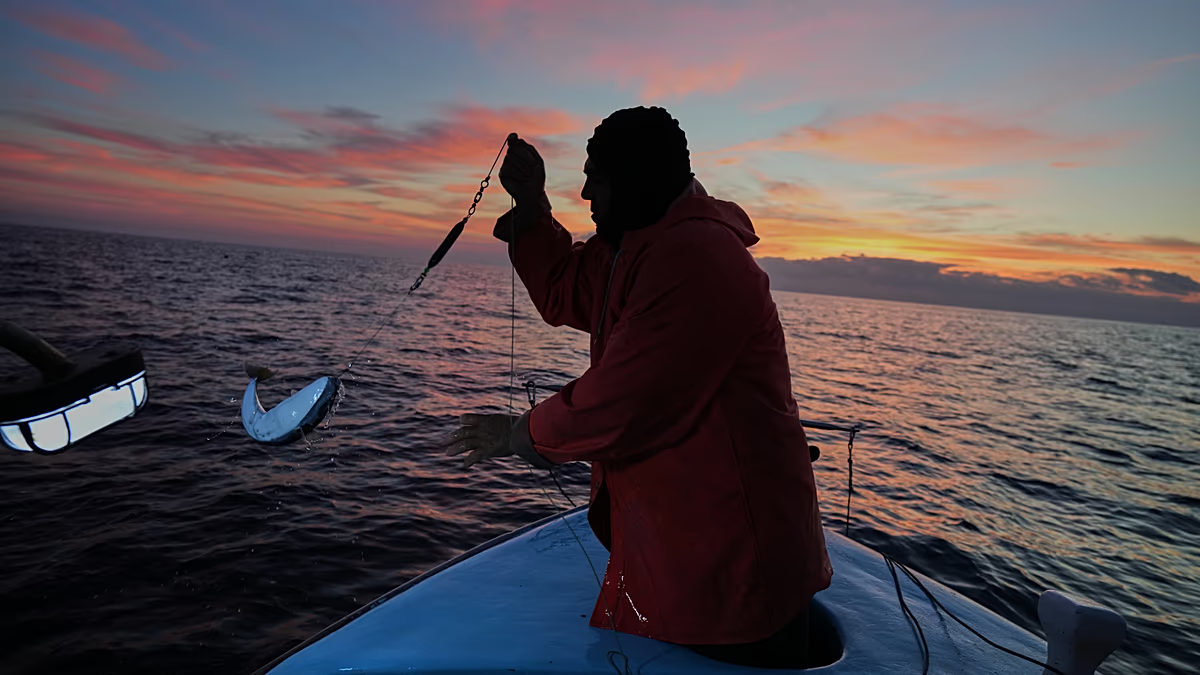
The fate of pelagic fish as a result of MP update was the subject of short films at the 2026 International Ocean Film Festival at the Harbor Branch of the Florida Oceanographic Institute. I wrote about a number of these short films earlier this week, and I want to continue the inquiry by looking at three films that allowed us an up-close-and-personal view of researchers who are collecting data in the wide blue ocean in order to help us understand the consequences of our own daily plastic consumption.