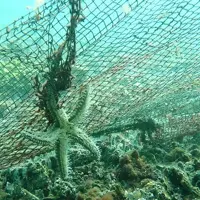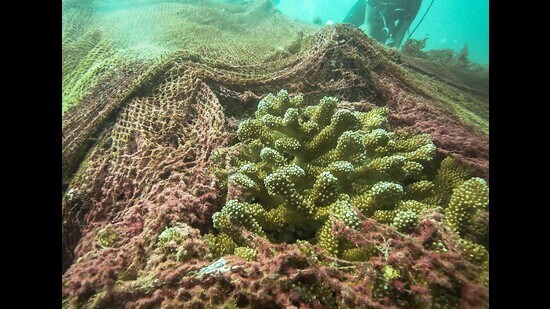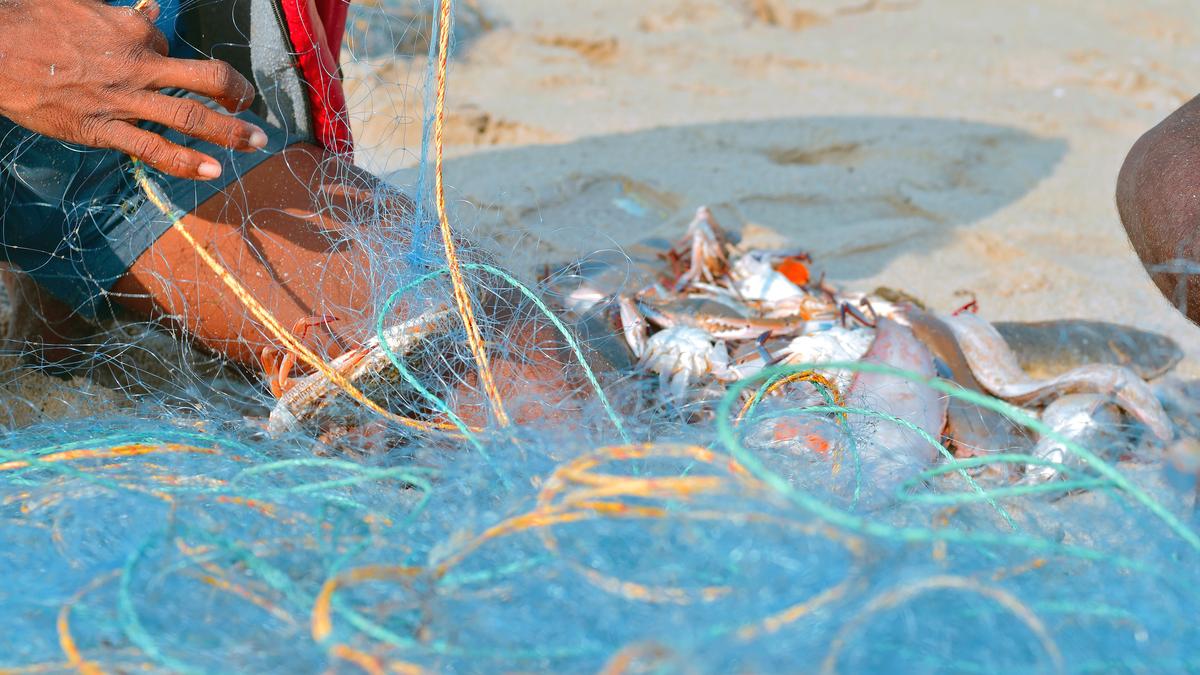
Across India’s west coast, fishers often abandon or discard their damaged gear at sea after seabed snags, mounting economic pressures, and increasingly crowded near-shore waters make recovery difficult, creating a constant stream of “ghost gear” into the Arabian Sea.Once lost, fishing gear continues to function, whether it drifts through the water column or settles on the seabed, trapping marine life or entangling marine habitat.Incentive schemes, retrieval efforts, recycling initiatives and other efforts to reduce harm show promise in some places in India. But experts say they tend to remain piecemeal and face common challenges such as a lack of recycling infrastructure and dependence on short-term funding.Many experts say the key to addressing India’s ghost gear problem lies in moving from ad hoc initiatives to institutionalized systems that intervene across the gear’s lifecycle, from design and use to end-of-life disposal.
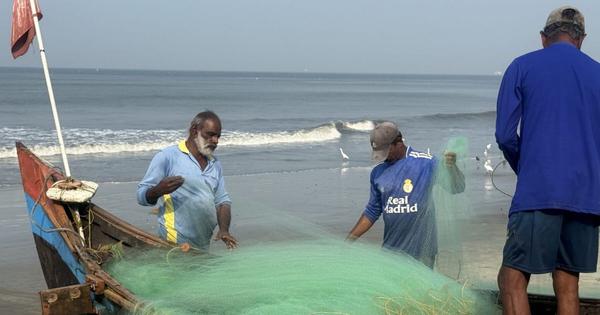
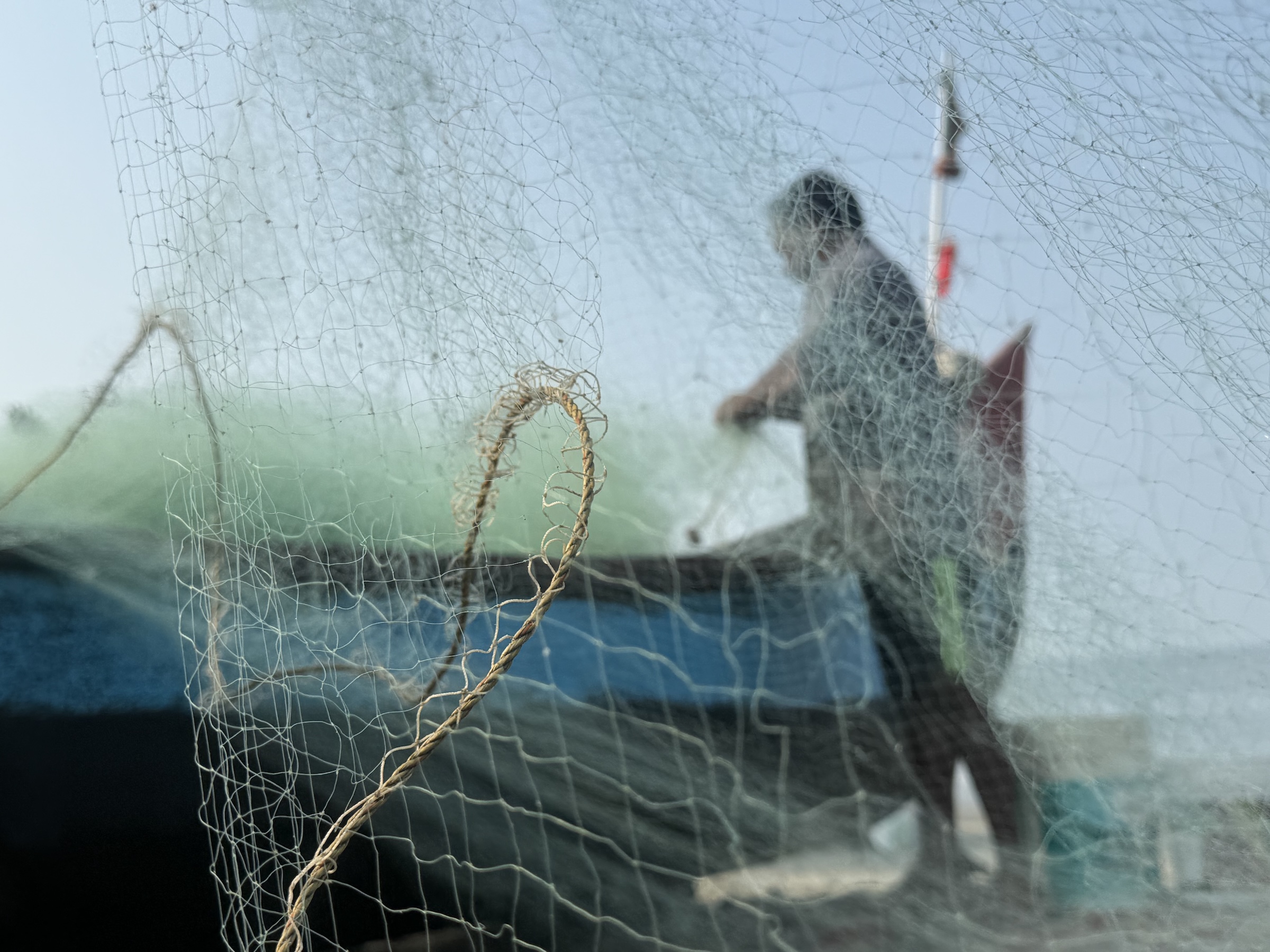
KOCHI, India — In the early light at Thoppumpady fishing harbor in the city of Kochi, coils of blue and green nylon nets lay heaped on the concrete docks, stiff with salt after a long night at sea. Many had been patched and repatched so often that they were barely holding together. Nets too damaged to mend are often cut loose offshore. Once they sink, few are ever recovered.