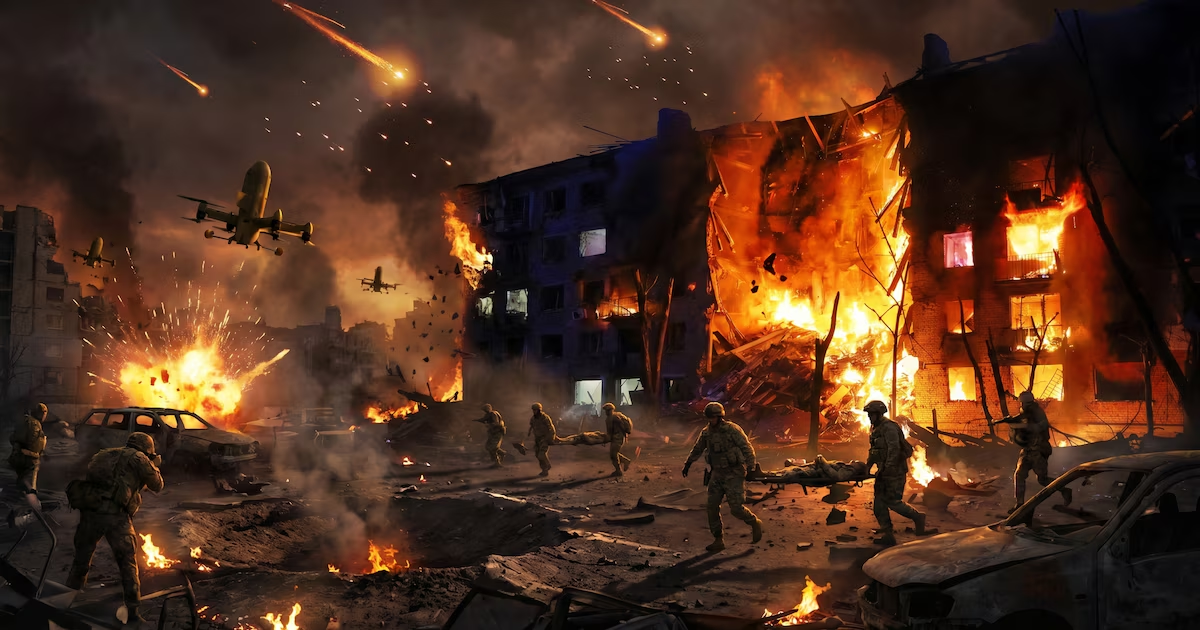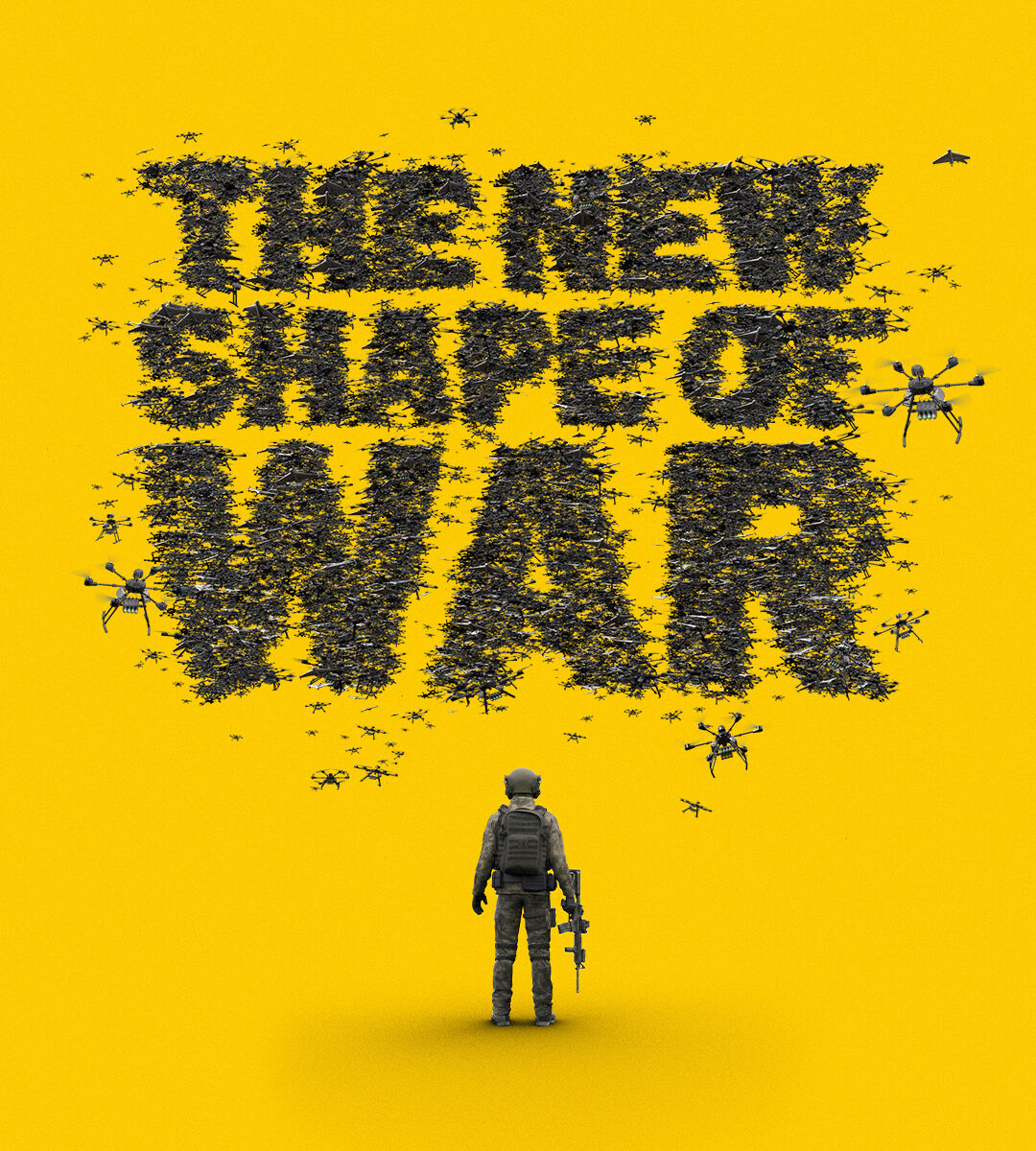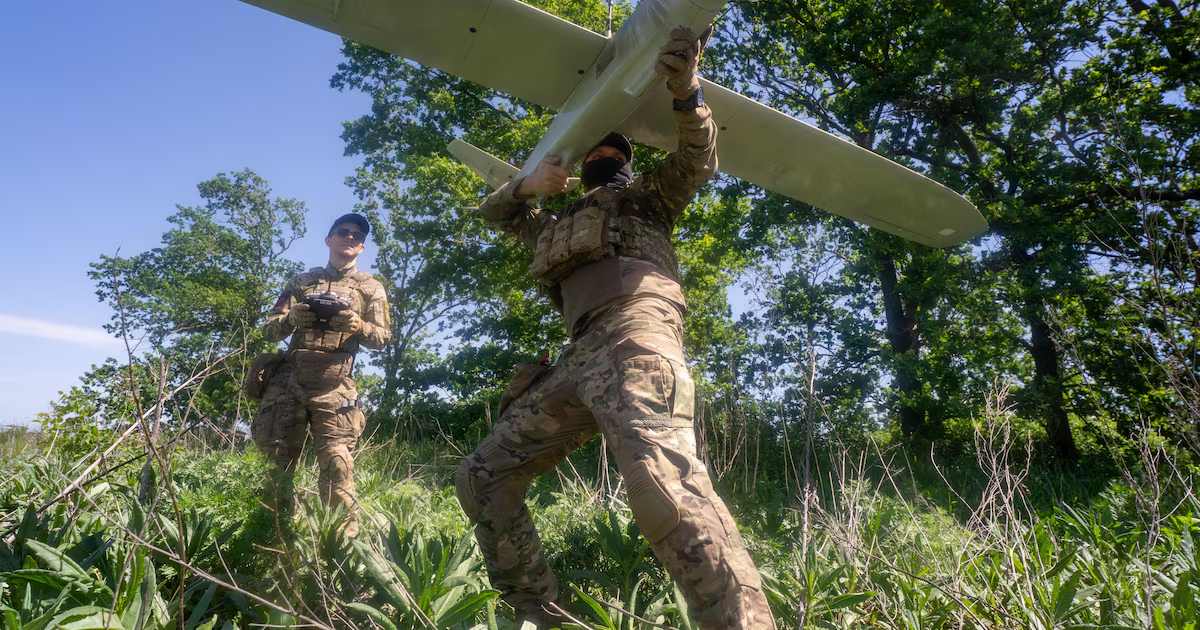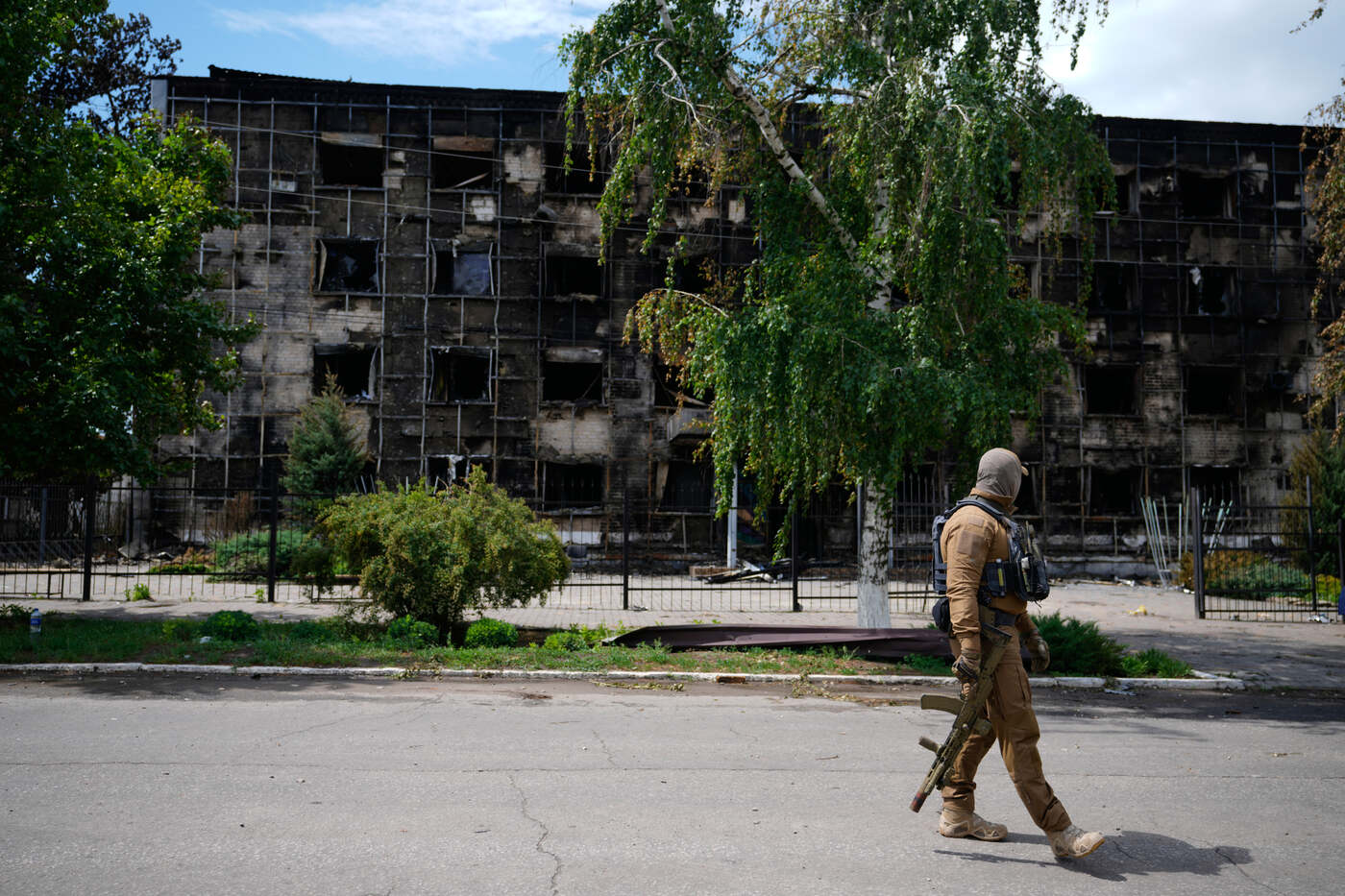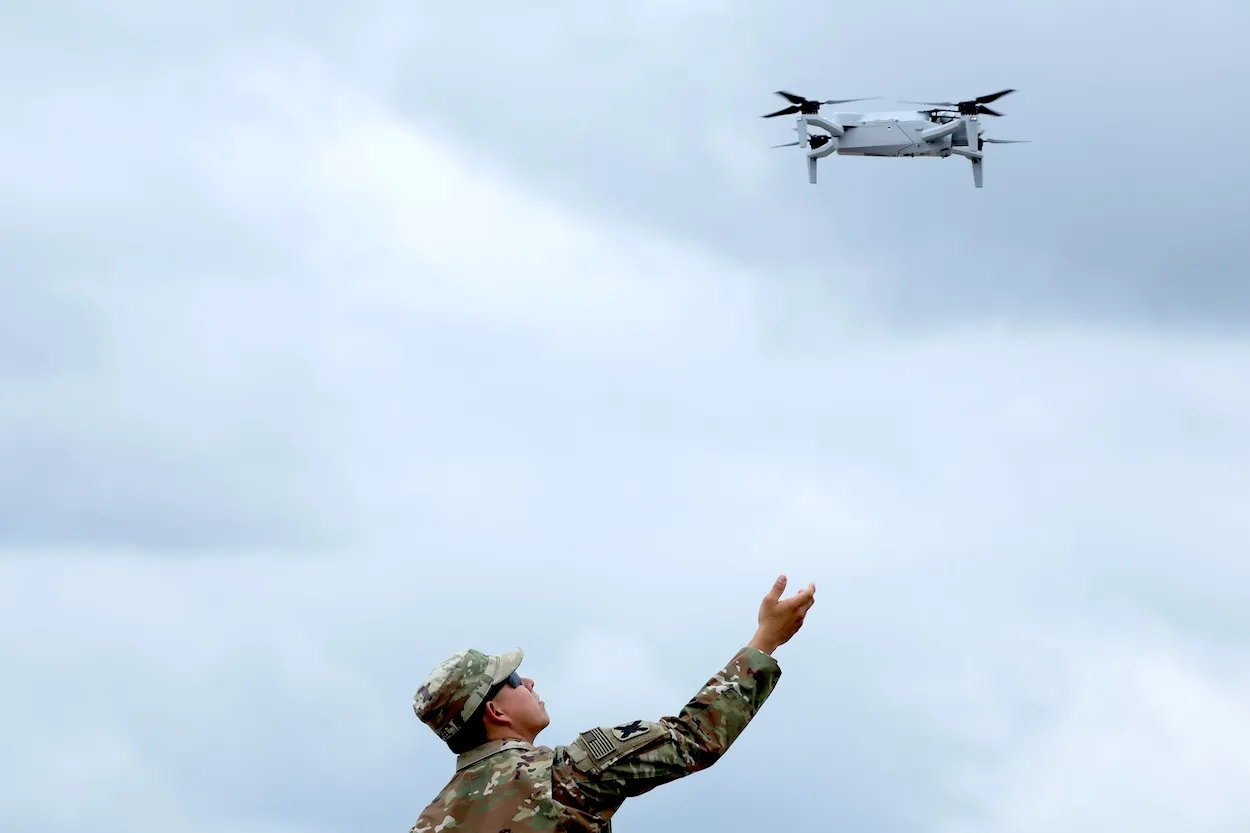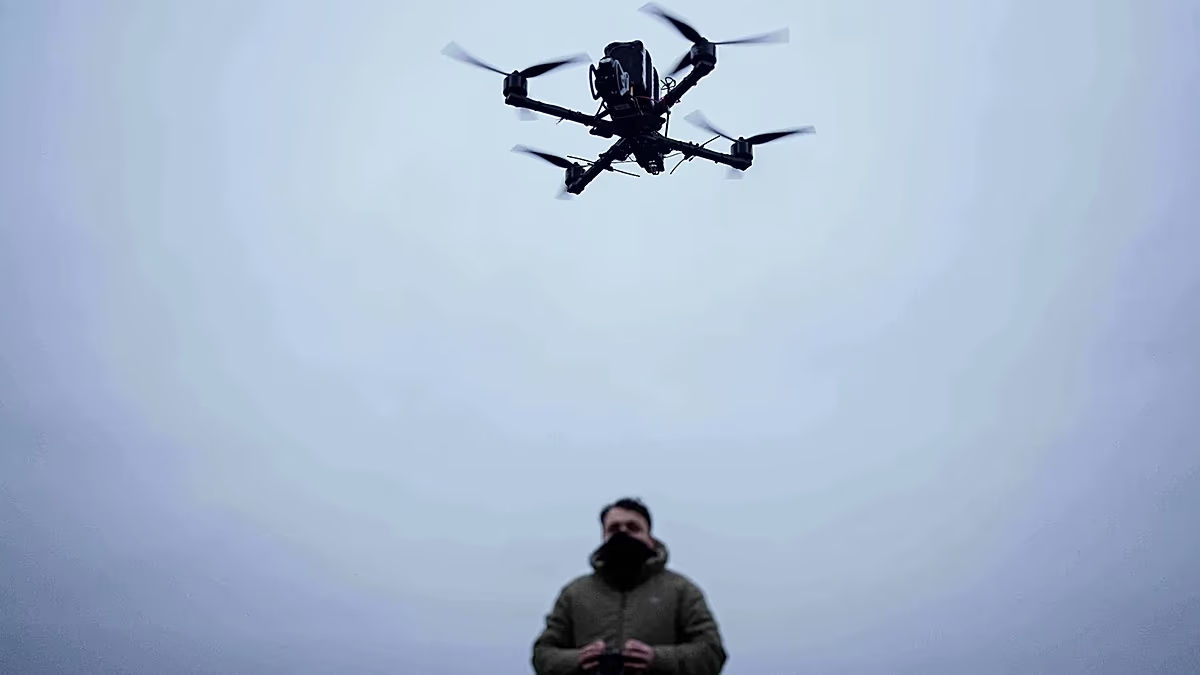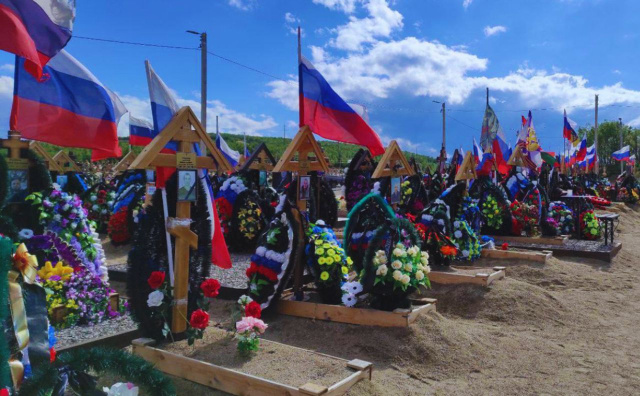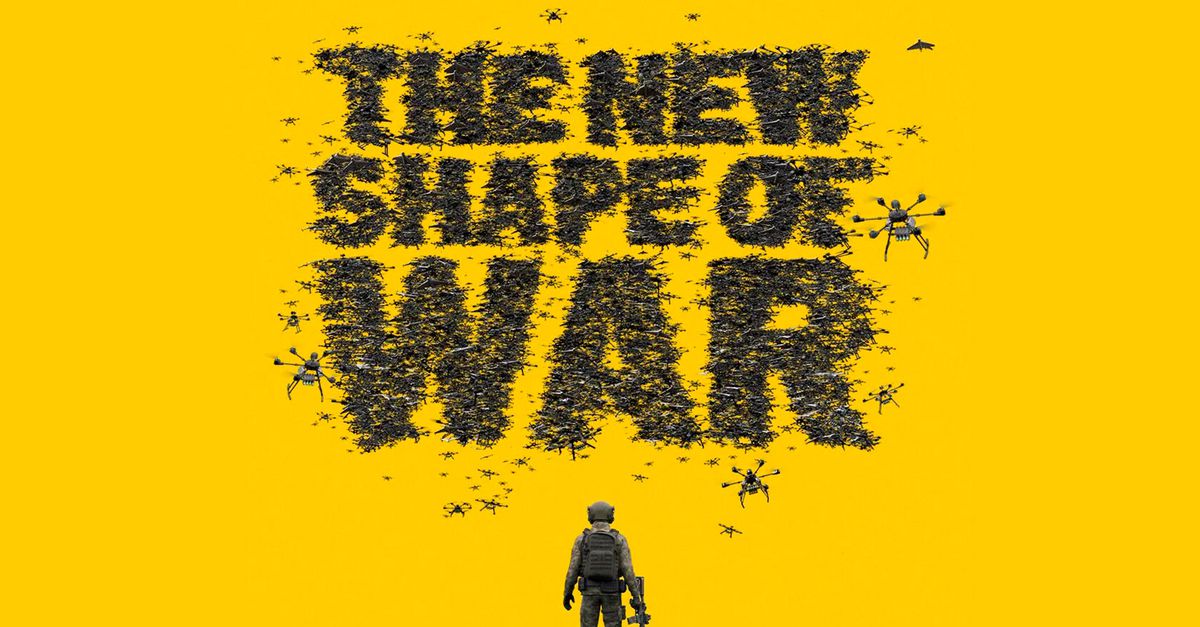
Bullets and bombs killed nearly three-quarters of a million people in wars between 2021 and 2024. Many more died from the indirect effects of conflict, such as hunger and disease. Combat deaths in the past four years have been the highest since the end of the cold war. And for what purpose? Not even the leaders who started recent wars can be pleased with the results. Russia’s invasion of Ukraine has become a humiliating quagmire for Vladimir Putin. President Donald Trump’s war on Iran has gone badly awry. These two wars of choice exemplify two new battlefield truths. Technology has made it harder for any army to advance on the ground. It has also made it easier for weaker powers, when attacked by stronger ones, to cause havoc.
De redactie van NRC selecteert de beste artikelen uit The Economist voor een breder perspectief op internationale politiek en economie.
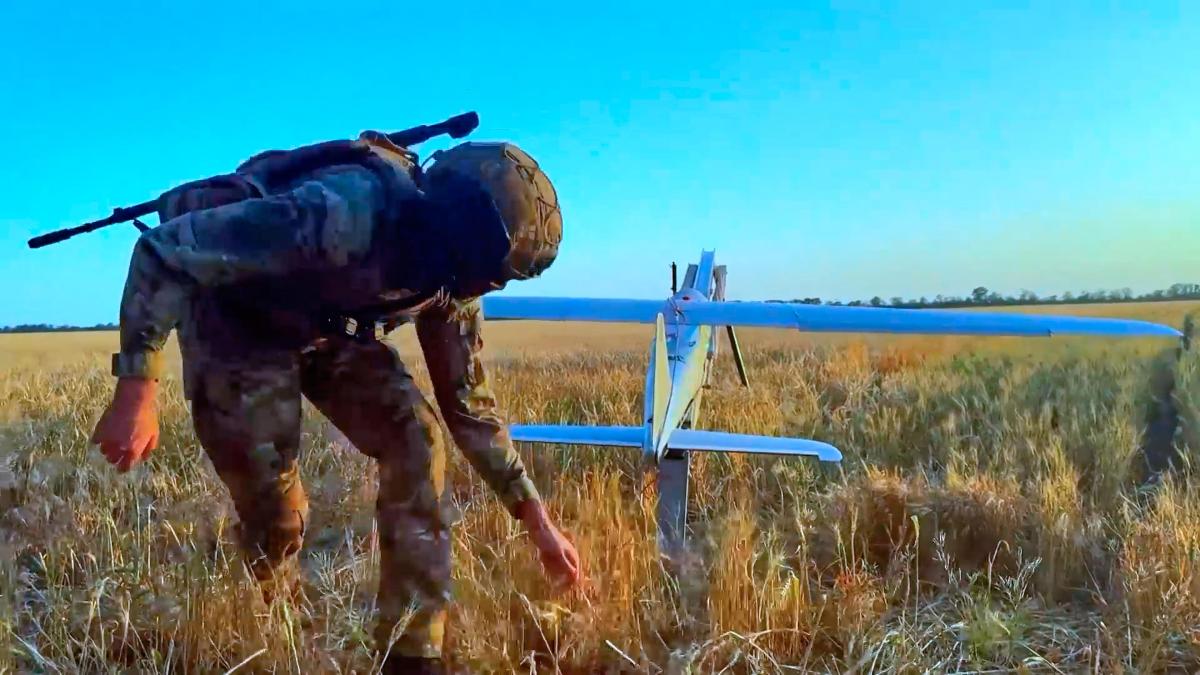
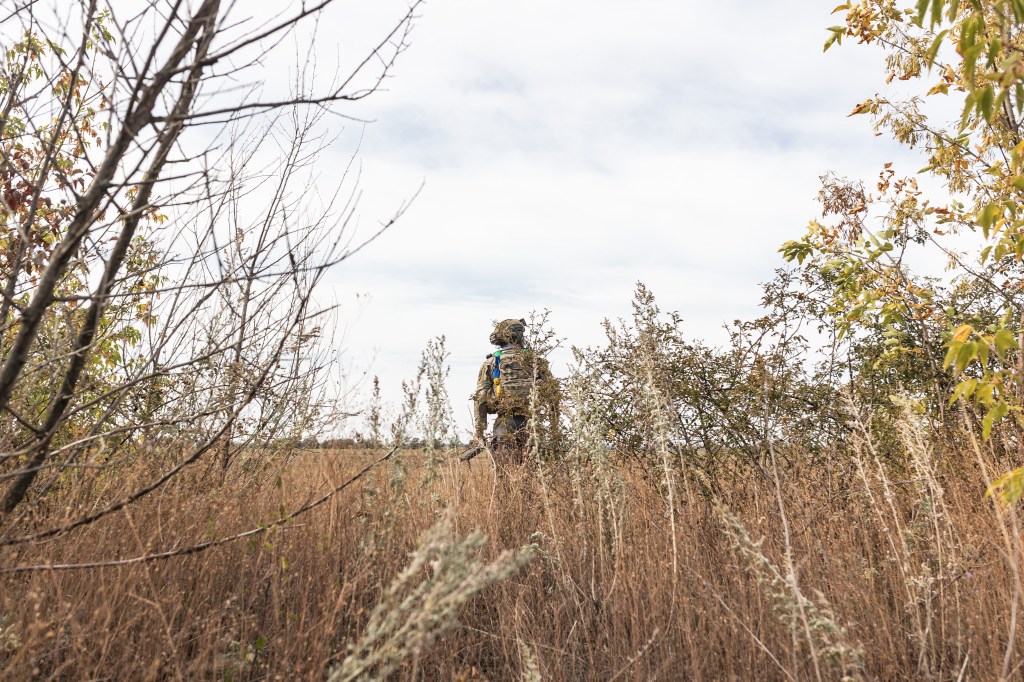
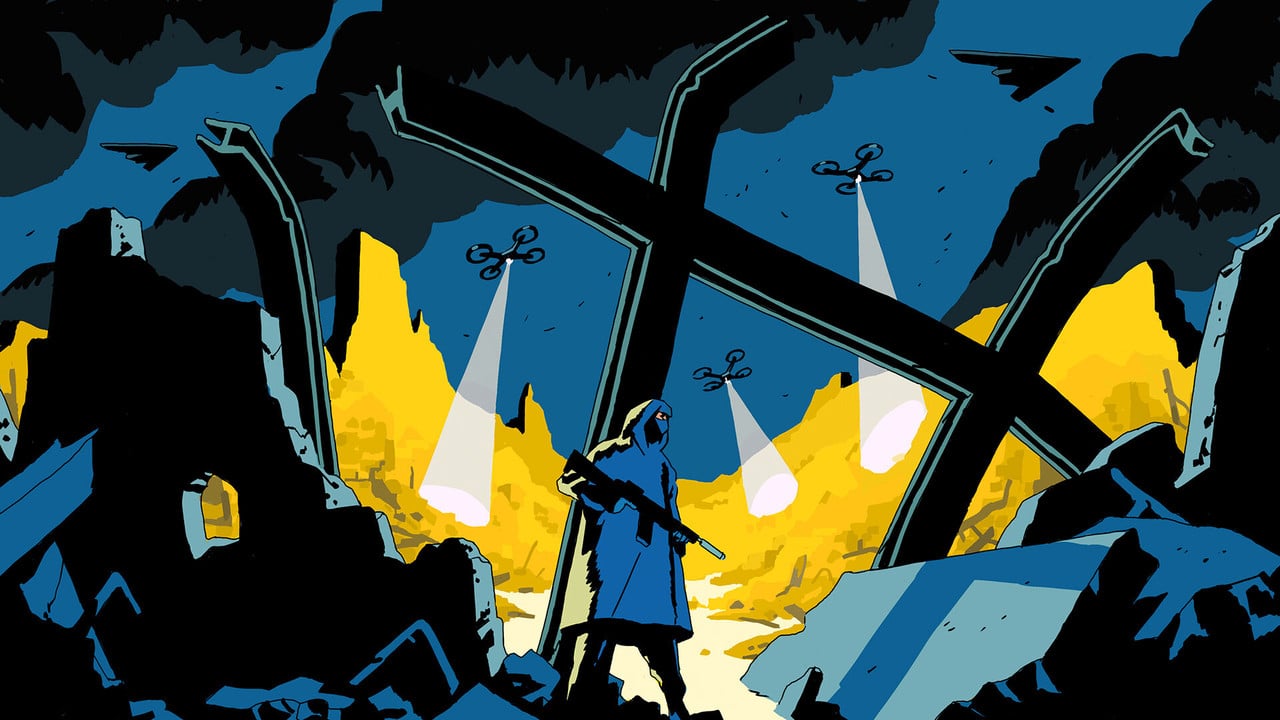
In a valedictory essay this week, The Economist’s defence editor reflects on how war has changed over the past decade and how it might evolve in the future. The first big shift is that soldiers are more exposed on the battlefield. Sensors and satellites can see them; small, cheap drones can kill them. Armies have to work harder than before to hide, move and survive. Ukraine’s expanding front-line „kill zone”, where soldiers move in small groups and ground robots evacuate casualties and deliver supplies, embodies this shift.