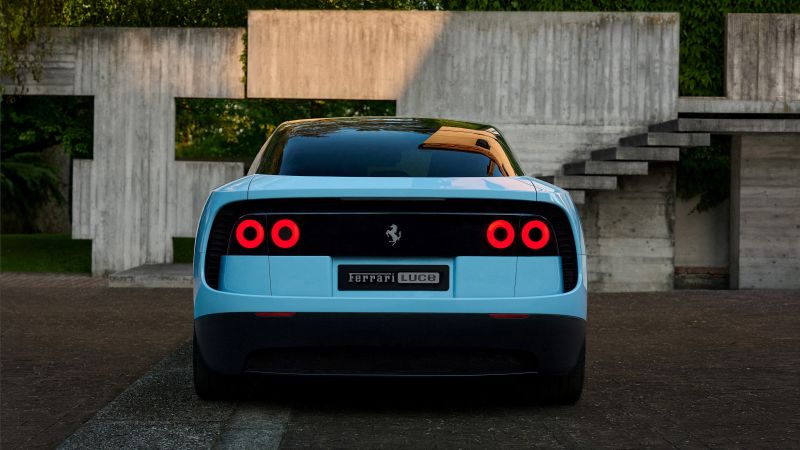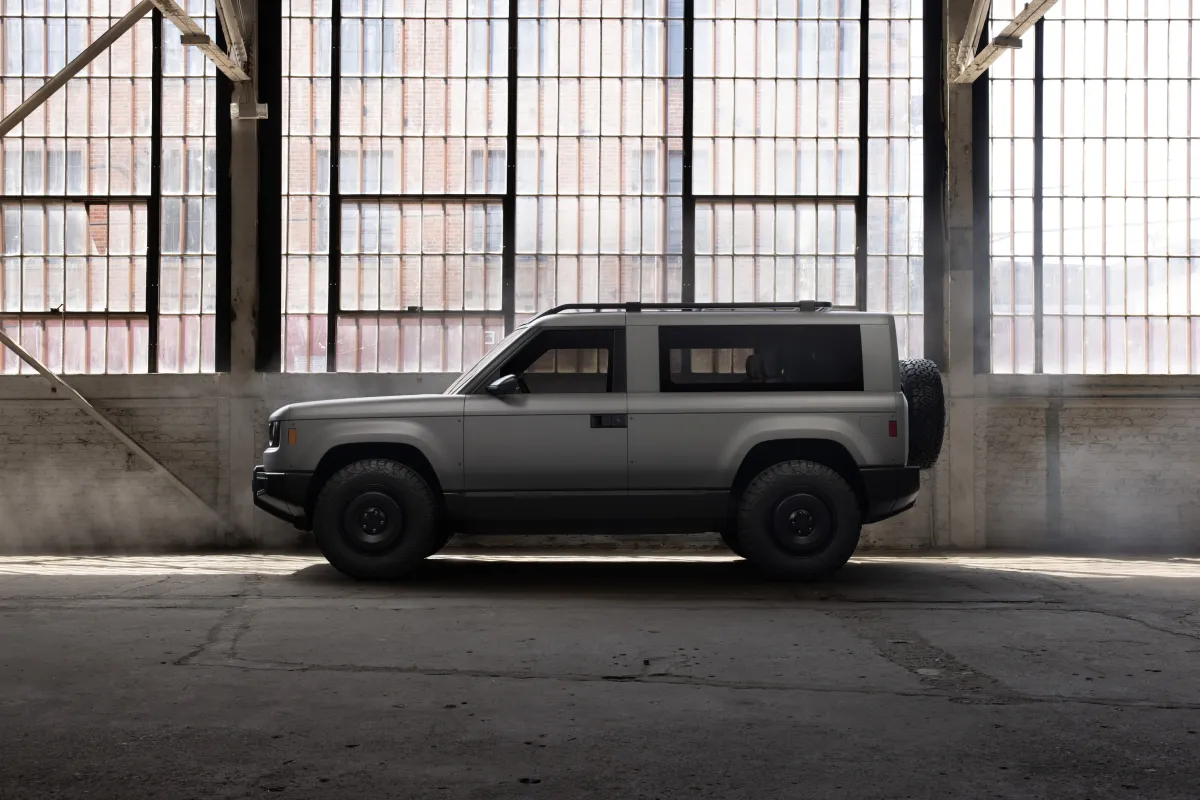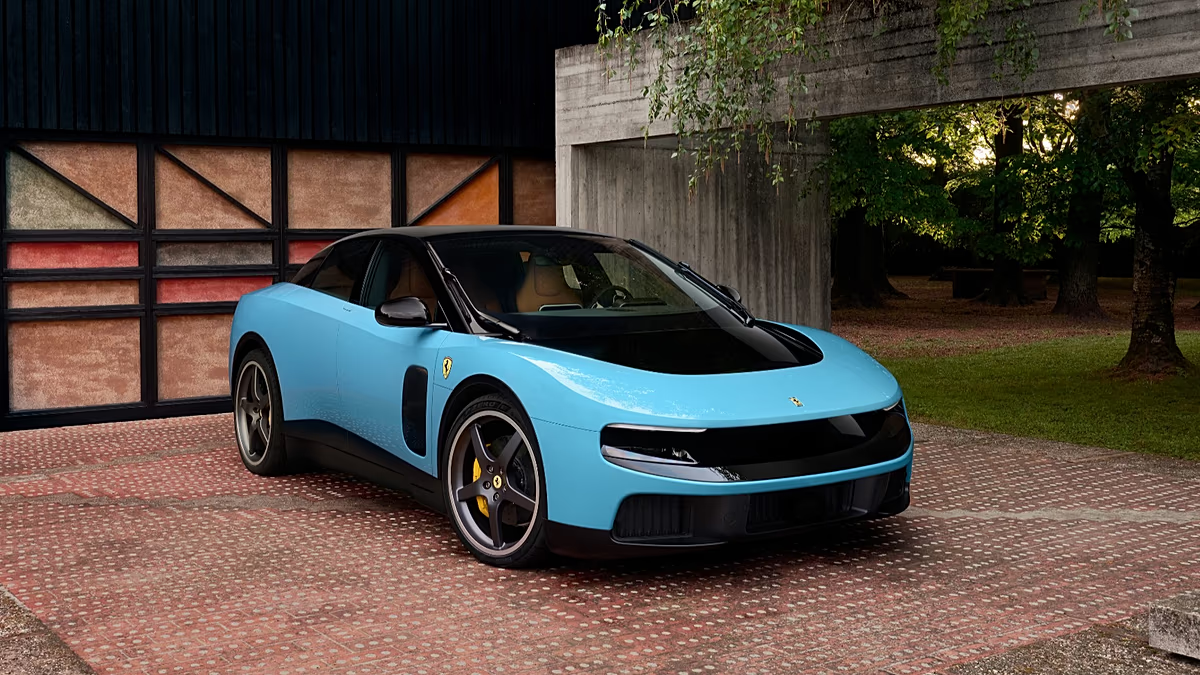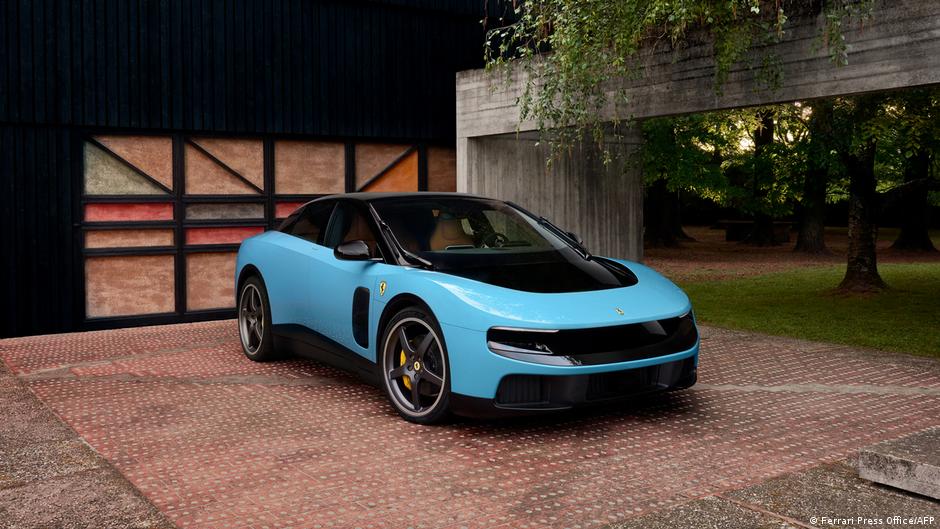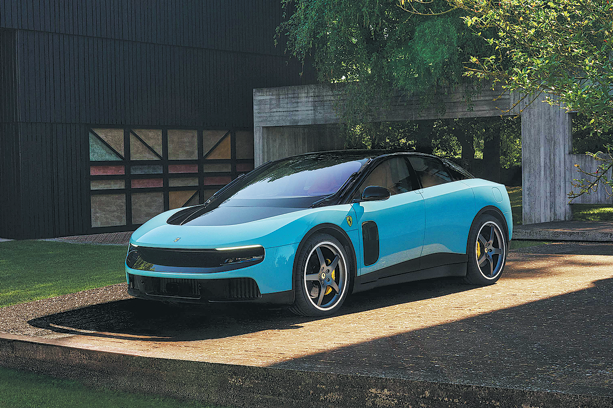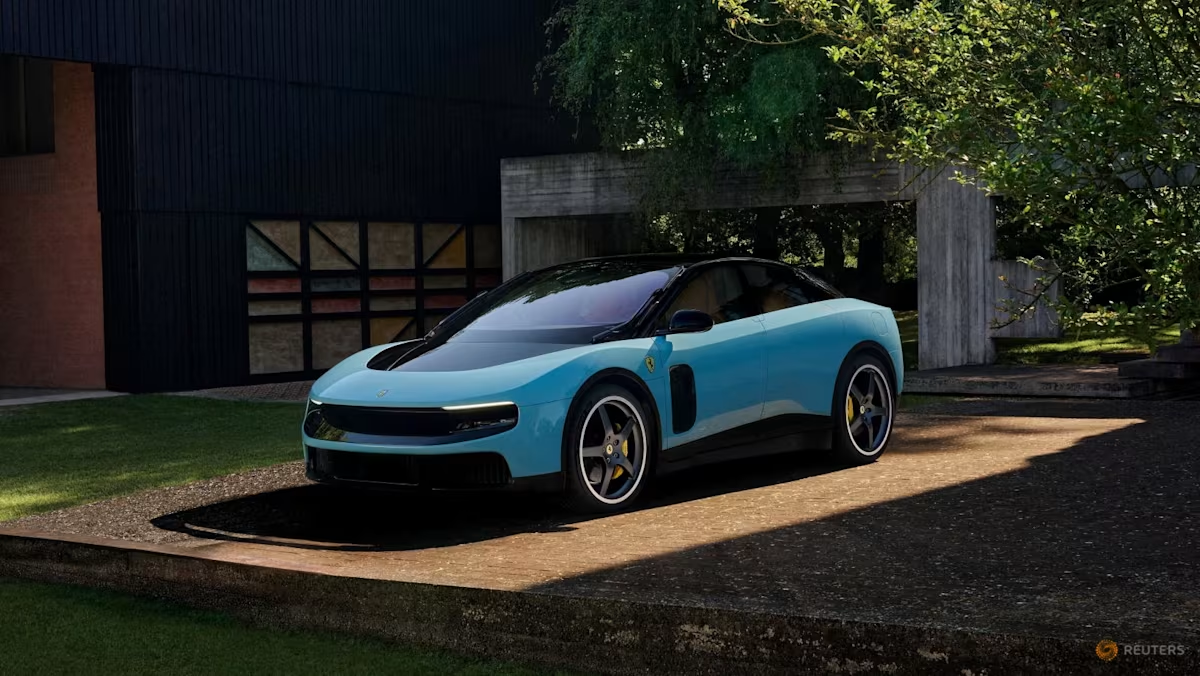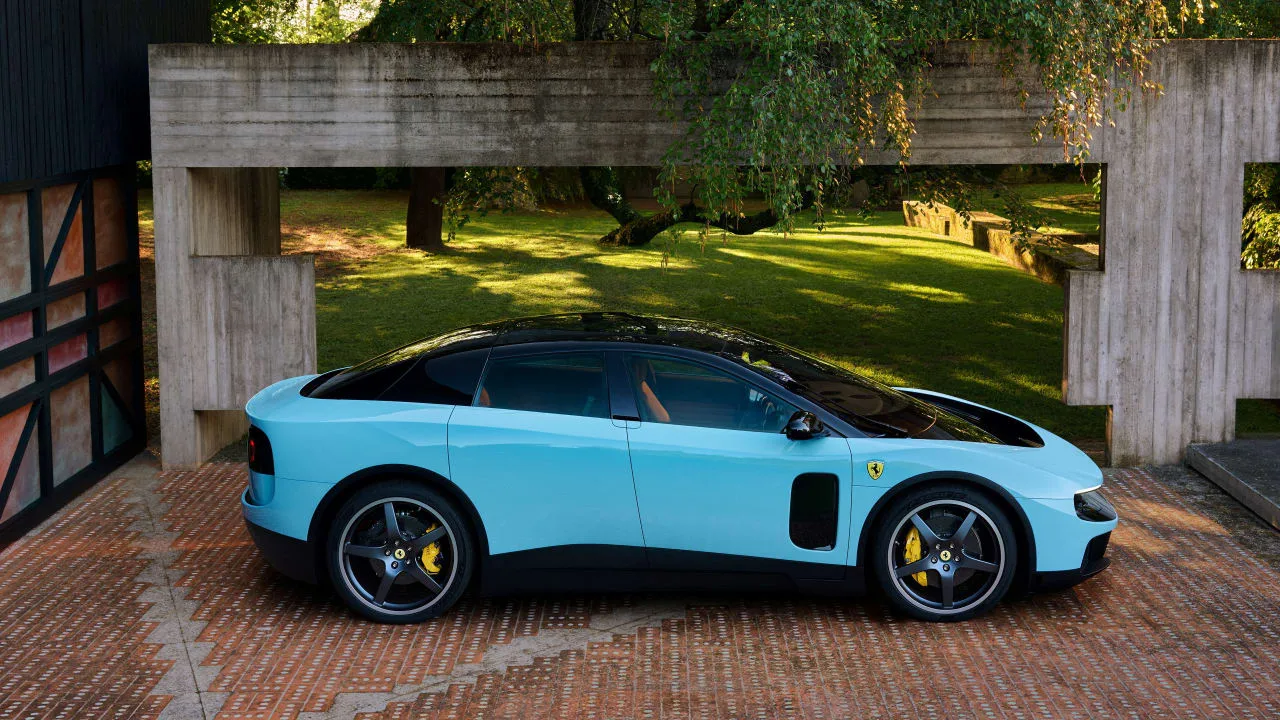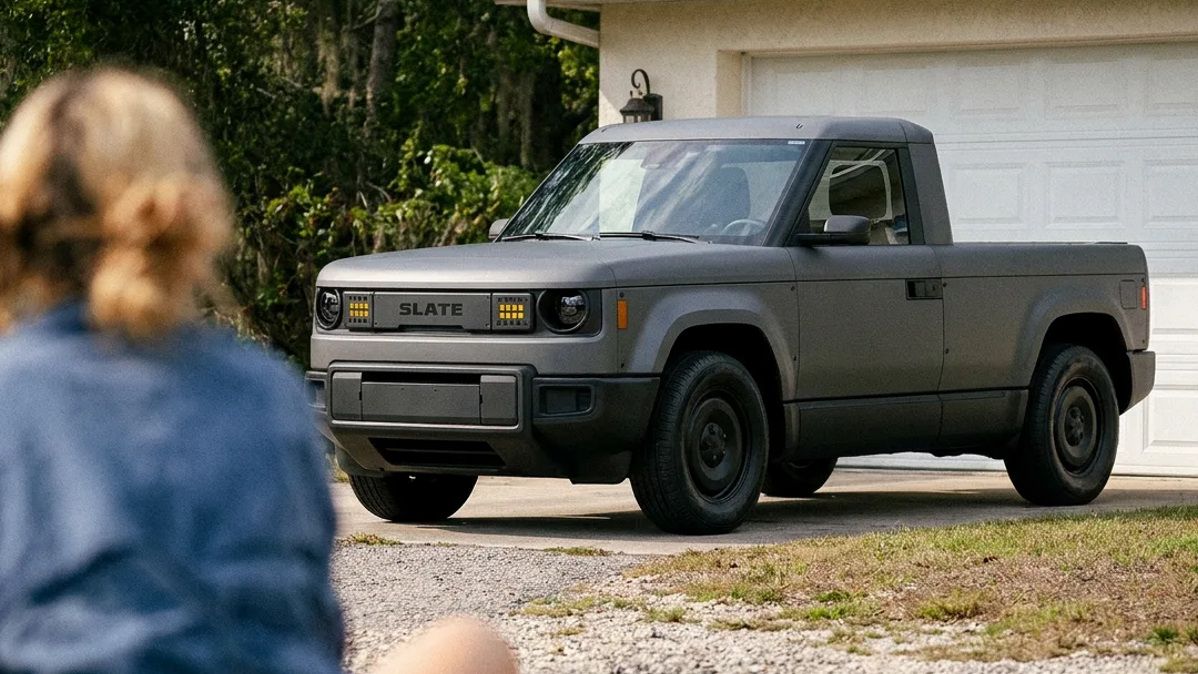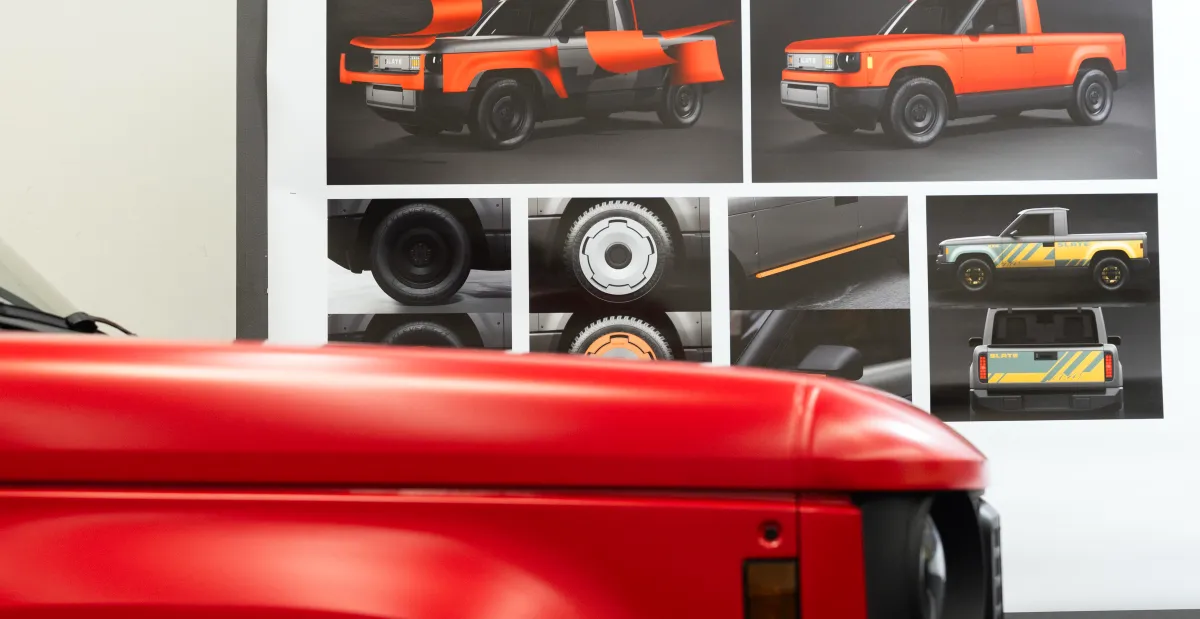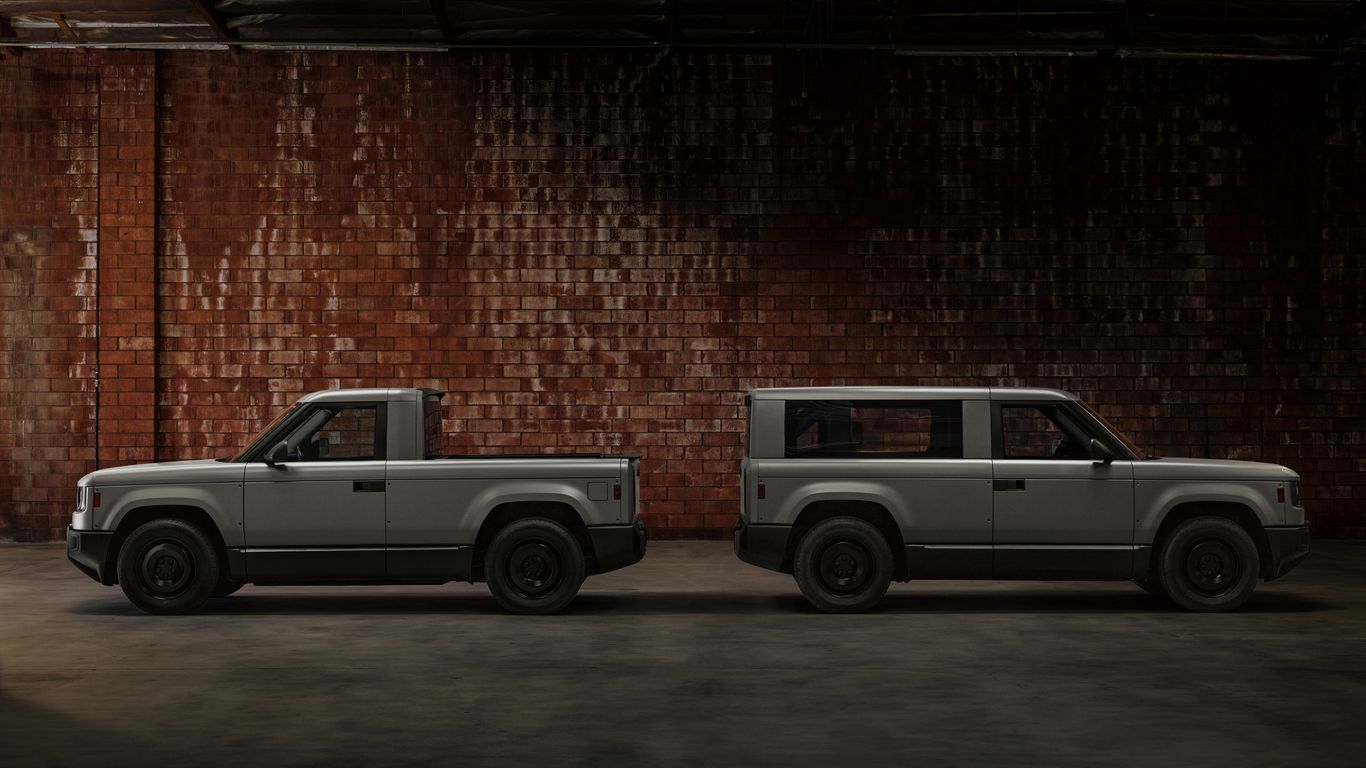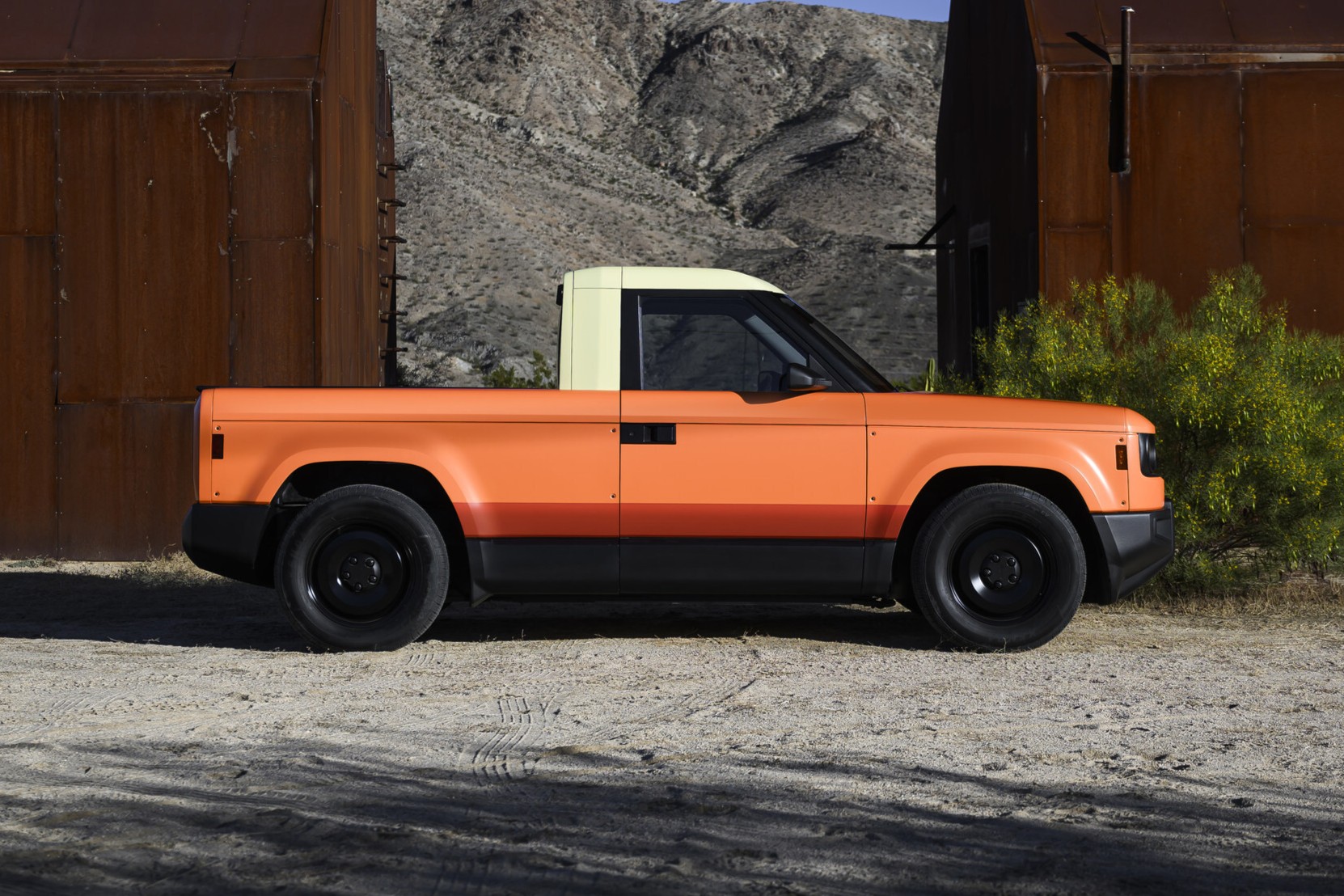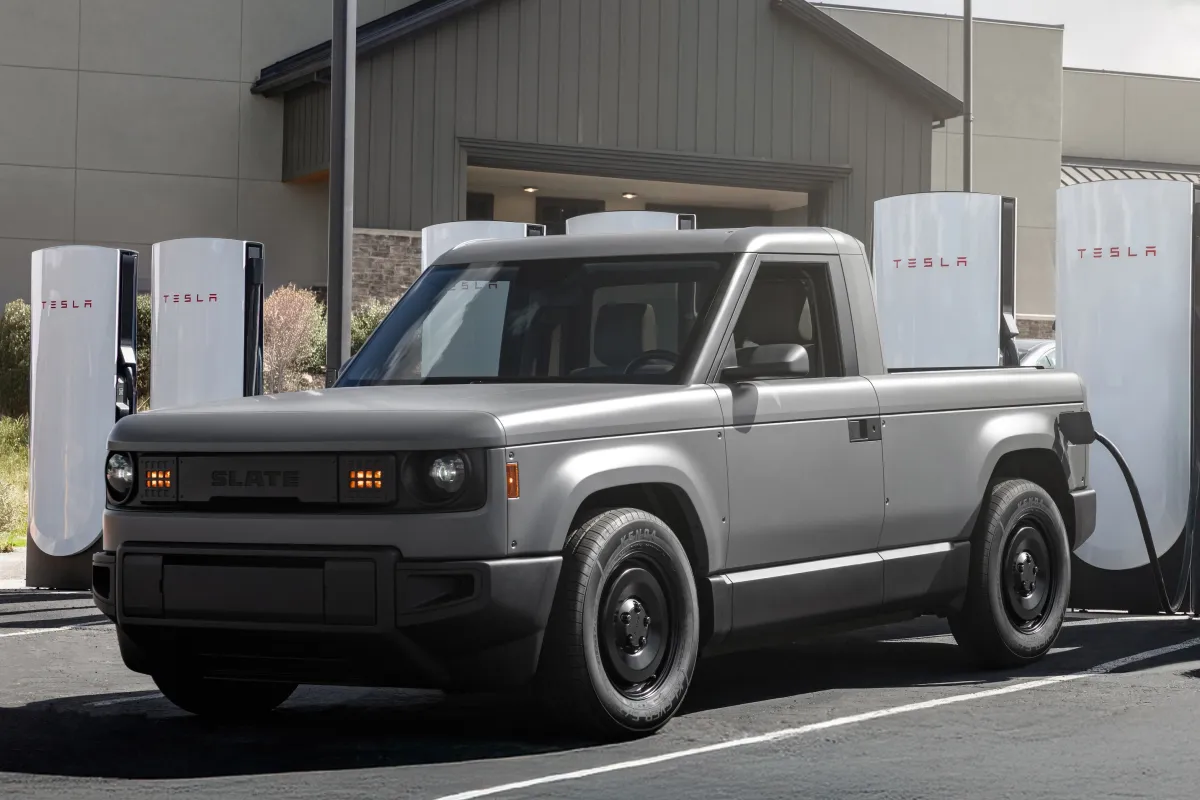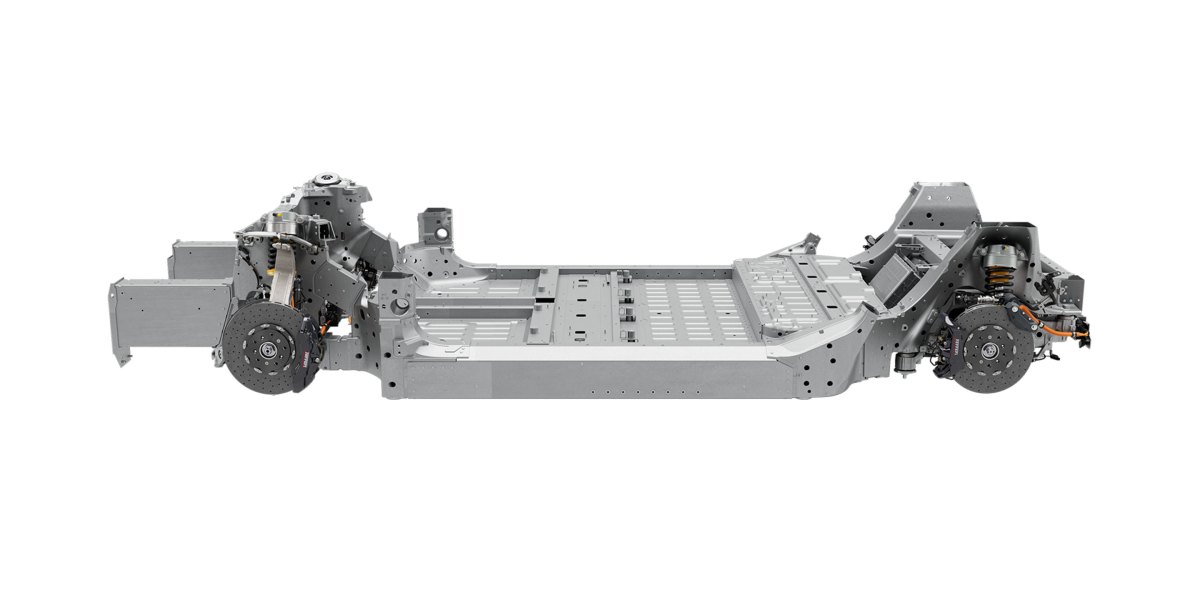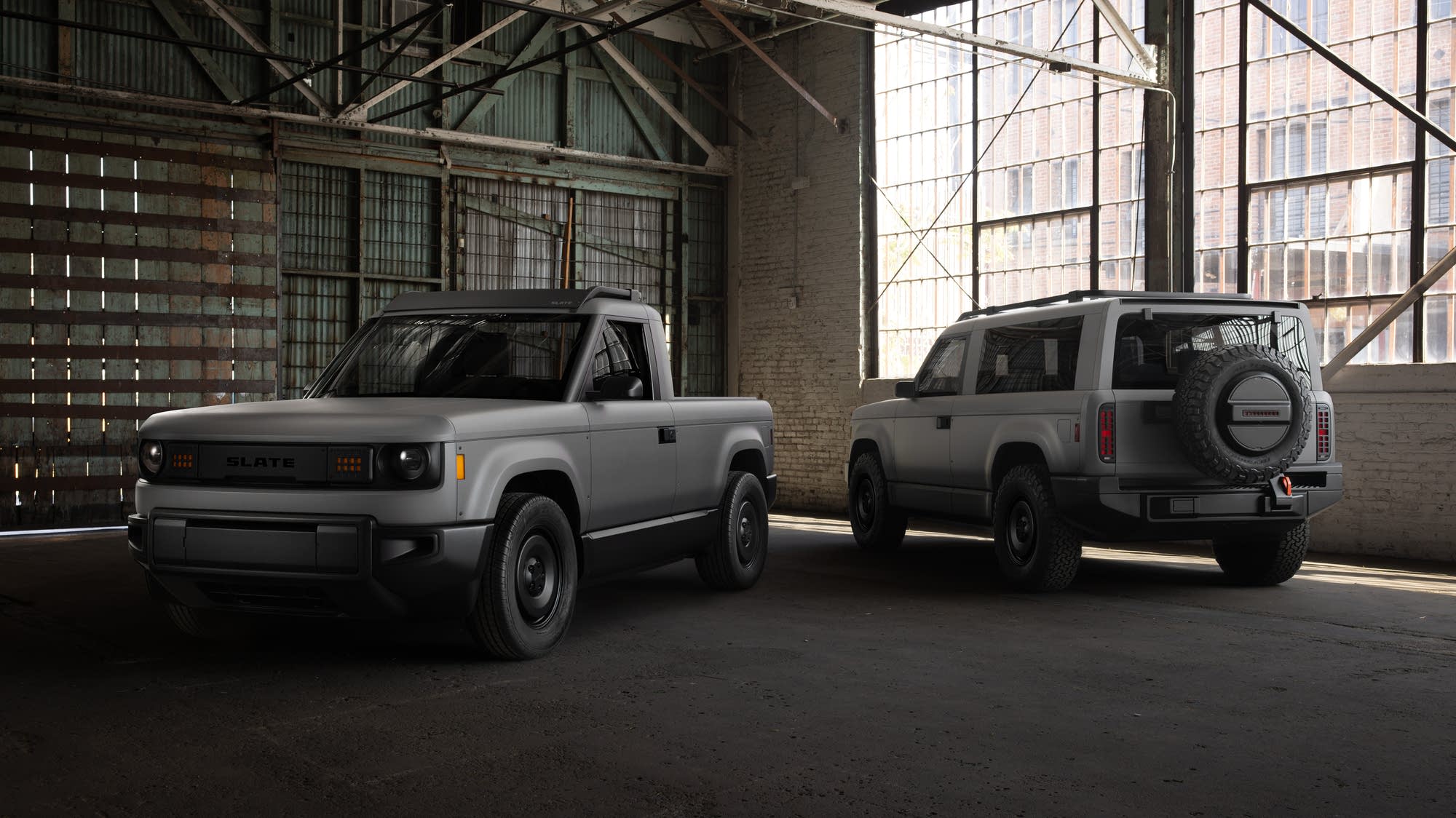
The luxury brand Ferrari made headlines this week as it unveiled its first-ever electric car. It received a lot of online ridicule, in part for its price tag: $640,000.Meanwhile, there’s another (very different) EV set to roll out later this year: the Jeff Bezos-backed Slate. You can configure it to be a pickup, an SUV, or something in between. The truck is at the opposite end of the price spectrum. And it’s one of a growing number of cheaper EVs coming to market.The idea behind Slate is to offer a super bare-bones EV in order to sell it as cheaply as possible. The base model is a two-door pickup, said Sam Abuelsamid, vice president of market research at Telemetry.“It has manual crank windows. There's no infotainment system. I think it has air conditioning, but that's literally about it,” he said.The outside of the base model is just unpainted gray plastic, and the starting price is in the mid-$20,000 range.The idea is that customers will be able to add features and customize the vehicles as much as they want. “You can add a second row of seats, you can get a cover for the bed area that turns it into a small SUV,” Abuelsamid explained.The truck was first announced last year when $7,500 federal tax credits for EVs were still in place, which would’ve dropped the price to under $20,000. But the GOP Congress took that tax credit away last fall, and that could make the Slate a tougher sell.“By the time you add all the pieces that you need to make it into an SUV, you're probably going to be looking at a price point somewhere between $30,000 and $35,000,” Abuelsamid said.For that much, you could buy a hybrid Toyota Rav4 or Honda CR-V. Or, you could buy a growing number of new fully electric models. Chevrolet, Nissan, Toyota, and Subaru have all recently launched new EVs around that price range. Ford plans to offer an electric truck for around $30,000 next year, too.That’s a change from the kinds of EVs offered in recent years, per Stephanie Brinley, a principal automotive analyst at S&P Global Mobility.“It's been more concentrated in the mid to higher end of vehicles,” she said.As carmakers have gotten more familiar with EV technology, they’re now bringing it to other segments of the market. “If EVs are going to be a larger part of the U.S. marketplace, they have to be available at different price points, they have to be available at different sizes and different brands,” Brinley said.And, carmakers have to compete with a growing threat to their business: Cheap EVs from China, said John Helveston, an engineer at George Washington University.“All of the automakers are aware that the leaders in the world right now are Chinese brands, and that their cars are very performant and with very low prices,” he said.Those brands aren’t yet in the U.S. thanks to high tariffs and import restrictions — but they’re getting closer.“They're on our doorstep,” Helveston said. “They're being sold in Canada, they're being sold in Mexico, and they're being sold all over the world.”And, Helveston added, car companies know they have to step up their affordable EV game to compete.
Auto market prepares to welcome slate of cheaper EVs
Automakers are increasingly feeling the need to compete with cheap EVs from China.
533 words~2 min read