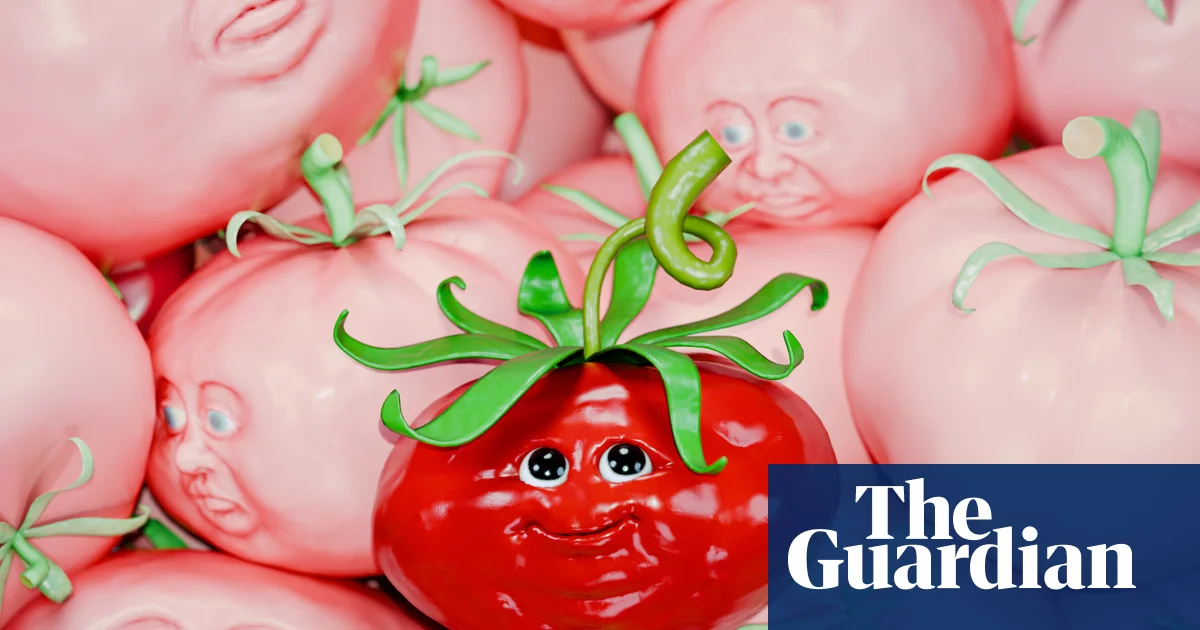
In 1865, British lawmakers passed the “Red Flag Act,” requiring a man carrying a red flag to walk in front of every horseless carriage. The horse-and-buggy economy feared the emerging steam-powered automobile industry, so the future was legally forced to move at walking speed.A few decades later, in the United States, dairy interests fought margarine by pushing laws that banned it from looking like butter. Some states even forced margarine to be dyed pink.Today, parts of the livestock industry are once again asking lawmakers to slow down what they fear may be an innovative threat, and their latest attempt is the newly introduced Fair and Accurate Ingredient Representation on Labels Act of 2026.
CHINA IS PROTECTING ITS COMPANIES FROM EU ATTACKS. COULD THE UNITED STATES?
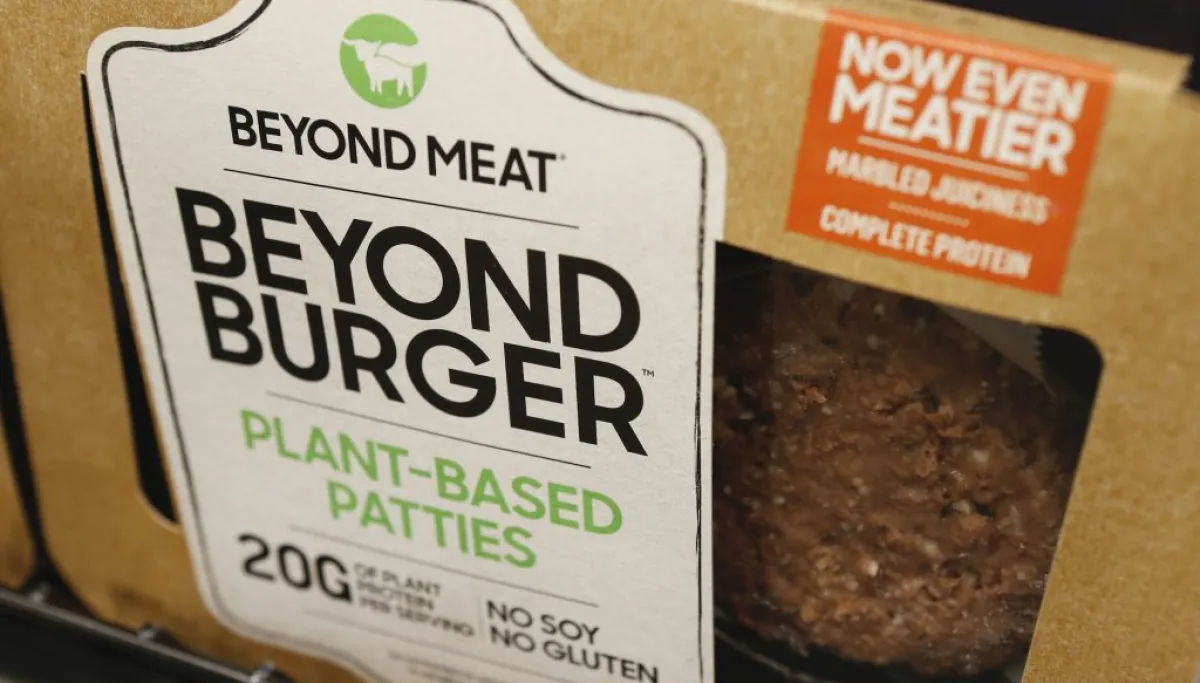
Instead of trying to compete for consumers in a free market, the bill would require rather unappetizing labels on the meat industry’s competitors’ packaging such as “alternative protein” and “cell-cultivated protein burger.”
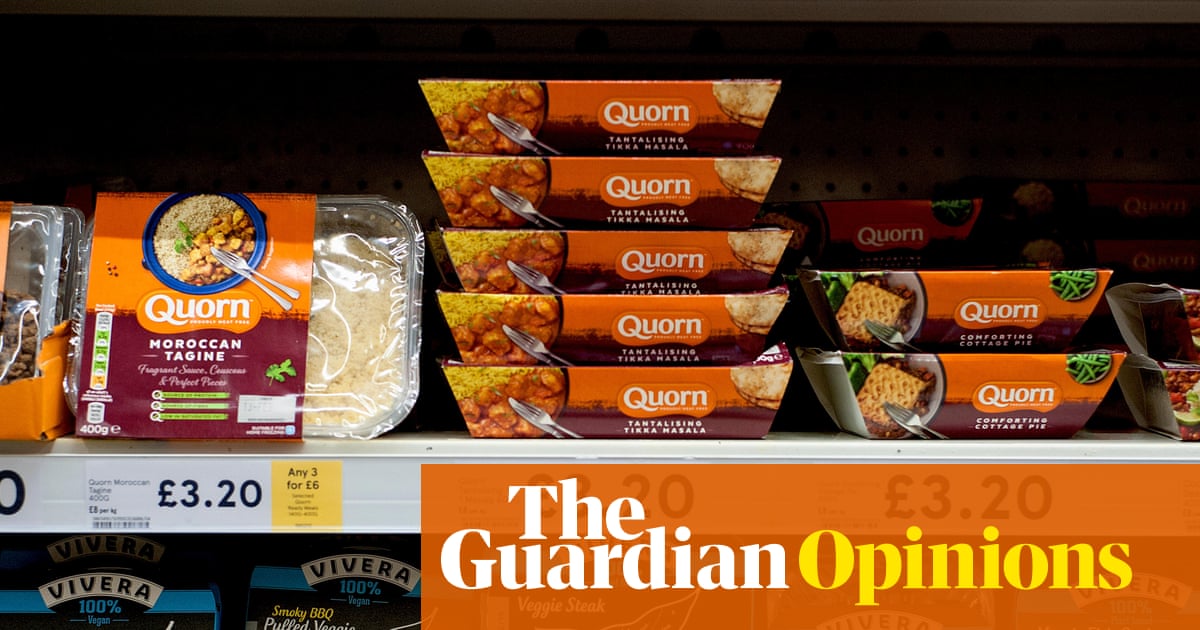
To hear the bill’s supporters tell it, consumers could be confused by current marketing on these animal-free products. In reality, however, consumers don’t seem to have a hard time understanding that foods which today are prominently labeled as “plant-based meatballs” or “vegetarian sausages” likely didn’t originate from a slaughterhouse.