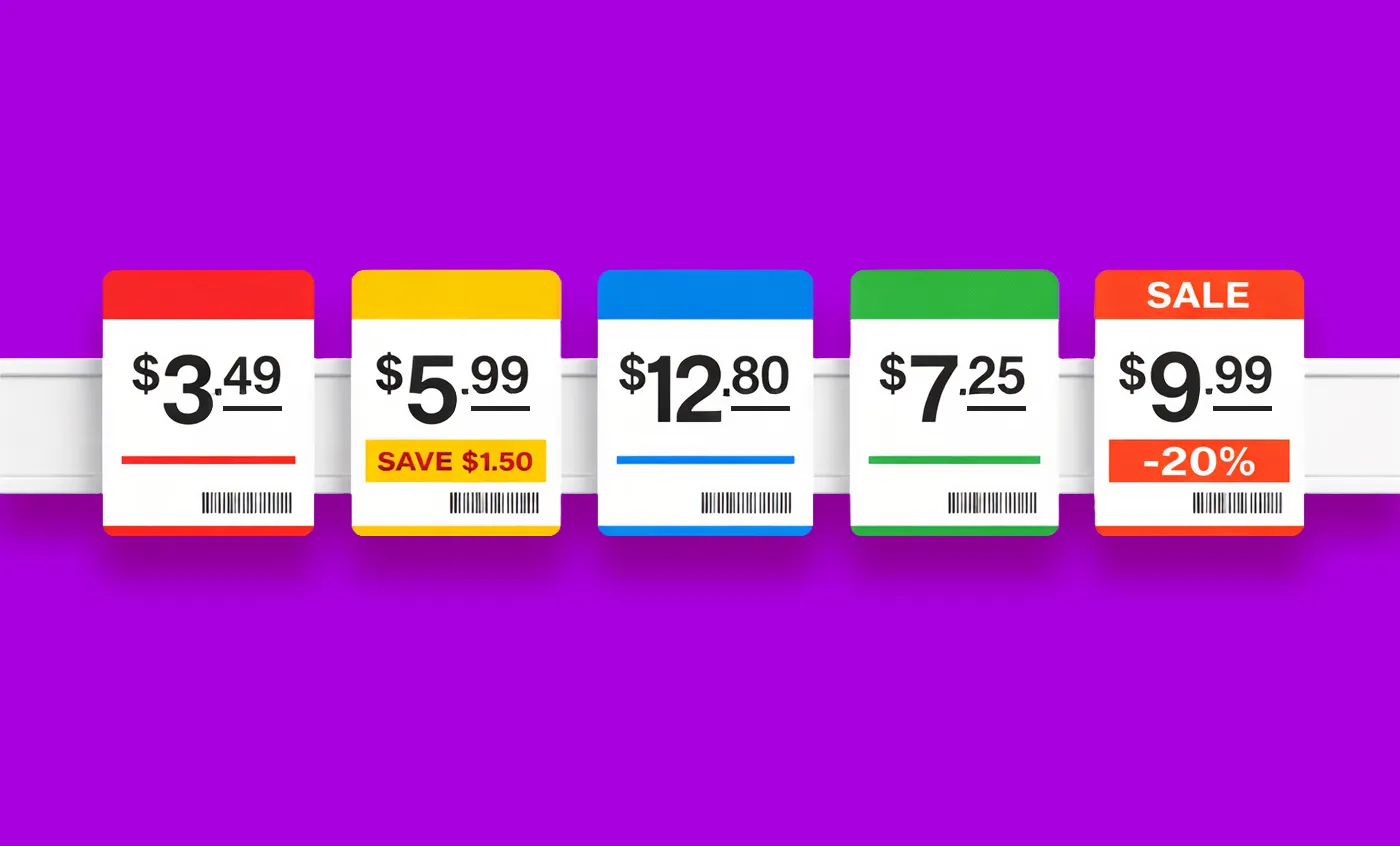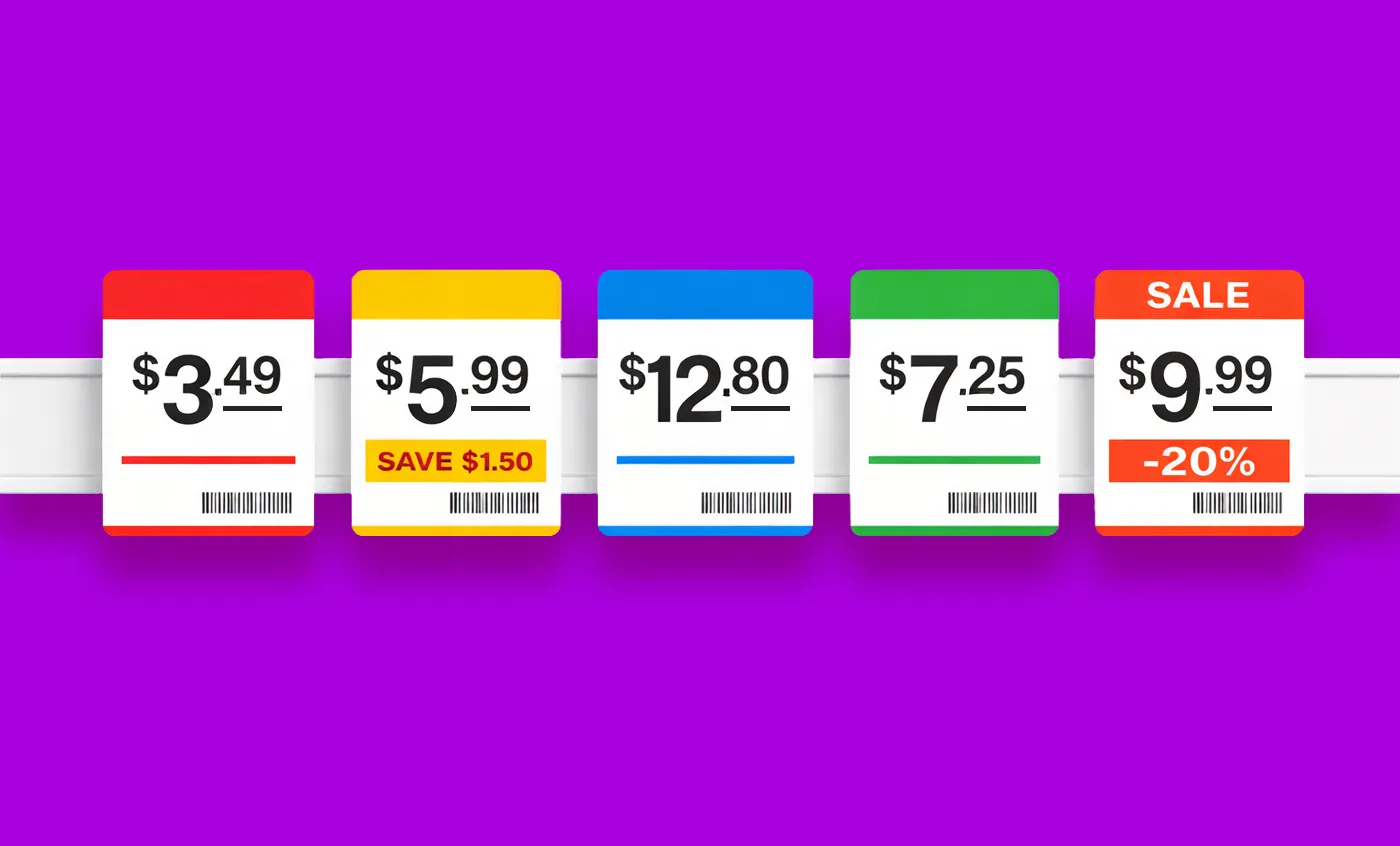
Maryland is the first state in the country to have a law on the books banning so-called “dynamic pricing” in grocery stores, meaning shoppers can’t be charged a higher price based on their individual data. But the new law is a bare-bones version of the one consumer advocates hope to see passed in other states, as it still allows grocers to use electronic shelf labels and make multiple price changes a day.
Dynamic pricing and retailers’ use of electronic shelf labels are hot topics in state legislatures this year as rising grocery prices and inflation continue to stress shoppers’ budgets.
The UFCW, or United Food and Commercial Workers union, has made banning dynamic pricing and the use of electronic shelf labels a cornerstone of its state legislative agenda. But retailers and their advocates have pushed back against the effort, citing the safe use of the technology and the existing laws against price gouging.
Here’s a breakdown of the new Maryland law and how it changes the discussions around dynamic pricing in grocery.
What are dynamic pricing and surveillance pricing?