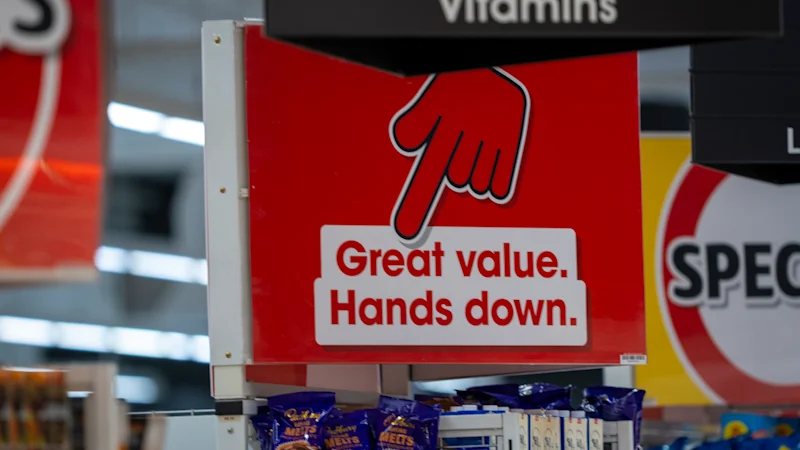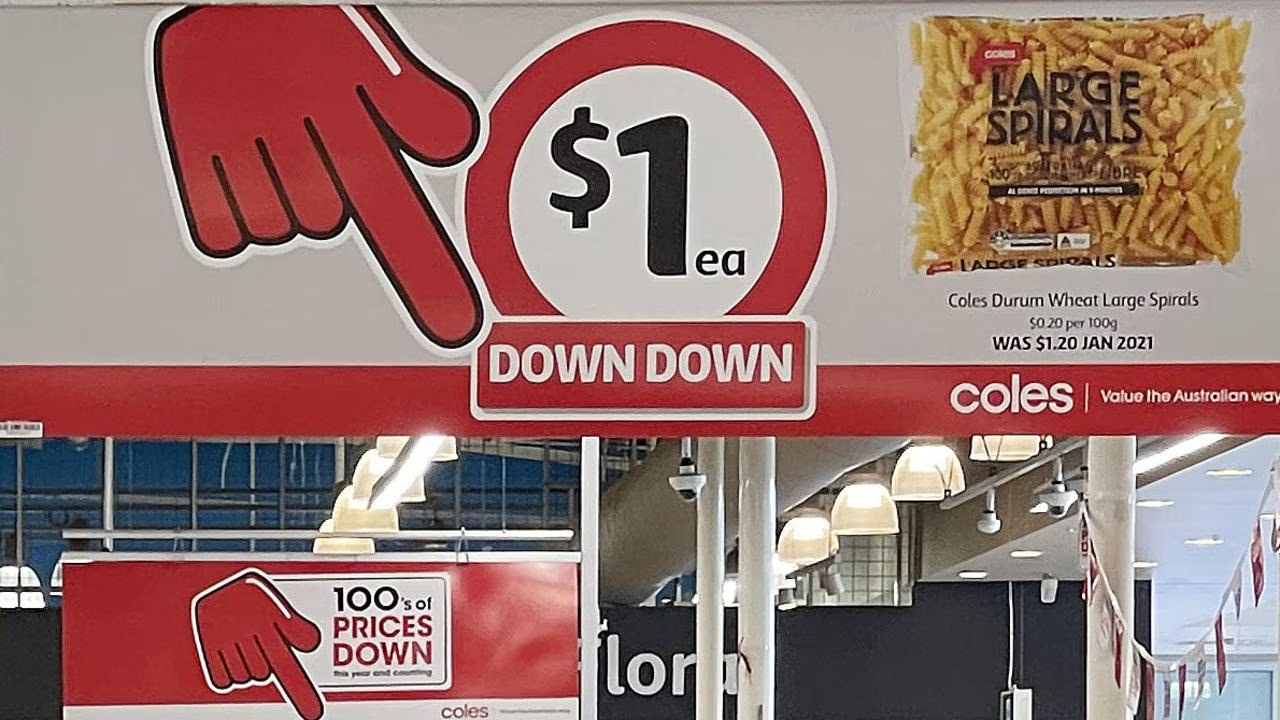
May 16, 2026 – 5.00amThirty-five years ago, at an unnamed university in the American south-west, researchers invited 150 undergraduates into a laboratory to do a bit of shopping. Unlike a normal lab, this one had been converted into a supermarket. Products were arranged on shelves, shopping baskets were borrowed from a local grocer. Toothpaste, peanut butter and toilet paper, scientists wrote, “received the promotion manipulations”.That research ultimately found some shoppers would react to promotional announcements – words like “everyday lowest prices” – without any evidence there had been a real reduction in prices at all.Subscribe to gift this articleGift 5 articles to anyone you choose each month when you subscribe.Subscribe nowAlready a subscriber? Carrie LaFrenzSenior reporterCarrie LaFrenz is a senior journalist covering retail/consumer goods. She previously covered healthcare/biotech. Carrie has won multiple awards for her journalism including financial journalist of the year from The National Press Club.Kylar LoussikianDeputy editor – businessKylar Loussikian is the Financial Review’s deputy editor – business.Fetching latest articles
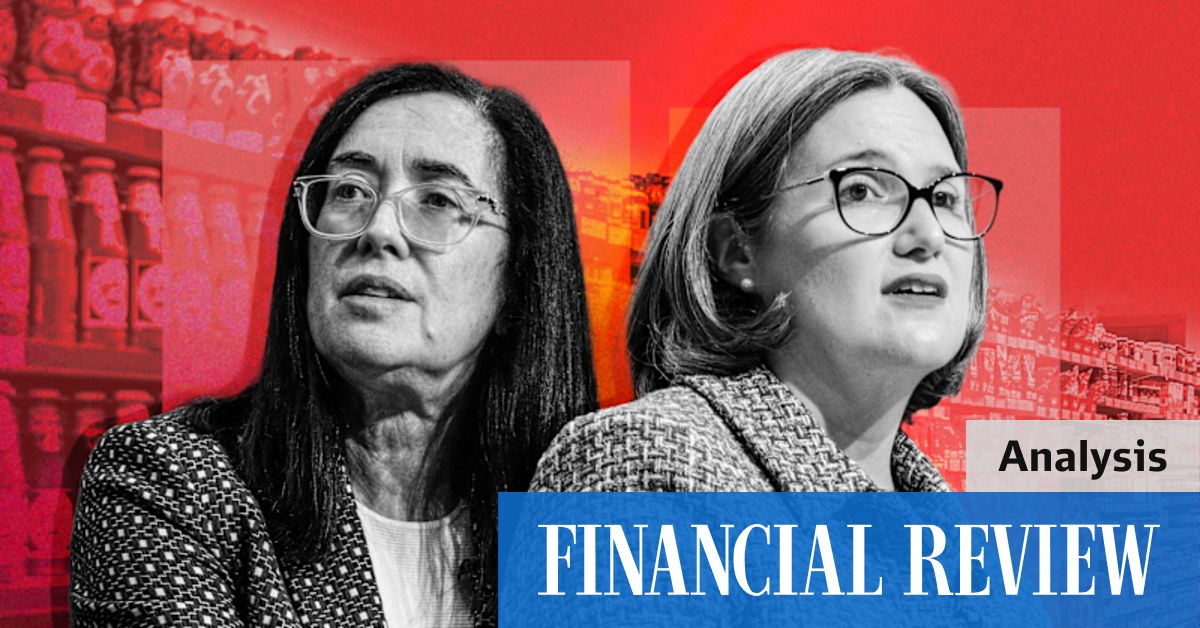
The psychology of the grocery aisle meets the reality of the law
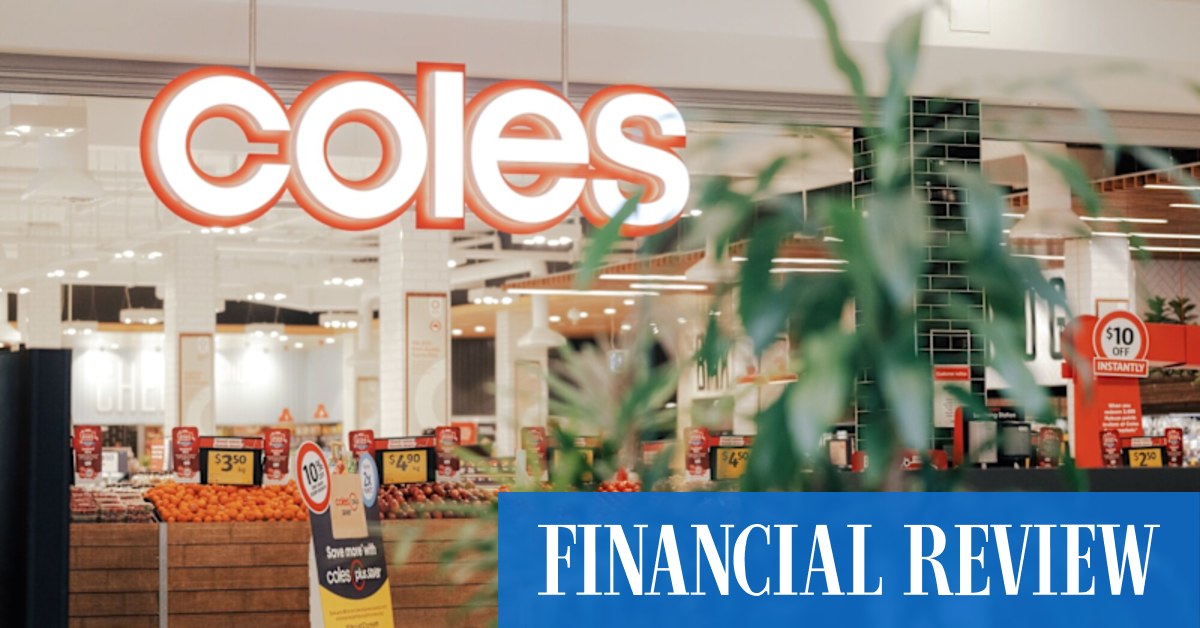
The competition regulator’s major victory over Coles is rippling through the retailing industry. And discounting as we know it could be at serious risk.
162 words~1 min read