Friday, May 29th 2026 - 07:00 UTC
The Chinese consolidation has altered the nature of traditional alliances
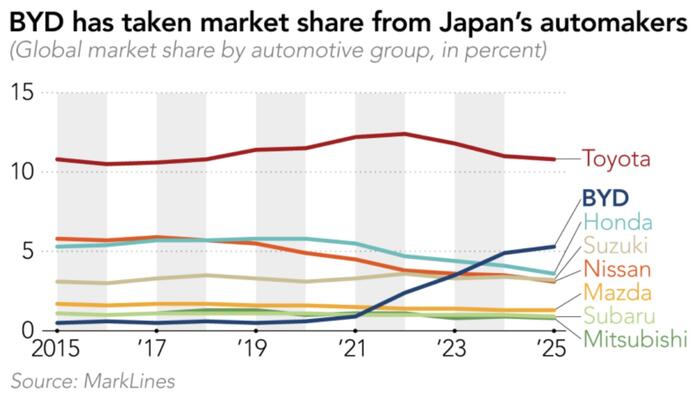
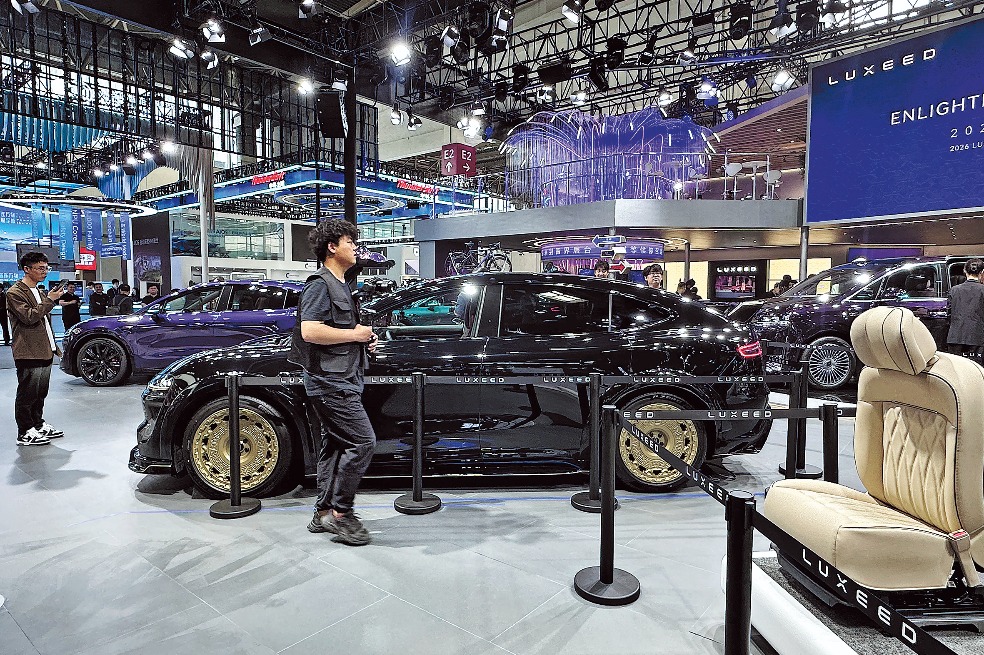
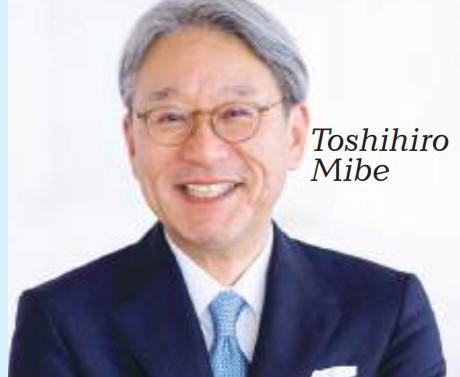
Major US, European, and Japanese automakers are undergoing a process of strategic repositioning in the face of the accelerated rise of Chinese manufacturers, which have consolidated their leadership in electric vehicles, batteries, industrial design, and software development, according to an investigation published this week by the BBC on the occasion of Auto China 2026, the world's largest motor show. The transformation is reflected in the public acknowledgment from executives themselves: the president of Honda, Toshihiro Mibe, said after visiting a highly automated plant in Shanghai that his company has “no chance against this,” while Ford CEO Jim Farley warned that Western carmakers are “in a fight for our lives.”
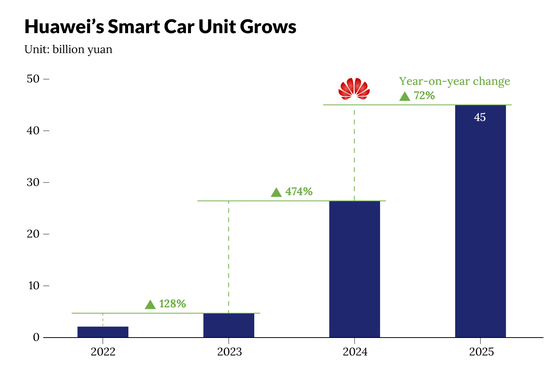
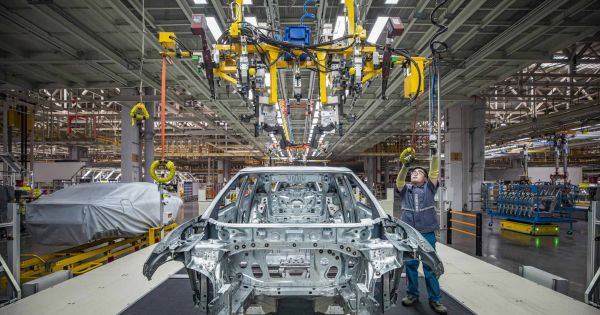
Foreign brands' market share in China fell from 64% in 2020 to 32% this year, according to data from the consultancy Automobility. The International Energy Agency estimates that producing a small electric SUV in China is at least 30% cheaper than in advanced economies, thanks to lower battery costs and a dense supply chain. The Chinese company BYD has developed ultra-fast charging systems capable of adding 400 kilometres of range in five minutes. At the Xiaomi factory on the outskirts of Beijing, a vehicle rolls off the production line every 76 seconds. The Huawei Maextro S800 luxury sedan has outsold the Porsche Panamera and BMW 7 Series combined in China's segment for vehicles above USD 100,000.