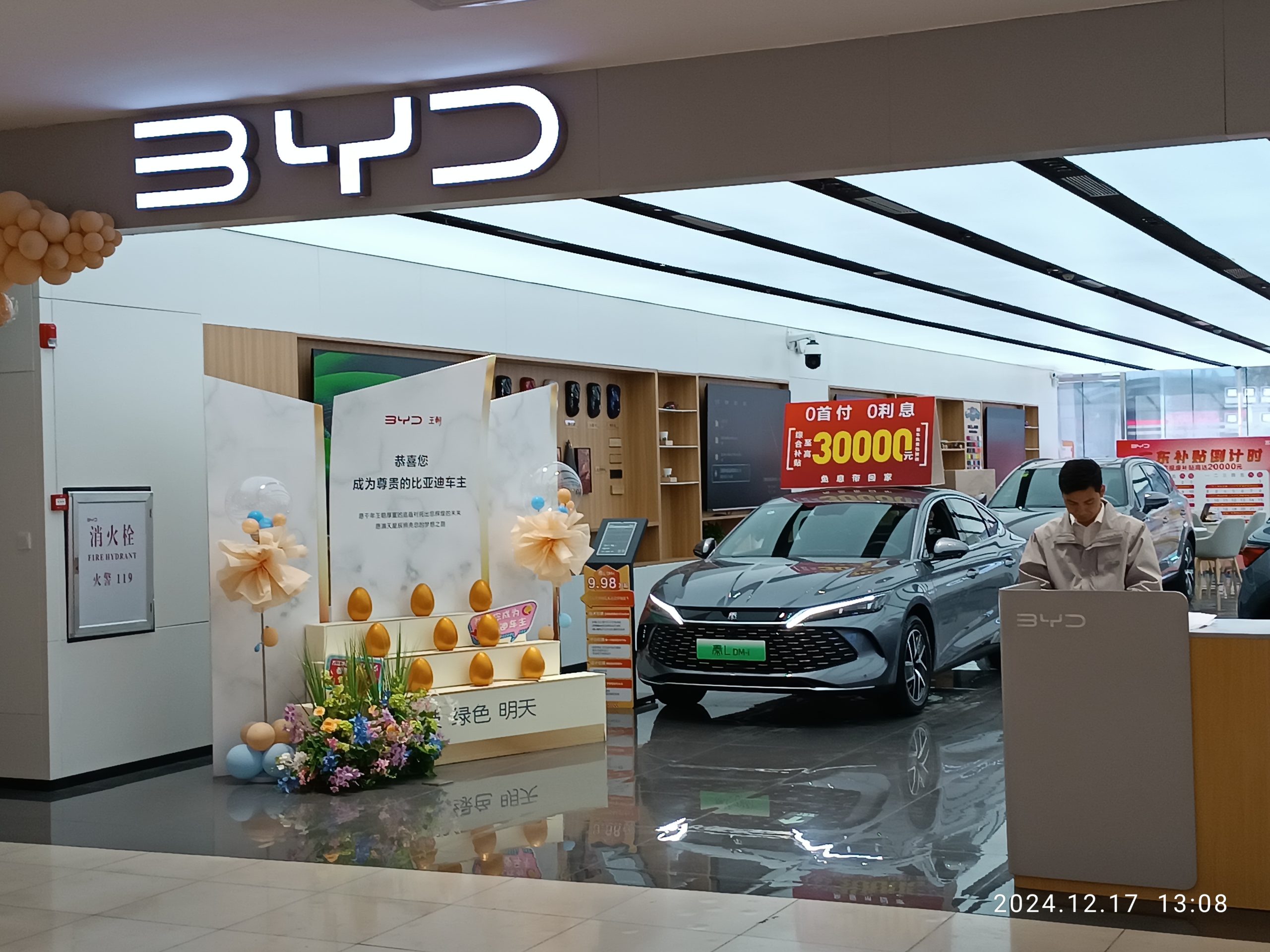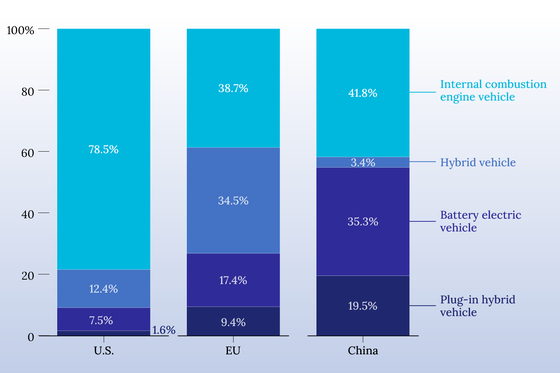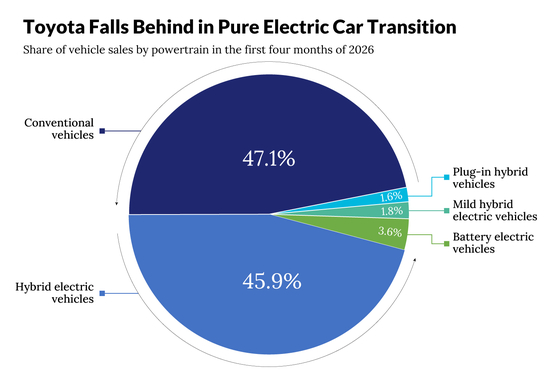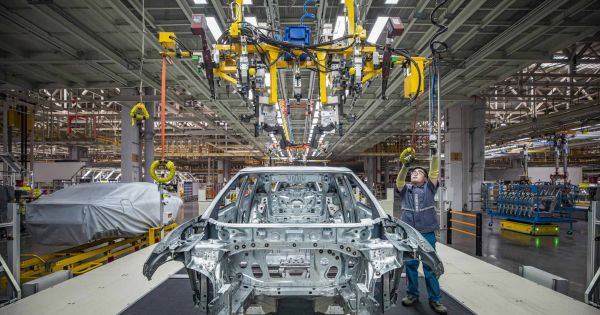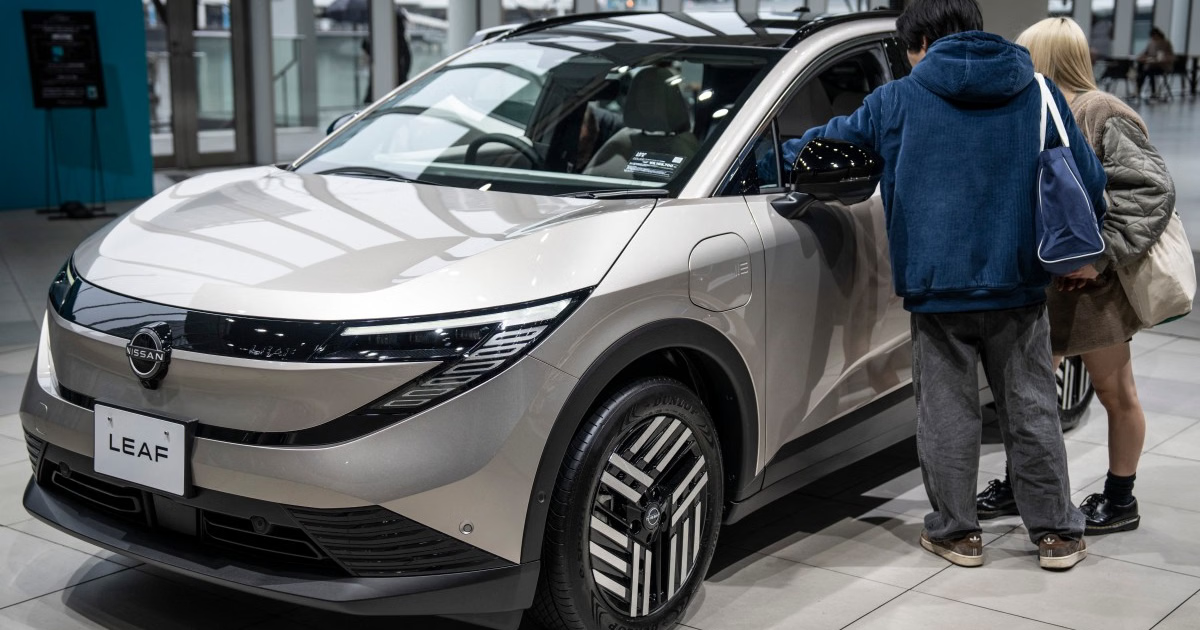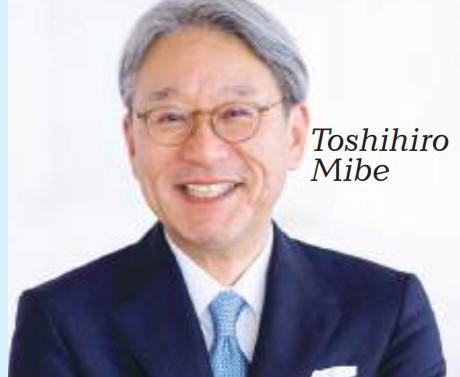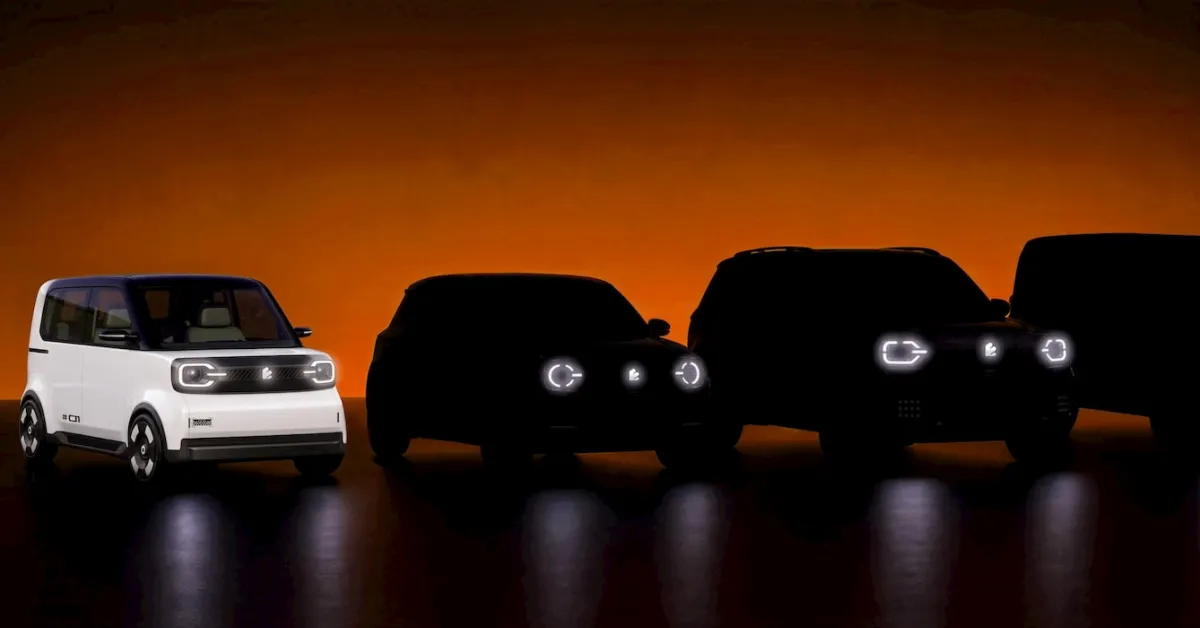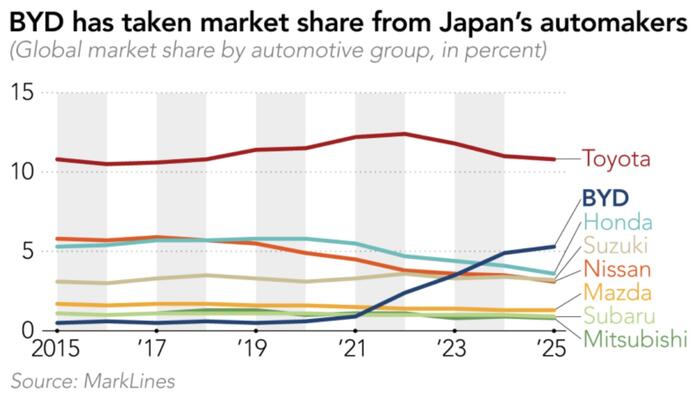
Japan’s car industry is being forced into a major reset as Chinese automakers rapidly outpace traditional rivals in electric vehicles, software, and manufacturing speed, according to Nikkei.The shift is especially visible at Honda Motor. In 2021, CEO Toshihiro Mibe pledged that EVs and fuel-cell vehicles would account for all new Honda sales by 2040. Last week, however, he admitted the plan was “not realistic under the current circumstances,” formally backing away from the target.Nikkei writes that Honda’s retreat marks a sharp reversal. The company had committed trillions of yen to EVs, battery production, and a Canadian supply chain while also betting heavily on Afeela, its software-focused electric vehicle partnership with Sony Group. The project was meant to prove Japanese automakers could compete in the era of connected, software-defined cars.Instead, Honda is cutting EV spending, delaying major factory projects, and pivoting back toward hybrids after posting its first full-year net loss since going public in 1957.The company’s problems mirror a wider struggle across Japan’s auto sector. Nissan Motor has recorded heavy losses for two straight years, while even Toyota Motor expects another decline in annual profits.Industry analysts say the biggest pressure is no longer coming from U.S. or European rivals, but from China. Companies such as BYD and Geely have rapidly expanded worldwide, using low-cost production, aggressive pricing, AI-assisted development, and advanced battery technology to gain market share.Chinese firms are also moving far faster than Japanese competitors. New vehicle programs in Japan typically take four to five years to reach market, while leading Chinese brands can launch models in under two years. Their rapid rollout of new EV platforms, self-driving features, and ultra-fast charging systems has transformed China into the center of automotive innovation.“There is no doubt that Chinese automakers are the root cause of Japanese manufacturers’ steadily declining market share,” said Masatoshi Nishimoto of S&P Global Mobility.At the Beijing auto show this year, Chinese companies highlighted technologies that underscored the gap. BYD demonstrated a battery capable of charging from 10% to 97% in roughly nine minutes, while rivals showcased advanced autonomous-driving systems and fully digital steering and braking controls.Japanese automakers still maintain advantages in reliability, resale value, and after-sales service, particularly in developing markets where used Japanese vehicles dominate roads and repair networks are already established. Analysts say those strengths may become increasingly important as companies focus on the Global South for growth.That strategy is already reshaping corporate alliances. Toyota is deepening partnerships with Suzuki, Mazda, Subaru, and NTT, while Nissan and Honda continue discussing cooperation even after merger talks collapsed. Both companies are also working more closely with Chinese suppliers and technology firms to reduce costs and accelerate development.Some executives see collaboration as essential to survival. Toyota chairman Koji Sato warned recently that “there is complete agreement on the sense of crisis” facing Japan’s auto industry.Still, some analysts believe the scale of China’s rise may be too large to counter. As one observer put it, the challenge is no longer Toyota competing with a single rival, but with hundreds of Chinese EV brands moving simultaneously across global markets.
Japan's Auto Giants Are Losing The EV Race To China
Japan’s car industry is being forced into a major reset as Chinese automakers rapidly outpace traditional rivals in electric vehicles, software, and manufacturing speed...
509 words~2 min read