Commentary
A study has found that eating kimchi may help to remove nanoplastics from one's body. But that is not the solution to the world's microplastics problem, says this Bloomberg Opinion writer.
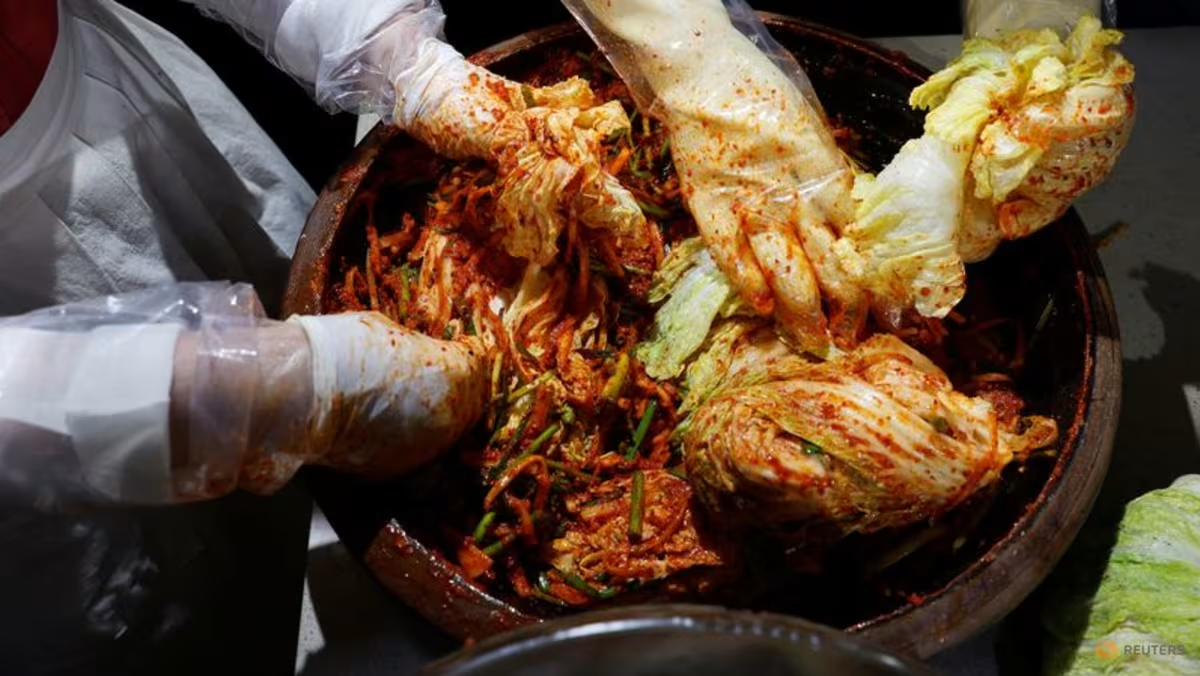
File photo of kimchi being prepared at the Kimchi Culture Institute in Namyangju, South Korea, on Aug 21, 2024. (Photo: Reuters/Kim Soo-hyeon)
29 May 2026 05:58AM
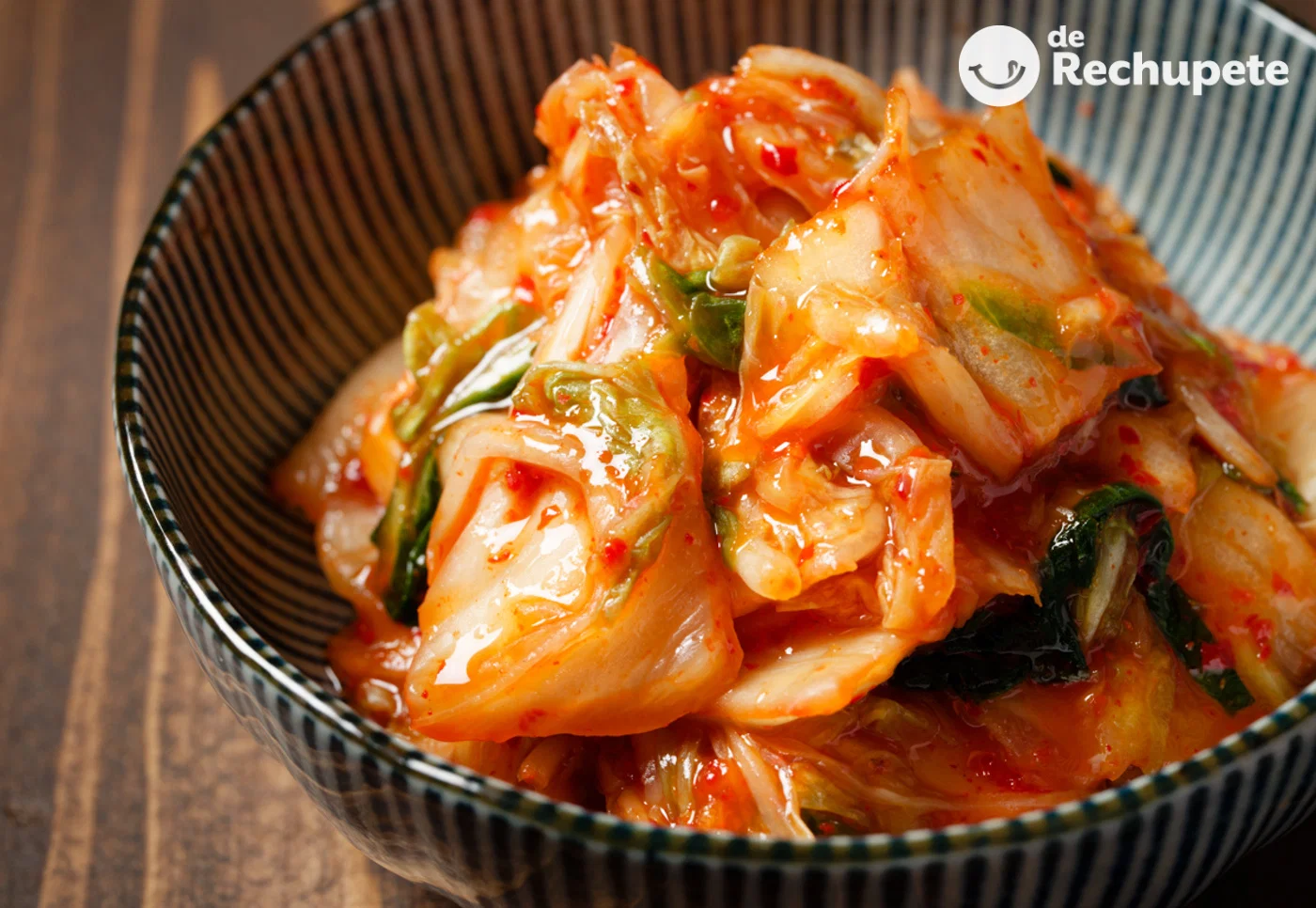
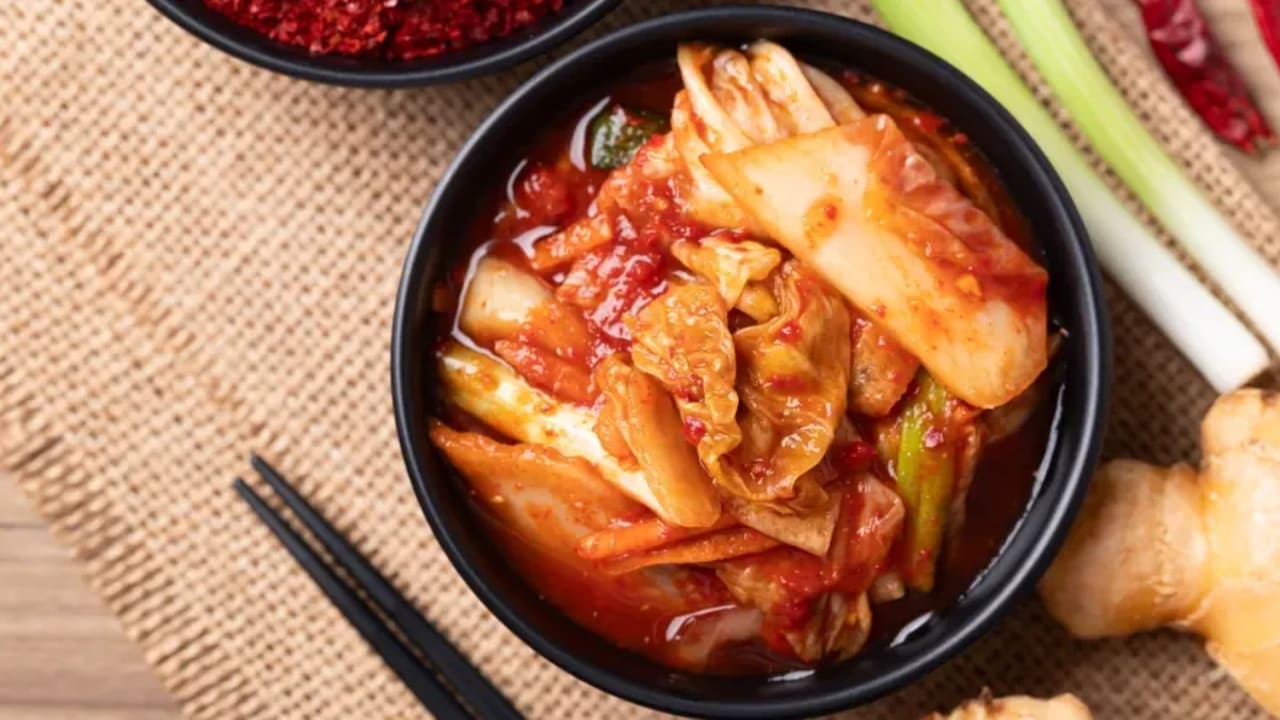
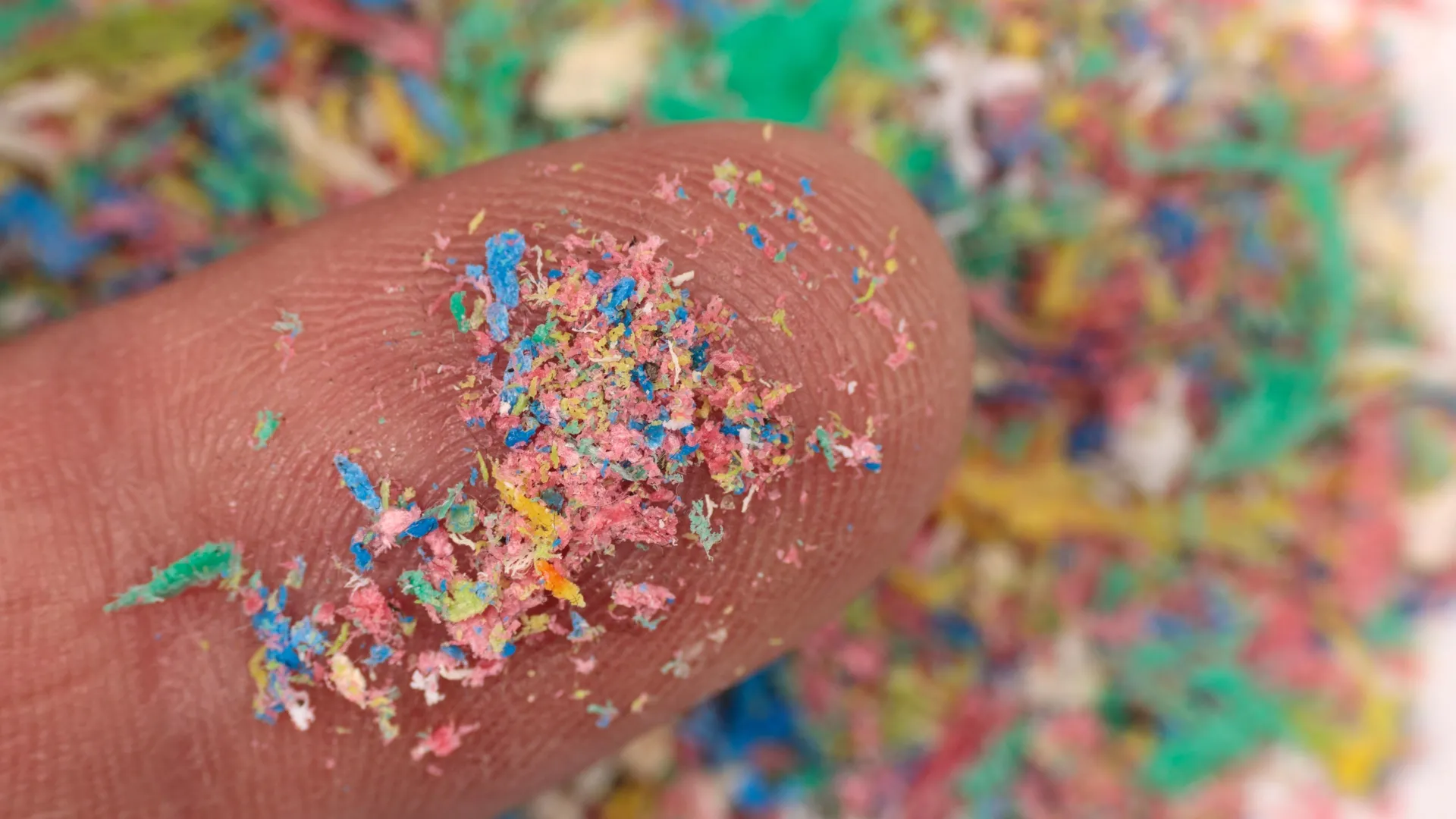
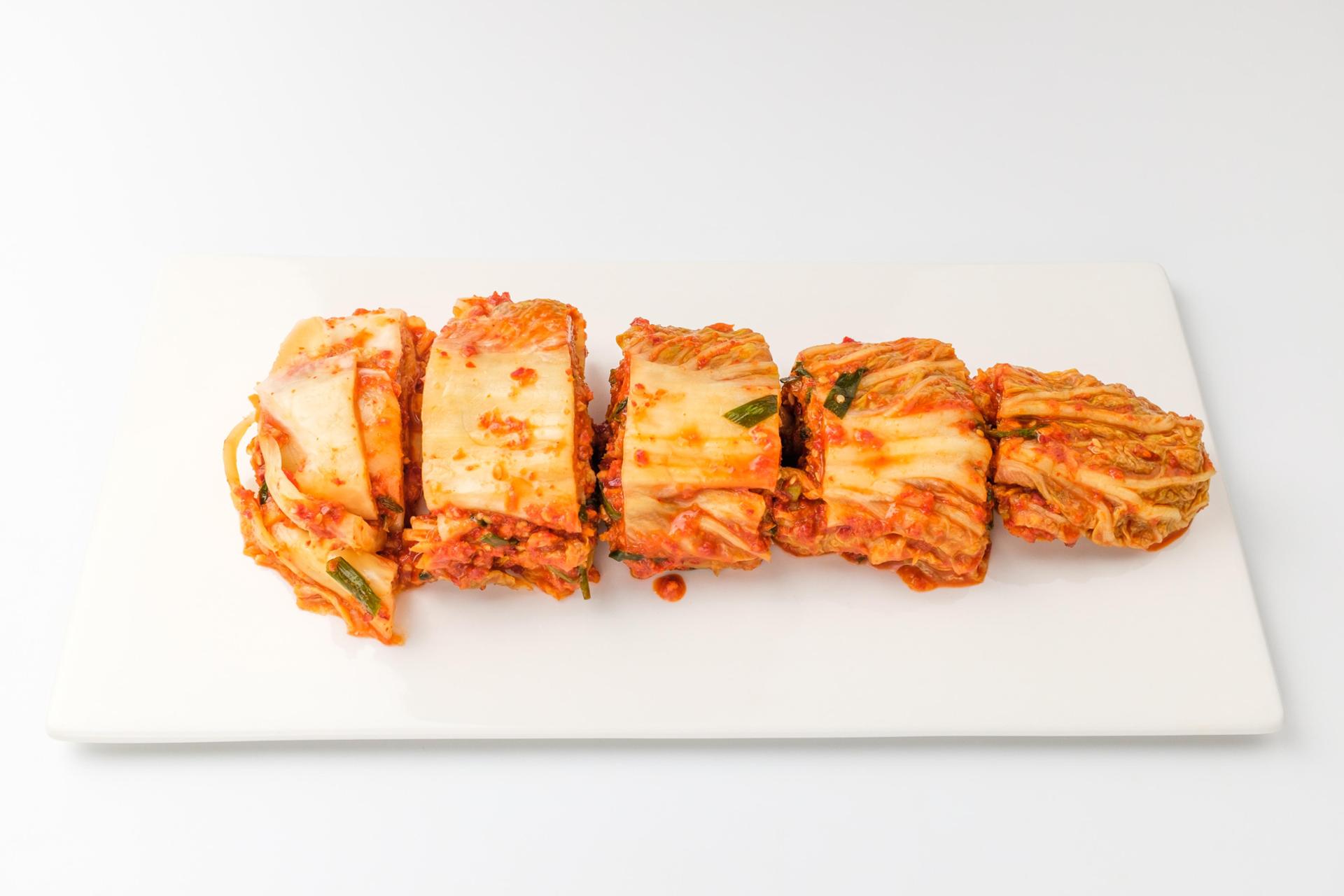
LONDON: Next time you host a summer barbecue, may I suggest that, in addition to mustard and pickles, you add kimchi to the spread?Not only is this Korean specialty delicious with burgers (including the plant-based ones I opt for) and good for the gut, but it may also help rid your body of nanoplastics, the ultra tiny particles made by the breakdown of larger flakes, fibers and films.Awareness of these bitty shreds has risen in recent years, thanks in part to a few high-profile studies, some of which - including the one that claimed we have an entire spoon’s-worth of plastic in our brains - have been debunked or broadly criticised. In one case, researchers may have been overestimating the amount of plastic in the environment because they accidentally contaminated samples with plastic lab gloves, a fact I don’t find reassuring.Despite the developing nature of the science, there’s little doubt that we’re constantly inhaling and ingesting microplastics: All those particles have to go somewhere.