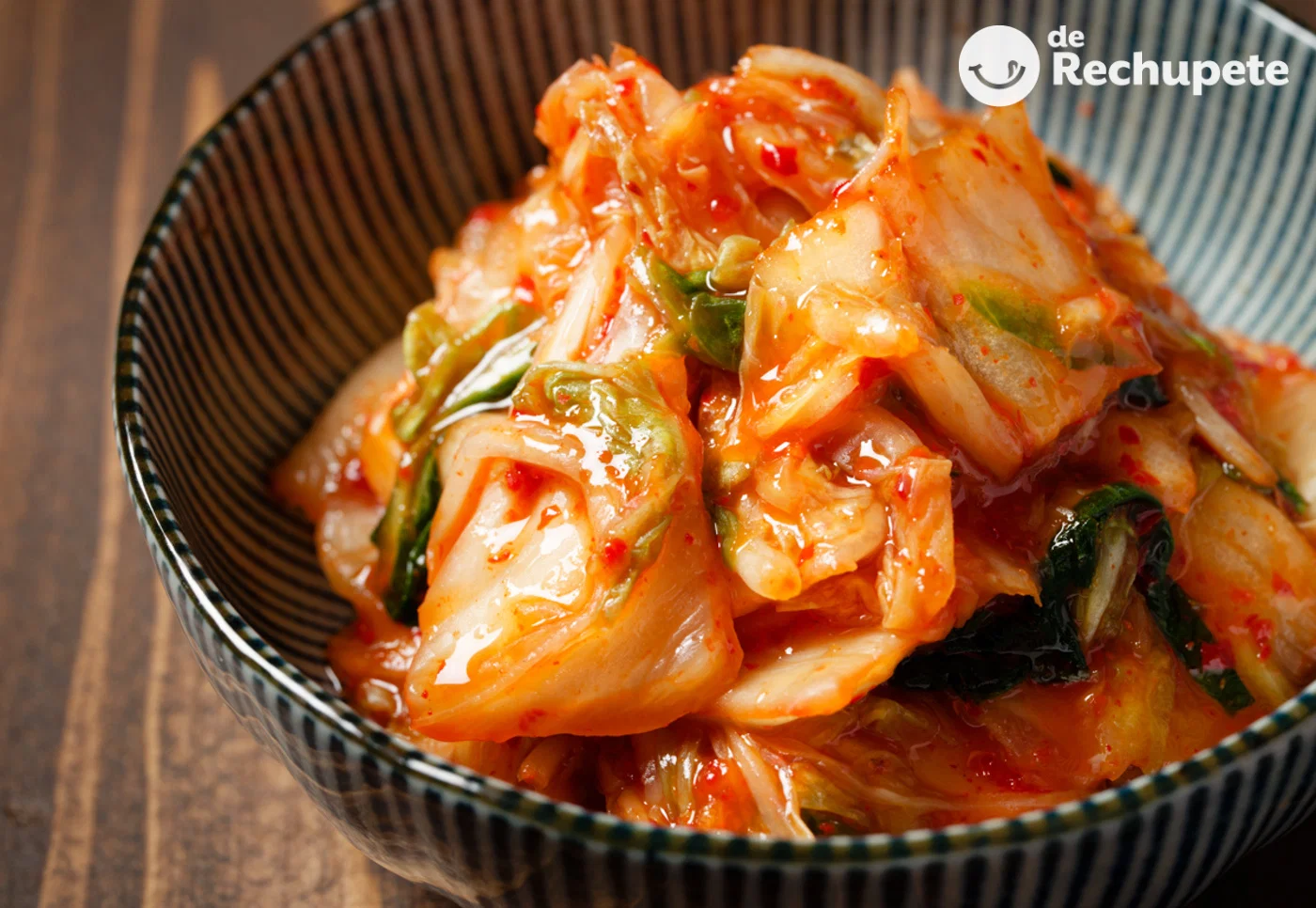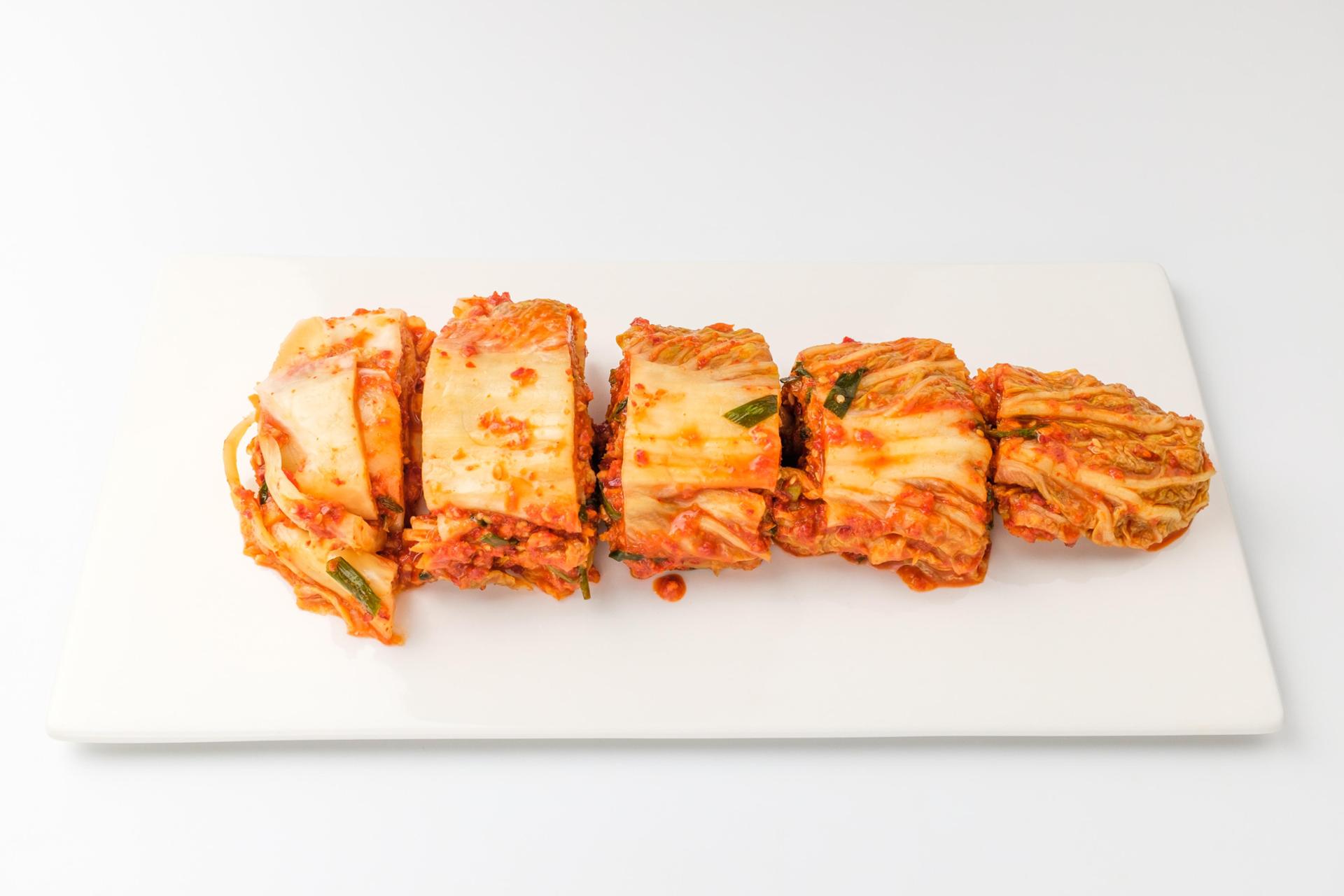
Scientists in South Korea say a probiotic bacterium found in kimchi may help the body get rid of nanoplastics by binding to the particles inside the intestine and helping remove them through waste.
The World Institute of Kimchi (President: Hae Choon Chang), a government-funded research institute under the Ministry of Science and ICT, announced the findings after studying a strain of lactic acid bacteria isolated from kimchi.
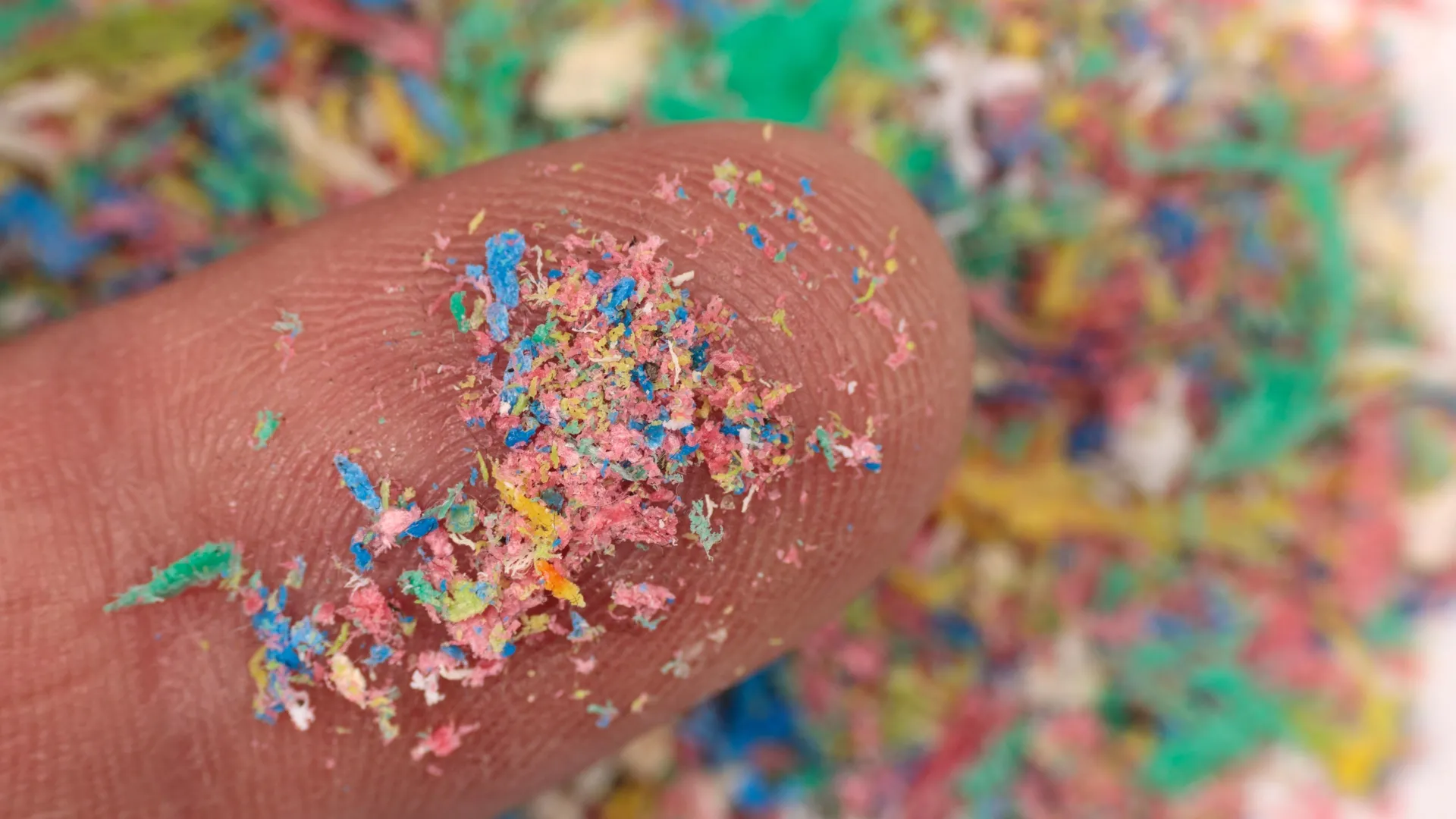
Nanoplastics are extremely small plastic particles measuring less than 1 micrometer (μm; one-thousandth of a millimeter). They form as larger plastic materials break down over time and can enter the body through food and drinking water. Because these particles are so tiny, researchers are concerned they may pass through the intestinal barrier and build up in organs including the kidneys and brain. Scientists are still in the early stages of finding biological ways to reduce nanoplastic accumulation in the digestive system.
Kimchi Probiotic Shows Strong Nanoplastic Binding
A research team led by Drs. Se Hee Lee and Tae Woong Whon at WiKim focused on a kimchi-derived bacterium called Leuconostoc mesenteroides CBA3656. The scientists tested how effectively the strain could attach to polystyrene nanoplastics (PS-NPs).