WARPTECHNEWS · LAB
HomeAIBusinessTechArchive
WARPTECH LAB NEWS

Warptech Lab News aggrega le notizie più rilevanti da oltre 700 fonti internazionali, con classificazione AI, TL;DR sintetici e timeline cluster su singole storie.

Navigazione

  • Home
  • Archivio
  • Editor's Brief
  • Cerca
  • Il tuo account
  • Newsletter tech/AI

Informazioni legali

  • Privacy Policy
  • Termini di servizio
  • Cookie Policy

© 2026 Sparktech S.R.L. — Tutti i diritti riservati. Sito gestito e manutenuto da Sparktech S.R.L.

Sede legale: Corso Libertà 55, 13100 Vercelli (VC), Italia · P.IVA / C.F. 02835910023 · Contatti: admin@warptechlab.com

Home
Storia in 2 fonti

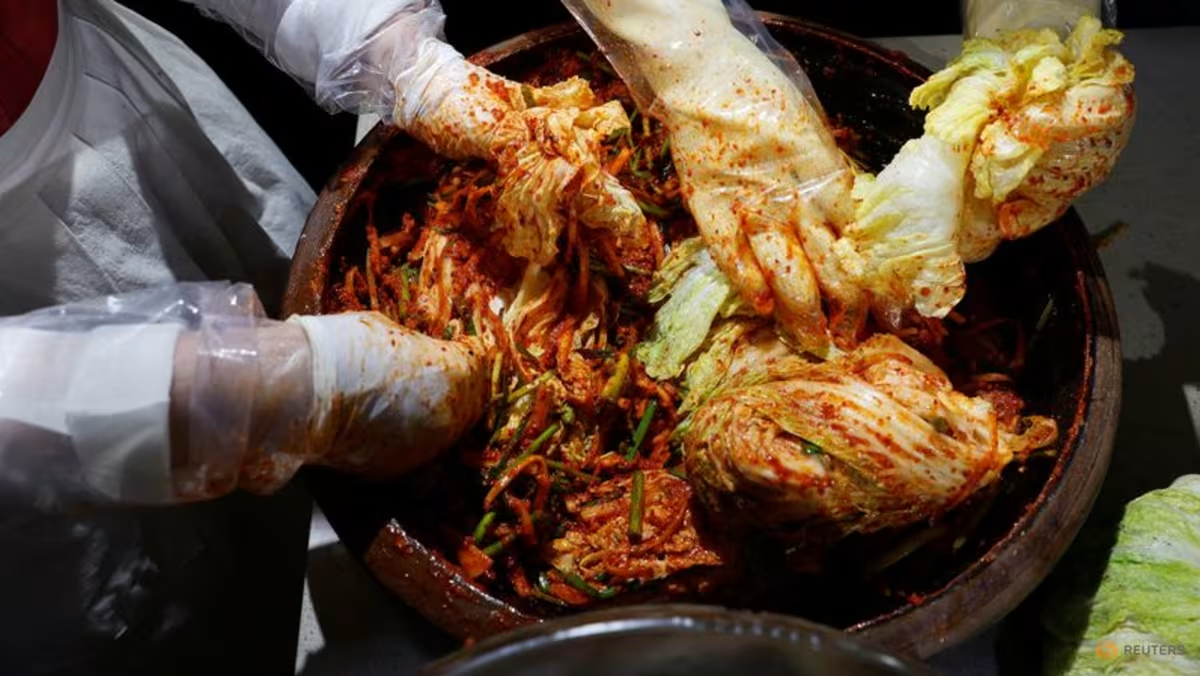
Commentary: Kimchi can’t save us from microplastics

A study has found that eating kimchi may help to remove nanoplastics from one's body. But that is not the solution to the world's microplastics problem, says this Bloomberg Opinion writer.

Raccontata dachannelnewsasia.comabc.es

Confronto fonti

2 prospettive sulla stessa storia
AI · summaries
channelnewsasia.comStai leggendo1 g fa

Commentary: Kimchi can’t save us from microplastics

A study has found that eating kimchi may help to remove nanoplastics from one's body. But that is not the solution to the world's microplastics problem, says this Bloomberg Opinion writer.

originale
abc.es1 g fa

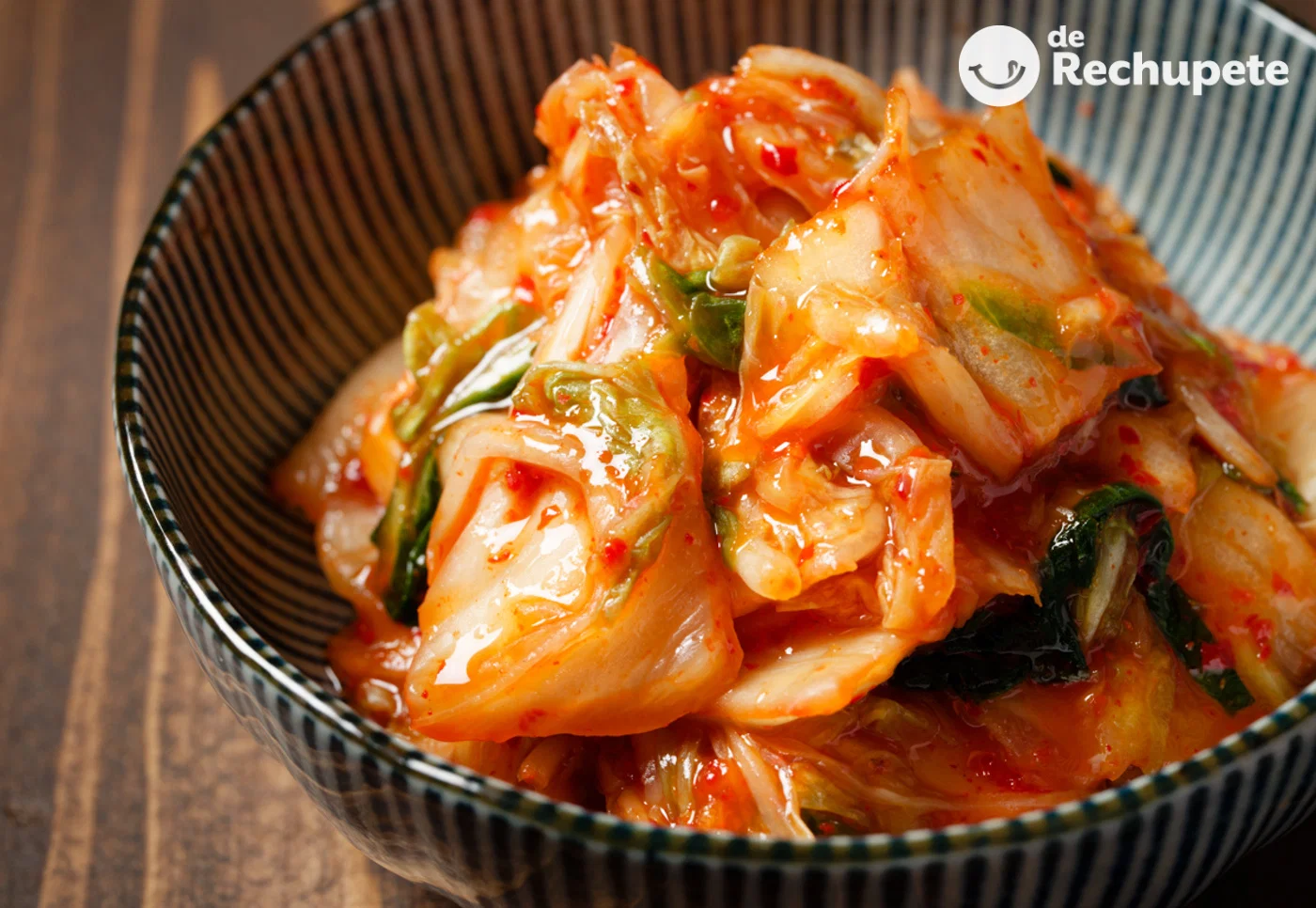
El kimchi vuelve a estar de moda. Un estudio apunta a que sus bacterias podrían ayudar frente a los…

El kimchi vuelve a estar de moda. Un estudio apunta a que sus bacterias podrían ayudar frente a los nanoplásticos.

Leggi questa versione → originale

Timeline cronologica

  1. giovedì 28 maggio 2026·channelnewsasia.com

    Commentary: Kimchi can’t save us from microplastics

    A study has found that eating kimchi may help to remove nanoplastics from one's body. But that is not the solution to the world's microplastics problem, says this Bloomberg…

  2. venerdì 29 maggio 2026·abc.es

    El kimchi vuelve a estar de moda. Un estudio apunta a que sus bacterias podrían ayudar frente a los nanoplásticos

    El kimchi vuelve a estar de moda. Un estudio apunta a que sus bacterias podrían ayudar frente a los nanoplásticos.