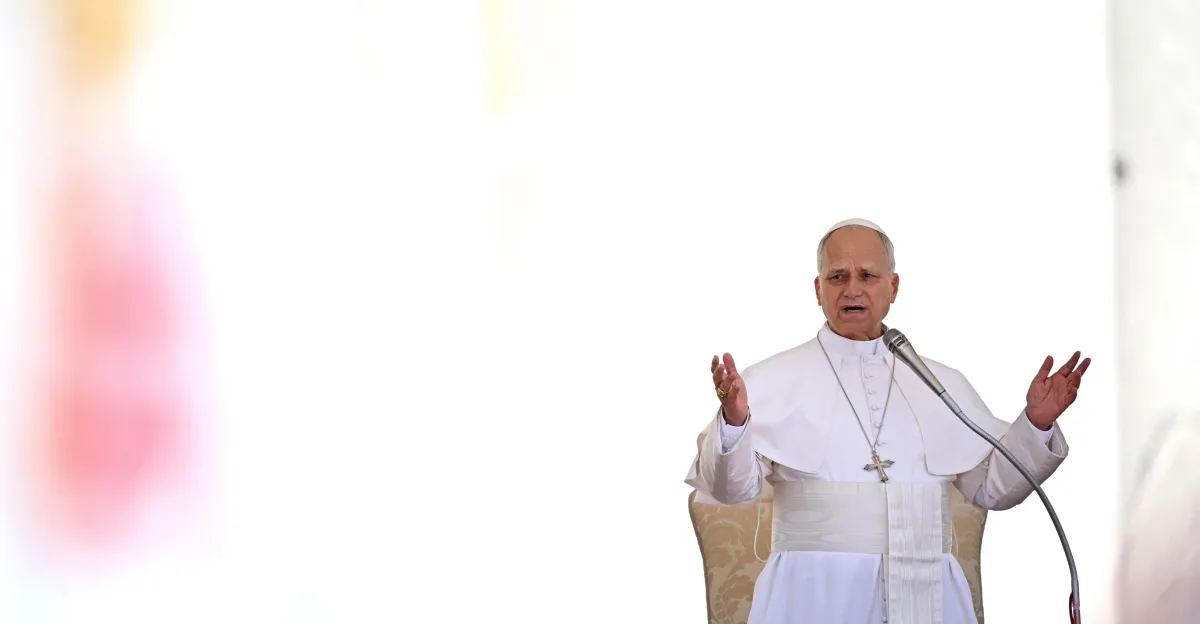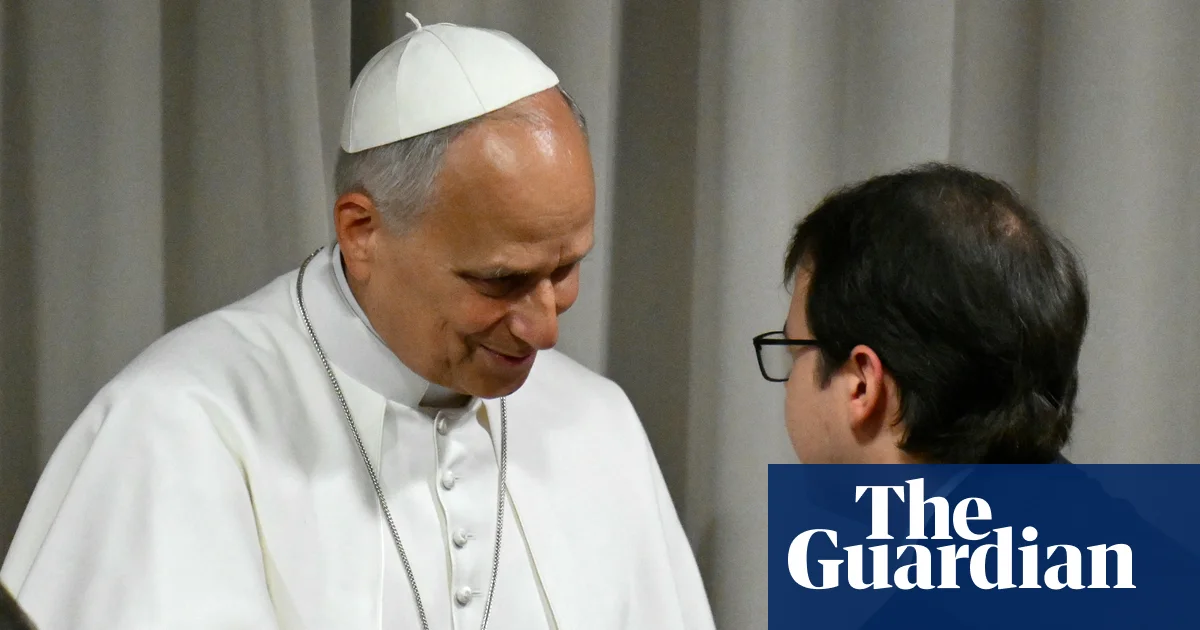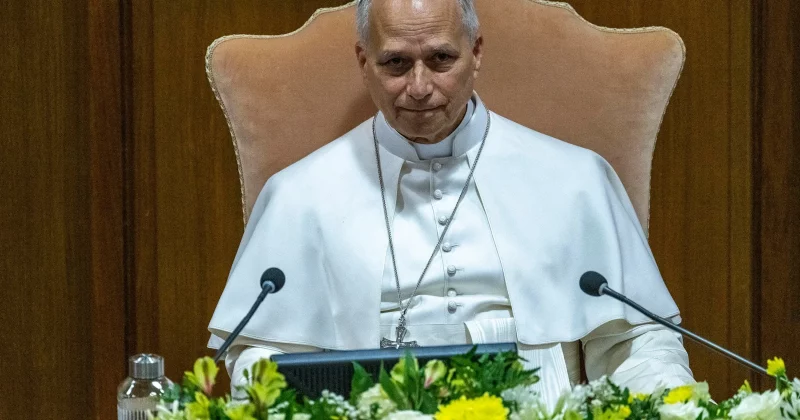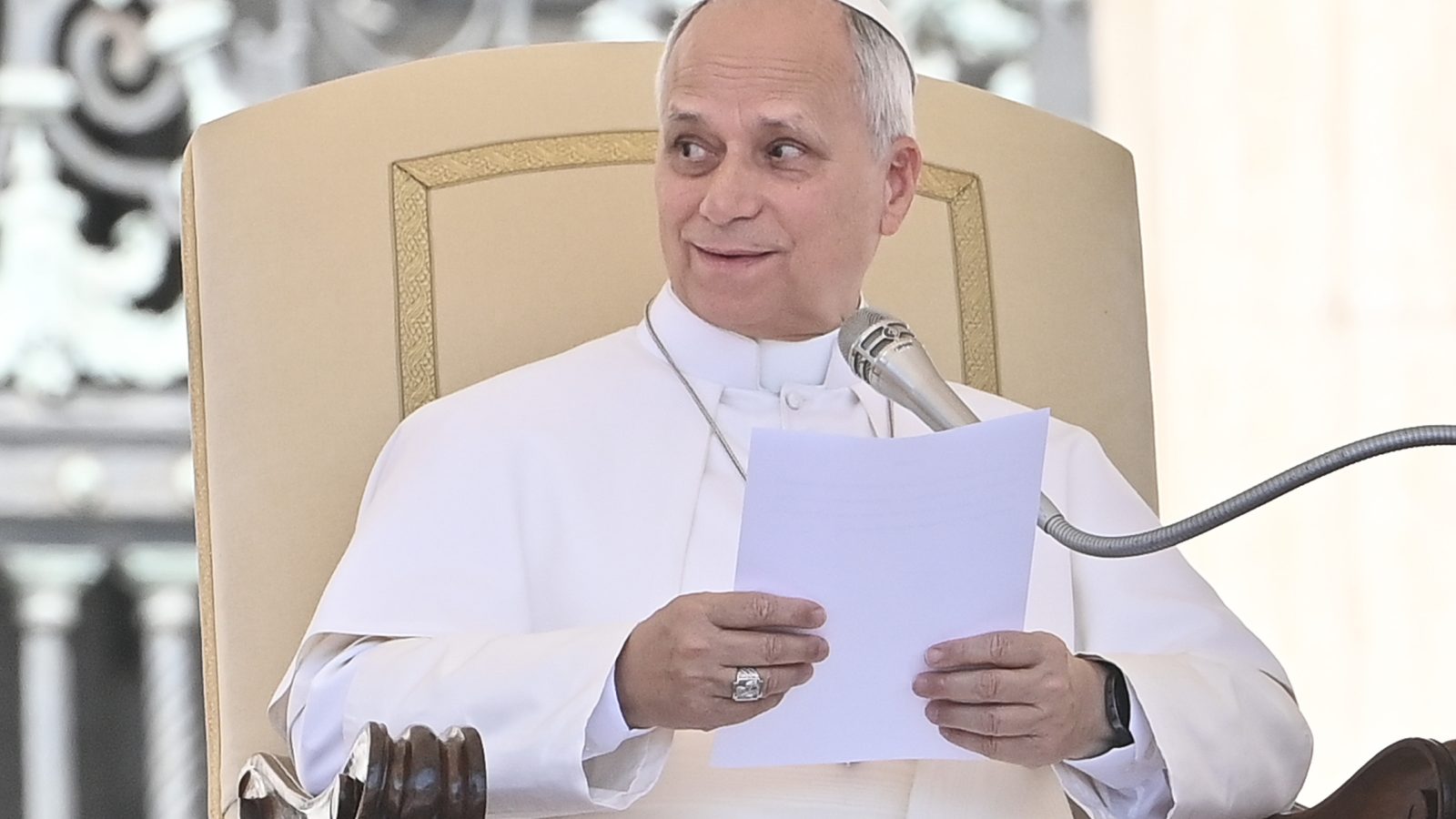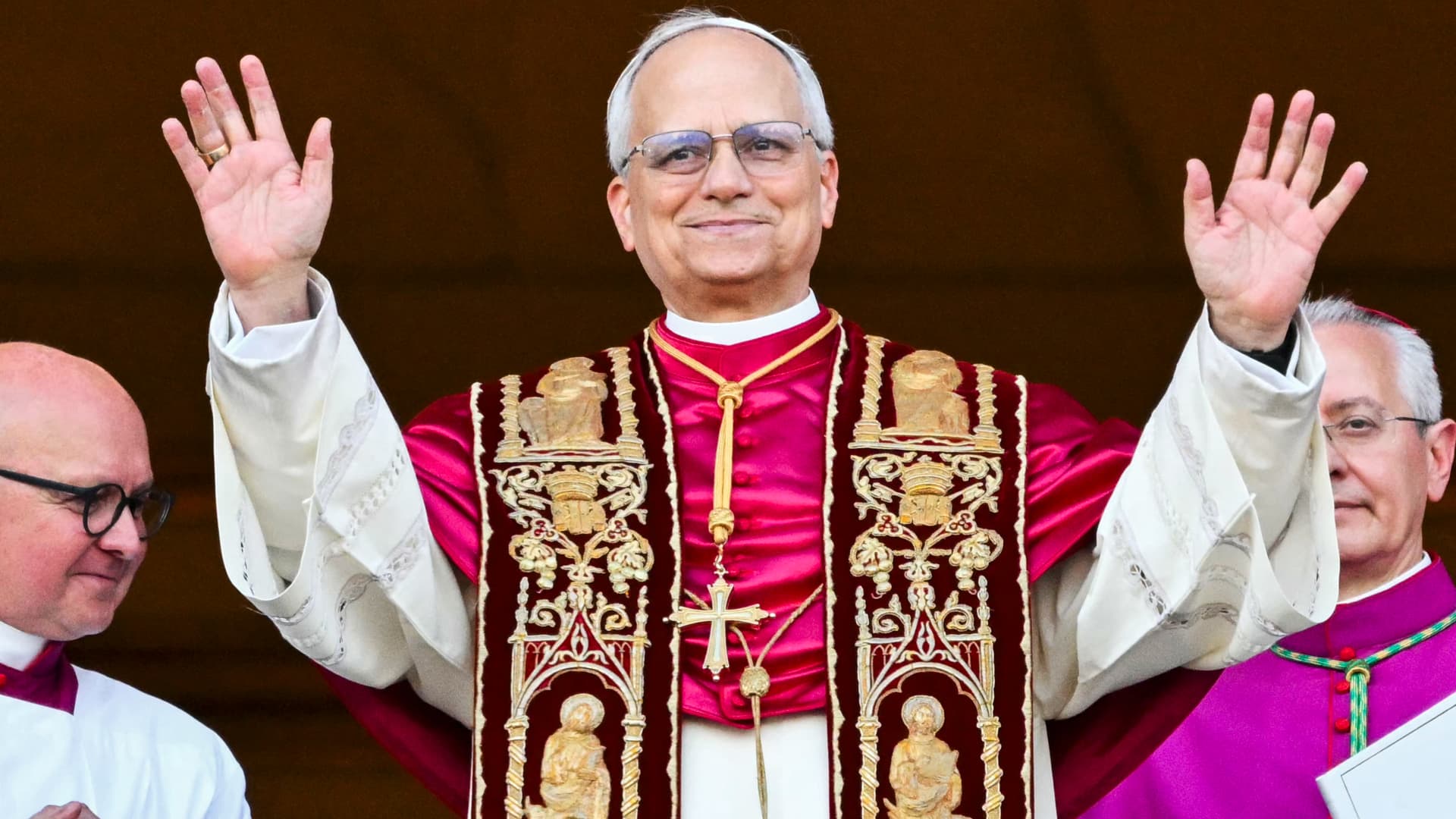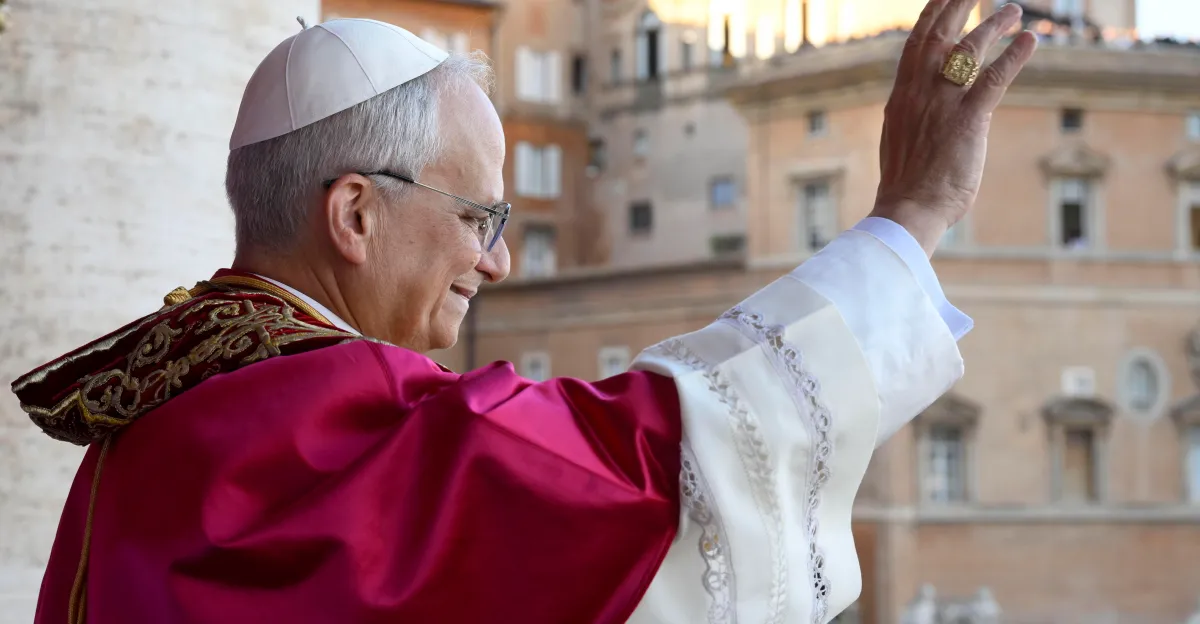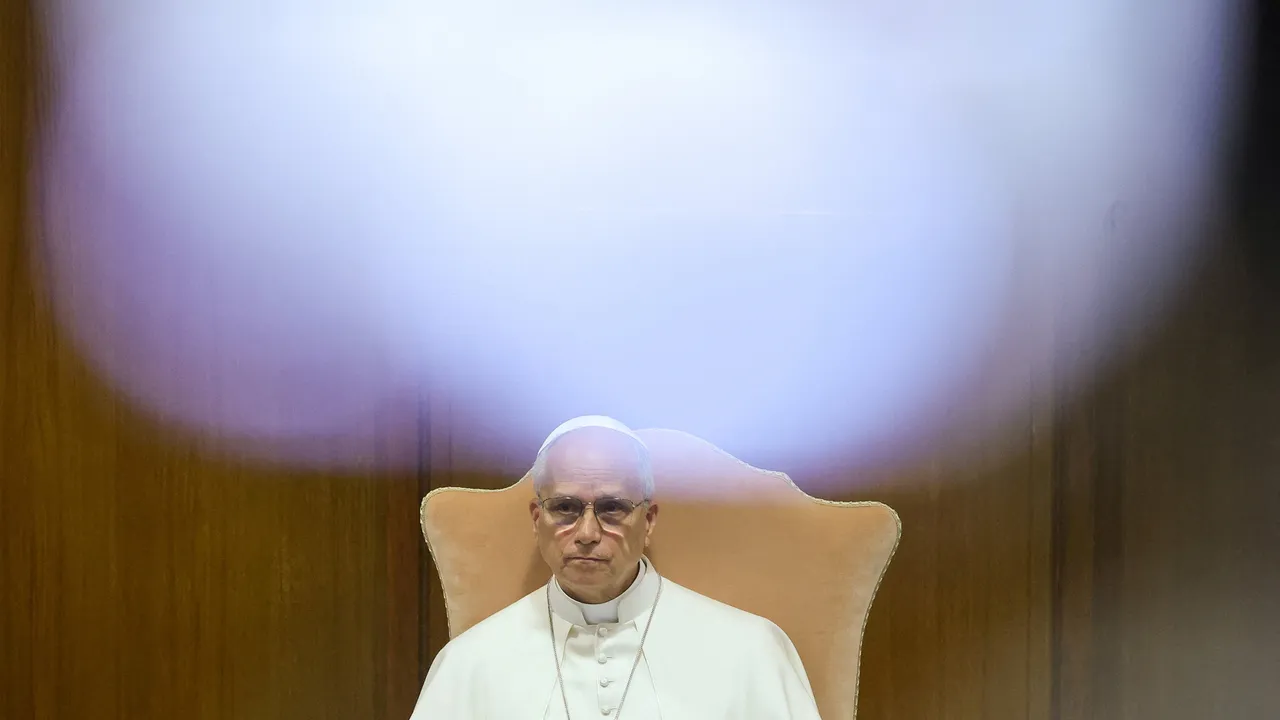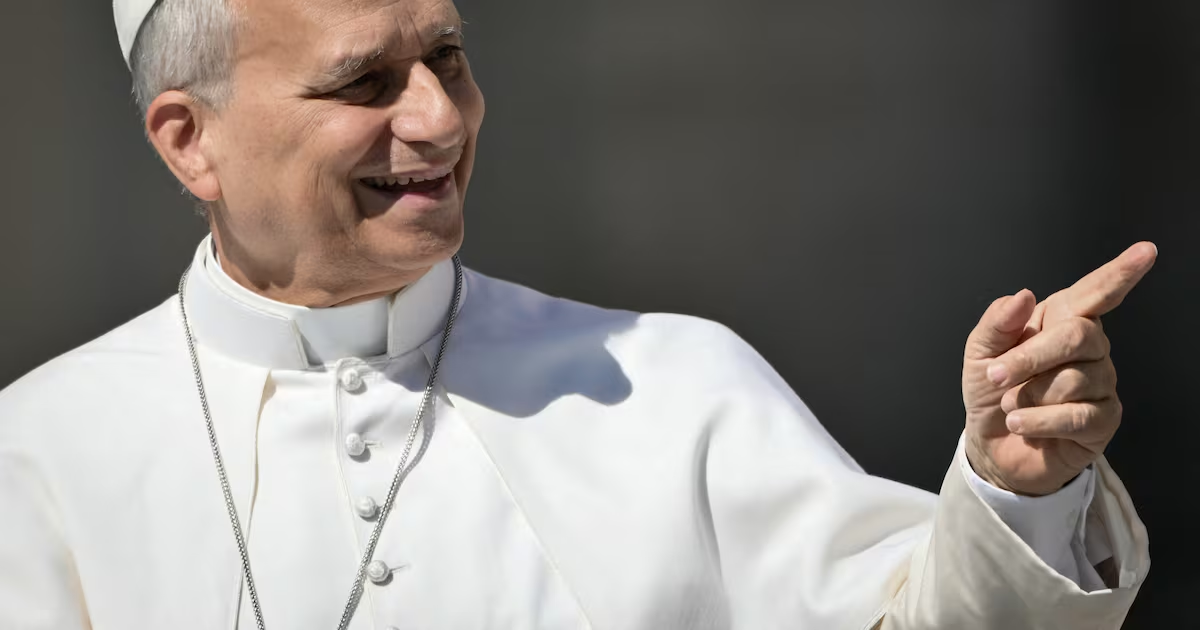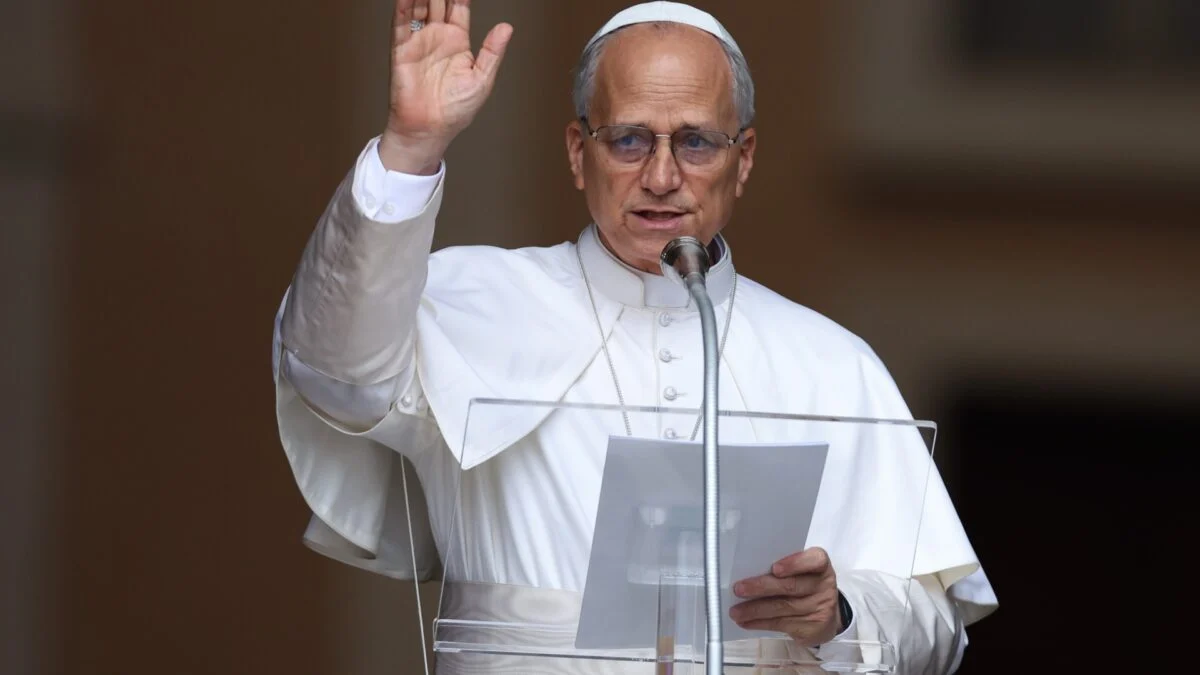
On Monday, Pope Leo XIV weighed in on the matter of artificial intelligence and its role in society in a lengthy document called “Magnifica Humanitas,” or “Magnificent Humanity.” The Papal Encyclical, as the document is formally called—essentially an open letter addressed to senior church officials—was presented to a crowded room in the Vatican. It addresses everything from the impacts of AI in the workforce to the unconstrained spread of AI-generated deepfake content to the sanctity of the human spirit in an age of increasingly intelligent machines. The Pope was joined by Chris Olah, a cofounder of Anthropic and the leader of the AI lab’s interpretability research division. In his remarks to the audience, Olah echoed the Pontiff’s call for collaboration between tech developers, spiritual authorities, and others to chart a safe course for future AI development. He also took things in a more metaphysical direction, claiming Anthropic’s AI systems have been showing early glimmers of something more than mere, unfeeling number-crunching. “I lead a research team that studies the internal structure of these models—what is actually happening inside them,” Olah said. “And I will be honest: we keep finding things that are mysterious, even unsettling. We find structures that mirror results from human neuroscience. We find evidence of introspection. We find internal states that functionally mirror joy, satisfaction, fear, grief, and unease. I don’t know what that means, but I think it warrants ongoing discernment.”
Anthropic Is Playing Both Sides of the AI Spirituality Debate
The company, which has repeatedly emphasized its belief that AI could one day be conscious, wants to have its communion wafer and eat it too.
1,099 words~5 min read