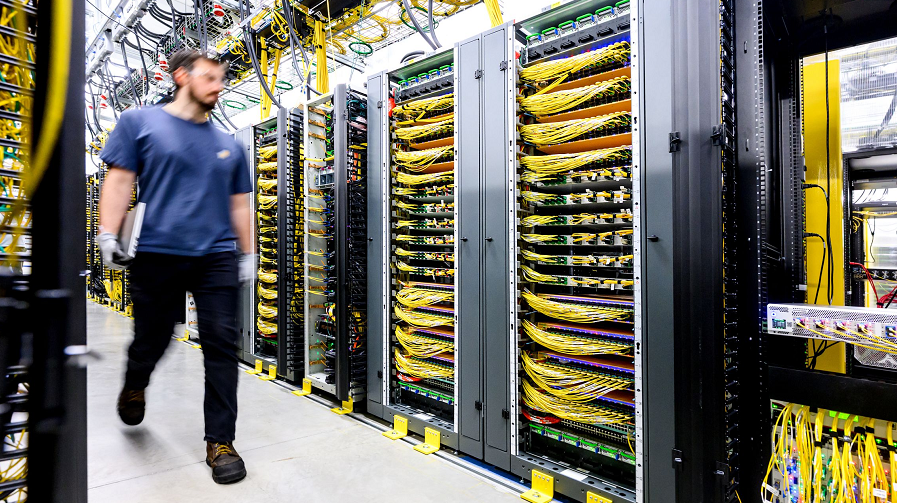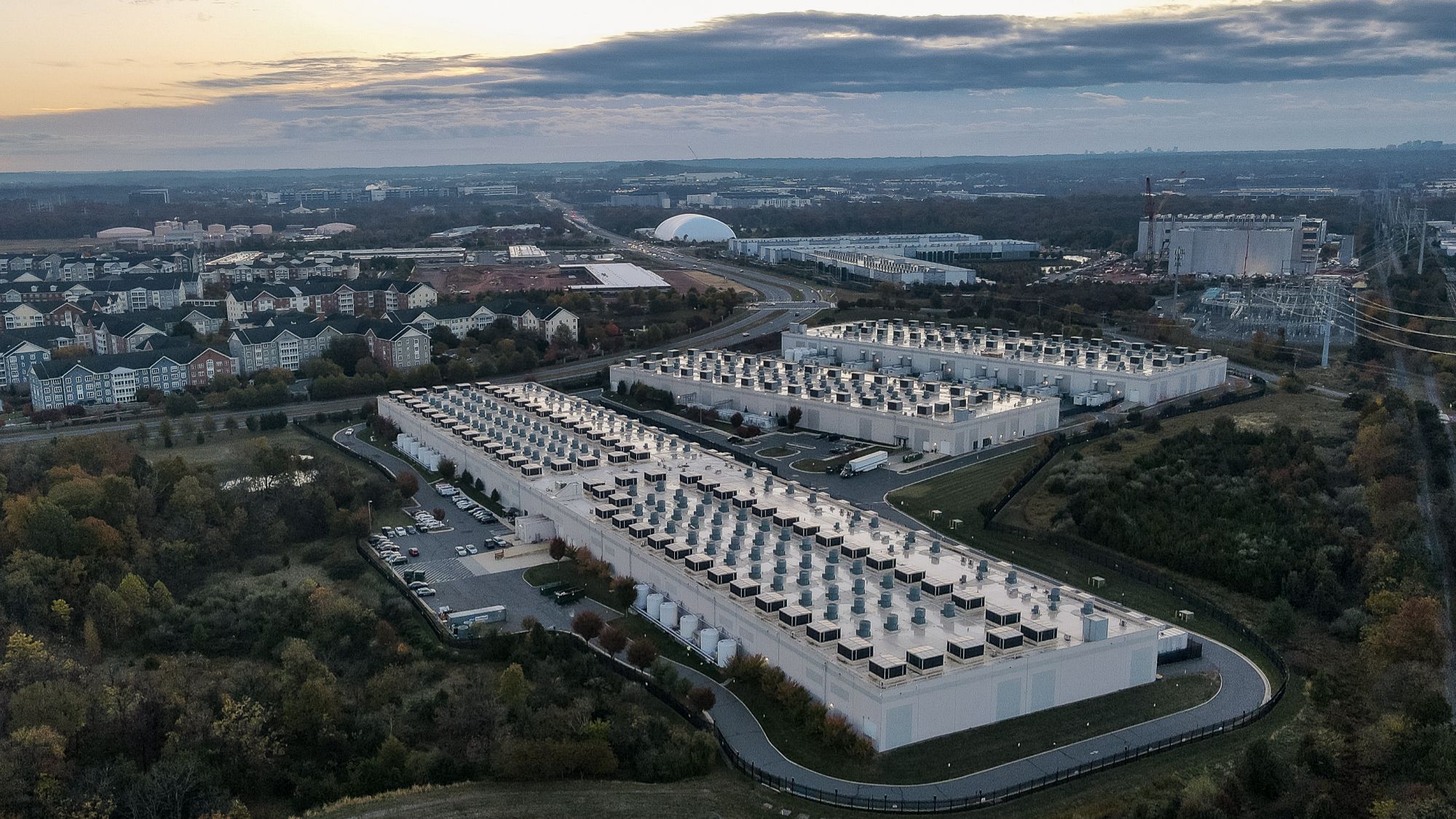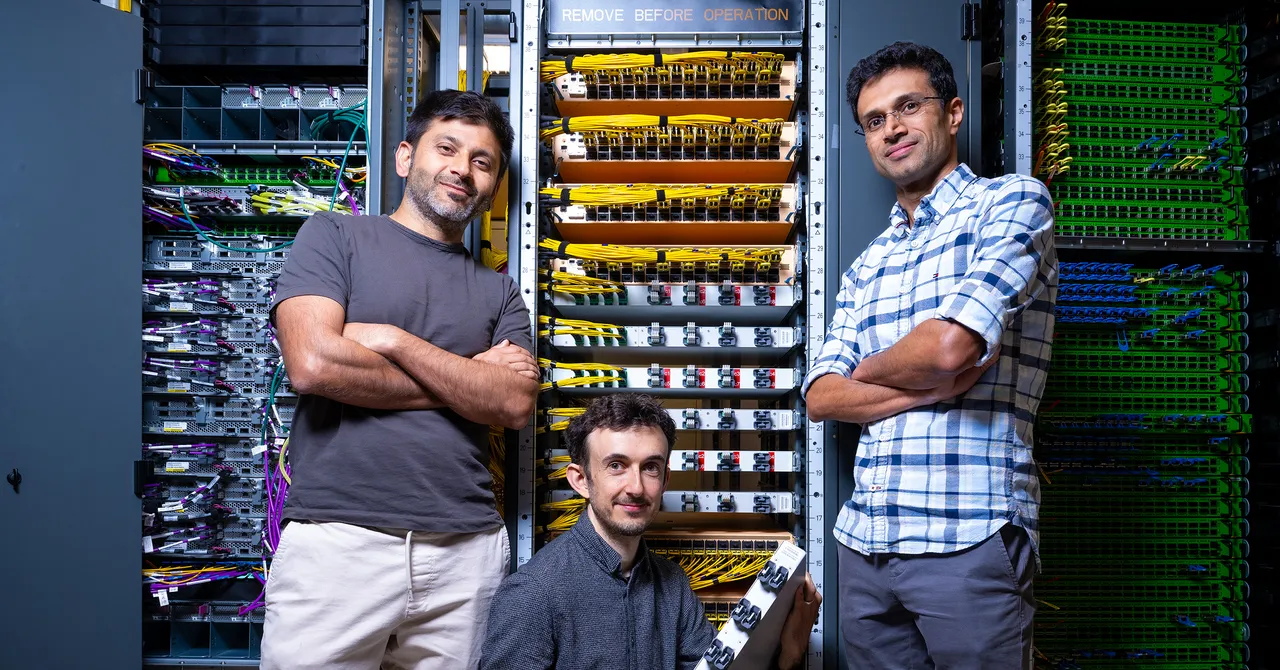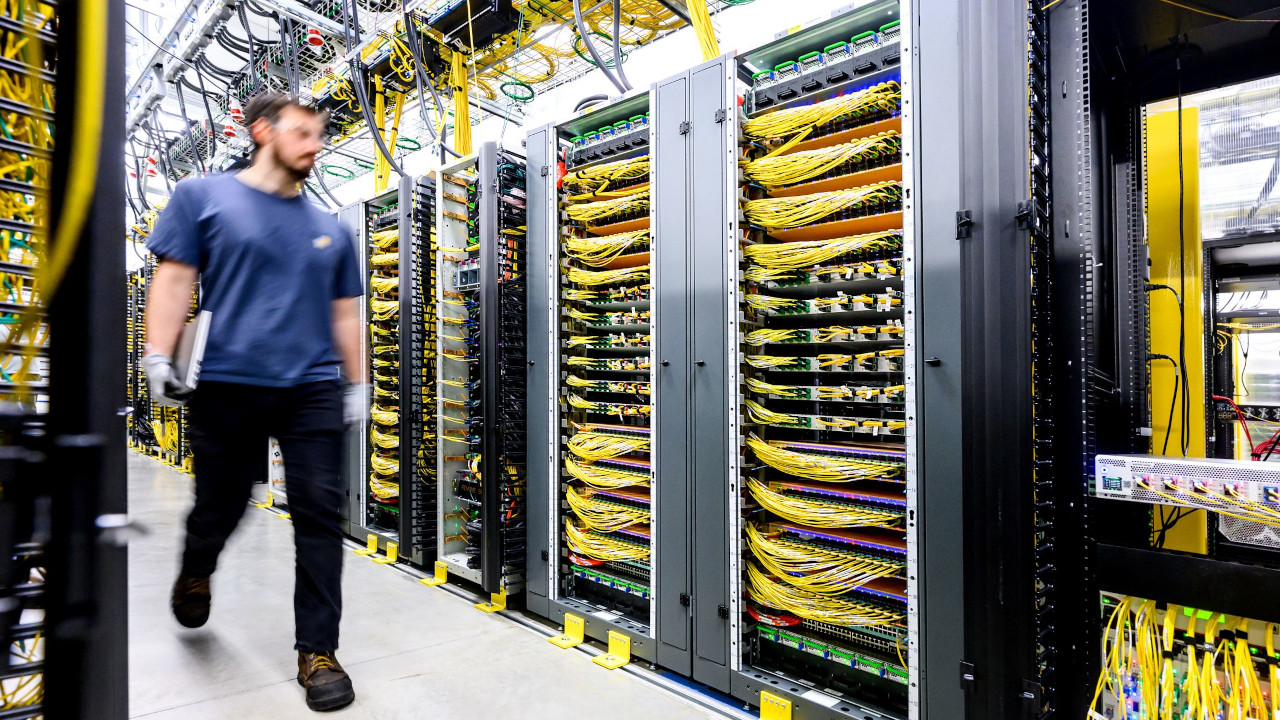
Amazon Web Services just flipped the script on how data centers talk to themselves. The cloud giant has deployed a new networking architecture called Random Node Grouping, or RNG, that uses quasi-random graph theory to route traffic across its massive server farms. It’s now the default network topology for most AWS workloads.
The system replaces the fat-tree network design that has been the industry standard for years. According to an arXiv paper published in May 2026, RNG matches or exceeds the performance of those legacy architectures while cutting costs by 9-45% through simpler cabling and fewer switches. For an operation spending roughly $200 billion on data center and AI infrastructure in 2026 alone, those percentage savings translate into real money.
How RNG actually works
Think of a traditional fat-tree network like a corporate org chart. Data flows up through layers of switches, hits the top, then flows back down to its destination. RNG takes a fundamentally different approach. Instead of a hierarchical structure, it connects nodes in quasi-random patterns, creating a “flat” topology that lets data take more direct paths between servers.
The result is a network that needs fewer physical switches and dramatically less cabling. AWS has separately noted that its new modular components are designed to deliver up to 46% lower mechanical energy usage for cooling needs, without increasing water consumption per megawatt.