May 28th, 2026
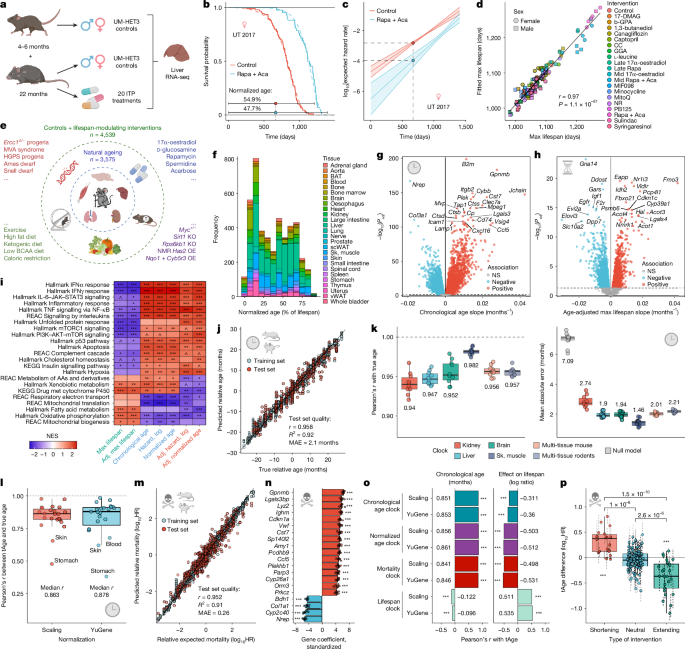
Machine learning techniques can be used to generate aging clocks from any sufficiently complex set of biological data obtained from individuals of varying chronological ages. The research community is generating new clocks at a fair pace, most of which are doomed to vanish into obscurity, while trying to better understand best use cases and limitations of the small number of very well-studied clocks. As researchers here point out, when omics data is used as the foundation for a clock, it is typically only one type of omics data, most commonly epigenomic data. It is suggested that new clocks should be developed that employ multiple omics sources, not just one. While I'm sympathetic to this view, it seems to me that the priority remains to make better use of the well-studied clocks that exist. It remains the case that no-one has solved the issues that prevent the use of clocks as a low-cost, fast way to assess the effectiveness of novel approaches to rejuvenation.
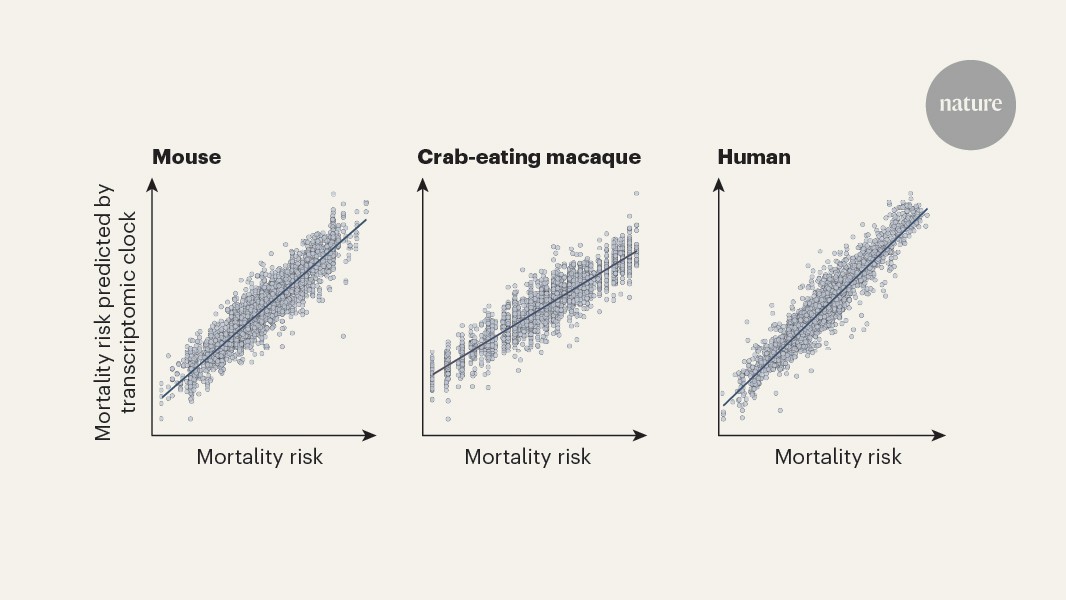
Biological clocks can be broadly categorized by the outcome used to train them. Early clocks, including Horvath's clock and Hannum's clock, were trained to predict chronological age from DNA methylation (DNAm) patterns and demonstrated the ability to track biological aging across tissues and identify accelerated aging in conditions. Other clocks have since been developed, providing enhanced predictive accuracy for age-associated diseases, life expectancy, and personal aging patterns. However, clocks trained on chronological age have generally shown limited ability to predict age-related disease incidence or mortality in the general population. To address this limitation, a newer generation of clocks has been trained directly on hard outcomes such as all-cause mortality and disease incidence, DNAm-based approaches, metabolomics, and routine clinical biomarkers, consistently demonstrating superior performance in predicting health trajectories.