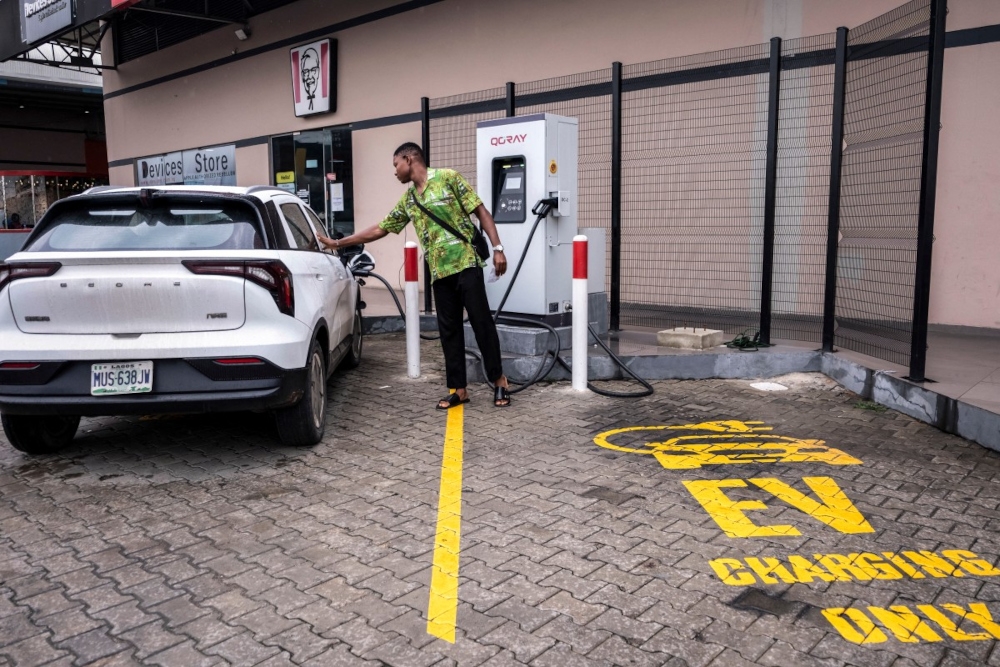
Nigeria’s next major energy transition may not be decided by policy announcements in Abuja.
It may be decided in traffic.
In Lagos, where commercial drivers now recalculate every route based on fuel costs. In warehouses where logistics companies are under pressure to reduce transport expenses. In households where transport fares now compete directly with food, rent and school fees.
Movement has become expensive in Nigeria. And that pressure is forcing one of the most important business conversations in the country:
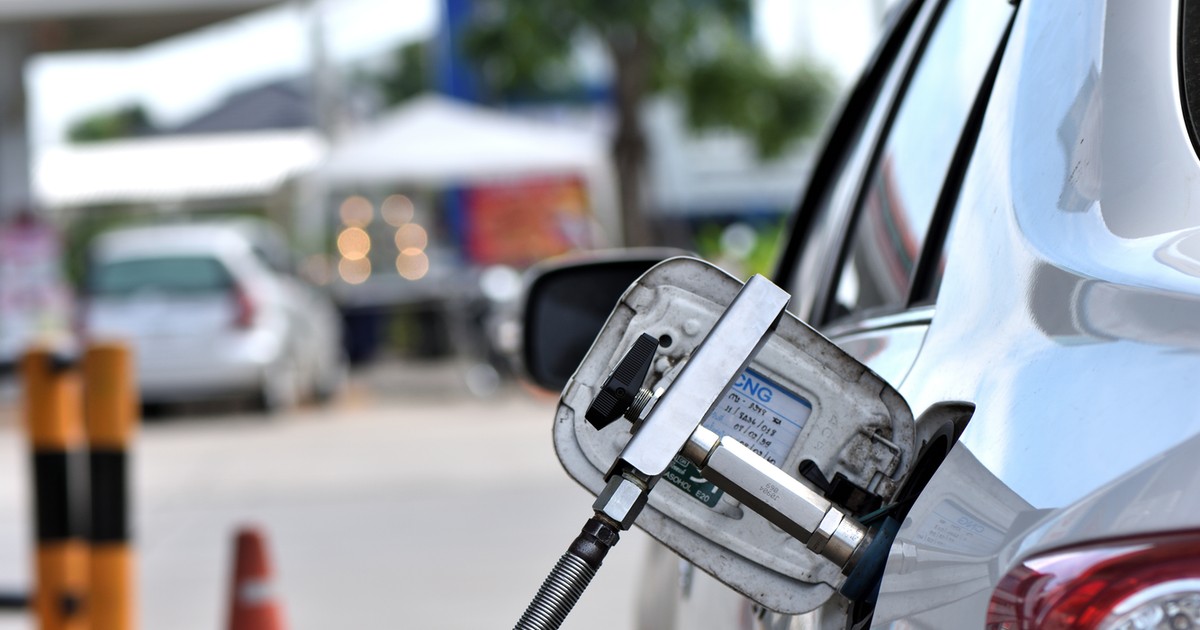
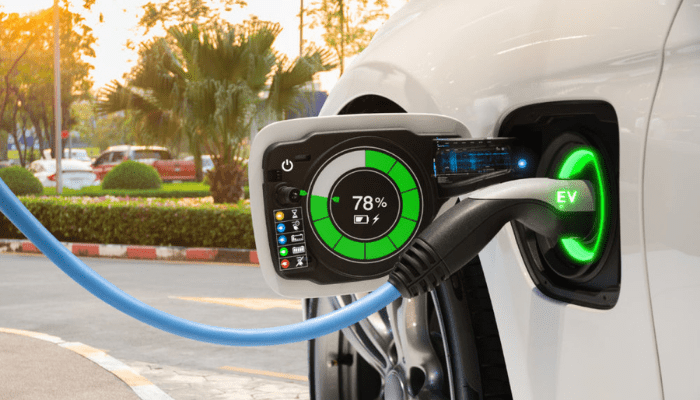
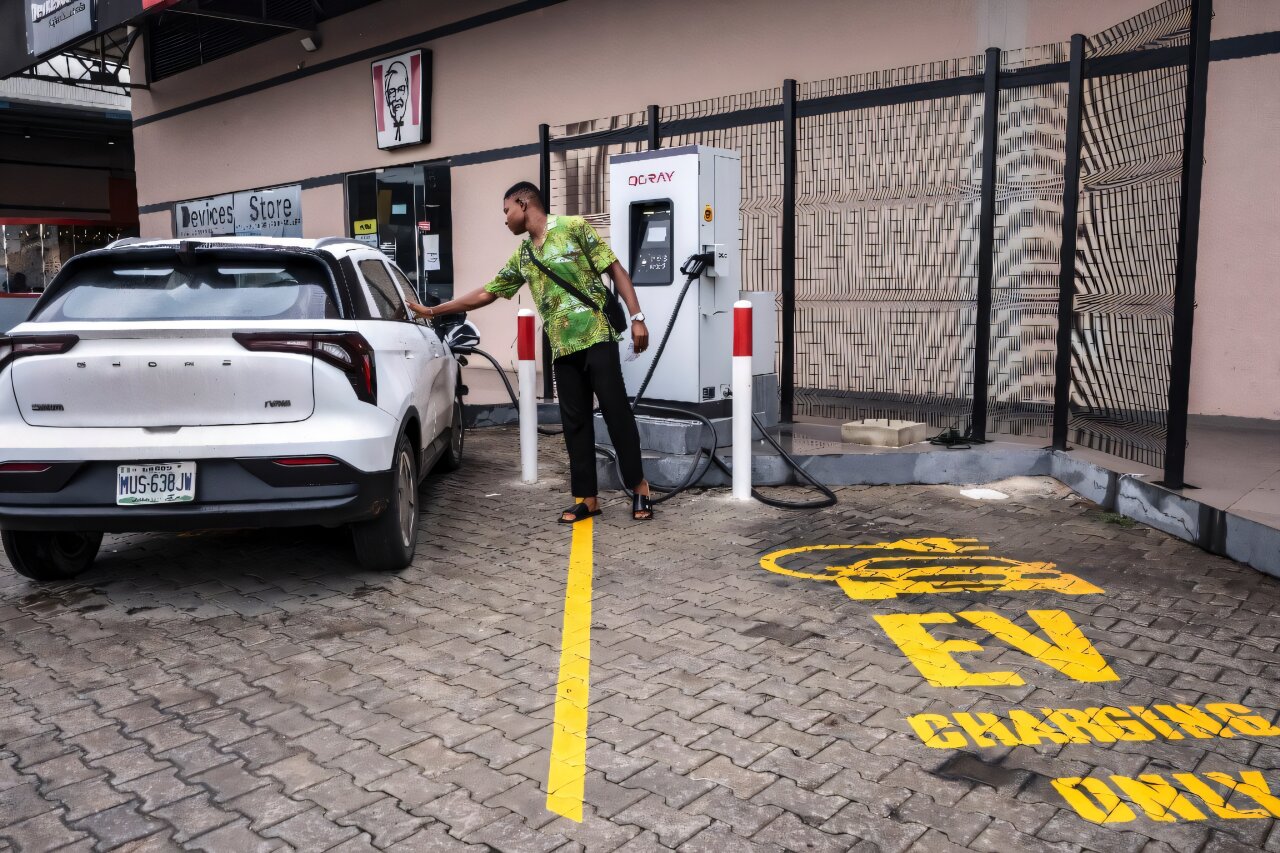
What will Nigeria rely on next?