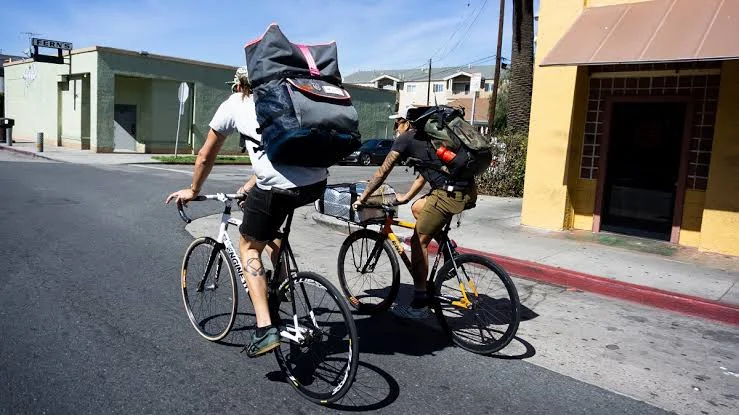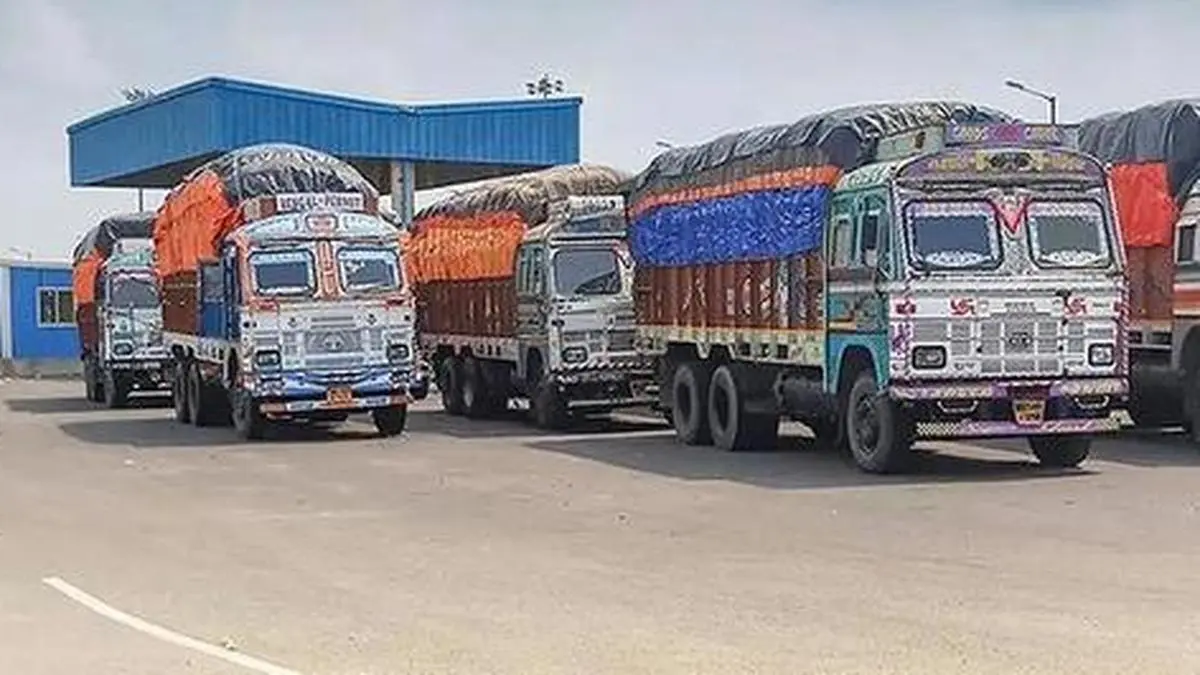
Every morning in Lagos, thousands of dispatch riders are on the road. Bikes weave through early-morning traffic on Apapa Road, tricycles load up outside Mile 2 markets, and vans queue outside cold stores in Ojota. By the time the average Lagos resident opens their phone to track a delivery, that package has already burned through half a litre of petrol. Multiply that by the 75,000 commercial vehicles currently operating in Lagos alone, add the roughly 13,000 newly registered in the past year, and you have a logistics sector spending billions of naira on fuel before it has earned anything.
The removal of the fuel subsidy permanently changed the transport and logistics sector. What was previously absorbed by government subsidies is now felt directly by riders, fleet managers, and the small businesses that depend on them. Delivery costs have climbed, margins have thinned, and the pressure is unlikely to ease. Yet the numbers suggest a more useful question: what would it cost to stop buying fuel altogether?
The answer is more achievable than it sounds, and Nigeria already has companies testing it.
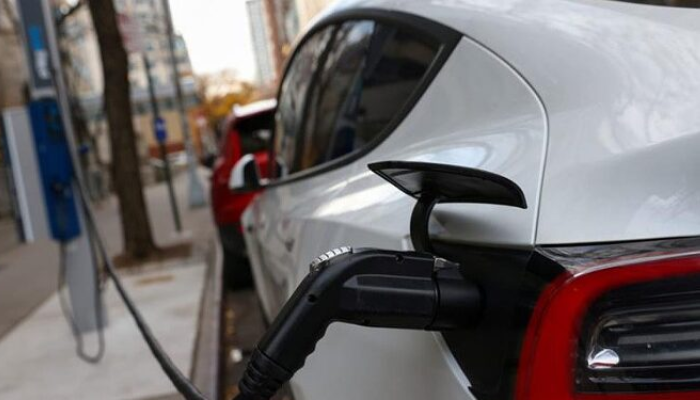
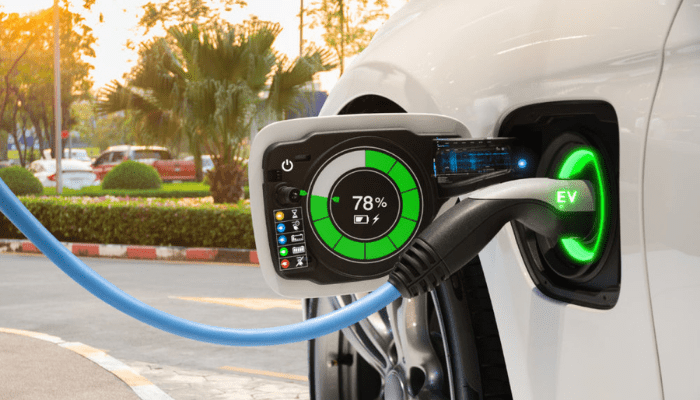
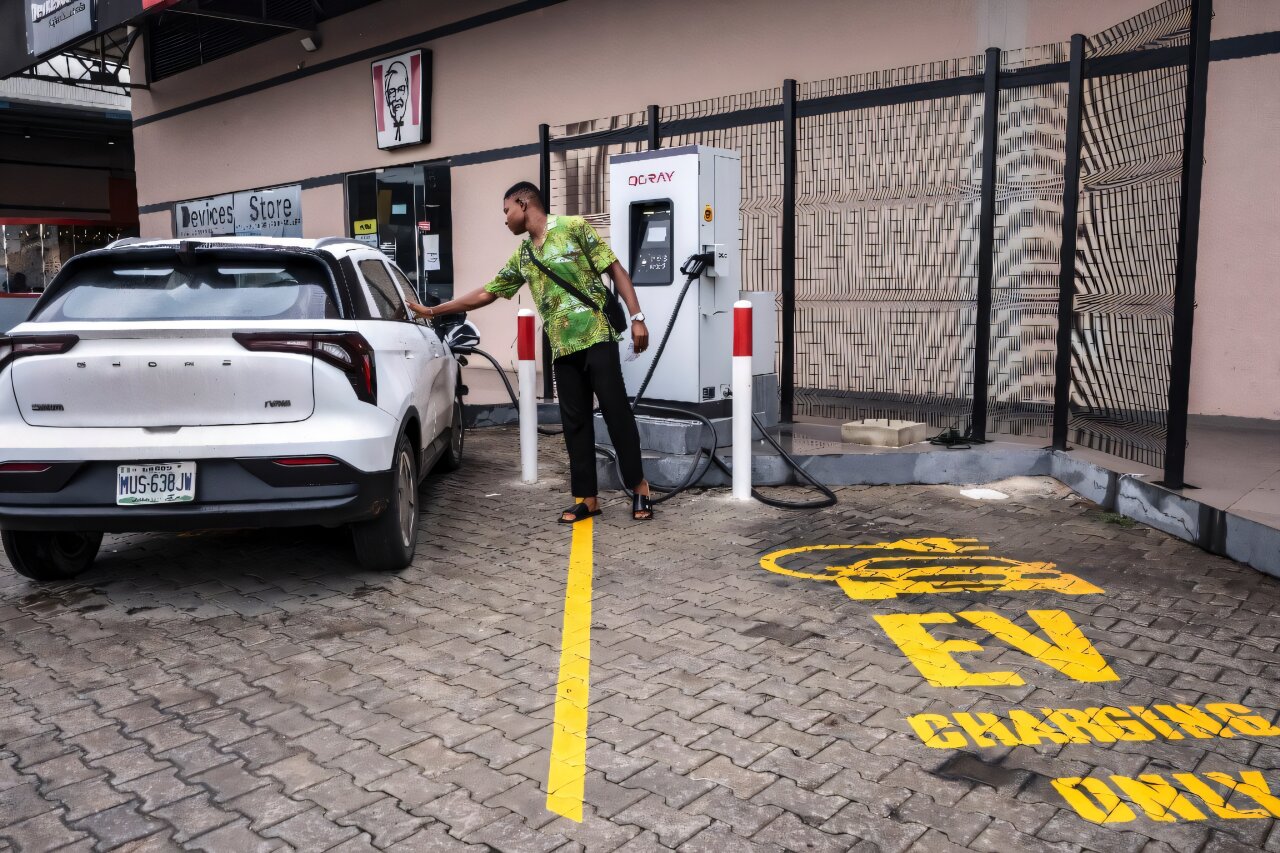
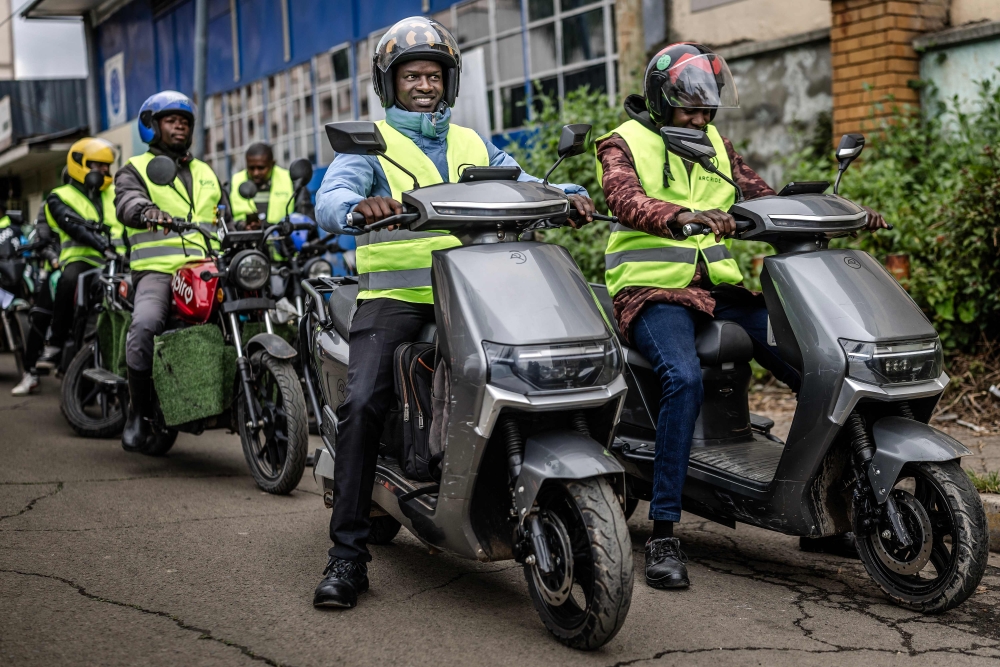
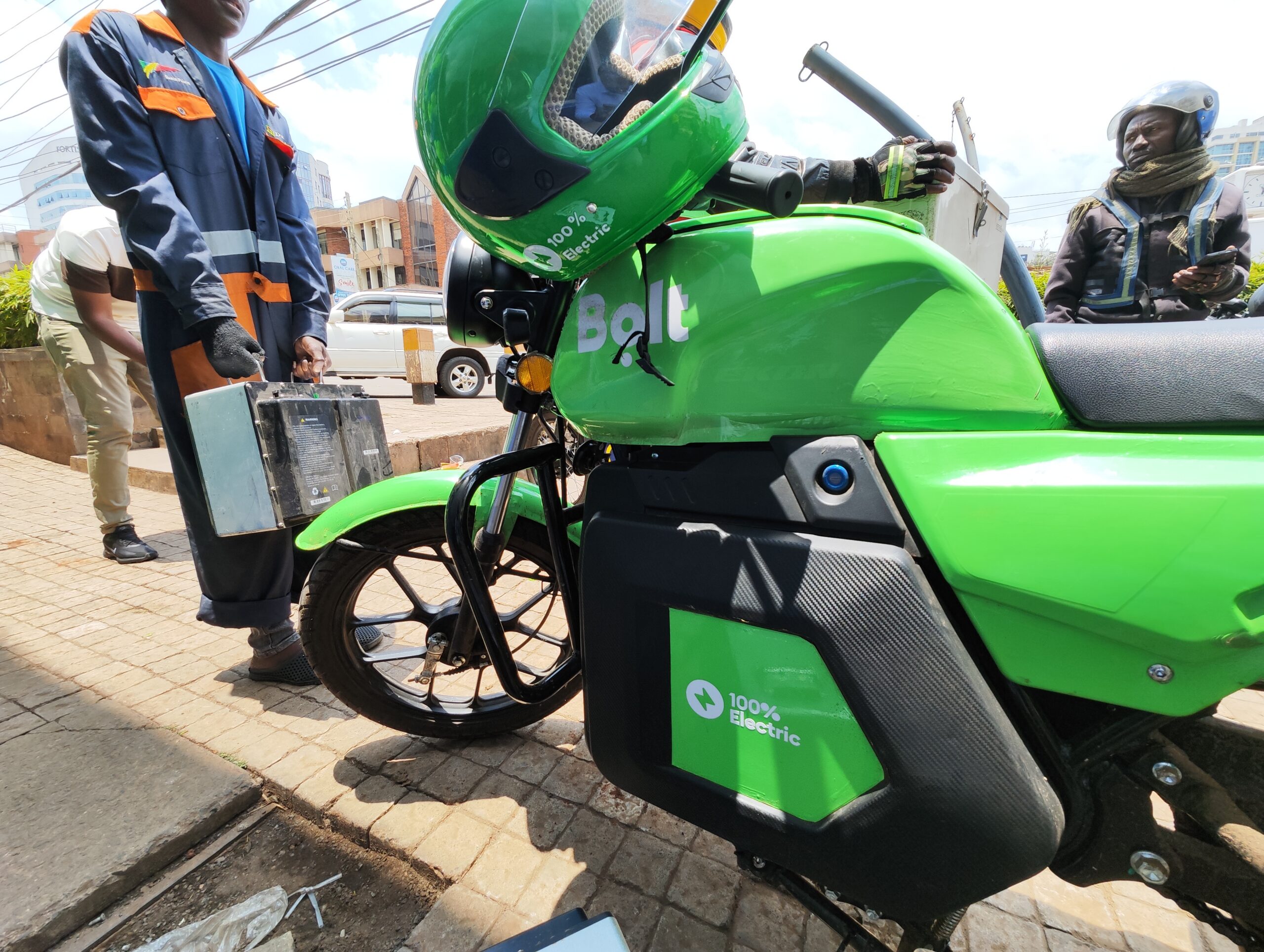
MAX has deployed 17 charging stations across Lagos and piloted electric-motorcycle transitions with DHL and Aramex, with partnership agreements in place with Uber and Bolt for electric delivery. Ecokada operates two fully off-grid charging and battery-swap stations in Lagos. Oando Clean Energy has launched electric-bus pilots on BRT routes in partnership with LAMATA. Possible EVs, Siltech, and JET Motor Company are assembling or distributing electric vehicles in the market. These are commercial operations that run in the same traffic and serve the same customers as their petrol-powered competition.