Rising fuel prices, worsening traffic congestion and the rapid expansion of e‑commerce are reshaping Nigeria’s urban logistics landscape, creating opportunities for an unlikely but increasingly important player in the delivery ecosystem, the bicycle courier, writes GODWIN AIKIGBE
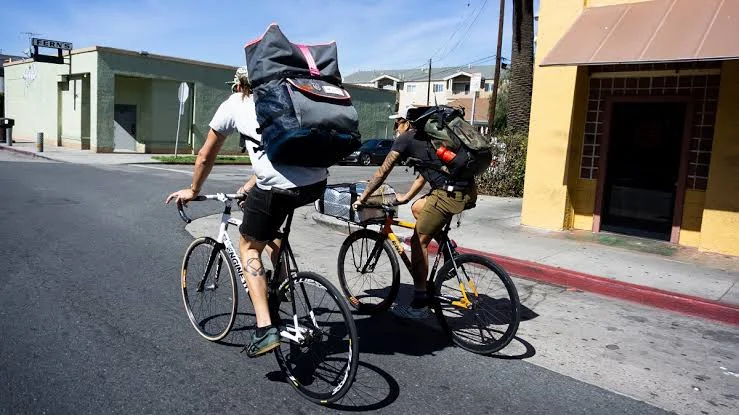
Across major cities including Lagos, Abuja, Port Harcourt and Ibadan, young men on bicycles carrying brightly coloured delivery backpacks have become an increasingly familiar sight. Whether weaving through traffic on busy highways, navigating narrow streets inaccessible to vehicles or waiting patiently outside restaurants for the next assignment, these riders are quietly redefining last‑mile delivery in Nigeria.
The bicycle courier segment remains a relatively small part of the country’s broader informal economy, but industry observers believe it is among the fastest‑growing areas of Nigeria’s gig workforce. The growth has largely been driven by food delivery applications, online shopping platforms and businesses seeking quicker and more affordable ways of moving goods across crowded urban centres.
For many of the riders, the job represents more than simply transporting meals and parcels from one point to another. It is a source of income, a means of financing education and, in some cases, a stepping stone towards bigger ambitions.