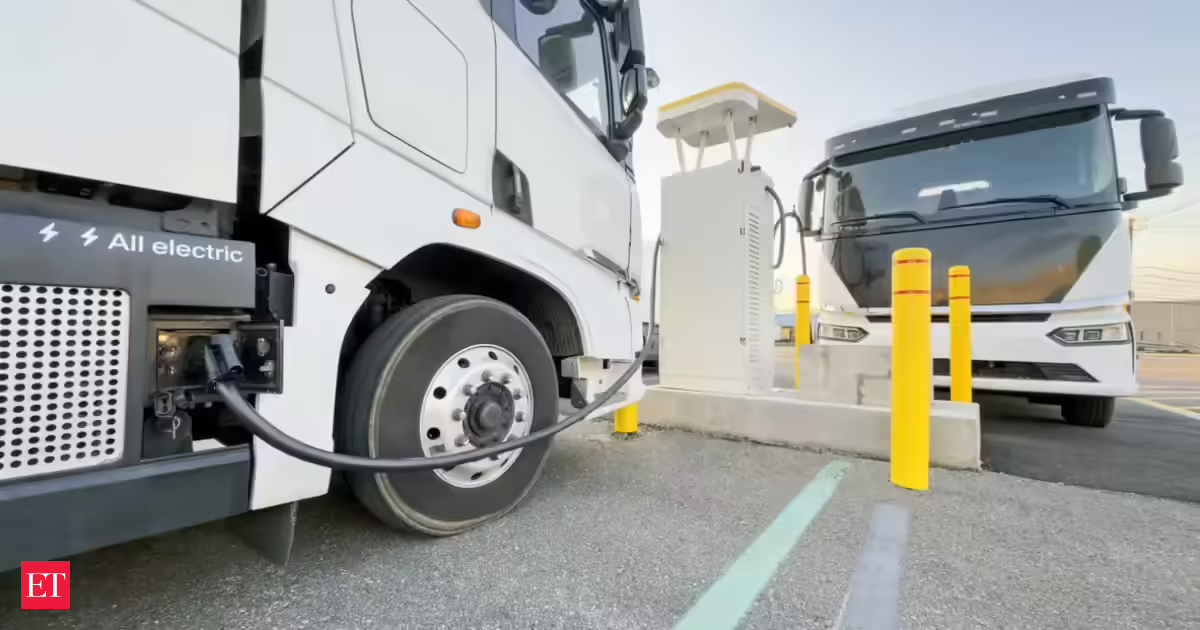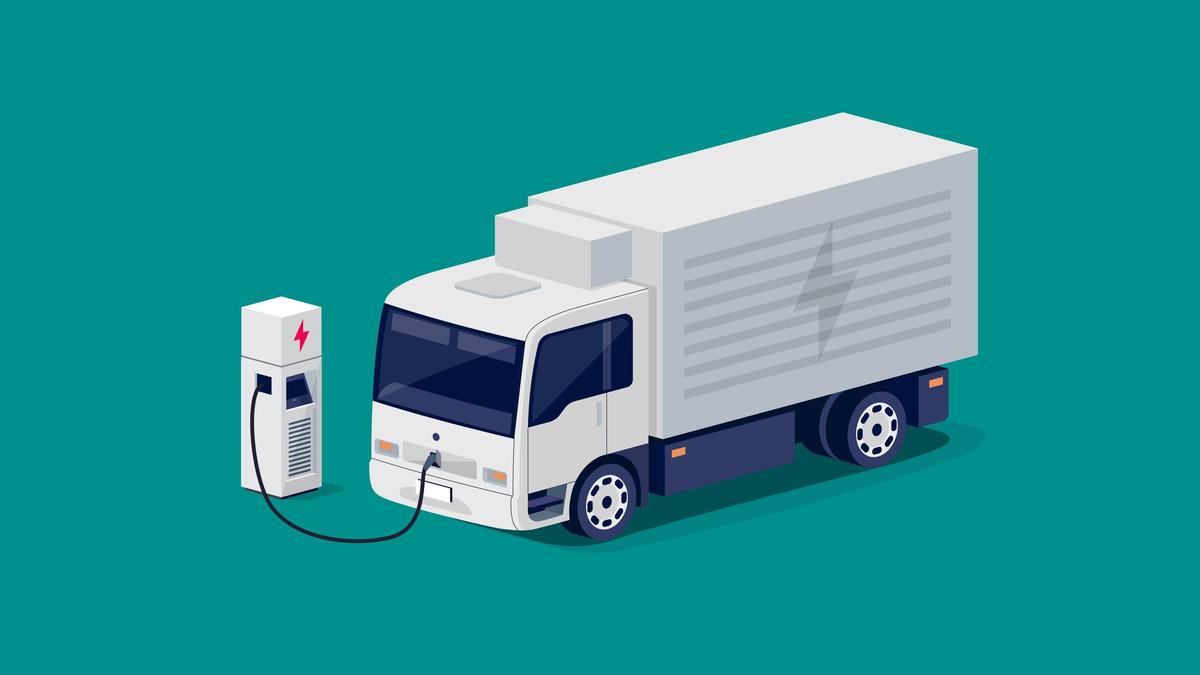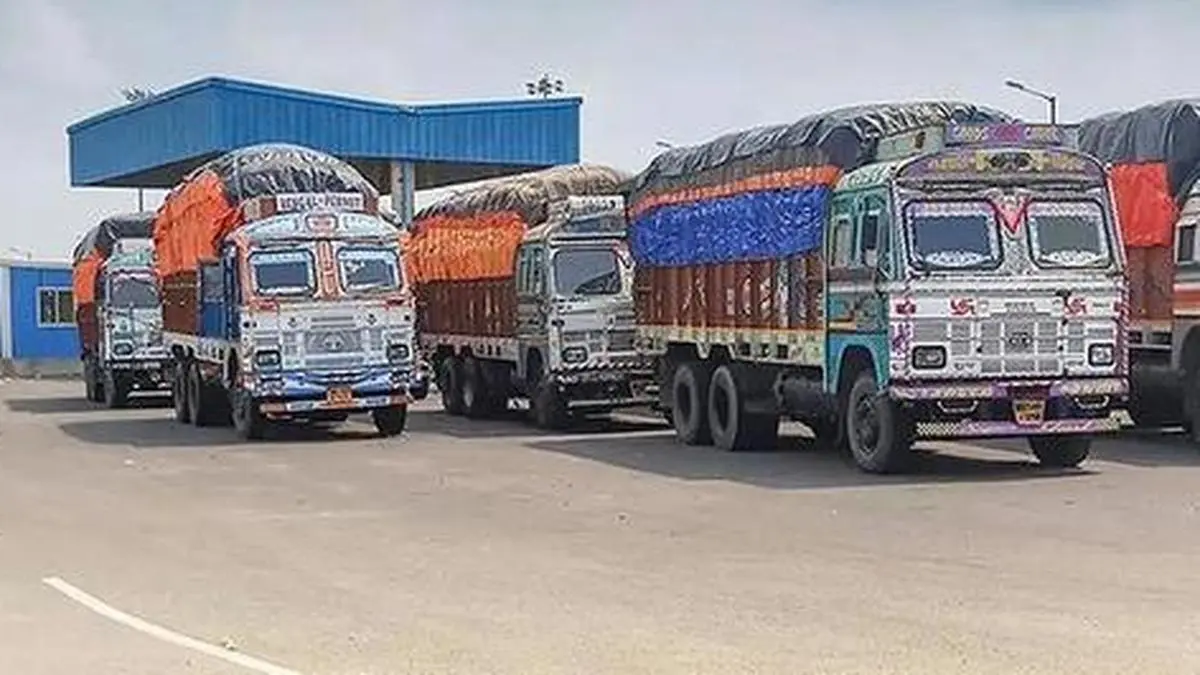
File picture: Operation of battery-electric trucks also brings charging dependency, lower route flexibility, uncertain resale value and utilisation risk into the picture
India’s push toward battery-electric trucking is colliding with a brutal freight-market reality: transporters are being asked to replace ₹35–45 lakh diesel trucks with battery-electric vehicles that can cost ₹80 lakh to more than ₹1 crore depending on battery size and payload capacity, even as freight contracts continue to be negotiated largely on lowest cost.Fleet operators at the Commercial Vehicle Forum (CVF) in Pune said the economics becomes even harder in a sector where margins are already under pressure from rising diesel prices, financing costs and aggressive freight-rate competition. Unlike diesel trucks, battery-electric trucks also bring charging dependency, lower route flexibility, uncertain resale values and utilisation risks that directly affect profitability.“We are hearing two messages at the same time — customers want greener fleets and lower emissions, but freight contracts are still negotiated almost entirely on lowest cost,” said Nikita Garodia, Chief Operating Officer, Anva Logistics. That mismatch is increasingly forcing transporters to absorb the cost and operational risk of India’s green logistics transition without corresponding changes in freight pricing or customer contracts.The flexibility problemFleet operators said the shift to electric trucks is difficult because trucking profitability depends heavily on flexibility and high daily utilisation, both of which become harder with battery-electric vehicles.“What happens if you cannot redeploy the truck even though it might be physically running?” said Sagarshi Chakraborti, P&L Head Operations at Let’s Transport, referring to one of the biggest operational concerns around electric trucking.In India’s freight market, trucks are routinely shifted across customers, cities and routes depending on cargo demand. Diesel vehicles can easily be refuelled and reassigned almost anywhere, but battery-electric trucks are often tied to fixed charging corridors and predictable operating cycles. That reduces flexibility for transporters, especially in long-haul operations where profitability depends on keeping trucks moving with minimal downtime.Executives said the industry’s traditional understanding of total cost of ownership, or TCO, is also changing rapidly. Operators now have to account not just for fuel savings and acquisition costs, but also financing risk, charging access, payload impact, downtime and resale uncertainty.Banks and financiers are also approaching electric trucks cautiously because long-term residual values and battery replacement economics remain uncertain, fleet operators said.ESG vs freight ratesFleet operators said one of the biggest contradictions in the transition is that customers increasingly speak about ESG targets and decarbonisation goals while continuing to negotiate freight pricing aggressively. “Freight rates are extremely cost-sensitive,” Chakraborti said, adding that procurement teams often continue comparing transporters primarily on cost even while demanding greener supply chains.Operators said cleaner trucks involve higher acquisition costs, uncertain financing structures, infrastructure dependency and evolving maintenance economics, but freight contracts rarely compensate adequately for those risks.That is now pushing the industry toward a new contracting model where customers, logistics companies and fleet owners increasingly need to share both the operational and financial burden of decarbonisation through longer contract tenures, utilisation guarantees and volume commitments.“Decarbonisation cannot be a supplier instruction,” Chakraborti said. “It has to be designed as a shared partnership model.”Multi-fuel futureRather than expecting one technology to dominate immediately, fleet operators increasingly see India moving toward a multi-fuel freight ecosystem.Electric trucks are viewed as better suited for short-haul and last-mile operations, while CNG continues gaining traction in urban and regional logistics networks.That caution reflects the commercial realities of India’s freight market, where margins remain thin, fleet ownership is fragmented and vehicle utilisation directly determines profitability.For now, fleet operators say India’s green trucking transition is less a technology problem than a commercial one, and the biggest unanswered question is who ultimately pays for decarbonising India’s freight economy.Published on June 11, 2026