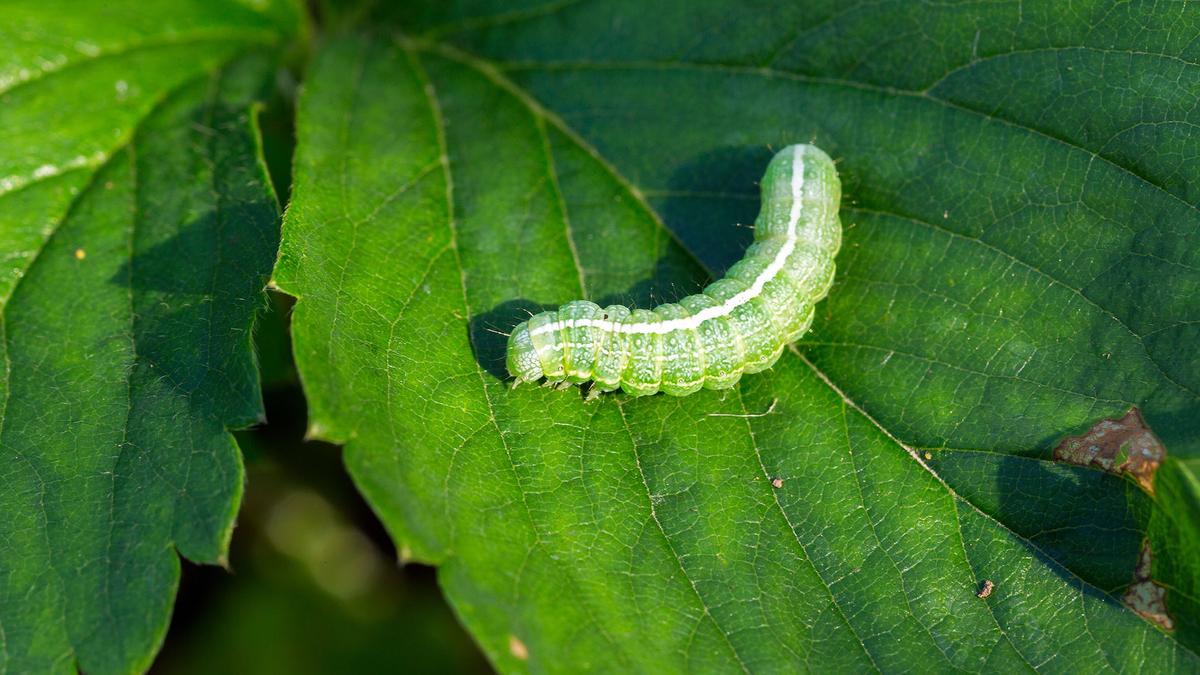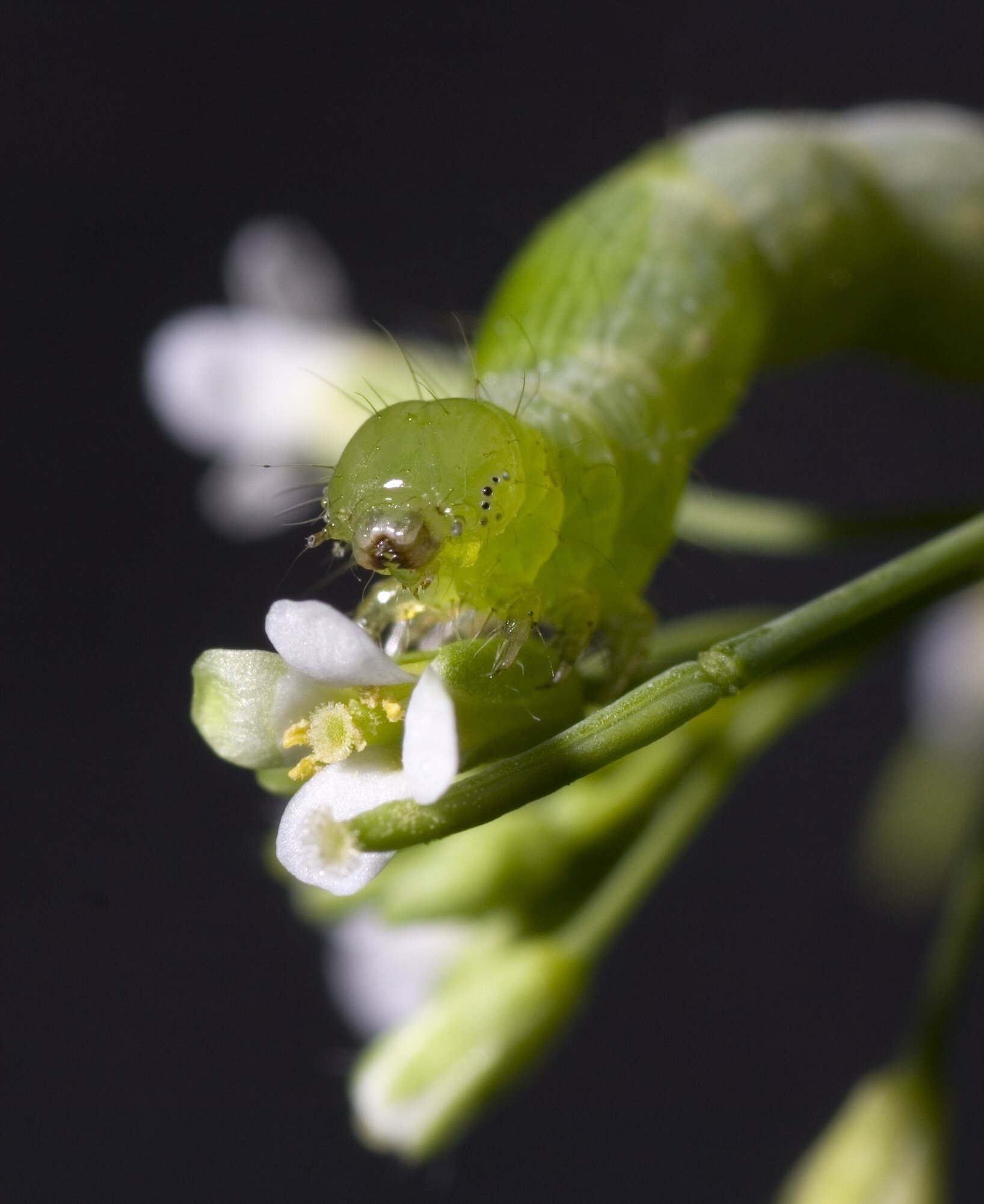
Illustration demonstrating plant-to-plant communication. Credit: Velemir Ninkovic
New research reveals that plants have the ability to detect their neighbors' growth rates through aromatic cues called volatile organic compounds (VOCs) and subsequently adjust how much energy they invest into their own growth or defense strategies through responsive gene expression.
VOCs are carbon-based chemicals that evaporate easily into the air and are commonly produced by plants to communicate with herbivores, pollinators and even other plants. They are also responsible for the wide variety of fragrances that plants generate, and are often used in the manufacturing of perfumes, cosmetics, food and cleaning products.
Beyond alarm signals in plants
Up until now, most of the research on plant-produced VOCs has focused on damaged plants releasing alarm-like chemical signals that warn neighbors to activate their anti-herbivore defenses. This new study published in the Journal of Experimental Botany describes a previously unrecognized role for healthy plant VOCs in competitive growing environments.