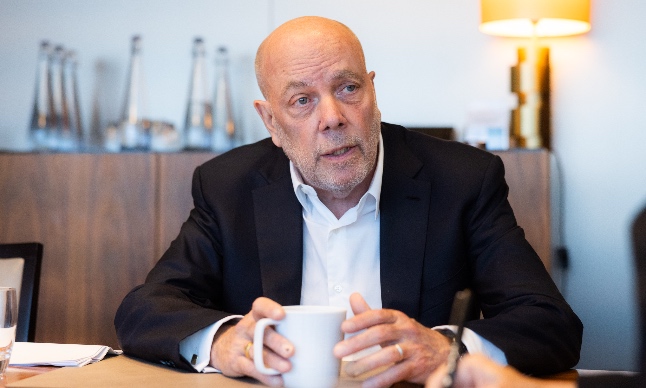
Last October, David Kelly, Chief Global Strategist at J.P. Morgan Asset Management, published a note that cut through the noise with a single phrase: America is “going broke slowly.”
Markets weren’t panicking yet, Kelly said at the time. The deterioration is real, but gradual enough that investors have been able to look away. This week, Kelly was back with a bit of a progress report, and it’s not a reassuring check-up.
In a new analysis, Kelly maps out five distinct scenarios for where America’s debt trajectory will lead over the next decade — a more structured and expansive attempt to answer the question he said he gets asked more than any other in October: “When will the federal debt collapse?”
The answer, as before, is that it probably won’t collapse on a fixed schedule. But even Kelly’s most optimistic scenario ends with the federal debt-to-GDP ratio hitting 115% by 2036, up from roughly 101% today. His baseline is 130%. And the worst case — a full-blown fiscal crisis — he describes as “somewhat more likely” than any serious attempt to fix the problem.
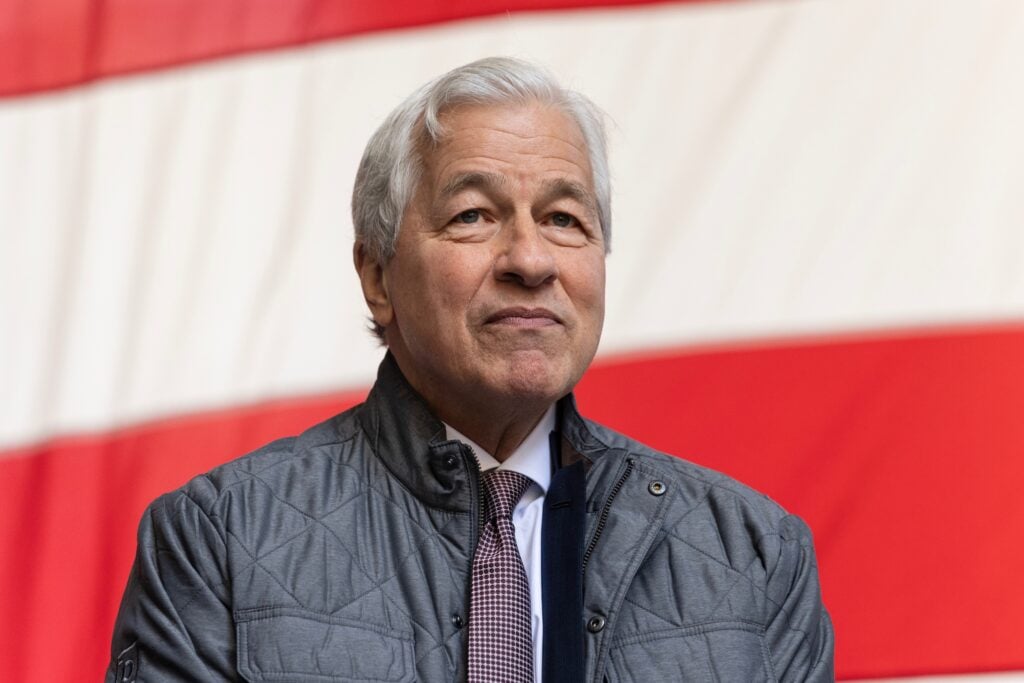
Kelly isn’t the only JPMorgan voice sounding the alarm. His boss, Jamie Dimon, has been escalating his warnings in parallel. In January, Dimon warned the $39 trillion national debt was going to “bite.” By late April, he had hardened the prediction: “There will be a bond crisis,” Dimon said at a Norway sovereign wealth fund conference, “and then we’ll have to deal with it.”