While optimistic economists argue that America can grow its way out of a debt crisis, pessimists believe the real outcome will be somewhat less popular.
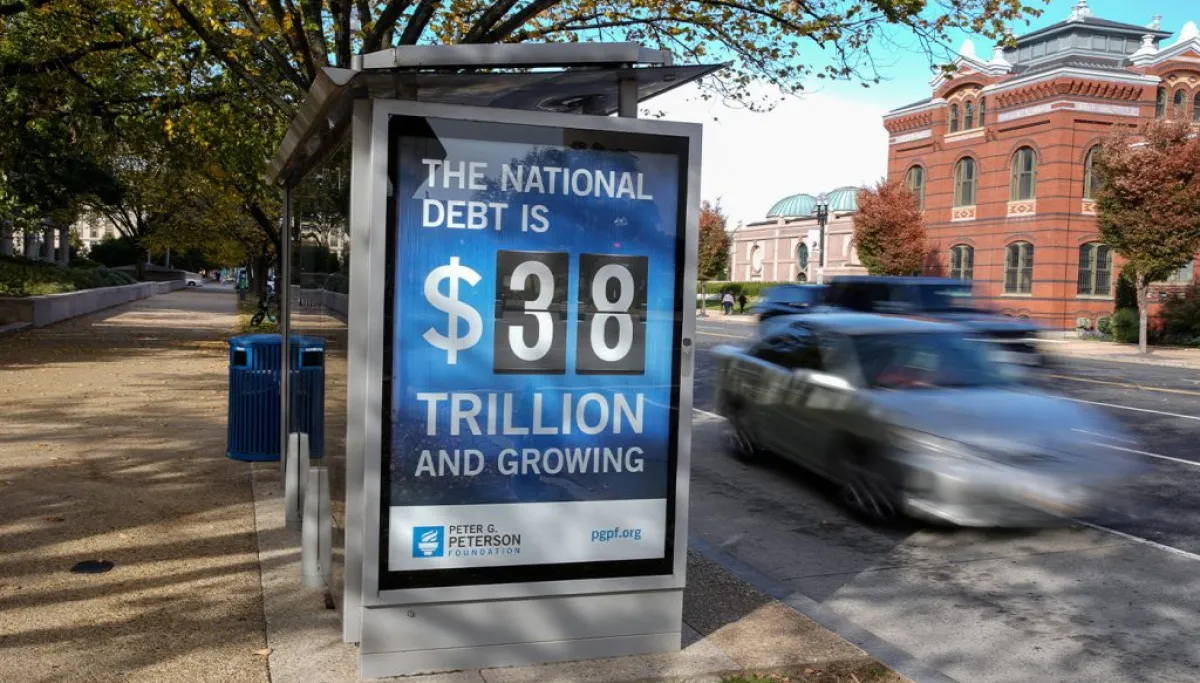
Business leaders, policymakers, and investors are growing increasingly concerned by the United States’s borrowing burden, currently sitting at $38.15 trillion. The worry isn’t necessarily the size of this debt, but rather America’s debt-to-GDP ratio—and hence, its ability to convince investors that it can reliably pay back that debt. It currently stands at about 120%.
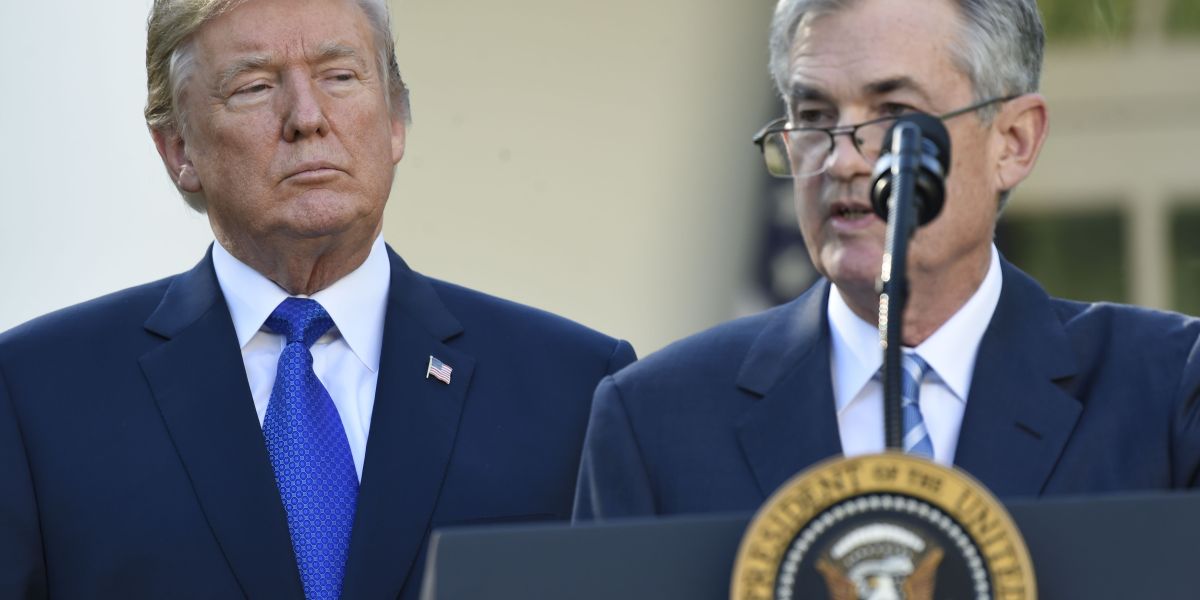
To reduce that ratio requires either GDP to increase or scaling down the debt. On the latter end, this could include cutting public spending. This was already tried by the Trump administration, with the Department of Government Efficiency (DOGE) under Elon Musk claiming to have saved $214 billion.
While those savings were drastically lower than promises made by the Tesla CEO when DOGE was first formed, and they’re a drop in the ocean of the bigger U.S. deficit picture, it does reveal the renewed focus Washington is giving to debt.
This will be a prevailing theme for investors as well, according to JPMorgan Private Bank’s outlook for 2026. (The ban serves high net worth individuals.) The report, released today, says there are three issues investors need to bear in mind: Position for the AI revolution, get comfortable with fragmentation over globalization, and prepare for a structural shift in inflation.