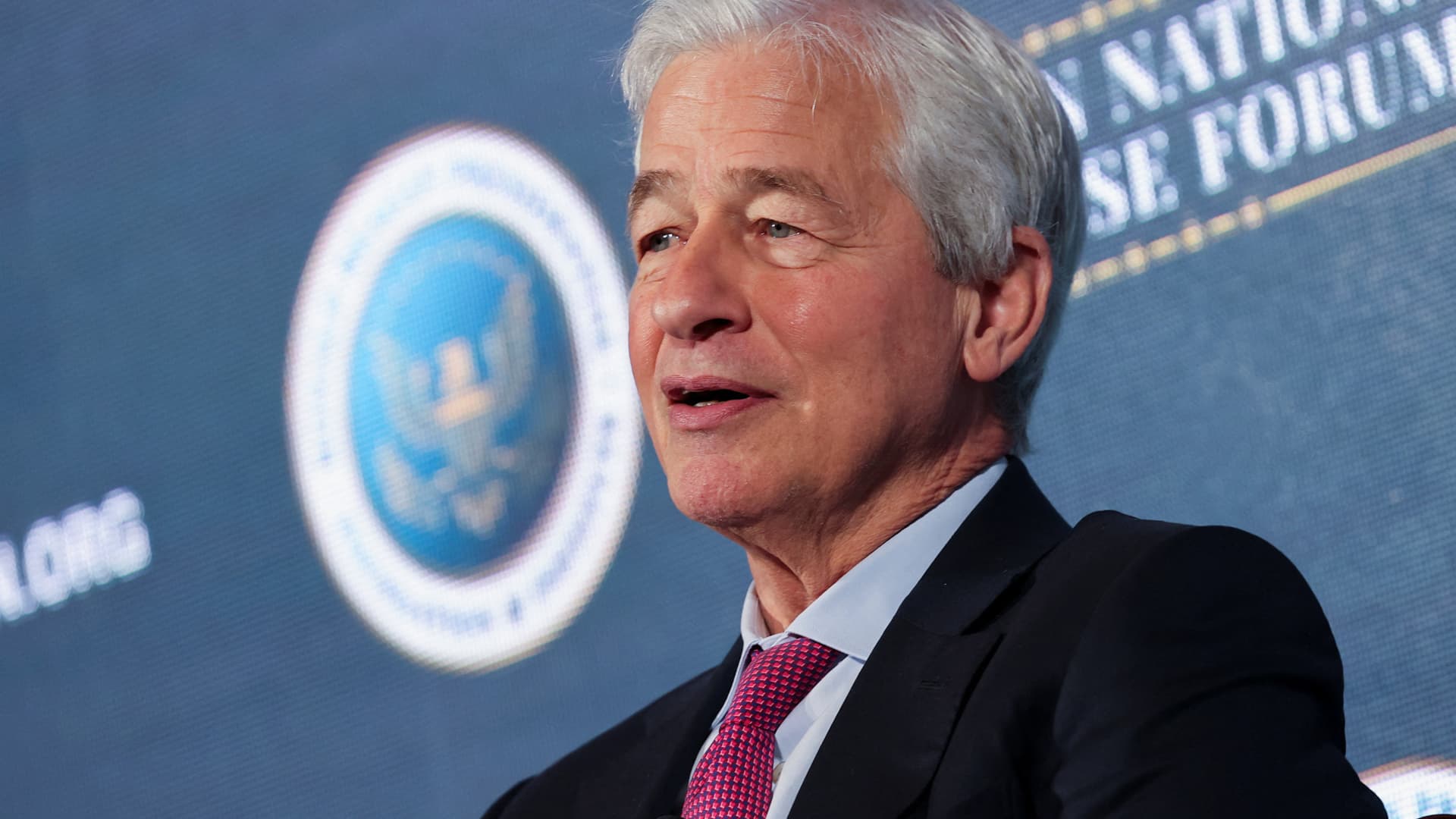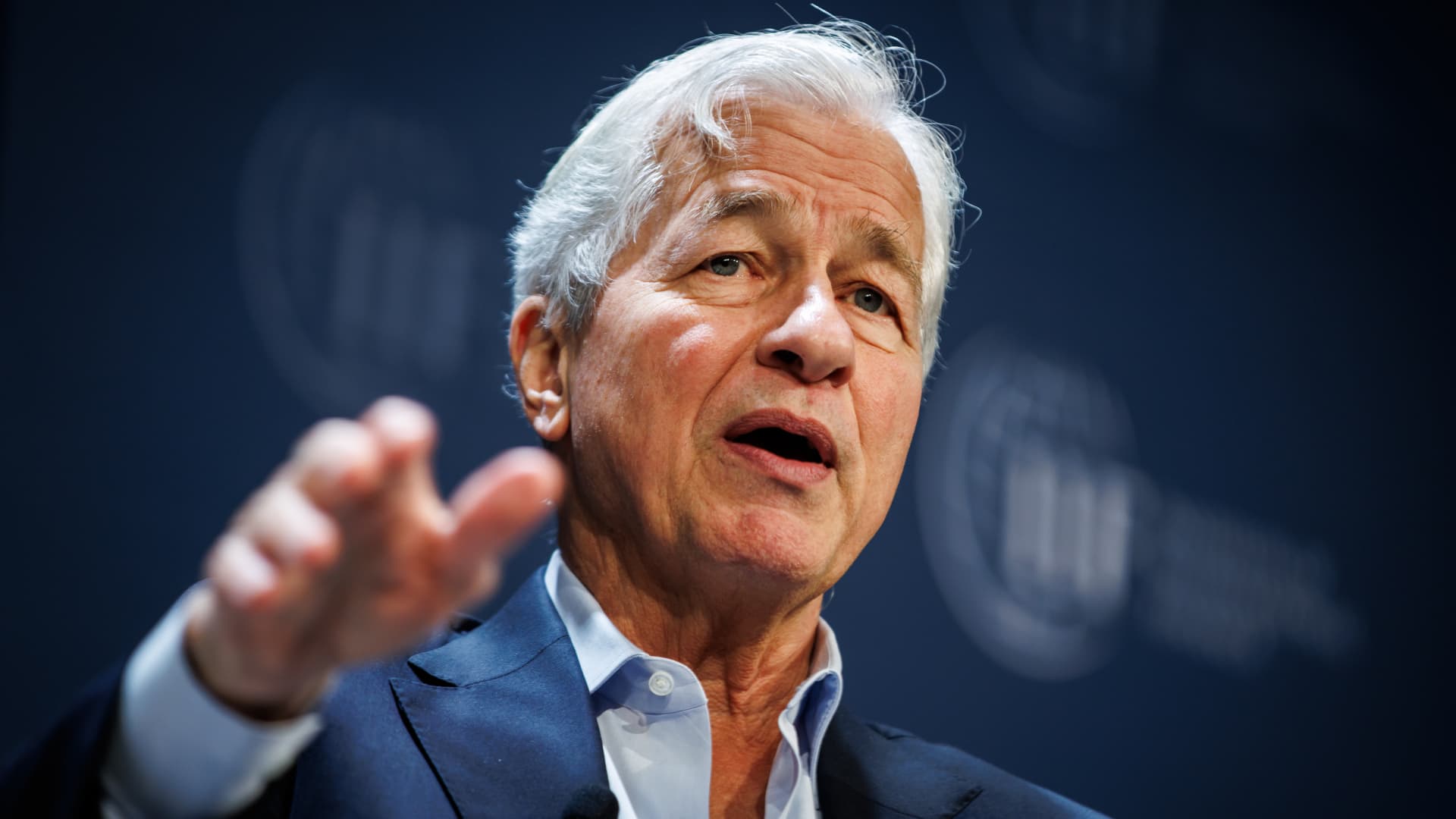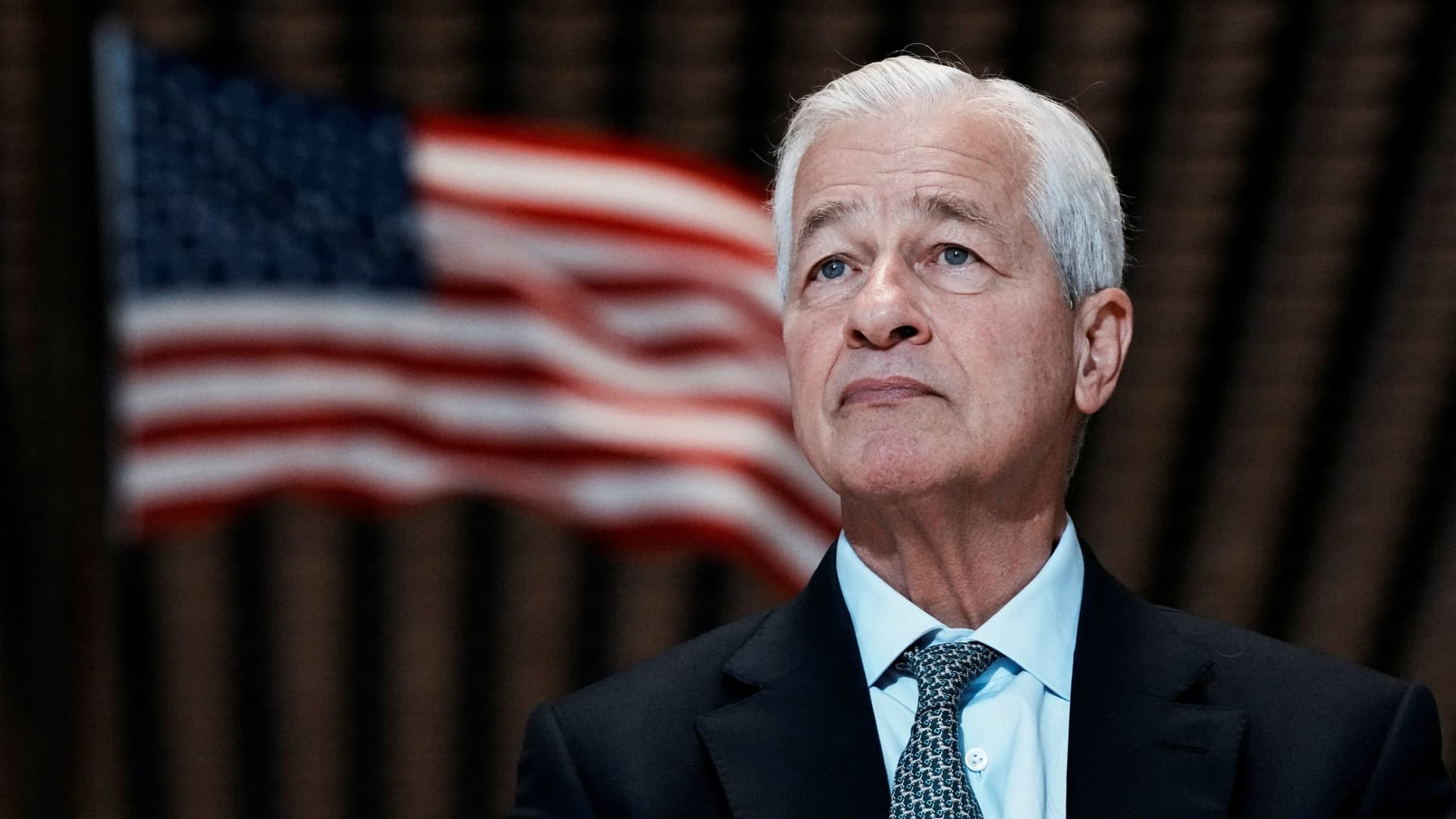
JPMorgan Chase CEO Jamie Dimon| Image Credit: InsiderDimon has been renowned for being candid about issues that matter concerning the economy. However, in his latest shareholder letter, Dimon talked about something more serious compared to issues such as banks’ profitability and Wall Street operations.In the 2025 annual report of JPMorgan Chase, Dimon stated that the US had become vulnerable due to issues of defence preparedness, supply chains, and manufacturing. The dependence of the US on foreign countries for vital supplies and technology could become a significant national security issue in the future.These concerns have emerged at a time when there are several geopolitical problems across the globe, such as the war in Ukraine and political instability in the Middle East. As per Dimon, these situations have revealed some weaknesses that should not be overlooked by the US.America’s growing dependenceIn his letter, Dimon highlighted that the US depends on other nations for its needs of semiconductors, rare earth minerals, and manufacturing industries. According to JPMorgan Chase, Dimon described that these industries were extremely vital for both economic and national security reasons.However, this problem is not new and has been mentioned repeatedly by policy-makers and experts. According to the US Department of Commerce, semiconductors are key to industries such as healthcare, communications, military, and even artificial intelligence systems. A study conducted by the Department in 2022 stated that being heavily dependent on foreign-based production could be hazardous for industries in the case of a global crisis situation.Similarly, rare earth minerals have also become an important topic recently. As per the International Energy Agency, rare earth minerals are required for electric vehicles, defence systems, and renewable energy sources, among others, and their production is highly centralised.Dimon argued that the government alone cannot solve these problems.JPMorgan’s $1.5 trillion planThis reasoning has resulted in one of the most significant investment programs announced by a top American banking institution. JPMorgan Chase says that it has started its Security and Resiliency Initiative (SRI), a ten-year program aimed at facilitating and financing investment up to $1.5 trillion in companies related to national economic security.The program involves direct investments, lending, and venture capital financing. According to JPMorgan, it will start by investing $10 billion initially in priority sectors. JPMorgan Chase has selected four priority sectors: advanced manufacturing and supply chain management; defence and aerospace; energy independence; frontier technologies such as artificial intelligence and cybersecurity, including pharmaceuticals and critical materials.Jamie Dimon, CEO of JPMorgan Chase| Image Credit: Wikimedia CommonsWhy investors are watching closelyThe move has also drawn the interest of investors, as it is in line with a larger trend currently taking place within the finance and technology industries.As per reports by TheStreet, the move made by Dimon is considered to be one of the “biggest capital allocation signals” for defence contractors and strategic technology players. As reported by the publication, the move undertaken by JPMorgan would significantly impact the flow of large sums of institutional money over the coming decade into the aerospace, manufacturing, artificial intelligence, and cybersecurity sectors.Defence technology and dual-use technology products, those with uses both in civilian and military applications – have been major focuses of investments in recent years. Examples of these technologies include drones, robotics, cybersecurity, and quantum computing. As per a report published in 2025, political tensions and disruptions in the supply chains have made organisations focus more on building resilience and manufacturing in-house rather than relying only on efficiency while making investments.The use of artificial intelligence is yet another factor that plays a role in economic security. A report published in The Guardian pointed out that AI systems are being rapidly developed due to their implications for science, defence, and industrial advantage.A message beyond bankingShareholder letters by Dimon receive considerable attention, as they tend to address issues which trouble all of corporate America. In this particular instance, he distinguished himself from other CEOs by highlighting America’s long-term readiness rather than banking. Despite JPMorgan earning its highest ever revenue of $185.6 billion and a 20 per cent return on tangible common equity during 2025, as stated in its annual report, Dimon chose the time to emphasise the urgency of change.Guess what his warning reflects? A growing belief among business leaders is that economic strength and national security are now deeply connected.
JPMorgan CEO Jamie Dimon has a $1.5 trillion warning for America
Dimon has been renowned for being candid about issues that matter concerning the economy. However, in his latest shareholder letter, Dimon talked about something more serious compared to issues such as banks’ profitability and Wall Street operations.
708 words~3 min read