In this article
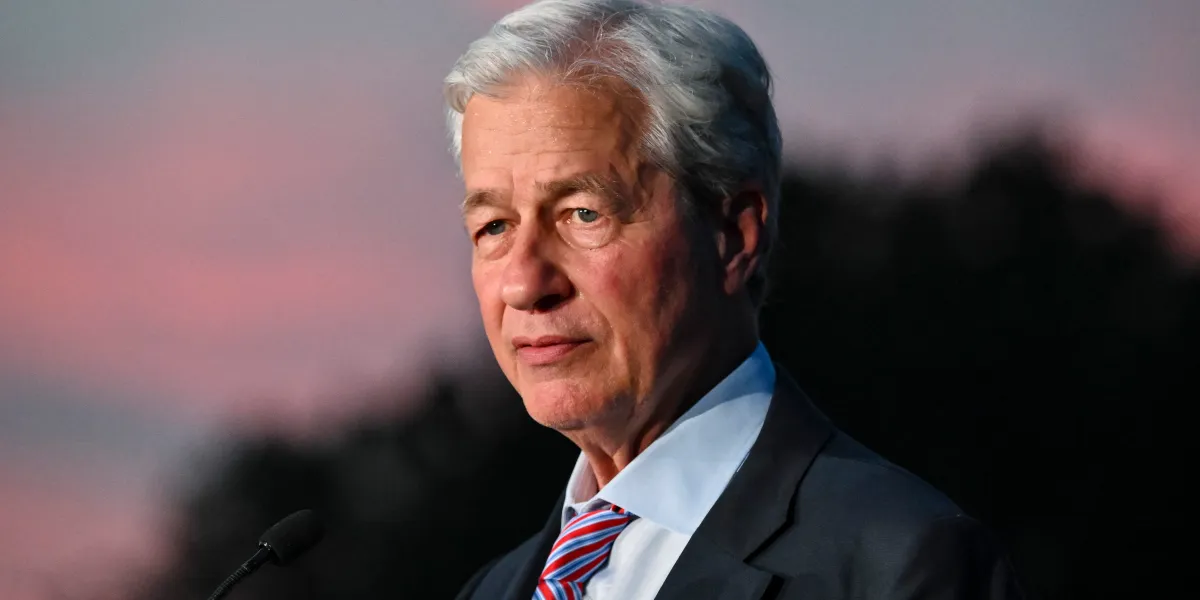
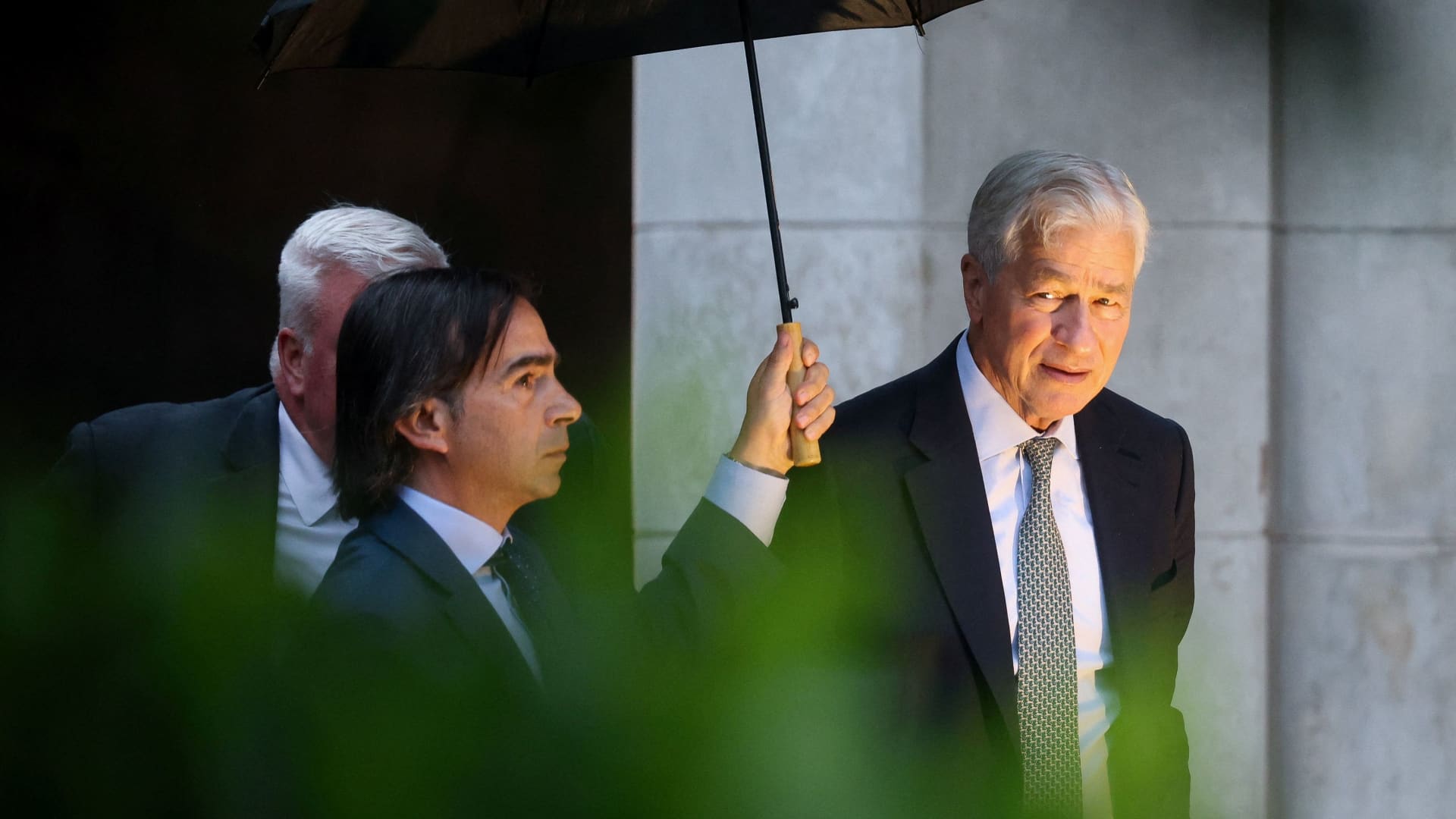
Risk in the credit markets has received a lot of attention in 2026, from fears about private credit stress to the head of the nation’s biggest bank, JPMorgan CEO Jamie Dimon, warning this week — though not pointing to any specific current credit market signal — “We haven’t had a credit recession in so long, so when we have one, it would be worse than people think. It might be terrible.”
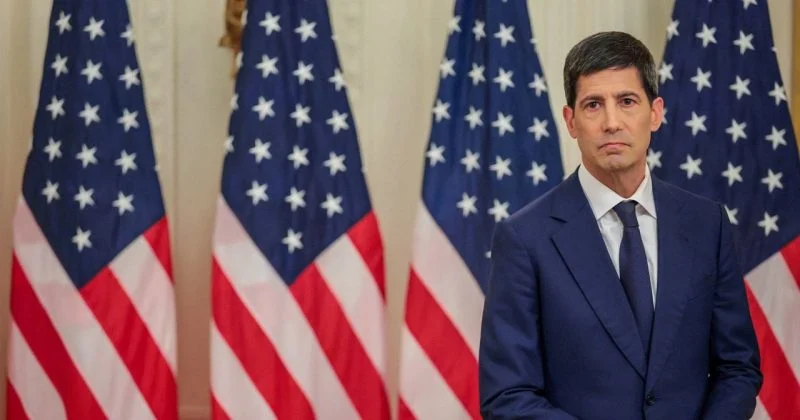
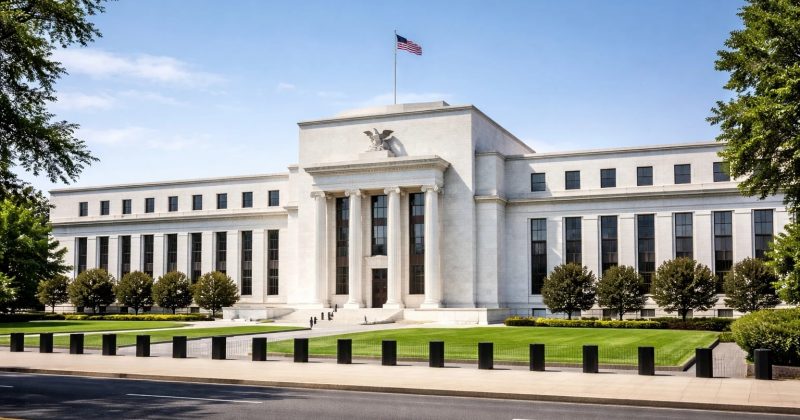
Dimon isn’t the only Wall Street veteran worried about the longer-term outlook for the bond market. But as investors focus on the likely confirmation of a new Federal Reserve chair, Kevin Warsh, many may be overlooking a more short-term volatile reaction in store for fixed-income portfolios. Whenever there is a Fed transition, treasury yields, duration risk, and credit spreads usually move faster as the markets begin to reassess monetary policy.
“What is really important over the next several weeks is this changing of the guard at the Fed chair level,” Paisley Nardini, Simplify Asset Management managing director and head of multi-asset solutions, said on the podcast portion of CNBC’s “ETF Edge” on Monday.
Nardini explained that even when there is no immediate policy move, markets can start pricing in the future quickly. A new Fed chair can change the communications style and alter the pace of future rate hikes or cuts. She said this could send ripples through the treasury market before equities fully react.