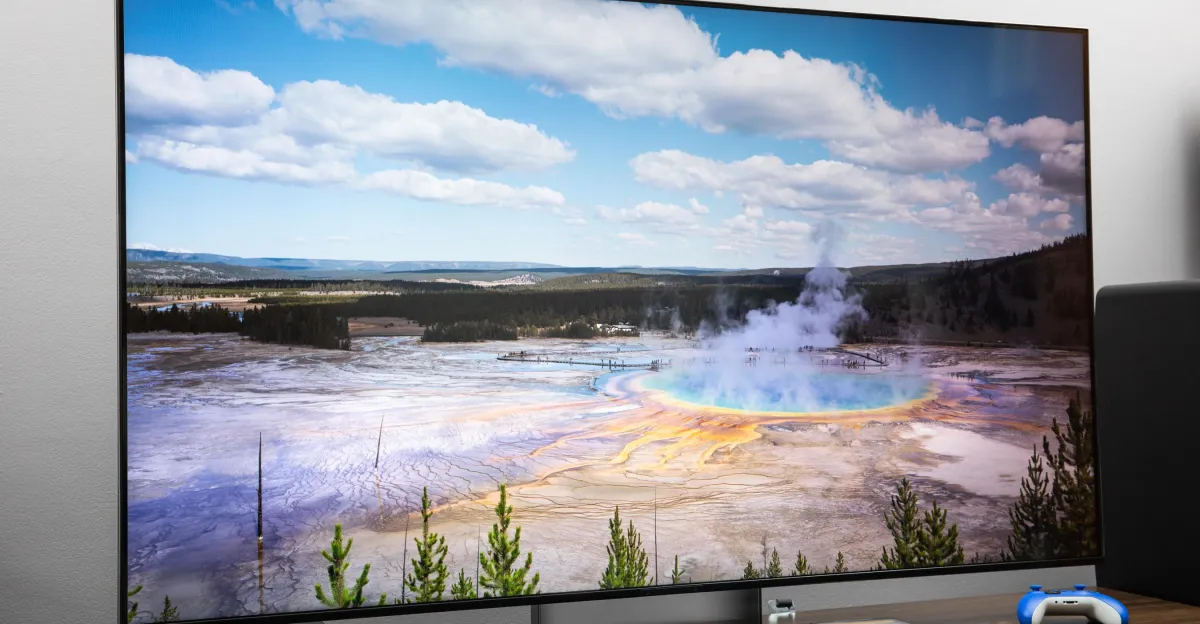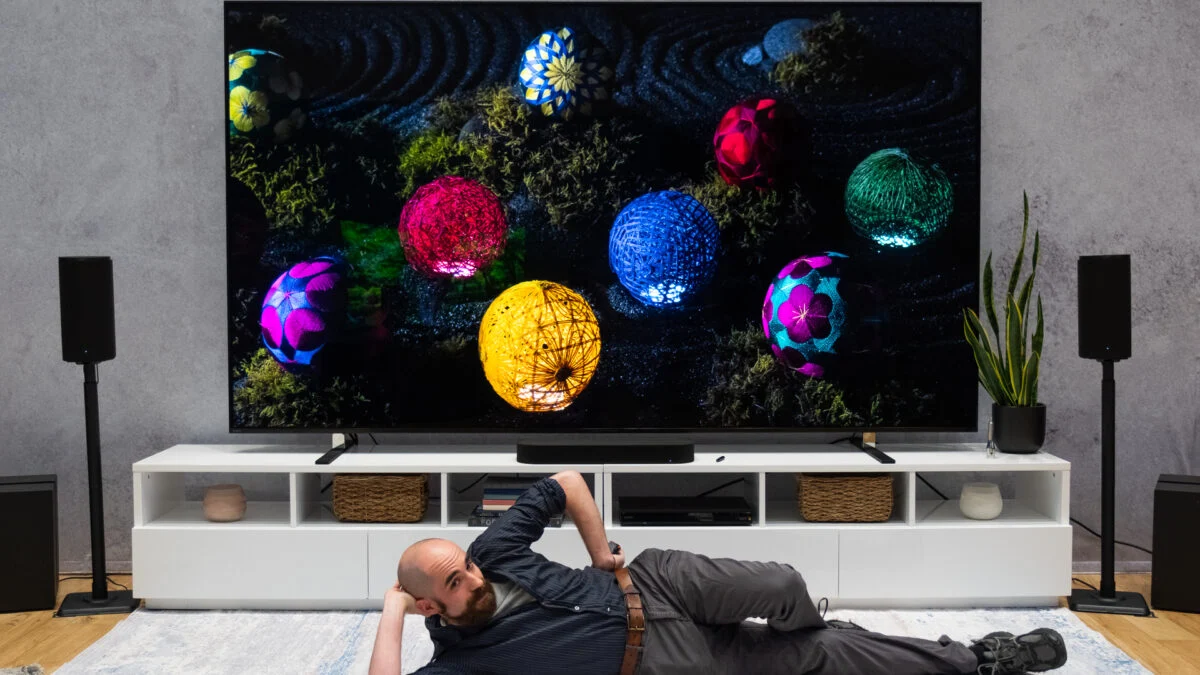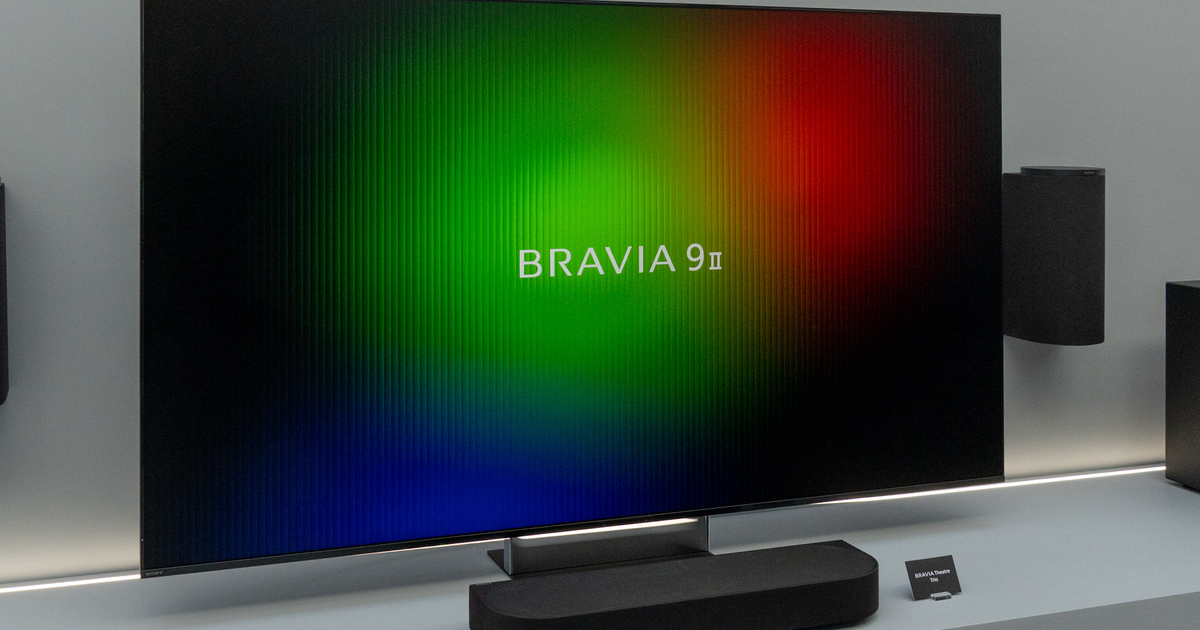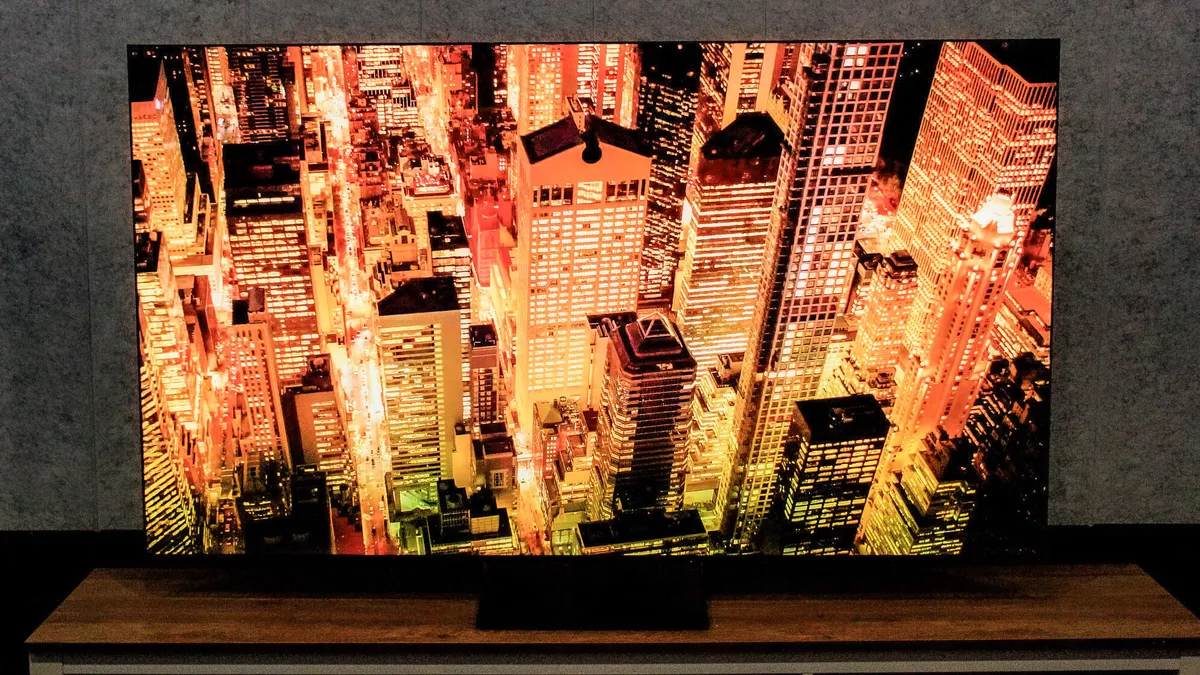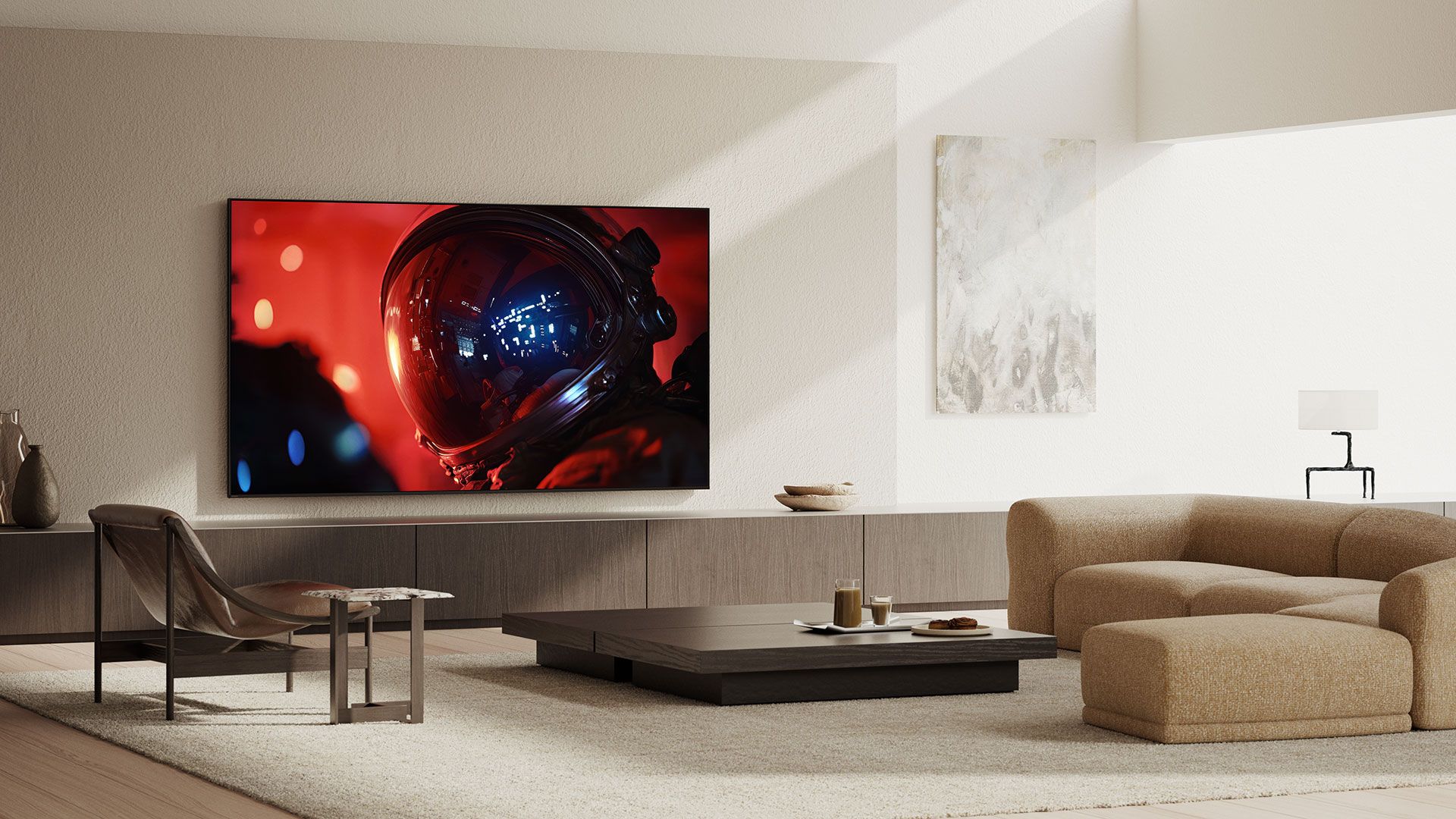
(Image credit: Sony)
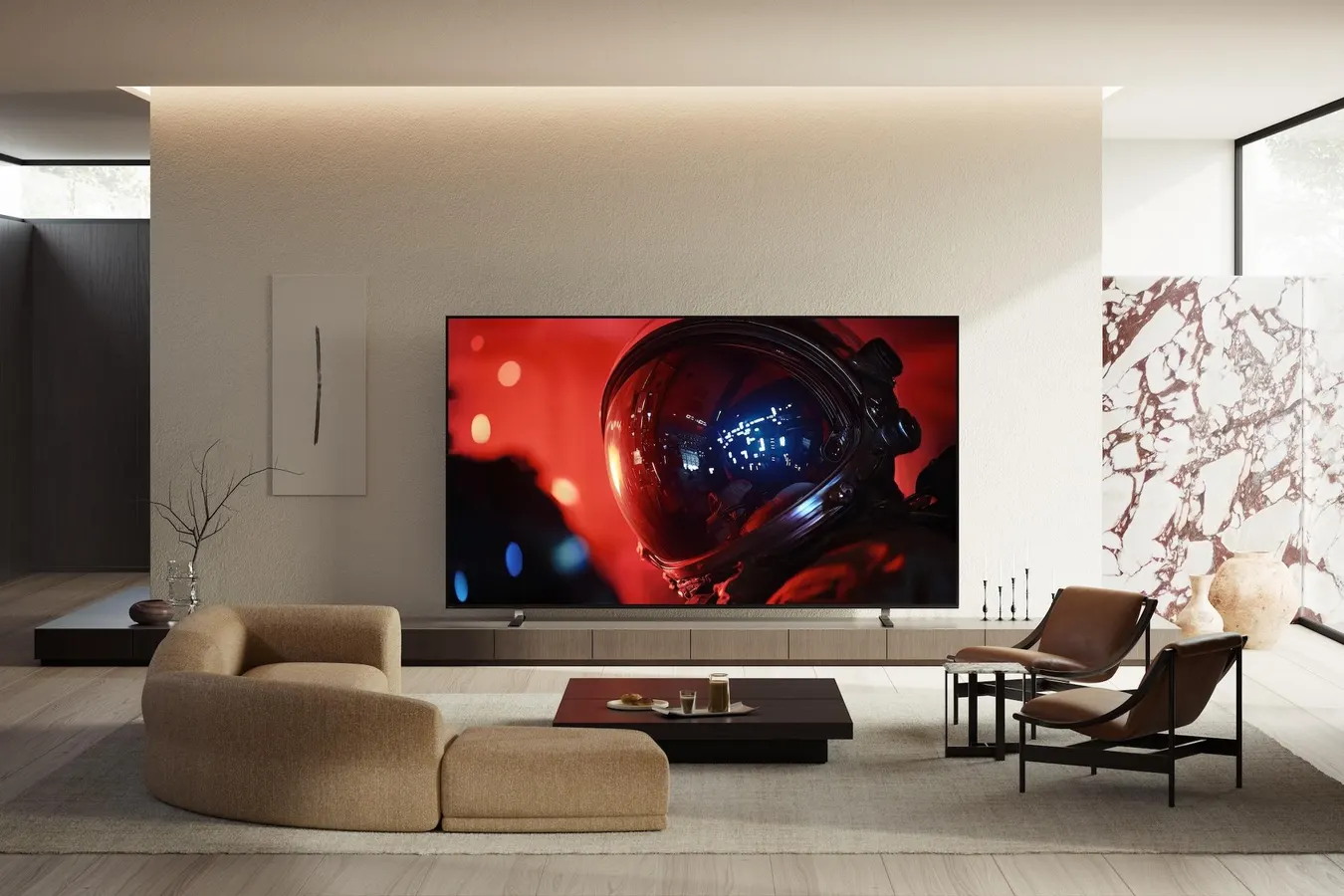
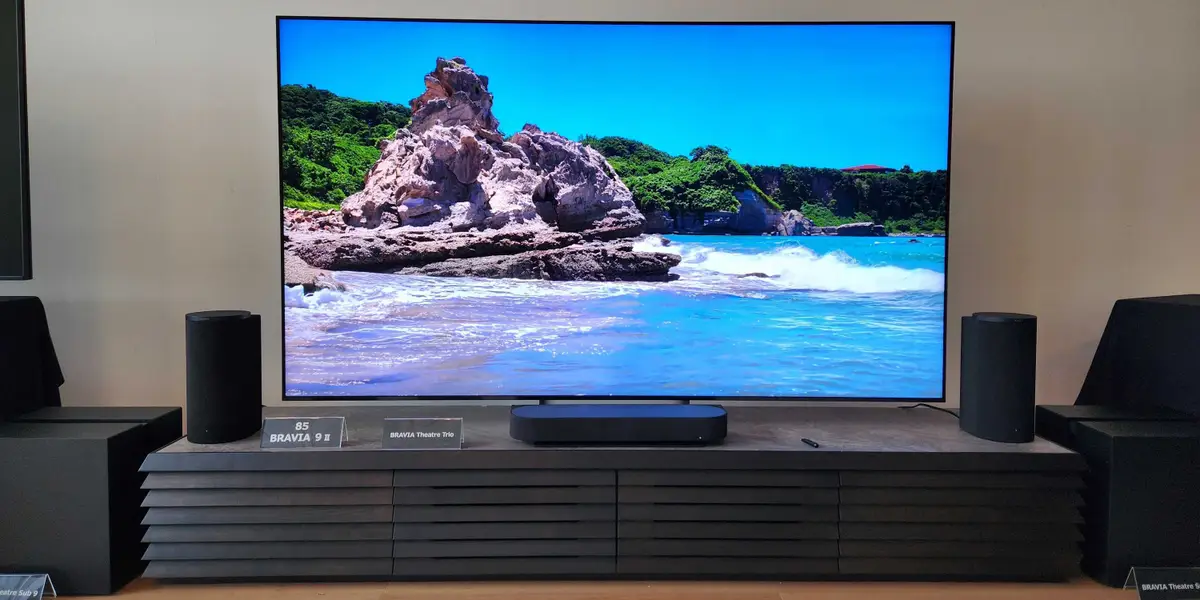
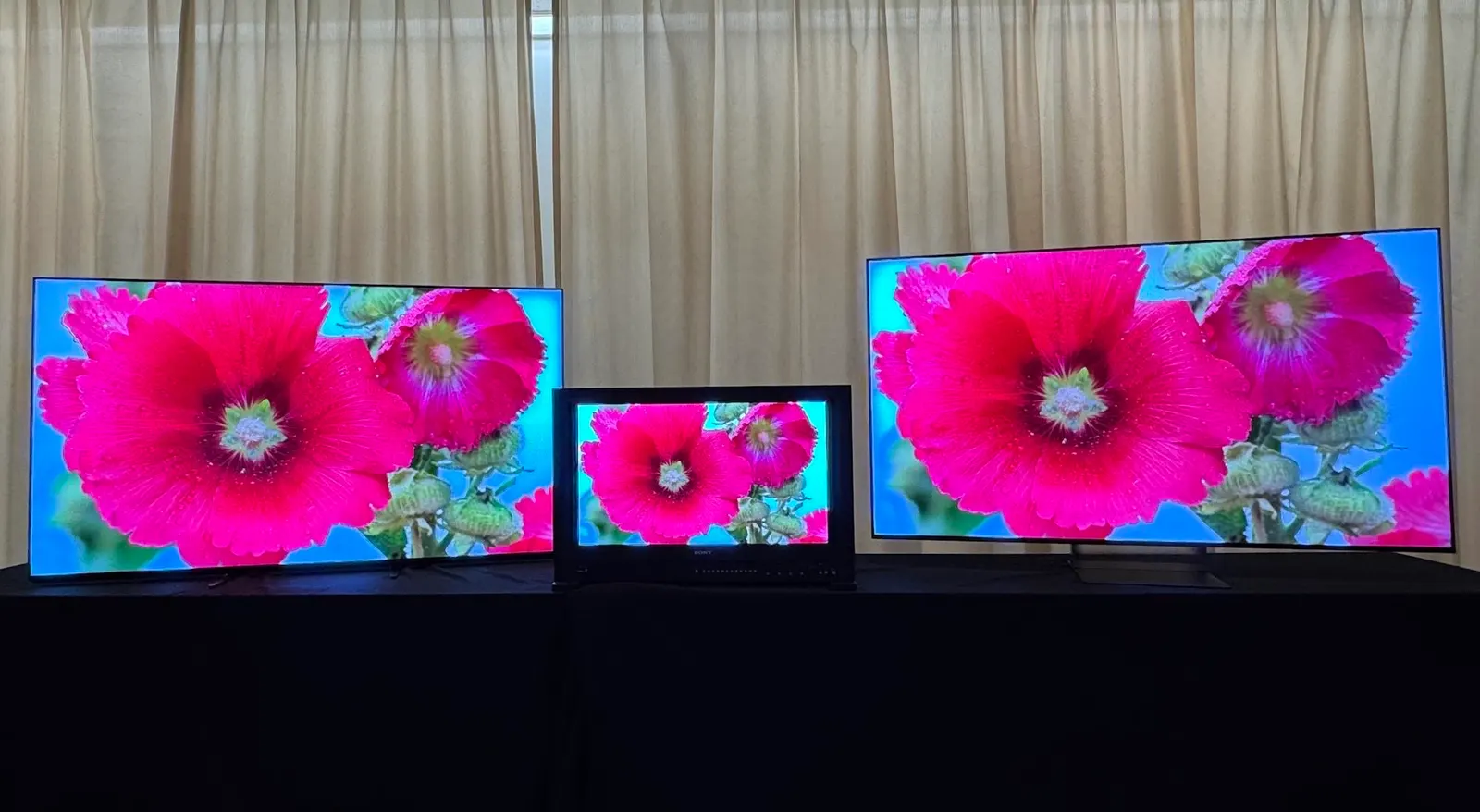
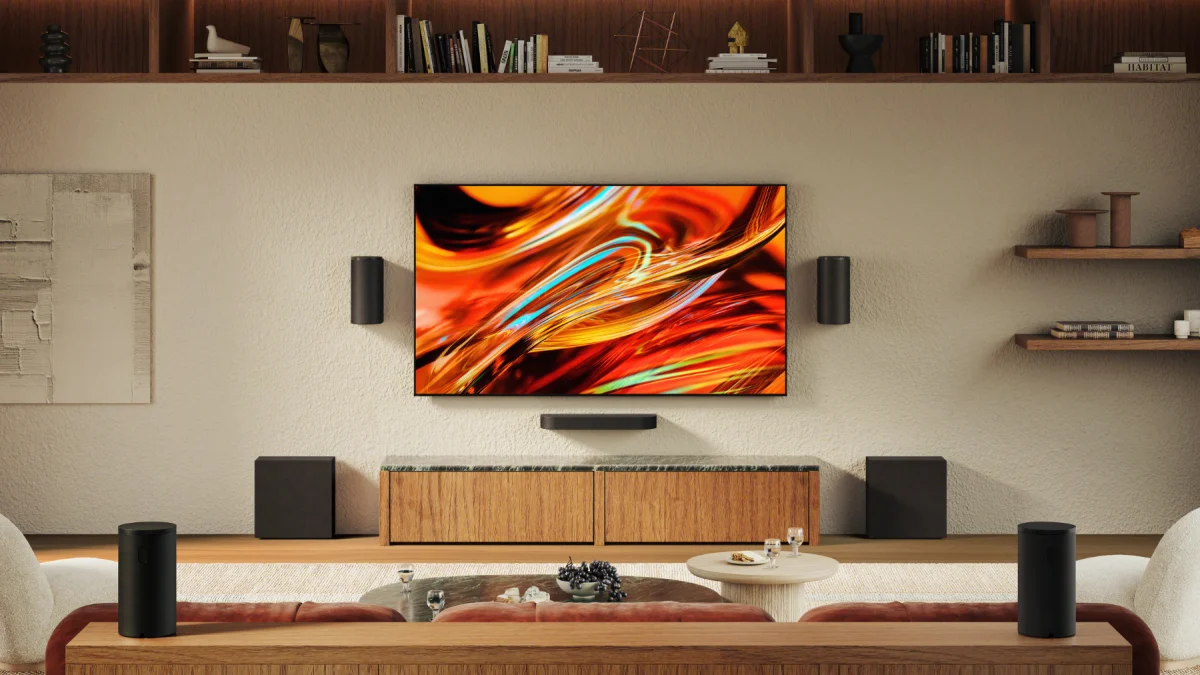
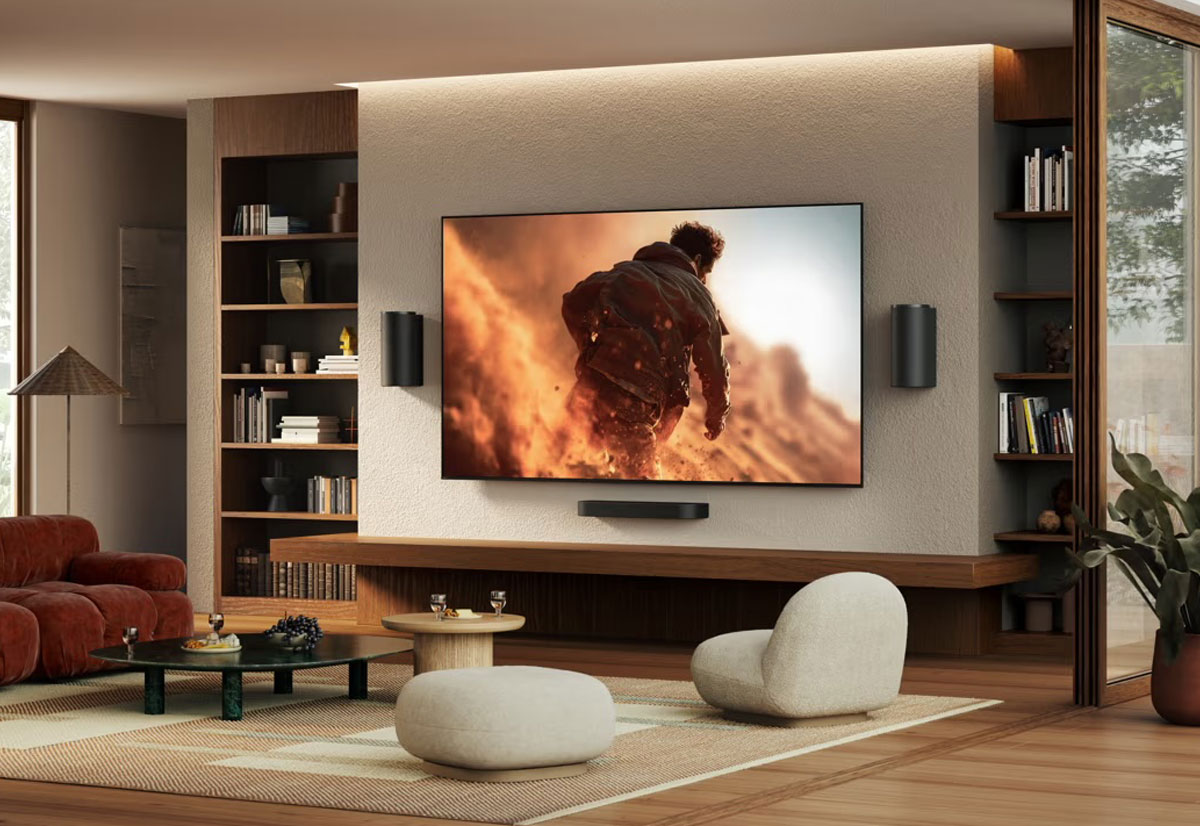
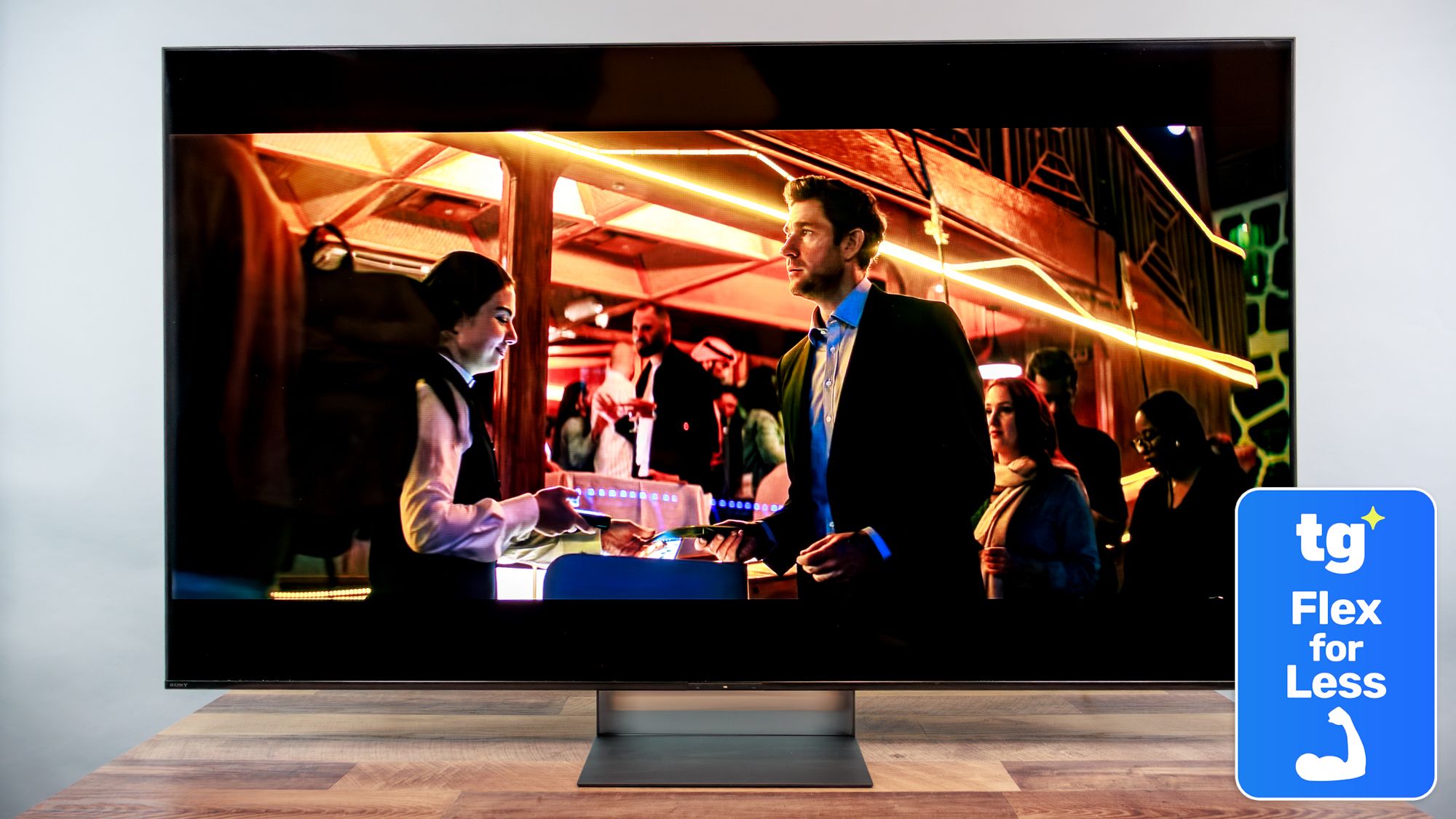
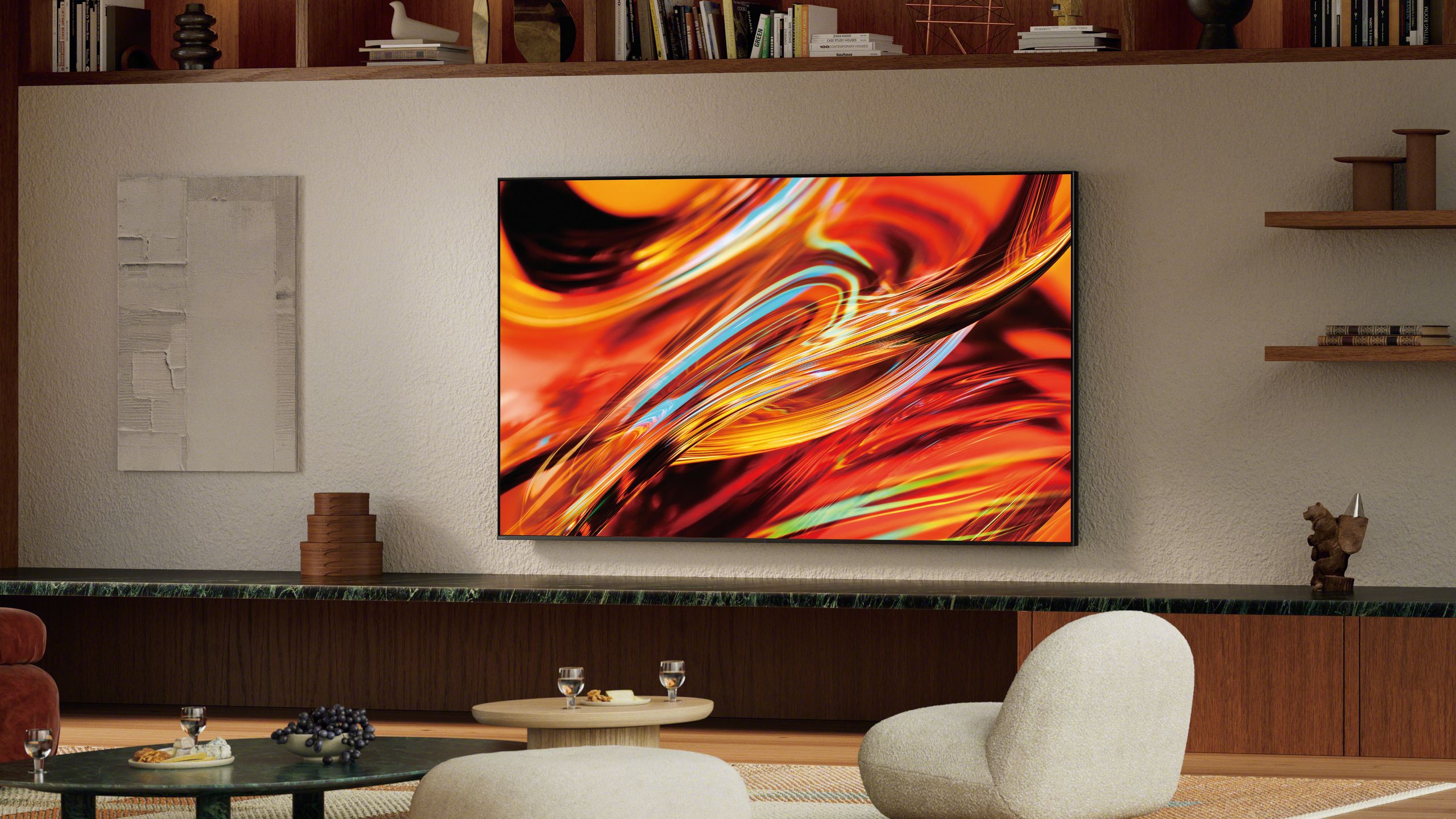
Sony's highly anticipated True RGB TVs have officially launched in Australia this week, and rabid videophiles will be able to get their hands on one sooner than expected.Led by the flagship Bravia 9 II, which completely shattered the expectations of our own Kate Kozuch, and followed by a more affordable mid-range version in the Bravia 7 II, the new Bravia TVs boast the next evolution in Sony's Mini-LED technology.Last week at Sony headquarters, I was able to compare both TVs firsthand, positioned next to several competing displays — among them two of the year's most well‑respected OLED models and a notable RGB contender. At the risk of sounding hyperbolic, the new Bravia TVs wiped the floor with the competition in terms of colour depth and brightness.Incredible colour reproductionTo make sure that there was no preferential treatment given to any of the televisions, Sony's reps reset every TV back to its factory settings (including the competitors) right before our very eyes, showing us how each model's Standard, Vivid/Dynamic and Movie modes will look to consumers right out of the box.You kind of expect big, punchy colours from any TV built around RGB tech, and Sony’s new sets definitely deliver on that front. But what surprised me was how natural everything looked. The colours had real depth to them — layers, almost — and the finer details didn’t get swallowed up. Even the bright whites actually looked white, not that bluish, blown‑out version you sometimes get.The competing models… well, they didn’t hold up as gracefully. Their colours pushed a little too hard, drifting into that over-saturated, almost candy‑coated territory. And the RGB rival in particular went full neon, to the point where subtle textures and shading just disappeared under the glow.According to Sony, the reason for its True RGB branding is because its tech uses true independent diode control, which can dynamically adjust individual red, green and blue diodes in real-time, without falling back on a white backlight for tricky scenes, and which can lead to colours that can look unnatural.Get instant access to breaking news, the hottest reviews, great deals and helpful tips.Brightness, wasn't affected, either. In fact, Sony's sets were significantly brighter than the TVs they were being compared to, with the Bravia 9 II boasting up to 4,000 nits of peak brightness, and the Bravia achieving a very respectable 2,000 nits.Calibrated right from the factoryAnother massive reason for its brilliant colour reproduction, and one which might be its biggest selling point for me personally, is that the new Bravia range comes factory-calibrated, meaning colours look exactly as they should right out of the box.Taking into account that Sony knows a thing or two about how film and television should look, in that its reference monitors are the industry standard on Hollywood productions and that it owns a highly successful movie studio, this should come as no surprise. What is surprising, however, is how few of its competitors offering a similar experience, leaning heavily into AI-tweaked picture modes which are the antithesis of the filmmakers' intention.As part of a demonstration, we were shown clips from several sources, including blockbuster movies and display demos, and all of it looked great (even some of the darker, more complex scenes from "The Batman"), but what stood out to me the most was the English Premier League footage we were shown, and how realistic the pitch looked on both Sony models.While the OLEDs and RGB competitor saw the green of the pitch bleed into one uniform colour, swallowing up fine detail, the Bravia 9 II and Bravia 7 II appeared utterly real, as if I was looking viewing a game in real-life. The pitch was full of clearly visible detail, with easily distinguishable lawn stripes, blades of grass, and even torn patches and indentations from football boots.It’s also worth mentioning that the flagship Bravia 9 II comes with a newly developed anti‑glare system called Immersive Black Screen Pro. Unlike Samsung’s glare‑free approach, which scatters incoming light, Sony’s version absorbs it. In a quick demo I saw, it handled the beam from a phone’s flashlight impressively well, almost erasing the reflection altogether.Pricing and availabilityPricing for Sony's Bravia 9 II starts at AU$5,999 for the 65-inch model, going all the way up to AU$44,999 for the 115-inch version. Meanwhile, the Bravia 7 II will start at AU$2,699 for the 50-inch model, and topping out at AU$12,999 for the 98-inch size option.Both TVs will be getting a staggered release in Australia over the next few months depending on size, though the Bravia 7 II's 65-inch model will be in stores from this week. You can check out a complete pricing and availability list below.Swipe to scroll horizontallySony Bravia 2026 pricing and availabilityModelSizePriceRelease DateBravia 9 II65 inchesAU$5,999From JulyRow 2 - Cell 0 75 inchesAU$7,499From JulyRow 3 - Cell 0 85 inchesAU$9,999From JulyRow 4 - Cell 0 115 inchesAU$44,999From SeptemberBravia 7 II50 inchesAU$2,699From JuneRow 6 - Cell 0 65 inchesAU$3,999From MayRow 7 - Cell 0 75 inchesAU$5,499From JuneRow 8 - Cell 0 85 inchesAU$7,499From JuneRow 9 - Cell 0 98 inchesAU$12,999From August