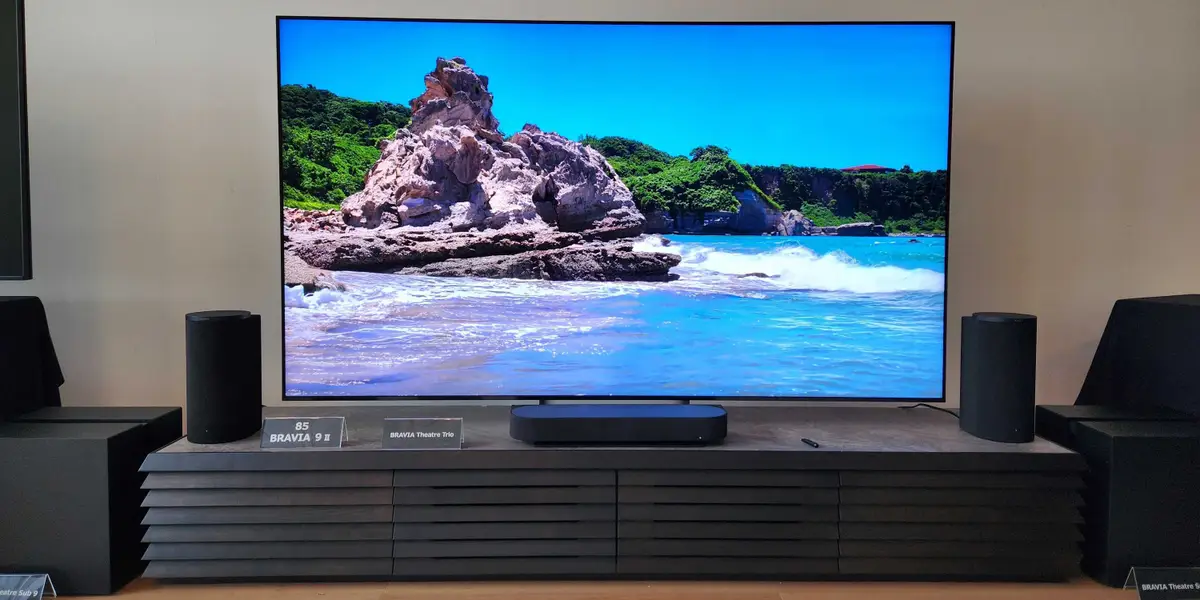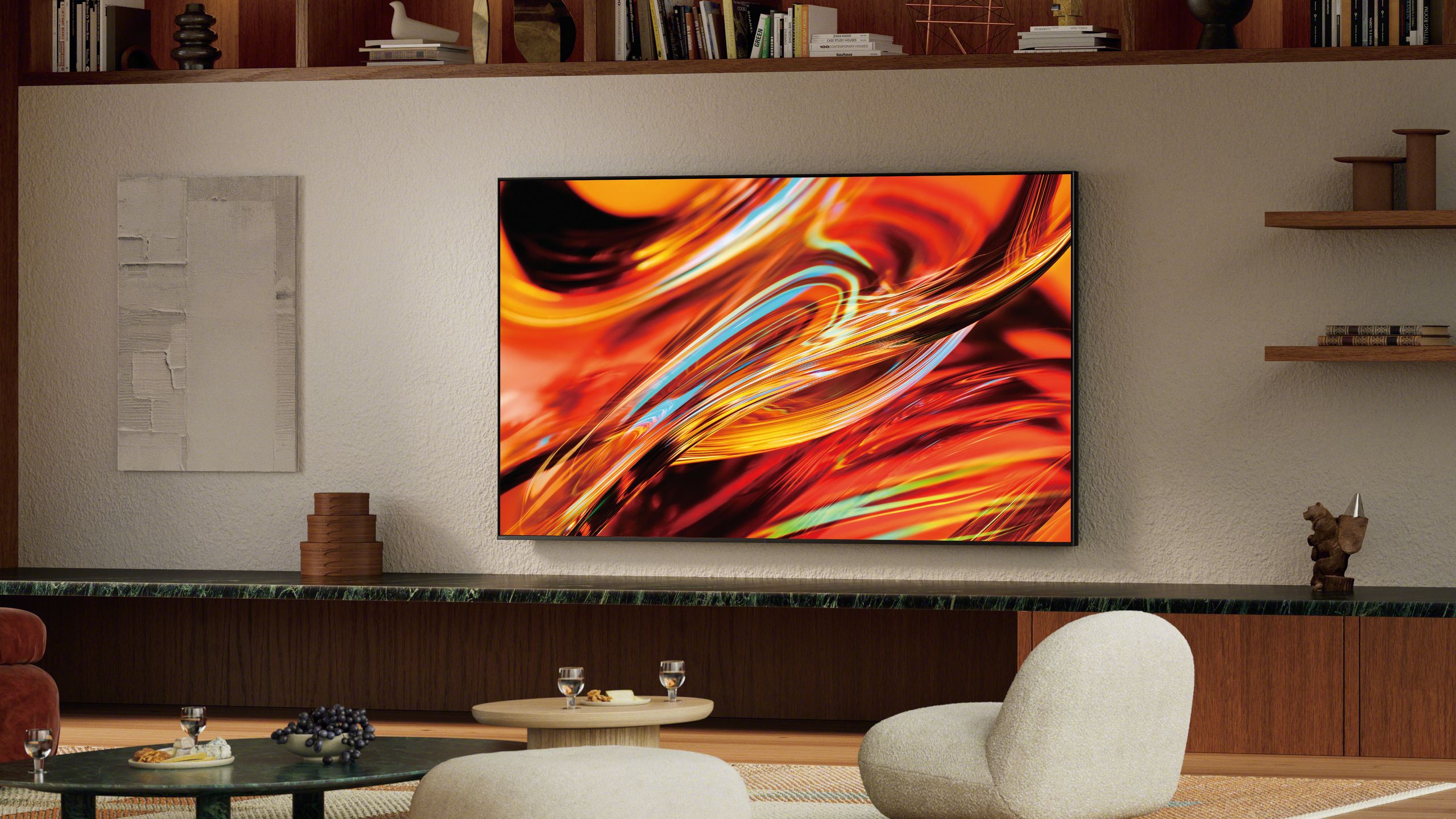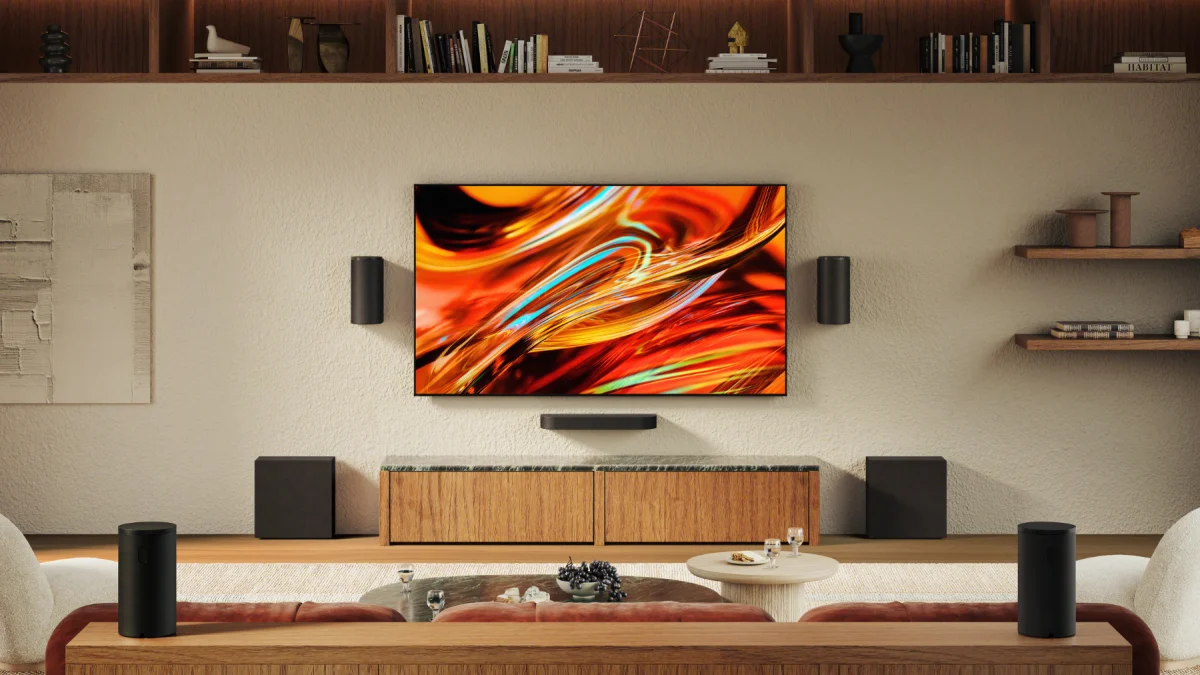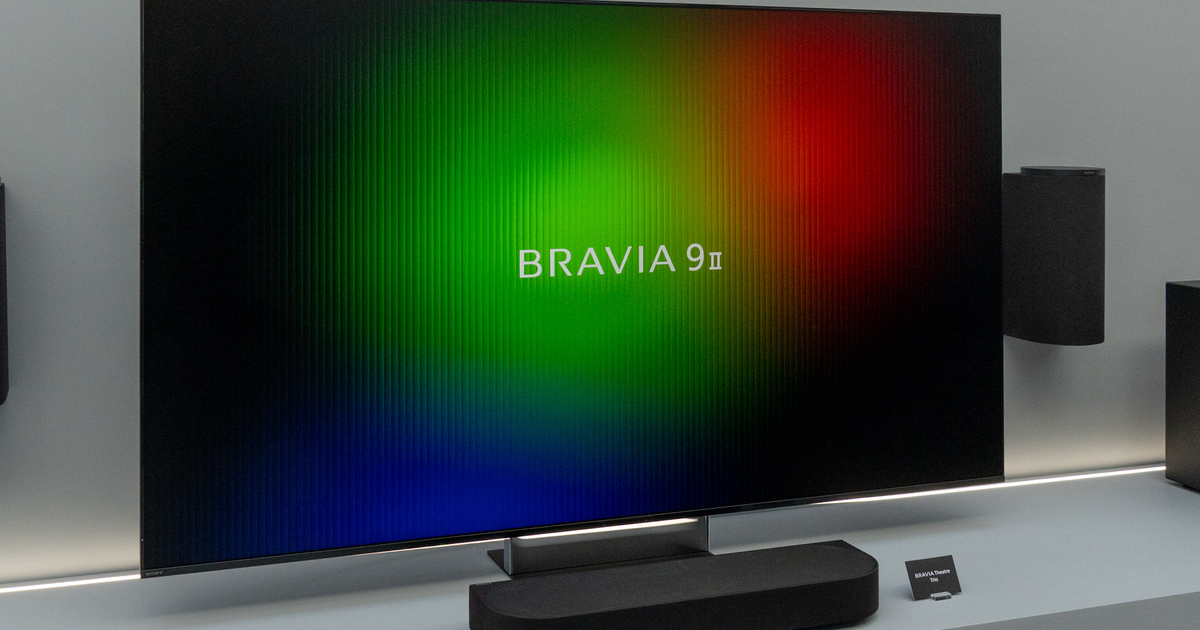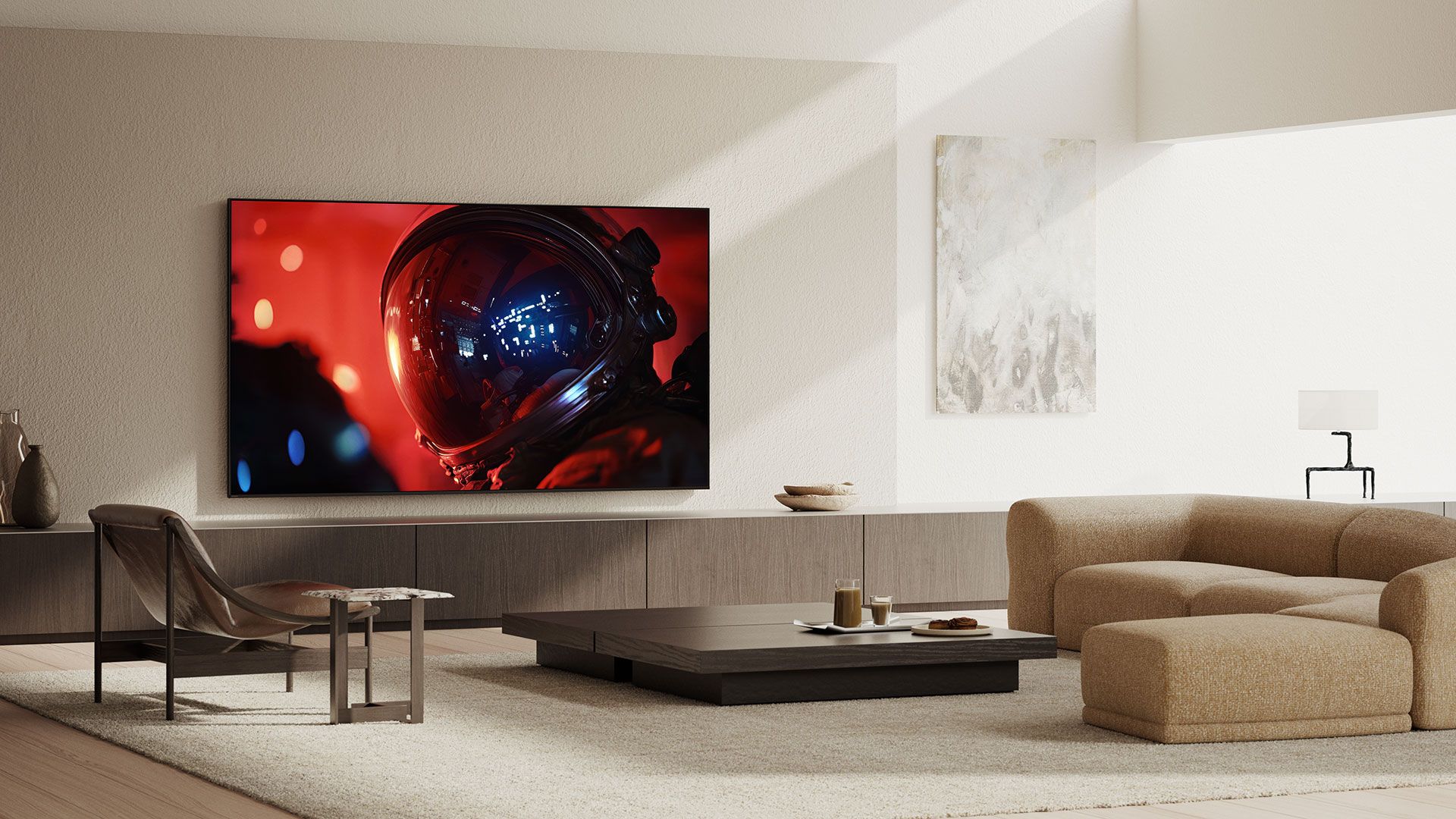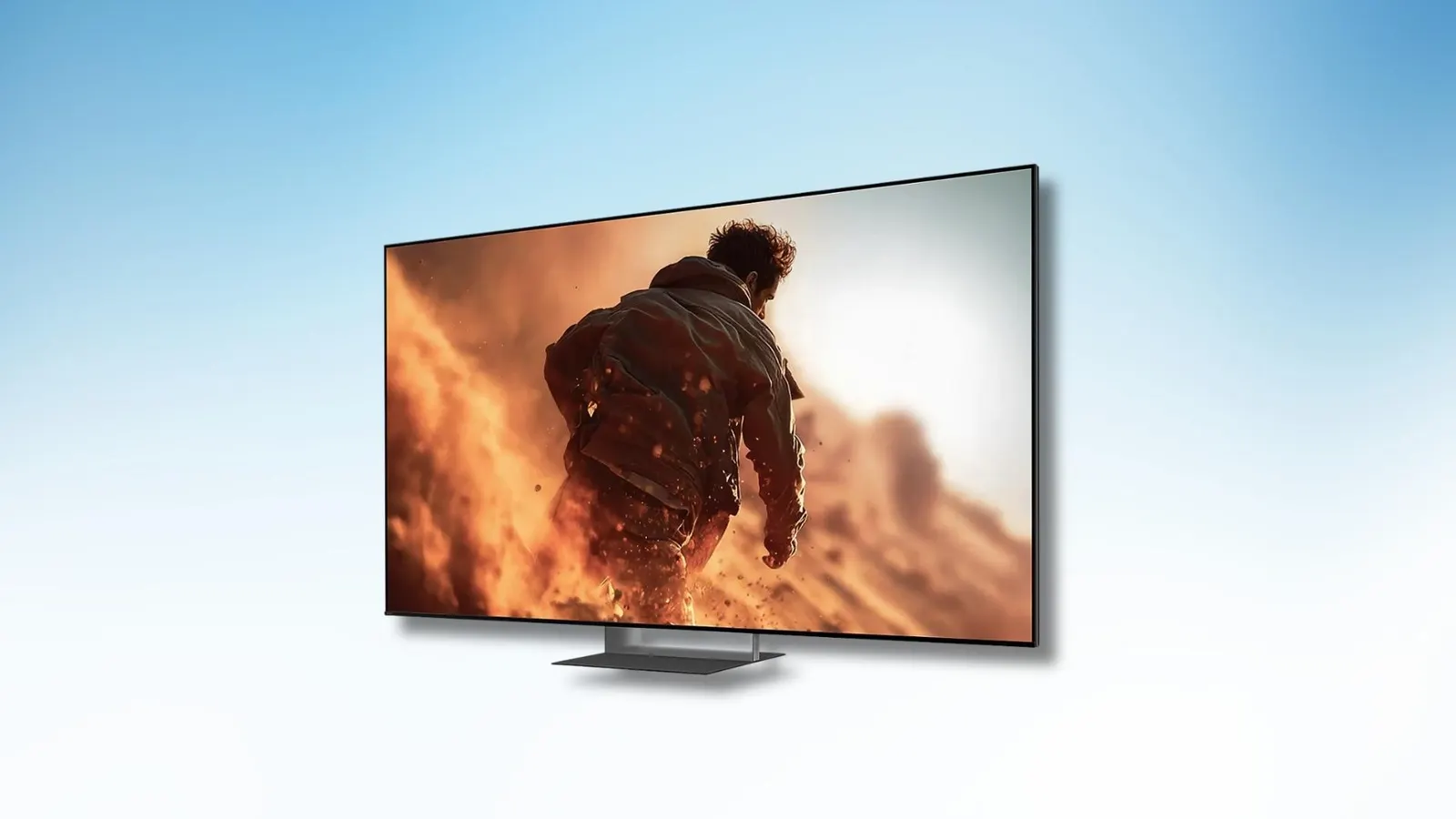
There’s a small voice in the back of my head squeaking with indignation, telling me that turmeric is not nearly as yellow as what I see in front of me. What appears on the screen of Sony’s new Bravia 9 II RGB TV looks more like nuclear dust. While cinephiles will likely be quite interested in “True RGB,” Sony’s upcoming replacement for its premium QLEDs, they may not be prepared for just how vivid this “vivid” picture is.
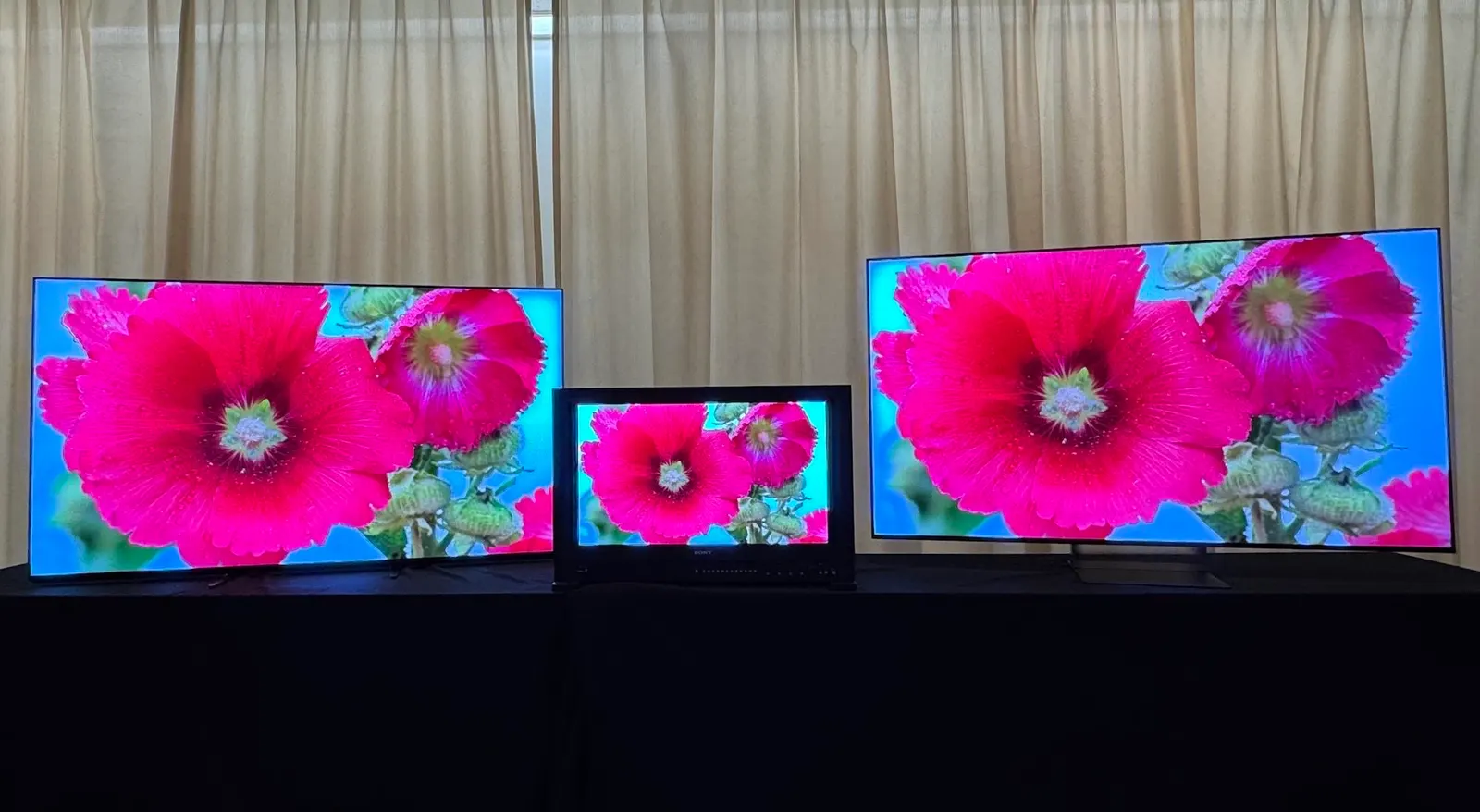
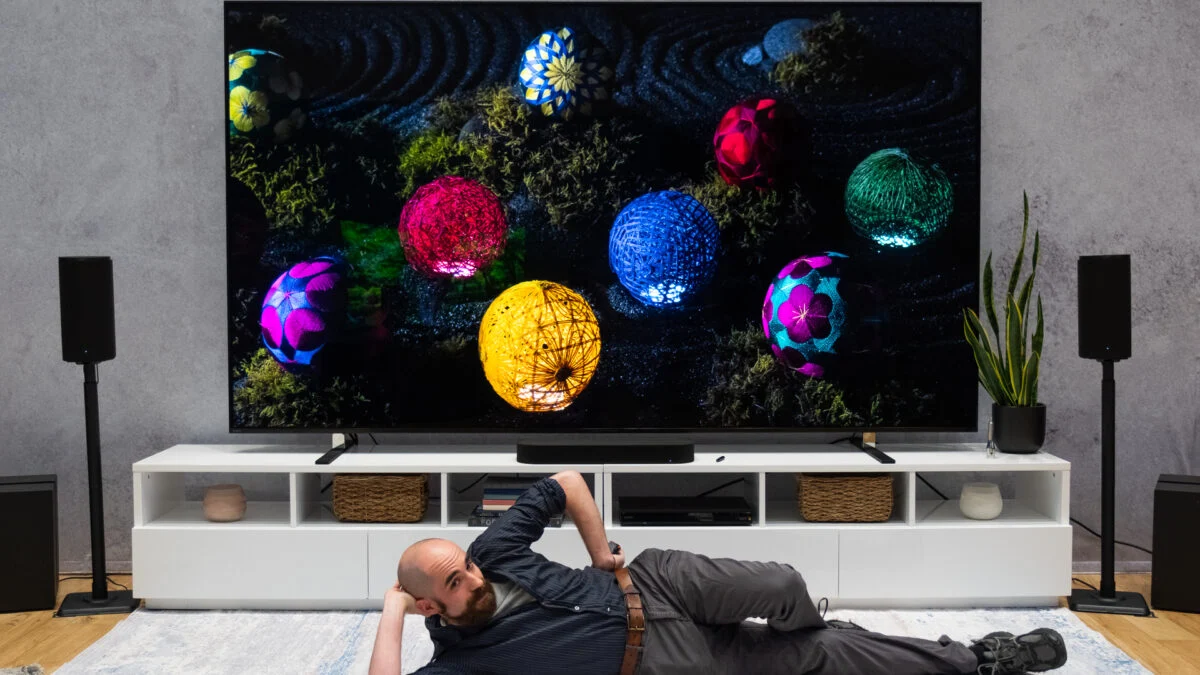
I came out of two hours staring at the picture on Sony’s new Bravia 9 II and Bravia 7 II, sporting its new “True RGB,” with a nagging sense of déjà vu. Two months ago, I exited Samsung’s Micro RGB showcase wondering whether these novel TV forms were so focused on pushing color that they were making images seem unrealistic. That’s not to say the products I saw were bad TVs. “True RGB” may indeed be the future and a quality alternative to OLED. But just how good it actually looks may come down to settings. A Bravia 9 II in Vivid picture mode showcasing the levels of contrast with ‘True RGB.’ © Adriano Contreras / Gizmodo Sony is pushing the claim that its “True RGB” TVs offer the most accurate picture quality and the best RGB backlights on the market. For reference, newfangled RGB TVs are akin to older mini LED technology, though instead of an array of white lights, these televisions use extremely small red, green, and blue diodes to maximize the color you see on screen. Sony claims its new Bravia 9 II has twice the color volume as the older Bravia 9 QLED. Side by side, the new top-end RGB may hold the barest edge in picture quality compared to Sony’s flagship TV from 2024. These screen types improve on mini LED in other ways, such as maximizing off-axis viewing. I could stand at a nearly 80-degree angle from the new Bravia 9 II without any loss in quality. The screen is also blazingly bright, promising the same 4,000-nit peak brightness as a BVM-HX3110 professional reference monitor. The Bravia 9 II also features an antireflection filter that enhances black levels and contrast in bright environments. Though the Bravia 7 II uses the same RGB technology, it lacks the black filter and extra tweeters in the higher-end TV’s speaker array.