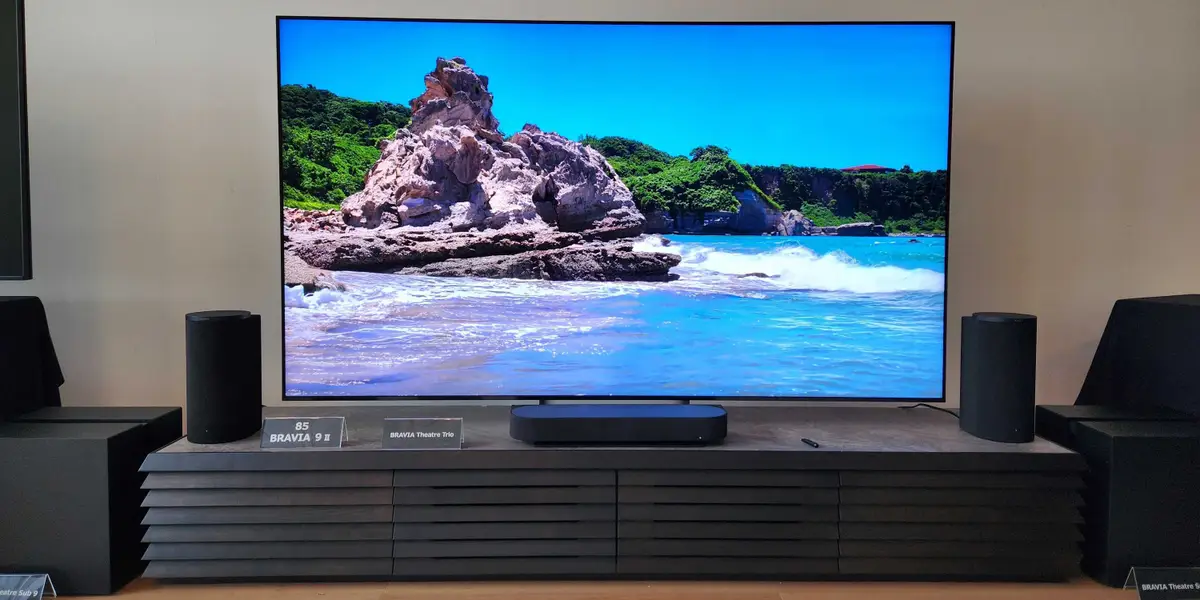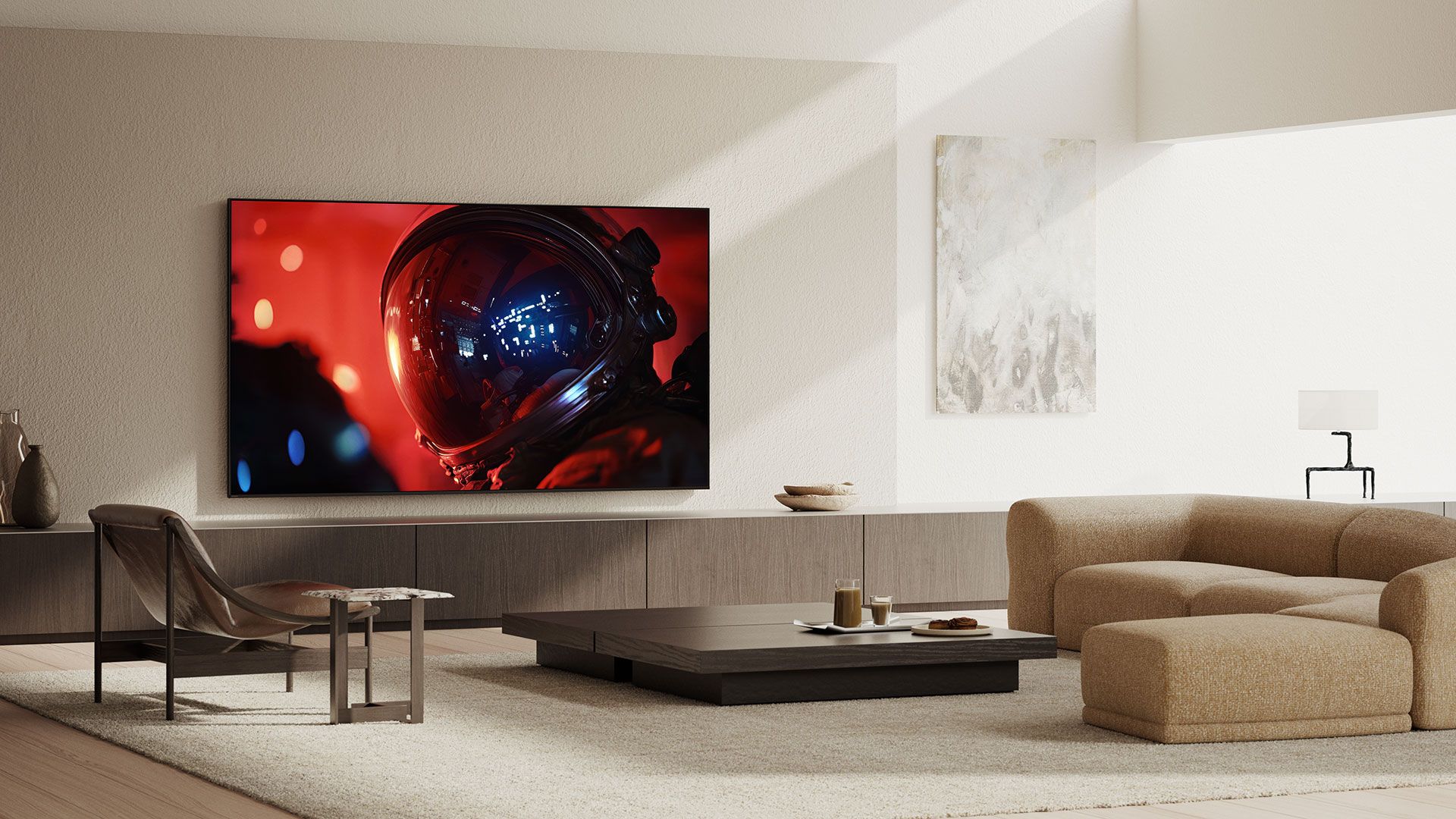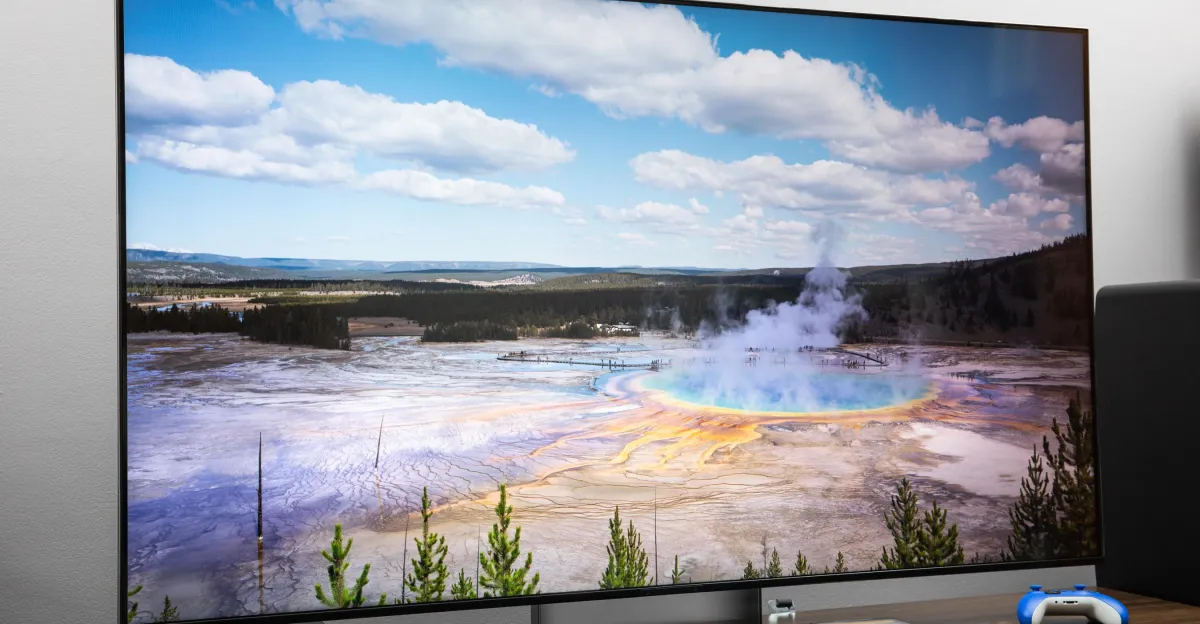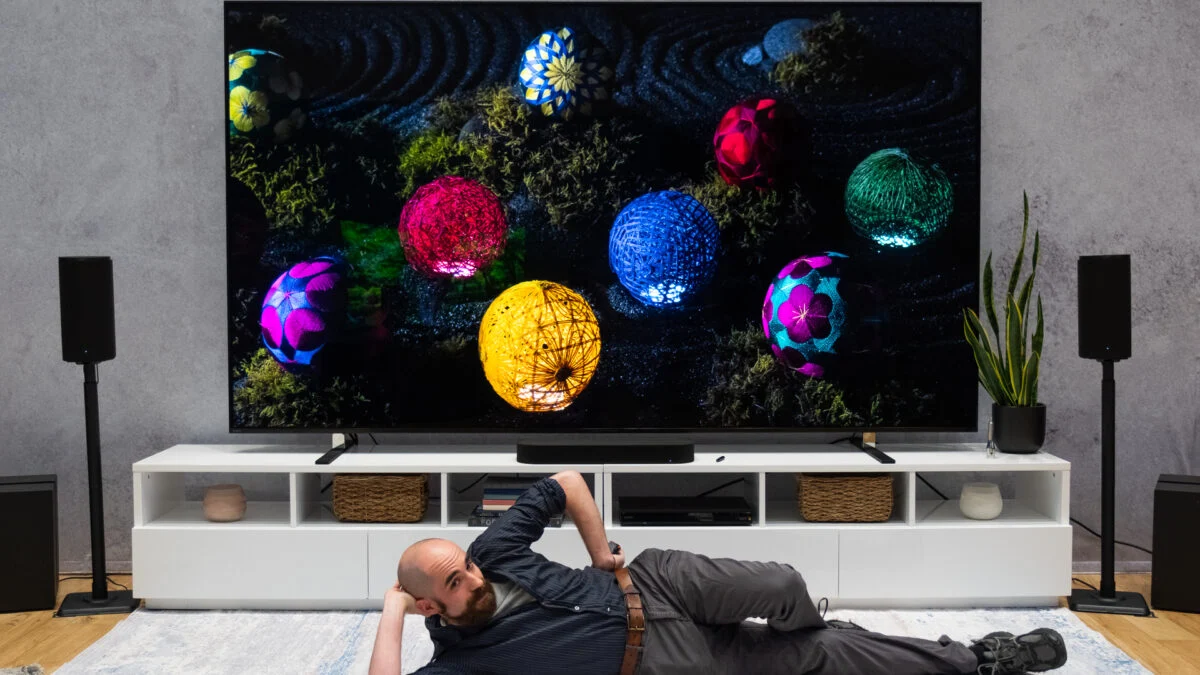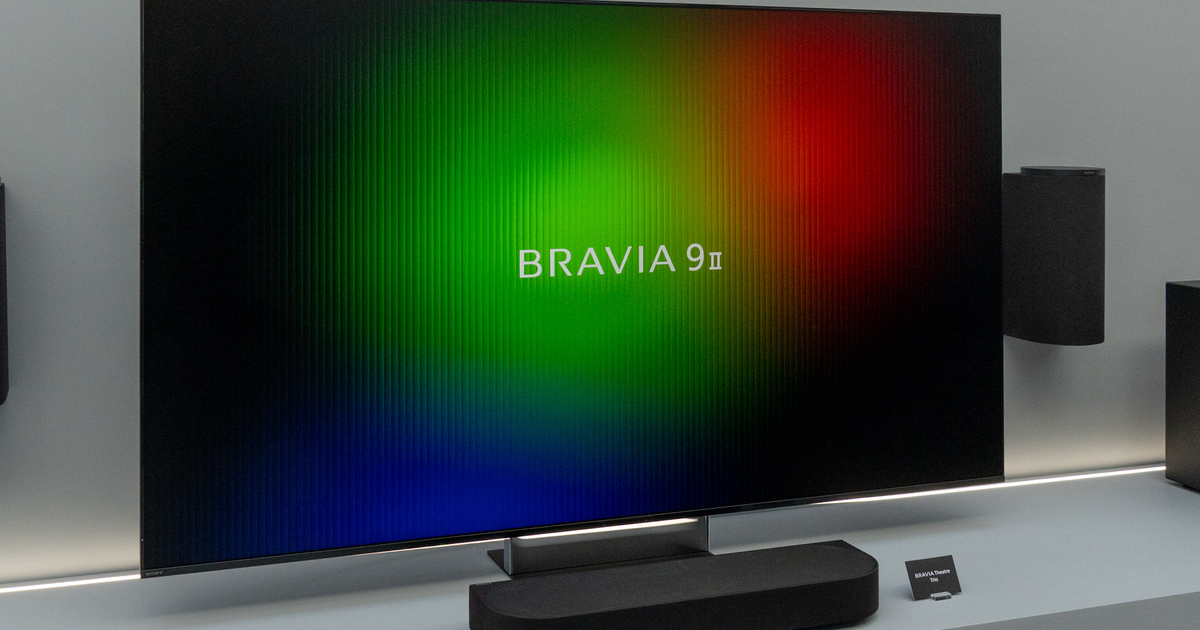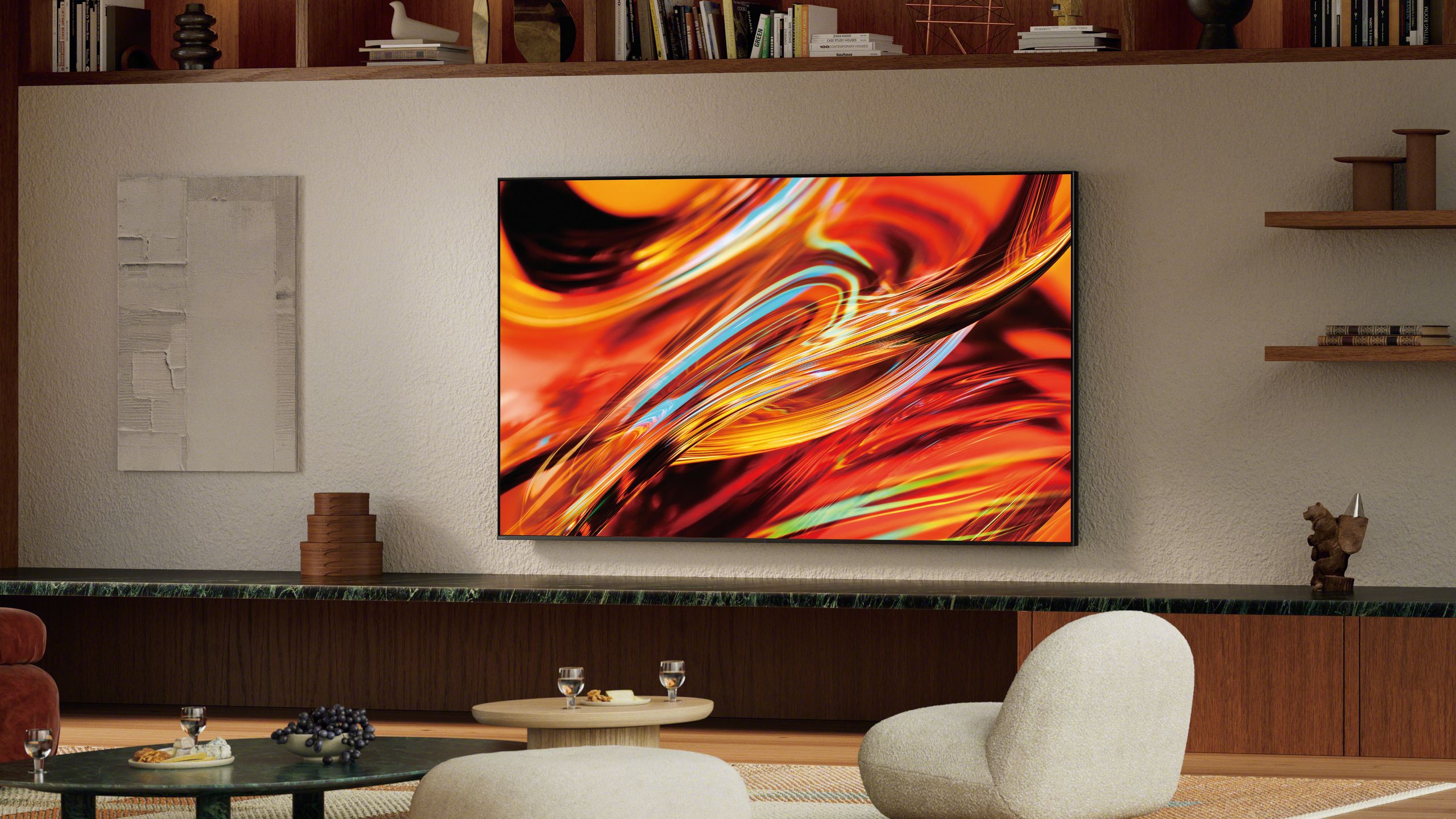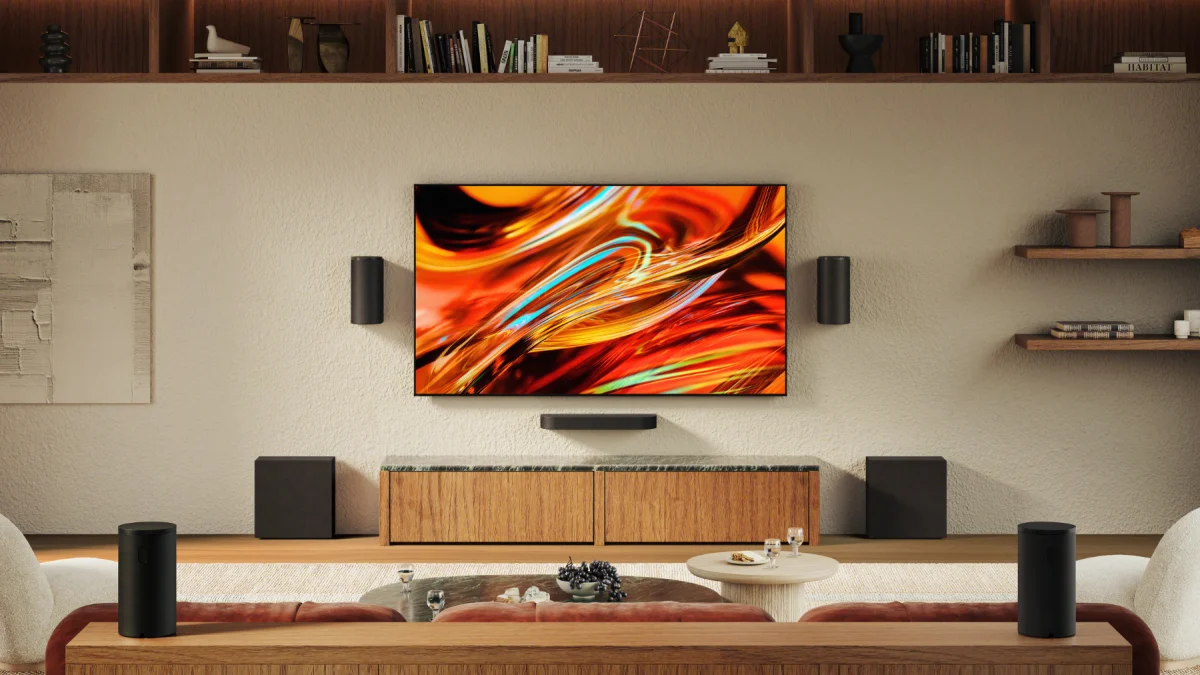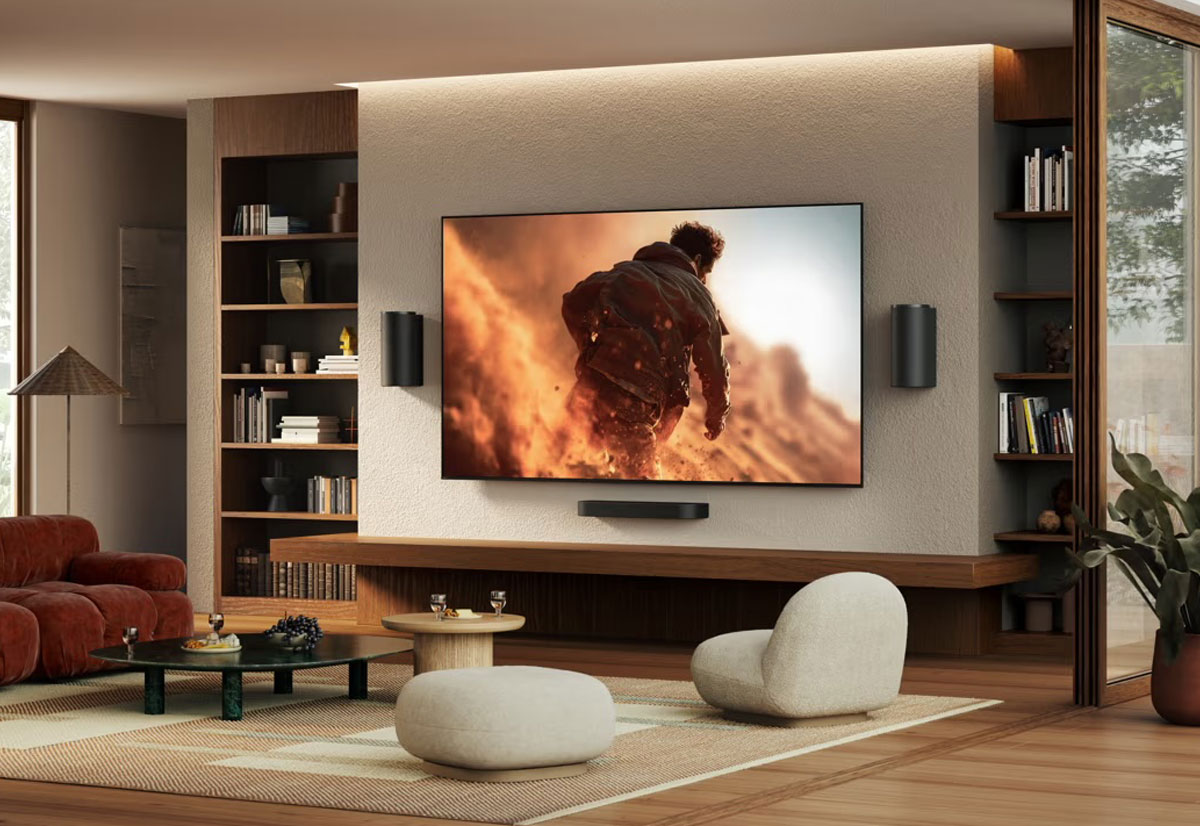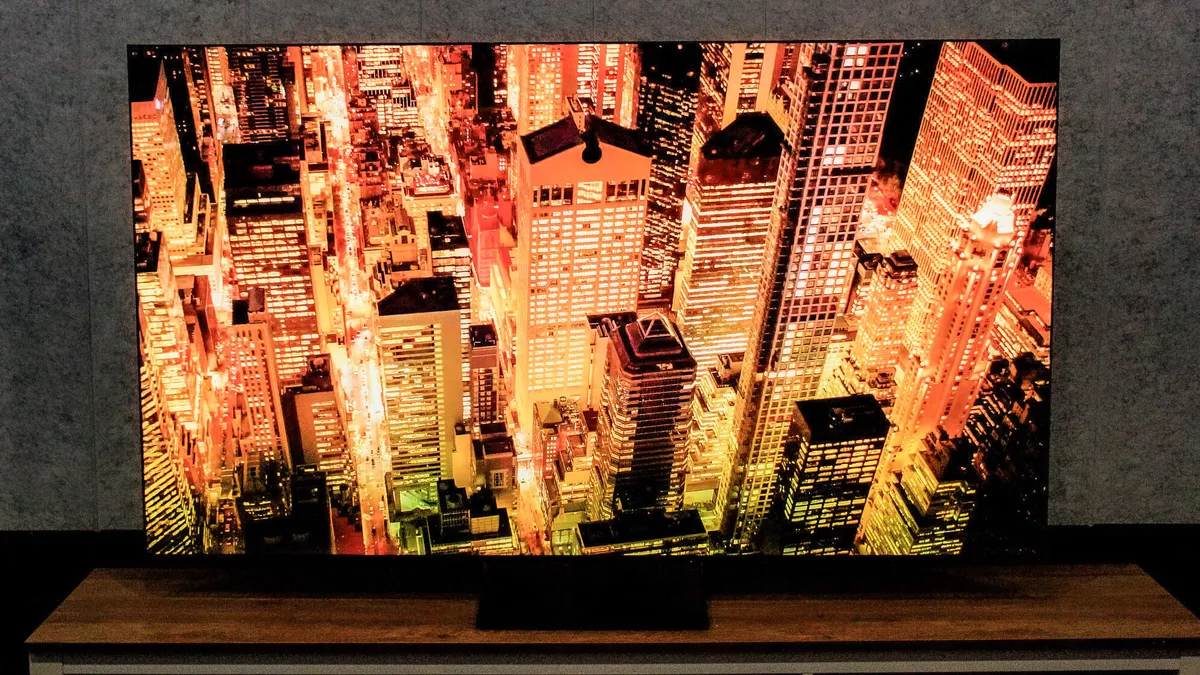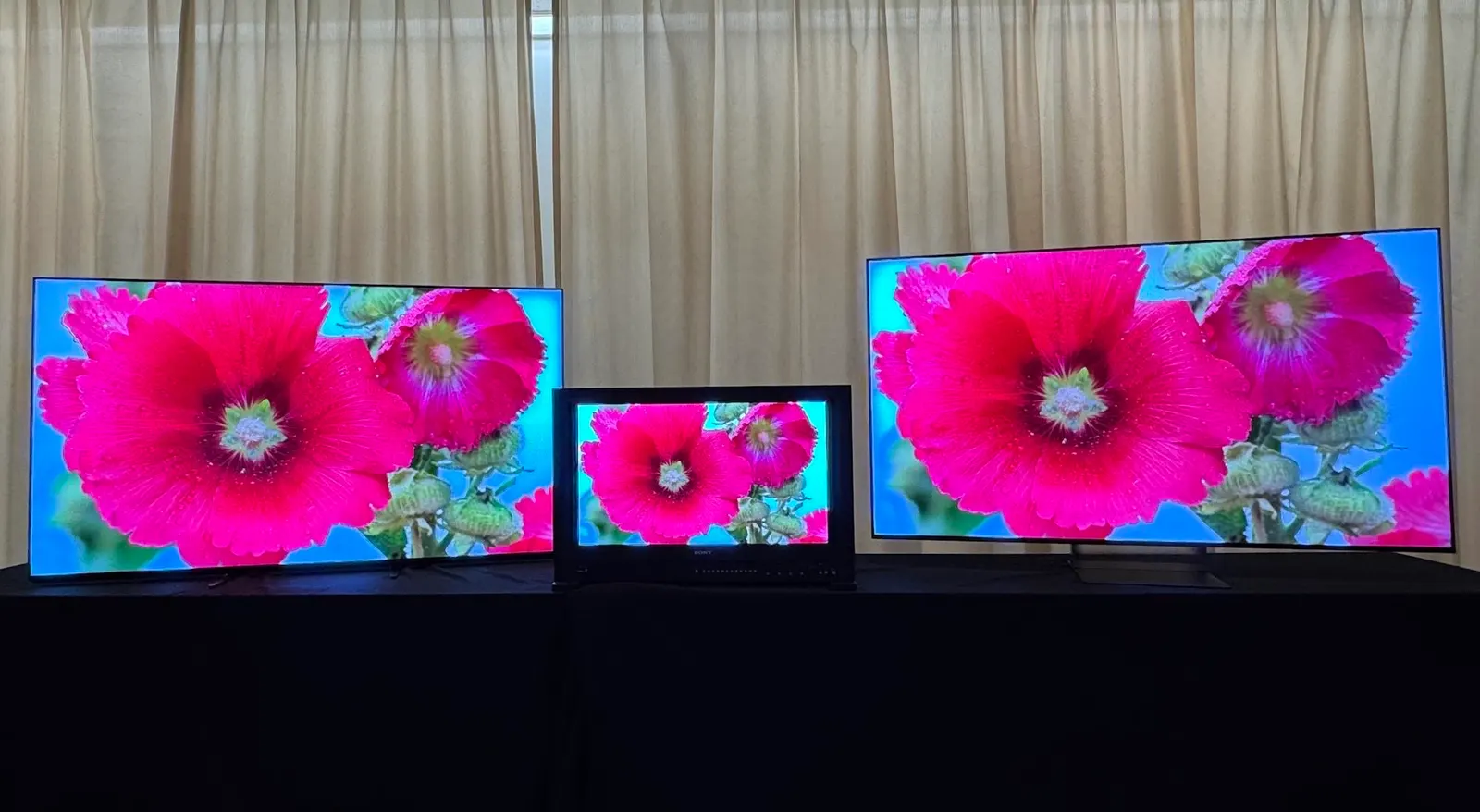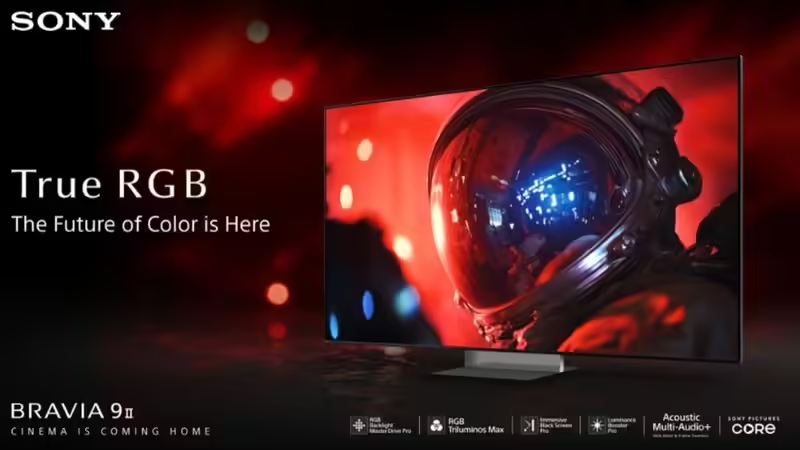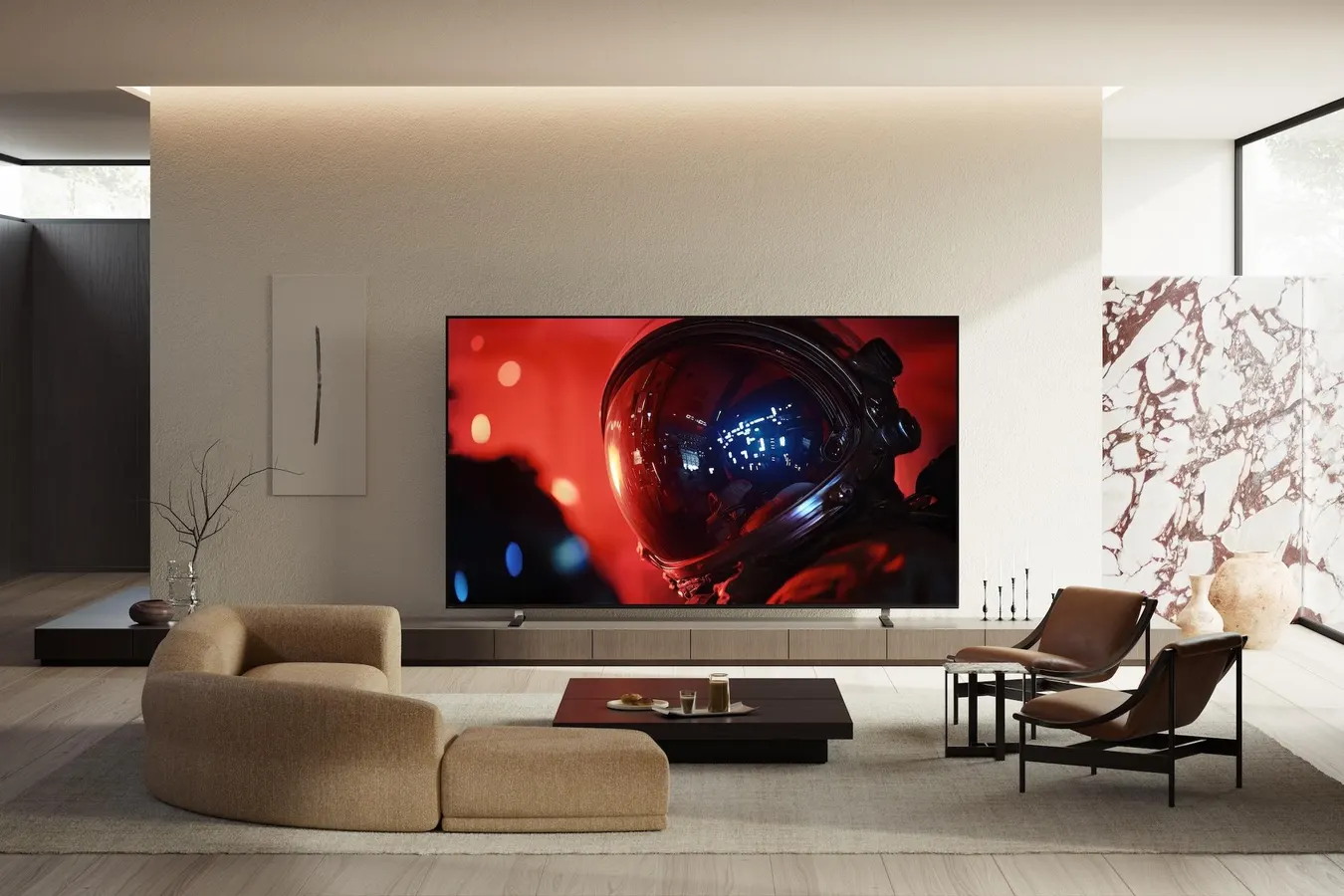
The Sony Bravia 9 II True RGB TVs are finally here – along with full details on what Sony hopes will make them a hit with AV fans.Photo: SonyAfter drip-feeding eager AV fans and journalists various bits of information and early demonstrations of its new True RGB TVs for well over a year now, Sony has finally decided that it’s happy enough with its seemingly uncompromising take on RGB LED technology to unveil full details of its first on-sale True RGB TV models.The first big new bit of information revealed is that there will actually be two new Sony TV series that benefit from True RGB technology: The Bravia 9 IIs and the Bravia 7 IIs. This is an interesting move on two fronts. First it shows Sony believes its new TV technology is already developed enough to support two performance and price “layers”; it’s not just a flagship-or-bust proposition.Second, it means there’s a tier of True RGB TV right from the off that sits below Sony’s Bravia 8 II OLED models, giving Sony consumers a genuine choice on value as well as screen type between the brand’s premium TV options. Also immediately striking about Sony’s full True RGB range announcement is the range of screen sizes it covers. The Bravia 9 II series will top out at 115 inches – a huge TV by Sony standards – with 85, 75 and 65 sizes also available, while the Bravia 7 II series will start at just 50 inches, running up through 55, 65, 75, 85 and 98-inch sizes. The 85-inch Sony Bravia 9 II. Note the 'see through' stand neck that still manages to hide cabling that might be hanging behind it.Photo: SonyMORE FOR YOUFollowing the lifting of a long-running NDA, I’m also now able to talk in more detail about some of the Sony features that seem set to make its True RGB TVs true premium options (check out this first impressions article for a look at the sort of performance qualities we can look forward to now the finished True RGB models are here). Obviously the key point about the True RGB TVs is that they use actual red, green and blue LEDs to light their images, rather than simply shining blue or white lights through color filters or Quantum Dots. This instantly opens the door to new wider color gamuts than TVs have been capable of before, as well as new levels of brightness and efficiency. I’ve already covered some of Sony’s claimed advantages over other brands of RGB LED TVs that have started to appear in recent months. The True RGB name, for instance, arises from it being based, according to Sony, on an uncompromising take on RGB LED technology, and Sony focussing on using the technology to deliver authentic and accurate pictures based on those achieved by the brand’s professional mastering monitor division. I’ve previously revealed how True RGB screens deliver wider viewing angles than regular LCD TVs, and how Sony claims that LED density and the algorithms driving the LEDs is more important than the LED size (this being a dig by Sony at marketing terms like “Micro RGB”).There are now, though, a couple of major new technological revelations about True RGB technology I can share. Starting, most intriguingly, with a unique Sony system that constantly monitors the state of different areas of the True RGB TVs’ panels, particularly when it comes to heat, so that it can compensate for the actually quite pronounced color shifts that different panel conditions can cause. Demonstrations of this unique feature in action show that heat can make a surprisingly big difference to color tones if you’re not compensating for it, and I predict that this extremely sophisticated technology could give Sony maybe its single biggest edge over rival RGB LED screens.The 98-inch Sony Bravia 7 II in a much nicer living room than mine. Photo: SonyI can now also reveal that Sony’s True RGB technology uses advanced panel architecture and power distributing algorithms (where power is transferred from dark parts of the screen where it’s not needed to bright parts where it is) to deliver its huge brightness while using far less power than rival RGB LED TVs. Sony ran live demonstrations, where we were able to check settings for ourselves, showing its Bravia 9 II TVs running almost three times as efficiently when showing the same content in the same equivalent picture setting as TCL’s first RGB LED TVs do. This is pretty important when you’re talking about a TV that’s demonstrably capable of producing nearly 4,000 nits of brightness – a figure that also more or less meets the brightness capabilities of Sony’s latest BVM-HX3110 mastering monitor.Another major new feature the Bravia 9 II flagship True RGB TVs add to Sony’s TV range for the first time is Immersive Black Screen Pro. This new anti-glare technology takes on potent anti-reflection systems now available on LG and, especially, Samsung TVs – but it isn’t the same as those rival systems. For starters it contains both low-reflection and anti-glare layers rather than just one or the other, and additionally it applies a new patent-pending nano structural layer that ensures that the subdued level of reflectance and color neutrality of the filtering system is sustained across a much wider range of viewing angles. The new Immersive Black Screen Pro hardware is part of what Sony is now calling a new RGB Backlight Master Drive Pro panel design that introduces True RGB optimised versions of many of the features that have made Sony’s more traditional premium LCD TVs so impressive. So there’s an RGB Triluminos Max system to take advantage of the screen’s new color potential, an optimised version of Sony’s highlight-boosting Luminance Booster Pro technology, new Color Shift processing to avoid RGB LED’s potential color crosstalk issue, the previously mentioned Sensing and Feedback engine for monitoring and responding to changing panel conditions, and X-Wide Angle Pro technology.The 85-inch Bravia 7 II. Which still gets the new Mirage stand design.Photo: SonyIt’s worth pausing here to distinguish between the pictures features you get with the Bravia 9 II and Bravia 7 II. Both series get Sony’s latest XR processor, which has been upgraded substantially for the True RGB screens. Both series also get RGB Triluminos Max technology to optimise the color performance of the True RGB screens.Both also get Sony’s new Smooth Color Gradation for tackling the color banding that could sometimes impact the brand’s original Bravia 9 LCD TVs, both TVs get the same X-Wide Angle Pro technology, and both TVs get the same XR Clear Image systems for enhanced motion sharpness. The Bravia 9 IIs, though, are the only models to get the Immersive Black Screen Pro technology, and the Bravia 9 IIs also get more advanced, dynamic versions of Sony’s Luminance Booster and Contrast Booster features (including more local dimming zones). While the True RGB TVs’ potential picture advantages are the sets’ main attraction, Sony has also gone to town with a redesign of the integrated audio system built into the 65, 75 an 85-inch Bravia 9 II TVs. They still carry up-firing Beam Tweeters behind their top edges to deliver the overhead/height effects associated with Dolby Atmos mixes, but the left and right ‘frame tweeters’ used high up on the left and right sides of the original Bravia 9s have been joined by a pair of substantial mid-range drivers using Sony’s acclaimed X-Balanced technology. The sound from these fires out sideways through ports cut into the screen’s left and right edges, helping to create a larger, more powerful sound stage. New dual subwoofers now feature a duct alongside the main bass driver to enable deeper, smoother bass sounds, and – like the original Bravia 9’s mid-range drivers – they’ve been lifted into the top half of the TV’s rear so that they sit in line with the new X-balanced mid-range drivers and sound-positioning tweeters. Rear view of the Bravia 9 II. Note the speaker array lined up in the upper half. And I assure you that the cables hanging behind the stand will not be visible from the front.Photo: John ArcherThis design approach makes the whole sound appear to be coming from a head height position, resulting in a more coherent, stable, direct, wide-spread and immersive sound. There’s a design benefit to the new sound system, too, since moving the mid-range and subwoofers up into the top half of the TV’s rear means there’s no need to accommodate a slit and reflecting panel into the screen’s bottom edge. While the Bravia 7 IIs don’t get the same premium speaker array that the Bravia 9 IIs get, both TVs do benefit fro a new 3D Surround With Virtualiser system that uses advanced hear-related transfer functionality and XTC digital signal crosstalk cancellation to expand two-channel or 5.1-channel sources to 5.1.4 channels, adding four ‘virtual’ front and rear overhead speakers to the perceived sound stage. The Bravia 9 II gets a bold new design to go with its bold new screen technology. In place of the feet Sony usually uses with its TVs you get a centrally mounted base plate, and this connects to the screen via a unique see-through neck that uses lenticular lenses to make any cables that might be hanging behind it invisible. Very cool. The bezel round the screen is extremely narrow too, while the rear panel features a flat back and a side structure that coolly creates the impression of being created from a series of separate layers. Sony's new RGB LED technology allows the RGB color elements to each be lit independently, rather than a single light source having to be shared across all three colors.Photo: SonyOne last new innovation Sony is introducing with its True RGB TVs is a new UI feature called My Cinema. This is designed to make it easier to establish different picture and sound macro settings for different room conditions or content types. Director’s Cut, Daytime and Dialogue presets will be available initially, with other settings likely to follow via firmware updates later in the year. You’ll be able to apply each macro to different specific sources, be they TV tuner, streaming services, or external devices, and you will be able to tweak specific picture and sound elements of each of these advanced ‘presets’ for each source, with simple visual aids provided to help you track each preset’s specific set up. If you’re thinking from all this that a Sony True RGB TV might be just what you’re looking for, pricing for both series is as follows:Bravia 9 II115-inch - $30,999.99/£22,999/€29,99985-inch - $6,499.99/£5,499/€5,99975-inch - $4,599.99/£4,299/€4,49965-inch - $3,599.99/£3,499,/€3,999Bravia 7 II98-inch - $8,999.99/£6,999/€7,49985-inch - $3,999.99/£3,999/€3,99975-inch - $3,099.99/£2,999/€3,39965-inch - $2,599.99/£2,299/€2,79955-inch - $2,099.99/£1,999/€2,49950-inch - $1,599.99/£1,899/€2,399—Related ReadingSony Bravia 9 II True RGB TV First ImpressionsSony Unveils New Bravia TVs, Home Theater Speakers And Soundbars
Sony Reveals Full Details Of Its New True RGB TV Range—Including Prices
Two new series will benefit from Sony’s premium take on new RGB LED technology – as well as plenty of other innovations besides.
1,801 words~8 min read