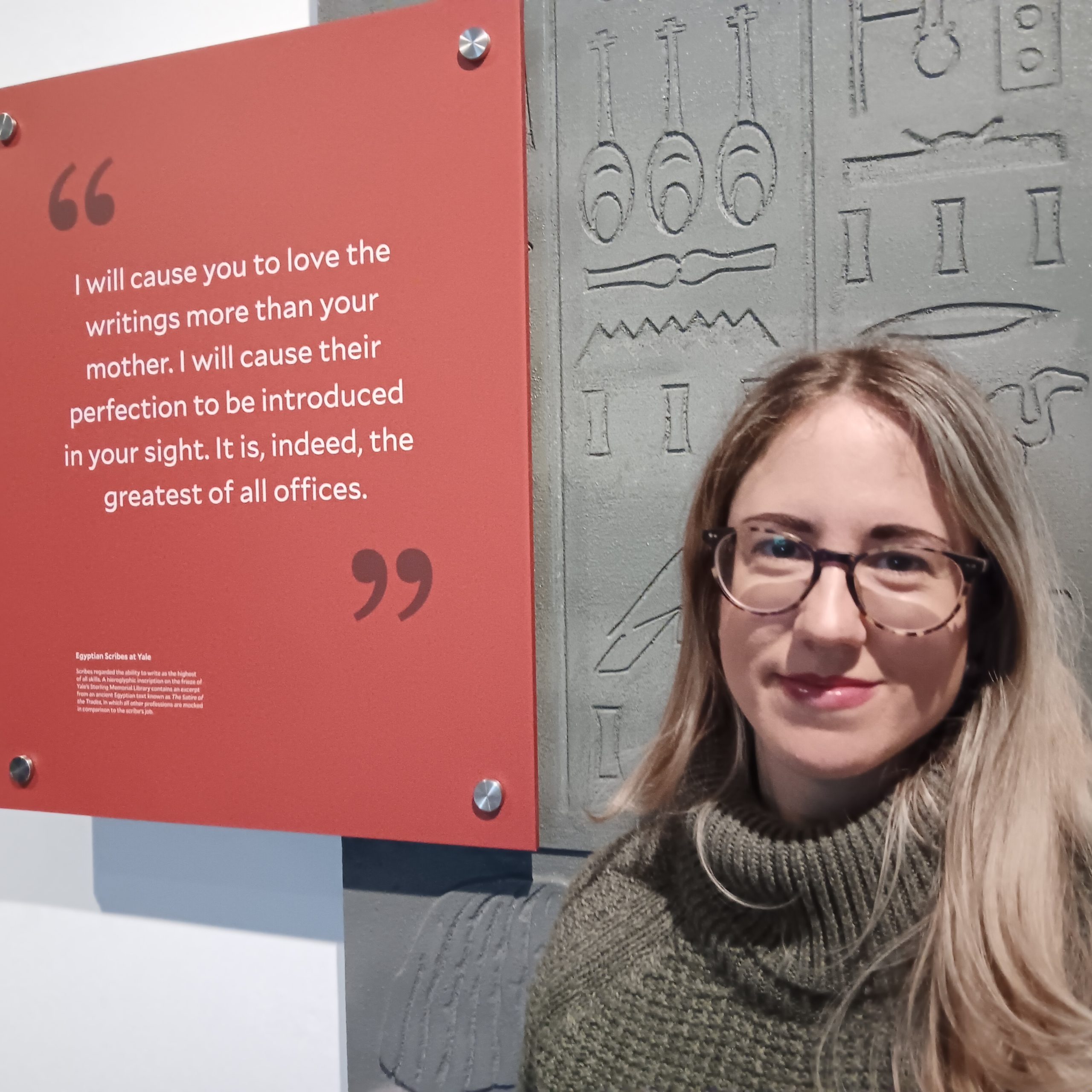
Forgive this reporter his naivete, but believe it or not, the ancient Egyptians actually wrote far more than the formal inscriptions on great pyramids and obelisks. For that very public writing on stone and on monuments they used picture writing, or hieroglyphics.
But for business documents, friendly notes of parental, avuncular, career advice, get-well cards, and, who knows, maybe even love letters, they wrote on papyrus and in a related cursive script called hieratic.
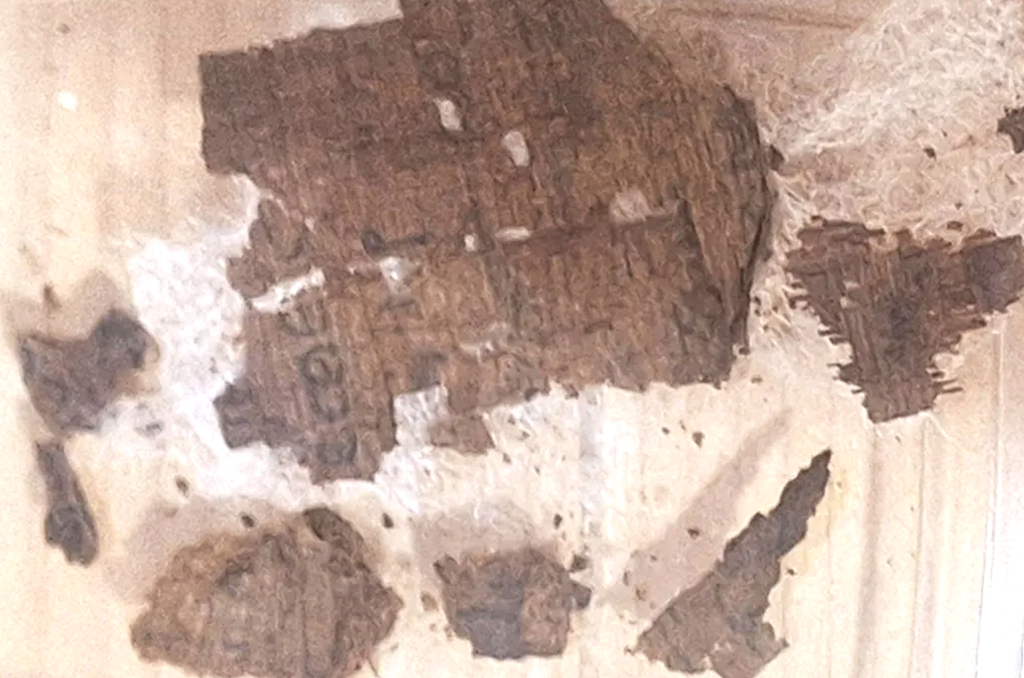
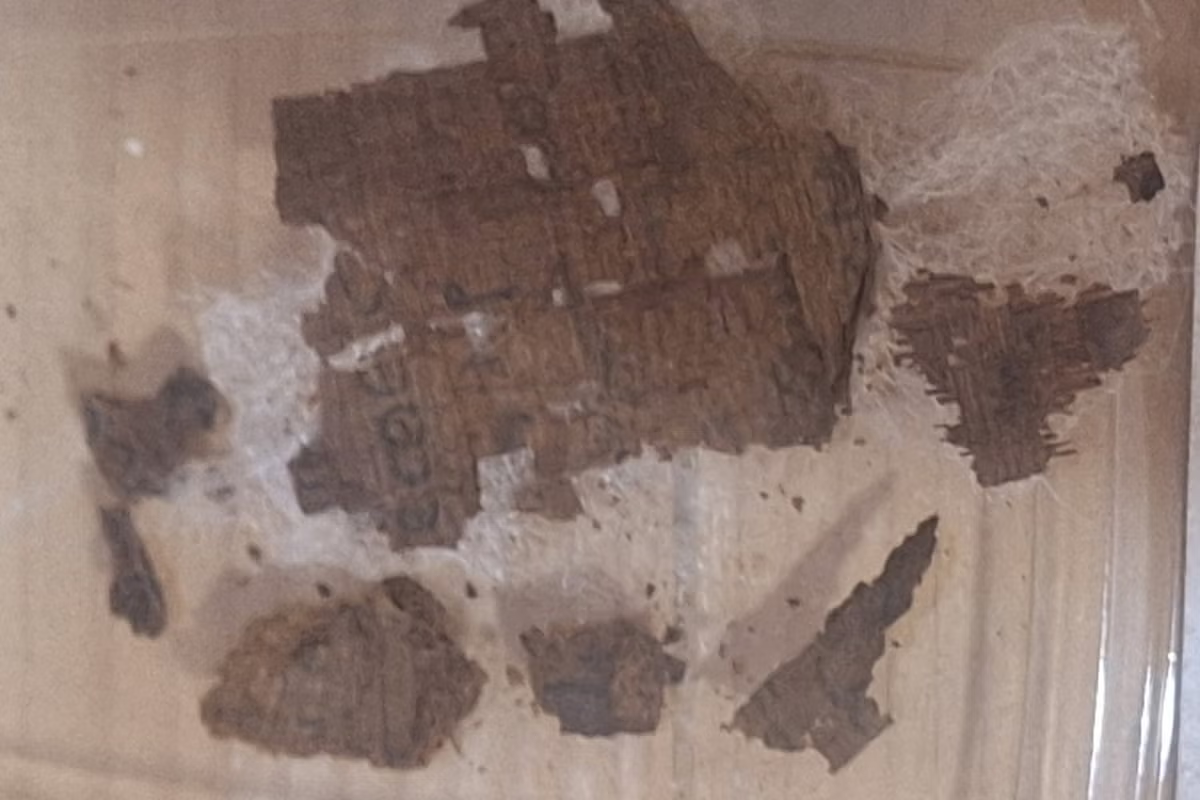
One such fragment among many in hieratic that has recently made its way to New Haven translates literally as: “May your condition be like living a million times.”
While that may sound like the punchline of a Yiddish joke — May you live to be 120, each year in a different hospital — it likely means something closer to: “I hope you are well.”
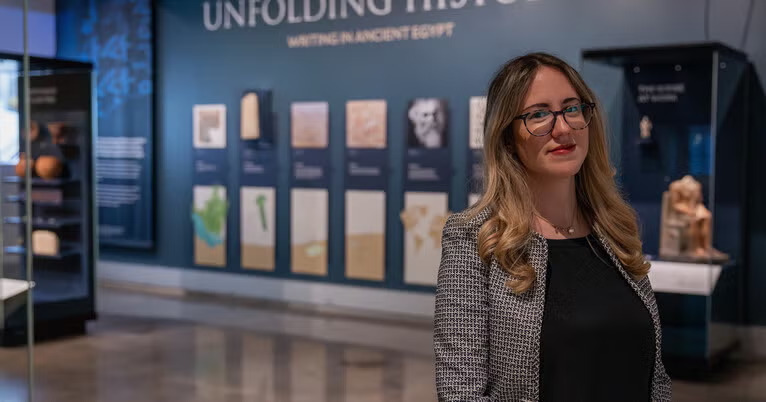
That time-traveling portal into what emotions ancient Egyptians experienced and how they expressed them in personal letters and informal documents to each other — in short, the development of writing and scribal culture in ancient Egypt — is the main focus of a fascinating one-gallery exhibition called Unfolding History. It just opened at the Yale Peabody Museum.